
Wash gently, add moisture often, detangle with care, and protect 3c curls from friction and heat.
Learning how to take care of 3c hair starts with one key idea: healthy curls need balance. They need water, moisture, gentle handling, and enough freedom to keep their natural shape. This guide explains how to take care of 3c hair with simple steps, product tips, styling methods, and expert-backed habits that can reduce dryness, breakage, and frizz.

What Is 3c Hair?
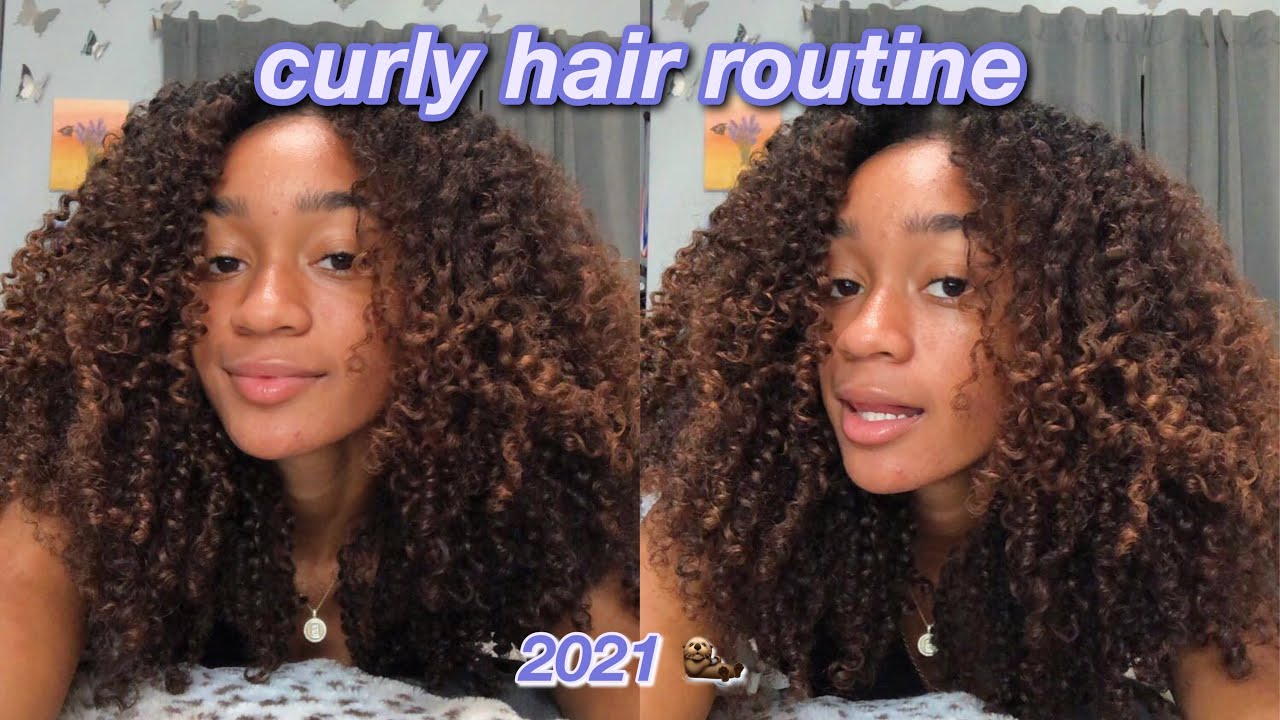
Type 3c hair has tight, springy curls that often form ringlets about the size of a pencil or straw. The curls may look full and dense, but each strand can still be delicate and prone to dryness.
The bends in curly hair make it harder for natural scalp oil to move from the roots to the ends. That is why 3c hair often needs more moisture than straight or loosely wavy hair.
Hair typing can help you choose a routine, but it does not tell the whole story. Porosity, strand thickness, density, scalp health, climate, and chemical treatments also affect how your hair behaves.
Common traits of 3c hair
• Tight, defined curls with a spring-like shape
• Moderate to high shrinkage
• Dry ends or frizz when moisture is low
• More tangles than looser curl patterns
• Greater risk of breakage during dry detangling
• Strong response to water-based products and styling creams
Understanding these traits makes how to take care of 3c hair much easier. Your goal is not to force every curl to look the same. Your goal is to keep the hair flexible, moisturized, clean, and protected.

Build a Simple 3c Hair Care Routine
A good routine does not need ten products. It needs the right order and enough consistency. Think of your routine like caring for a small garden: clean soil, water, gentle care, and protection help it grow.
A basic routine includes:
- Cleanse the scalp regularly.
- Condition after shampooing.
- Detangle while the hair is wet and slippery.
- Apply a leave-in conditioner or curl moisturizer.
- Use a styling product to define and hold curls.
- Dry the hair with low friction.
- Protect the curls while sleeping.
How to take care of 3c hair depends on what your strands need. Fine 3c hair may become weighed down by heavy butters. Thick, coarse, or highly porous hair may need richer creams and more frequent conditioning.
Start with a small amount of product. You can always add more, but removing too much product often requires another wash.

Wash 3c Hair Without Stripping It
Clean hair can still be moisturized hair. The key is to remove sweat, oil, buildup, and dirt without leaving the strands rough.
Most people with 3c hair can wash once every 5 to 10 days. You may need to wash more often if you exercise often, sweat heavily, use many styling products, or have an oily or itchy scalp.
Choose the right cleanser
Use a gentle shampoo for regular wash days. Look for formulas labeled moisturizing, gentle, or sulfate-free if stronger shampoos leave your hair dry. Sulfates are not automatically harmful, but some people find frequent use too drying.
Use a clarifying shampoo when you notice:
• Dull curls
• Sticky or waxy buildup
• Hair that feels coated
• Products that no longer work well
• Limp curls without their usual bounce
Clarify about once every 3 to 6 weeks, depending on your products and scalp. Follow with a rich conditioner because clarifying shampoos can remove more oil and buildup.
Clean the scalp first
Apply shampoo mainly to your scalp. Massage with the pads of your fingers, not your nails. Let the lather move through the lengths as you rinse instead of scrubbing the ends.
This method cleans the scalp while limiting friction. It is one of the most useful answers to how to take care of 3c hair without causing unnecessary dryness.
Condition and Moisturize 3c Curls
Conditioner helps reduce friction between strands. It also makes detangling safer and helps curls feel soft and flexible.
Apply conditioner from the mid-lengths to the ends. Add some near the roots only if your hair is very dry and your scalp does not become oily quickly.
Leave the conditioner on for a few minutes. For very dry hair, use a deep conditioner every one to two weeks. A warm, damp towel can help the product spread, but avoid intense heat if your hair is fragile or chemically treated.
Use the right moisture method
A simple moisture routine may include:
• Water or a water-based leave-in conditioner
• A curl cream for softness and shape
• A light gel for hold
• A small amount of oil or serum to reduce friction and seal the feel of moisture
Oil does not add water to the hair. It may help slow moisture loss and add shine, but it works best after a water-based product.
If your curls feel hard, dry, and rough, you may need more moisture. If they feel limp, greasy, or coated, reduce heavy products and use less layering.

Detangle 3c Hair With Less Breakage
Detangling is where many curl routines go wrong. Pulling through dry knots can snap strands and create more frizz.
Detangle 3c hair when it is wet or damp and covered with conditioner. Divide the hair into four to eight sections based on its thickness and length.
Follow these steps:
- Separate one section with your fingers.
- Remove large knots with your fingertips.
- Start at the ends.
- Work upward toward the roots.
- Use a wide-tooth comb or flexible detangling brush if needed.
- Rinse gently while keeping the hair in sections.
Do not rush. A few extra minutes of gentle detangling can prevent days of shedding and uneven ends.
It is normal to see shed hair on wash day. Hair naturally sheds as part of its growth cycle. However, sudden thinning, bald spots, scalp pain, or large changes in shedding deserve attention from a dermatologist.

Choose Products for 3c Hair
Product choice should match your hair, not just your curl label. A product that works well for one person with 3c hair may make another person’s curls greasy, dry, or flat.
Helpful ingredients
Many people with 3c hair enjoy products that contain:
• Glycerin for water attraction in suitable climates
• Aloe for a light, water-based feel
• Behentrimonium methosulfate for conditioning and detangling
• Fatty alcohols such as cetyl alcohol for softness
• Panthenol for conditioning support
• Plant oils such as jojoba, olive, or argan oil for slip and shine
• Hydrolyzed proteins for temporary strengthening
Ingredients are not automatically good or bad. Glycerin may feel helpful in one climate and make hair feel rough in another. Protein may support weak hair, but too much can leave some curls stiff.
Test one product at a time
Apply a new product to a small section first. Check the result after the hair dries and again the next day. This helps you learn what works without confusing your results.
Avoid assuming that expensive products are better. A simple routine with affordable products can work very well when the products match your hair’s needs.

Style 3c Hair for Definition and Volume
Styling products help 3c curls keep their shape. They can also reduce frizz by limiting movement between neighboring strands.
Apply styling products to soaking-wet or very damp hair. Water helps distribute the product and encourages curls to group together.
Try this order:
- Smooth in a leave-in conditioner.
- Apply curl cream if your hair needs softness.
- Add mousse or gel for hold.
- Scrunch upward from the ends.
- Air-dry or use a diffuser on low heat and low speed.
- Break the cast gently once the hair is fully dry.
A gel cast may feel firm at first. This does not mean the hair is damaged. Once the hair dries, gently squeeze the curls to soften the cast.
For more volume, flip your head while applying products or use root clips. For more definition, use smaller sections and more water. You may not get maximum volume and maximum definition at the same time, so choose the look you want that day.
How to take care of 3c hair during styling means avoiding constant touching. Touching wet curls can disturb their pattern and create frizz.

Protect 3c Hair From Heat and Friction
Heat can help with drying, but too much heat may weaken the hair cuticle. Research and dermatology guidance support using the lowest effective temperature and a heat protectant when using hot tools.
Use these habits:
• Apply heat protectant before blow-drying or diffusing.
• Keep the diffuser moving instead of holding it on one spot.
• Use low or medium heat.
• Avoid straightening often.
• Never flat-iron wet or damp hair.
• Give your curls regular breaks from heat.
Friction can also cause frizz and breakage. Cotton pillowcases and rough towels pull at the hair and absorb moisture.
Use a satin or silk pillowcase, satin bonnet, or satin scarf. Pat the hair dry with a microfiber towel or soft cotton T-shirt. Do not rub the curls hard after washing.
These small changes often improve how to take care of 3c hair more than buying another styling product.

Protect 3c Hair at Night
Night protection helps preserve curl definition and reduce tangles. It also limits the rubbing that can lead to dry ends.
Before bed, choose one of these methods:
• Place the hair in a loose pineapple on top of the head.
• Make two to six loose twists.
• Use a satin bonnet with enough room for the curls.
• Sleep on a satin or silk pillowcase as a backup.
Do not tie the hair too tightly. Tight styles may cause tension around the hairline and temples. Repeated pulling can lead to traction alopecia, a form of hair loss linked to ongoing tension.
In the morning, refresh curls with water and a small amount of leave-in conditioner. Avoid soaking the entire head every day unless your hair responds well to it. Too much manipulation and repeated wetting can increase tangling for some people.
Manage Shrinkage, Frizz, and Dryness
Shrinkage is a normal feature of tightly coiled hair. It shows that the hair has elasticity. It does not mean your hair is unhealthy or shorter than it appears when stretched.
To reduce excess frizz and dryness:
• Use enough water during styling.
• Avoid brushing dry curls.
• Use a strong-hold gel when humidity causes frizz.
• Sleep with satin protection.
• Trim split ends when they begin traveling upward.
• Avoid changing products every few days.
Frizz is not always a problem. Some frizz adds volume and gives curls a soft, natural look. Perfectly smooth hair is not a realistic standard, especially in humid weather.
One common mistake is using more and more oil on hair that actually needs water. If your hair feels coated but still dry, clarify gently and return to a water-based routine.
Balance Protein, Moisture, and Strength
Hair needs both flexibility and strength. Moisture can help hair feel soft, while protein can temporarily support the structure of damaged strands.
You may benefit from a protein treatment if your hair is:
• Weak or overly stretchy when wet
• Frequently bleached, colored, or heat-styled
• Difficult to style because curls will not hold
• Breaking more than usual
Use protein carefully. If your curls become stiff, brittle, or rough after treatment, pause protein and focus on conditioning.
Deep conditioning supports softness, but it cannot permanently repair split ends. A split end must be trimmed. Products can temporarily smooth its appearance, but they cannot fuse the strand back together.
This balanced approach is central to how to take care of 3c hair. Strong hair is not hair that feels hard. Healthy hair usually has both strength and movement.
Create a Weekly 3c Hair Schedule
A schedule makes hair care easier when life gets busy. Adjust it based on your scalp, climate, activity level, and styling habits.
Example routine
• Every few days: Refresh with water and a light leave-in product if needed.
• Every 5 to 10 days: Shampoo the scalp and condition the hair.
• Every 1 to 2 weeks: Deep-condition if the hair feels dry or rough.
• Every 3 to 6 weeks: Clarify if buildup appears.
• Every 8 to 12 weeks: Check for split ends and consider a trim.
• Every night: Use a satin bonnet, scarf, or pillowcase.
This schedule is only a starting point. If your scalp itches or feels oily, wash sooner. If your hair stays clean and comfortable for longer, you may not need to wash as often.
Good hair care should fit your real life. A routine that takes two hours and causes stress will be harder to maintain than a simple routine you enjoy.
Avoid Common 3c Hair Care Mistakes
Many problems come from technique rather than from the hair itself. Small changes can make a noticeable difference.
Avoid these habits:
• Detangling dry hair with a small brush
• Using very hot water
• Scrubbing the lengths during shampooing
• Wearing tight ponytails or braids repeatedly
• Sleeping with loose hair on rough fabric
• Applying heavy oils to a dry scalp without a clear reason
• Using heat without protection
• Leaving tight protective styles in too long
• Ignoring scalp pain, sores, or persistent itching
Protective styles can reduce daily handling, but they are not automatically protective. A style that is too tight, too heavy, or left in too long can cause breakage and hair loss.
If you notice ongoing scalp problems, thinning edges, or unusual shedding, consult a board-certified dermatologist. A hair routine cannot treat every medical cause of hair loss.
How to Take Care of 3c Hair in Different Conditions
Your environment can change how your curls behave. Humidity may increase frizz, while dry winter air may make the hair feel rough and brittle.
In humid weather, use a gel or mousse with enough hold. Avoid touching the curls while they dry. You may also need fewer heavy layers because moisture is already present in the air.
In dry weather, use a richer conditioner and a water-based leave-in product. Cover your hair outdoors when the air is cold and dry. A humidifier may help indoor air feel less drying, but it will not replace good conditioning.
After swimming, rinse the hair with fresh water as soon as possible. Chlorine and salt can leave hair dry. Use conditioner before swimming and wear a snug swim cap when practical.
How to take care of 3c hair changes with the season, but the core rules stay the same: clean the scalp, add water and conditioning, handle gently, and protect the strands.
Frequently Asked Questions About How to Take Care of 3c Hair
How often should you wash 3c hair?
Most people with 3c hair can wash every 5 to 10 days. Wash more often after heavy sweating, swimming, or significant product buildup, and choose the schedule that keeps your scalp clean and comfortable.
Should you brush 3c hair?
You can brush 3c hair when it is wet, coated with conditioner, and divided into sections. Avoid brushing dry curls because it can increase frizz, tangling, and breakage.
Is daily moisturizing good for 3c hair?
Daily moisture may help very dry hair, but not everyone needs it. Start with water or a light leave-in product and reduce use if the hair becomes greasy, limp, or coated.
How can you make 3c curls grow longer?
Hair growth begins at the scalp, but length retention depends on preventing breakage. Gentle detangling, loose styles, regular conditioning, night protection, and limited heat can help you keep more of the length you grow.
Can you use oil on 3c hair?
Yes, a small amount of oil can add shine and reduce friction. Apply it over damp, moisturized hair rather than using oil as a substitute for water or conditioner.
Why is my 3c hair frizzy after styling?
Frizz may come from low moisture, too little styling hold, high humidity, friction, or touching the hair while it dries. Add more water during styling, use a suitable gel, and protect the hair from rough fabrics.
Conclusion
Healthy 3c hair care is built on simple habits: cleanse the scalp, condition well, detangle gently, moisturize with water-based products, style with care, and protect the curls from heat and friction. Your best routine may take some testing because porosity, density, climate, and scalp needs vary.
Do not chase perfect curls. Focus on hair that feels soft, flexible, clean, and strong. Start with one change this week, track how your hair responds, and keep the steps that make your curls healthier and easier to manage. Share your routine or explore more evidence-based hair care guides to keep learning.
