
Taking care of 3b hair means gentle cleansing, regular moisture, careful styling, and low-tension handling.
3b hair has springy, defined curls that can look full and lively, yet it often loses moisture quickly. As someone who has helped people build curl routines, I have seen that healthy 3b hair rarely needs a long list of products. It needs the right habits, steady care, and enough time to learn what your curls like.
What Is 3b Hair?
3b hair has tight, spring-shaped curls. The curls are often about the size of a marker or a large corkscrew. Some people have uniform curls, while others have a mix of 3a, 3b, and 3c patterns across the same head.
Curl type can help you choose products, but it does not tell the whole story. Hair density, porosity, strand thickness, climate, and scalp health also affect your routine.
When learning how to take care of 3b hair, focus on these traits:
• 3b curls can become dry because natural scalp oil does not travel easily down the curved hair shaft.
• Curly hair is more likely to tangle at bends and twists.
• Friction from cotton pillowcases, towels, and rough brushing can cause frizz and breakage.
• Heavy products may flatten fine 3b hair, while light products may not protect thick, dry curls.
• Humidity can make curls swell and lose definition.
Your curl pattern may also change after heat damage, chemical treatments, hormonal changes, or major health events. Treat the curl chart as a guide, not a strict rule.

Build a Simple 3b Hair Care Routine
A good 3b hair routine usually has five parts:
- Cleanse the scalp.
- Condition the hair.
- Add moisture and hold.
- Dry the curls with little friction.
- Protect the hair between wash days.
The best routine is one you can repeat. A complex routine may look impressive, but it can become tiring and expensive. Start with a gentle shampoo, a rich conditioner, a leave-in product, and one styling product.
When figuring out how to take care of 3b hair, change only one product at a time. This makes it easier to see what works. If you change your shampoo, conditioner, gel, and oil in the same week, you may not know which product caused dryness, buildup, or flakes.
Your routine should also match your schedule. If you exercise often, you may need to cleanse more frequently. If your curls are fine, use less product. If your hair is thick and coarse, you may need more conditioner and a stronger styling cream.

Wash 3b Hair Without Stripping It
Clean hair begins with a healthy scalp. Shampoo removes sweat, excess oil, product residue, and pollution. However, washing too often with a harsh cleanser can leave 3b curls rough and dry.
Many people with 3b hair wash once every five to seven days. Some wash twice a week, especially after workouts. Others can wait longer. Your scalp, lifestyle, and product use should guide the schedule.
Follow these steps:
- Fully soak your hair with warm water.
- Apply shampoo mainly to your scalp.
- Massage with your fingertips, not your nails.
- Let the lather run through the lengths as you rinse.
- Repeat only if your scalp still feels oily or coated.
- Apply conditioner from the middle of the hair to the ends.
- Detangle gently while the conditioner is in place.
Avoid piling your hair on top of your head while washing. This creates knots. Instead, let the curls fall in the same direction and use gentle downward motions.
A clarifying shampoo can help remove heavy buildup. Use it when your hair feels coated, dull, sticky, or difficult to style. Many people need it about once every four to eight weeks, but frequent use may cause dryness.

Condition and Moisturize 3b Curls
Moisture is central to how to take care of 3b hair. Conditioner helps reduce friction, soften the strands, and improve detangling. It also makes the hair more flexible during styling.
Use a rinse-out conditioner every wash day. Give it a few minutes to work. Then detangle with your fingers or a wide-tooth comb, starting at the ends and moving upward.
A deep conditioner can help hair that feels dry, rough, or brittle. Use one about every one to two weeks, depending on your hair’s needs. If your hair becomes limp or greasy, reduce the amount or use it less often.
A simple moisture routine may include:
• Leave-in conditioner for softness and slip.
• Curl cream for moisture and shape.
• Gel or mousse for hold and frizz control.
• A small amount of lightweight oil to reduce moisture loss after the hair dries.
Oil does not add water to the hair. It can help slow water loss and add shine, but too much oil may cause buildup. Apply a small amount to the ends rather than coating the entire scalp.
In my experience, many people mistake product quantity for moisture. Adding more cream often makes curls heavy without solving dryness. Better results usually come from soaking the hair well, applying conditioner evenly, and sealing the routine with a suitable styling product.

Detangle 3b Hair With Care
Detangling is one of the most important parts of how to take care of 3b hair. Curly strands wrap around one another, so dry brushing can create breakage, frizz, and pain.
Detangle when the hair is wet and coated with conditioner. Divide thick hair into four to eight sections. Work from the ends upward, and pause when you meet resistance.
Use one of these methods:
• Finger detangling gives you the most control and helps you feel knots before they break.
• A wide-tooth comb can move through dense hair when enough conditioner is present.
• A flexible detangling brush may work well, but use it slowly and avoid pulling.
Never force a comb through a large knot. Add more conditioner or water, separate the knot with your fingers, and work through it in small pieces.
A common mistake is detangling only at the roots. The ends are older and more fragile, so they need the most patience. Regular trims can also remove split ends that catch on nearby strands.

Choose Products for 3b Hair
Products for 3b hair should support moisture, slip, definition, and hold. The right choice depends on your strand thickness and porosity.
Fine 3b hair may do best with:
• Lightweight leave-in conditioner.
• Mousse or foam for volume.
• Light gel that does not leave a thick coating.
• Small amounts of curl cream.
Thick or coarse 3b hair may prefer:
• Rich rinse-out conditioner.
• Creamy leave-in conditioner.
• Curl cream with softening ingredients.
• Stronger gel for long-lasting definition.
Look for ingredients such as aloe, glycerin, panthenol, fatty alcohols, and plant oils. These ingredients can support softness and manageability, but the full formula matters more than one ingredient.
Glycerin may help attract water in some conditions. In very dry or highly humid weather, however, it may not work well for everyone. Hair science is personal. Test products in small amounts and watch how your curls respond over several uses.
Avoid assuming that “natural” always means gentle or that “chemical” always means harmful. Fragrance and essential oils can irritate sensitive skin. If a product causes itching, burning, swelling, or a rash, stop using it and seek medical advice if symptoms continue.

Style 3b Hair for Definition
The best way to style 3b hair is to work with its natural curl shape. Start with soaking-wet or very damp hair. Water helps products spread and allows curls to group together.
Try this method:
- Apply leave-in conditioner in sections.
- Smooth a small amount of curl cream through each section.
- Add gel or mousse for hold.
- Scrunch the hair upward toward the scalp.
- Use finger coiling only on curls that need extra shape.
- Leave the hair alone while it dries.
The “praying hands” method can smooth product over the hair without disturbing the curl pattern. Scrunching then encourages the curls to spring upward.
Air-drying creates less heat exposure but may take a long time. A diffuser can reduce drying time. Use low or medium heat and low airflow. Keep the diffuser moving instead of holding it in one place.
Do not touch the curls while they are wet. This is one of the simplest lessons in how to take care of 3b hair. Touching wet curls breaks up curl groups and creates frizz.
When the hair is fully dry, gently squeeze out any firm gel cast with clean, dry hands. This is called scrunching out the crunch. Your curls should feel soft while keeping their shape.

Protect 3b Hair at Night
Night care helps preserve your style and reduce friction. Cotton pillowcases can absorb moisture and create rough movement while you sleep.
Use one of these options:
• Sleep on a satin or silk pillowcase.
• Wrap the hair in a satin scarf or bonnet.
• Place the hair loosely in a high ponytail, often called a pineapple.
• Use a loose satin scrunchie instead of a tight elastic.
Do not tie the hair tightly every night. Repeated tension may contribute to breakage around the hairline. Avoid sleeping with wet hair under a tight bonnet, since trapped moisture may irritate the scalp and create an unpleasant odor.
In the morning, refresh curls with a light mist of water. Add a small amount of leave-in conditioner or curl refresher only where needed. Too much refreshing product can cause buildup and make the hair feel sticky.
If your curls lose shape overnight, do not fully restyle the entire head every morning. Refresh the outer areas first. This saves time and reduces handling.

Manage Frizz, Humidity, and Shrinkage
Frizz is not a sign that your hair is unhealthy. It is a natural part of curly hair. Some frizz can come from humidity, dryness, new growth, breakage, or curls that do not group together.
To reduce unwanted frizz:
• Apply styling products to very damp hair.
• Use enough gel to create a light cast.
• Avoid rough towels and dry brushing.
• Let the hair dry fully before separating curls.
• Protect the hair from strong wind and repeated touching.
Humidity can make curls expand. A product with firm hold may help keep the curl shape longer. However, no product can fully stop the effects of weather.
Shrinkage is also normal. 3b hair may look much shorter when dry than when wet. Do not stretch curls with high heat just to make them appear longer. If you want length, use gentle banding or low-tension stretching methods.
The goal is not to remove every sign of texture. Healthy curls may have volume, flyaways, and different curl sizes. Good care improves strength and comfort, not just appearance.
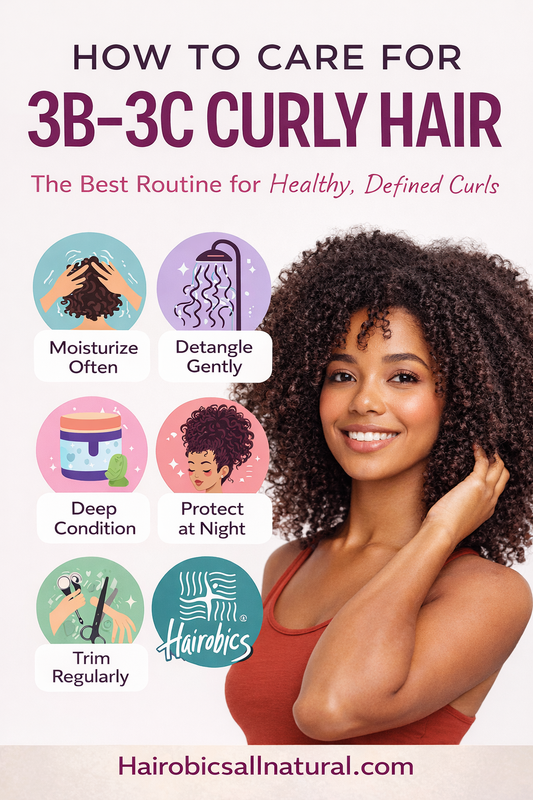
Prevent Breakage and Heat Damage
Breakage often comes from repeated tension, rough handling, dryness, or high heat. Split ends cannot be repaired permanently with a product. A conditioner may make them look smoother for a short time, but trimming is the lasting solution.
For healthier 3b hair:
• Trim when your ends split, snag, or look thin.
• Keep heat tools at a moderate temperature.
• Use a heat protectant before blow-drying or flat-ironing.
• Limit tight braids, slicked-back styles, and heavy extensions.
• Change styles regularly to reduce stress on the same areas.
• Do not use a flat iron on damp hair.
Heat damage may show as curls that stay straight, feel rough, or no longer spring back after washing. Chemical straighteners, permanent color, and frequent heat can increase damage risk. These services are not automatically unsafe, but they require careful timing and professional technique.
A useful rule in how to take care of 3b hair is to choose low tension before perfect style. A slightly less sleek ponytail is better than a painful one that weakens the hairline.
Create a Weekly 3b Hair Schedule
A simple schedule makes how to take care of 3b hair easier to follow. Adjust it based on your scalp and hair needs.
Wash day
• Cleanse the scalp with a gentle shampoo.
• Condition and detangle in sections.
• Apply leave-in conditioner and styling products.
• Dry with a diffuser or let the hair air-dry.
Midweek care
• Check whether the scalp feels clean and comfortable.
• Mist dry areas with water.
• Refresh only the curls that need help.
• Add a small amount of gel to areas with frizz.
Every one to two weeks
• Use a deep conditioner if your hair feels dry.
• Check the ends for splits and roughness.
• Clean brushes, combs, clips, and bonnets.
Every four to eight weeks
• Use a clarifying shampoo if you have buildup.
• Review your products and remove those that cause flakes or heaviness.
• Consider a trim if the ends tangle often.
Keep notes when testing a new routine. Record the product, amount, weather, drying method, and result. This turns trial and error into a useful process.
Common Mistakes to Avoid
Even people with years of curl experience can make mistakes. The most common problems are usually simple and easy to correct.
• Washing with very hot water can leave hair feeling dry. Use warm water and finish with a comfortable cool rinse if you prefer.
• Brushing dry curls can create breakage and frizz. Detangle with conditioner and water instead.
• Using too much protein may make some hair feel stiff. If hair becomes hard or brittle after protein products, pause them and focus on moisture.
• Using too many oils can trap buildup. Start with a few drops, not a handful.
• Changing products too often makes results hard to judge. Give a routine several wash days unless it causes irritation.
• Sleeping with loose hair against rough fabric can increase tangles. Use satin or silk protection.
• Copying another person’s routine may not work for your hair. Climate, density, porosity, and lifestyle matter.
The biggest lesson I have seen is that consistency beats intensity. One gentle wash and careful detangle each week can do more than a large product collection used without a plan.
When to See a Dermatologist
Most dryness and frizz can improve with better hair care. Scalp problems need more attention, especially when symptoms continue.
See a board-certified dermatologist if you notice:
• Ongoing itching, burning, or scalp pain.
• Thick scales, sores, pus, or bleeding.
• Sudden hair loss or widening areas of thinning.
• Broken hairs concentrated around the hairline.
• A rash after using a new product.
• Severe dandruff that does not improve with basic care.
Hair loss can have many causes, including genetics, stress, illness, medication, nutritional problems, and tight hairstyles. A dermatologist can examine the scalp and suggest suitable treatment. Do not rely on oils or home remedies for unexplained hair loss.
Reliable hair care advice should also acknowledge its limits. No routine can guarantee a specific curl pattern, growth rate, or result for every person.
Frequently Asked Questions About How to Take Care of 3b Hair
How often should you wash 3b hair?
Many people wash 3b hair every five to seven days, but there is no universal schedule. Wash sooner if your scalp feels oily, sweaty, itchy, or coated with product.
Is 3b hair naturally dry?
3b hair can be more prone to dryness because its curved shape makes it harder for scalp oils to travel down the strands. Regular conditioning, gentle handling, and protective styling can help maintain softness.
Should you brush 3b hair every day?
Daily brushing is usually unnecessary and may cause frizz or breakage. Detangle 3b hair when it is wet and coated with conditioner, using your fingers or a wide-tooth comb.
Is gel good for 3b hair?
Gel can be useful because it gives 3b curls hold, definition, and frizz control. Apply it to wet or damp hair, then avoid touching the curls until they are fully dry.
How do you sleep with 3b hair?
Use a satin or silk bonnet, scarf, or pillowcase to reduce friction. A loose pineapple or high ponytail can help preserve curl shape, but avoid tight bands that pull the hairline.
How can you make 3b hair grow faster?
Hair grows from the scalp at its own biological rate, so no product can guarantee faster growth. Protecting the ends, avoiding breakage, eating a balanced diet, and treating scalp problems can help you retain length.
How often should you deep-condition 3b hair?
Many people benefit from deep conditioning every one to two weeks. Reduce the frequency if your hair feels limp, greasy, or difficult to style afterward.
Conclusion
Learning how to take care of 3b hair starts with a clean scalp, gentle detangling, regular conditioning, and suitable styling products. Protect your curls at night, limit heat and tension, and adjust your routine for your hair’s thickness, porosity, climate, and lifestyle.
Healthy 3b hair does not need to look perfect every day. Focus on comfort, strength, moisture, and steady habits. Try one small change this week, track the result, and keep refining your routine as your curls teach you what they need.
