
Proper hair care means gentle washing, regular conditioning, low heat, and habits that protect your scalp.
Learning how to properly take care of your hair starts with understanding your scalp, hair type, and daily habits. A simple routine can reduce breakage, control dryness, protect natural shine, and help your hair look healthier over time. This guide combines practical care tips with advice commonly supported by dermatologists and hair-care professionals.
Understand Your Hair and Scalp
Before changing your routine, learn what your hair needs. Hair may be straight, wavy, curly, or coily. It may also be fine, thick, dry, oily, color-treated, or damaged. These traits affect how often you should wash, condition, detangle, and style it.
Your scalp matters just as much as your strands. Healthy hair grows from healthy skin. An oily scalp may need frequent washing, while a dry or sensitive scalp may do better with a mild shampoo and fewer products.
Porosity is another useful concept. It describes how easily your hair absorbs and loses moisture. High-porosity hair often dries fast and feels rough. Low-porosity hair may resist water and feel weighed down by heavy oils.
When learning how to properly take care of your hair, avoid copying another person’s routine. Your friend may wash daily, while your hair may need washing only twice a week. The best routine is based on your scalp, texture, lifestyle, and hair goals.

Build a Simple Hair Care Routine
A good routine does not need many products. In most cases, you need a gentle shampoo, a suitable conditioner, a wide-tooth comb, and a heat protectant if you use hot tools.
Follow these basic steps:
- Brush or gently loosen tangles before washing if your hair is prone to knots.
- Wet your hair fully with lukewarm water.
- Massage shampoo into your scalp, not aggressively into the ends.
- Rinse well and apply conditioner from the middle of your hair to the ends.
- Detangle gently while the conditioner is in.
- Rinse with cool or lukewarm water.
- Blot your hair with a soft towel or cotton T-shirt.
- Apply leave-in products if your hair needs extra moisture.
- Let your hair air-dry when possible.
- Use a heat protectant before blow-drying, curling, or straightening.
Consistency matters more than a complicated routine. Hair care is like brushing your teeth. Small actions done often usually work better than one intense treatment done once in a while.
One lesson I have learned from testing hair routines is that adding more products does not always improve results. Product buildup can make hair dull, heavy, and difficult to style. Start with the basics, then add one product at a time.

Wash Your Hair the Right Way
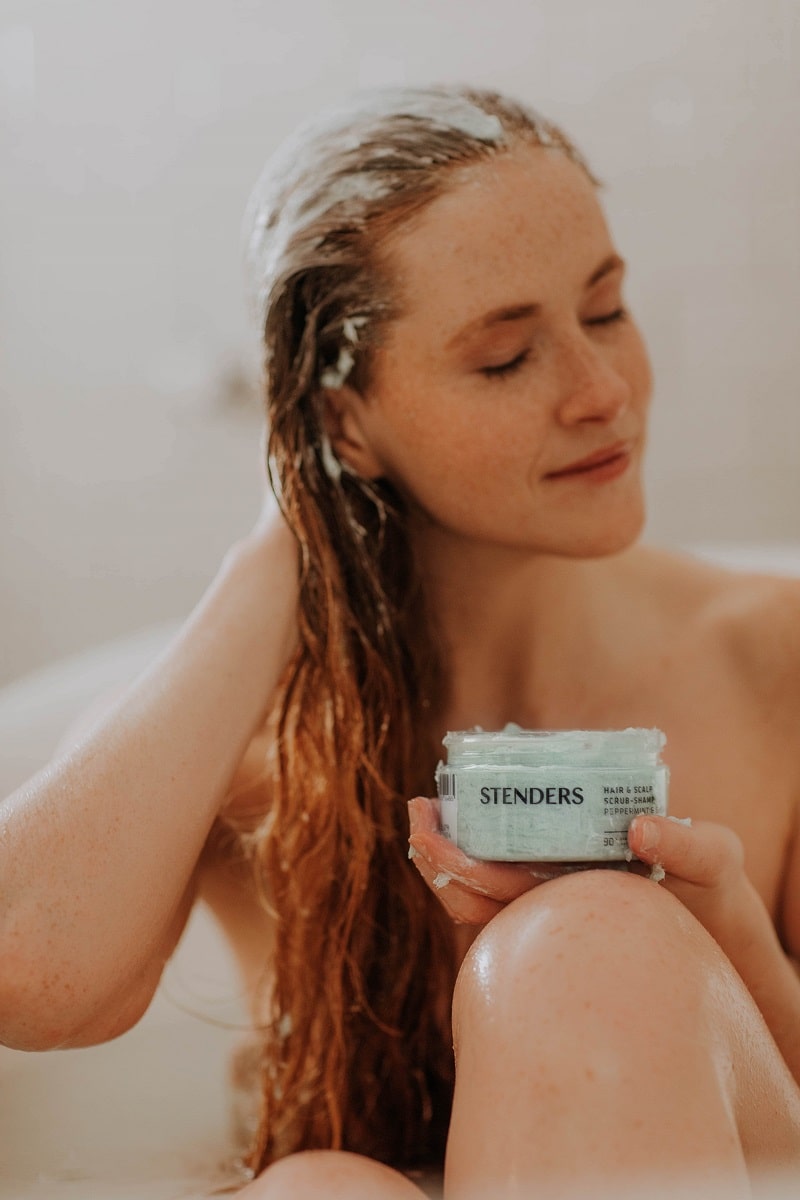
Shampoo removes sweat, oil, dirt, dead skin, and product residue from the scalp. However, harsh washing or very hot water can strip too much natural oil. This may leave the scalp dry and the hair rough.
Choose shampoo based on your scalp rather than only your hair ends. If your scalp is oily, a lightweight cleansing shampoo may help. If your scalp is dry or sensitive, choose a gentle, fragrance-free formula when possible.
How often should you wash? There is no single rule. Consider washing:
• Daily or every other day if your scalp becomes oily quickly, you exercise often, or you use heavy styling products.
• Two or three times per week if your scalp is balanced and your hair is moderately dry.
• Less often if your hair is very curly, coily, dry, or fragile.
Apply shampoo mainly to the scalp. As you rinse, the foam will move through the lengths. This method cleans the hair without rubbing the ends too much.
Do not scratch your scalp with your nails. Use the pads of your fingers and gentle circular motions. A rough scalp massage can cause irritation, especially if you have dandruff, eczema, or small scratches.
Learning how to properly take care of your hair also means knowing when a product is not working. Stop using a shampoo if it causes burning, swelling, severe itching, or a rash.

Condition and Moisturize Your Hair
Conditioner helps smooth the outer layer of the hair shaft. It can reduce friction, make detangling easier, and lower the risk of breakage. Apply it mainly to the middle and ends unless your scalp is very dry and the product is designed for scalp use.
Leave conditioner on for the time listed on the package. More time does not always mean better results. A rinse-out conditioner may be enough for fine hair, while thick or textured hair may also benefit from a leave-in conditioner.
Use a deep-conditioning treatment when your hair feels dry, stiff, or rough. Once a week may work for damaged hair, but fine hair may need it less often. Heavy treatments can flatten the hair and leave a greasy coating.
Moisture and protein are not the same. Moisturizing products add softness and flexibility. Protein treatments can temporarily strengthen weak-feeling hair. Too much protein may make some hair feel hard, so use these treatments carefully.
A simple way to check your conditioner is to observe your hair after drying. If it feels soft but not greasy, the product is likely suitable. If it feels coated or limp, use less or choose a lighter formula.

Detangle Without Causing Breakage
Wet hair is often more flexible but also more vulnerable to stretching. This is especially true for curly, coily, bleached, and damaged hair. Handle it slowly, and never pull through a large knot.
Use a wide-tooth comb or your fingers. Start at the ends and move upward in small sections. Hold the hair above a knot to reduce tension on the scalp.
For textured hair, apply conditioner or a detangling product before combing. Work in sections and use gentle strokes. A few extra minutes can prevent a great deal of breakage.
Avoid ripping through tangles with a narrow brush. If you prefer a brush, choose one made for your hair type and use it when the hair is partly dry or well-conditioned. Clean the tool often because oil, dust, and product residue can collect on the bristles.
One mistake many people make is brushing from the roots to the ends in one hard motion. I used to do this when rushing in the morning, and the result was more snapping and frizz. Working from the ends upward is slower but much kinder to the hair.
Dry Your Hair Gently
Rubbing wet hair with a rough bath towel creates friction. It can raise the hair’s outer layer and increase frizz or breakage. Instead, gently squeeze out water and blot your hair with a microfiber towel or soft cotton T-shirt.
Air-drying is often the gentlest option, but it is not always practical. If you blow-dry, keep the dryer moving and use a low or medium heat setting. Hold it several inches away from your head rather than pressing it against the hair.
Let your hair dry partly before using a brush. Pulling a brush through soaking-wet hair can create extra tension. For curly hair, use a diffuser on low heat and low airflow to help preserve the curl pattern.
Sleeping with wet hair may increase tangles and friction. It does not automatically cause permanent damage, but it can make fragile hair harder to manage. If you must sleep with damp hair, use a loose style and a smooth pillowcase.

Protect Hair From Heat and Chemicals
Frequent heat styling can weaken the hair’s protein structure. High temperatures may lead to dryness, split ends, rough texture, and breakage. Heat protectants can reduce damage, but they cannot make unlimited heat safe.
Use these habits:
• Apply heat protectant evenly before hot styling.
• Choose the lowest temperature that gives a good result.
• Keep the tool moving instead of holding it in one place.
• Avoid repeated passes over the same section.
• Give your hair heat-free days.
• Do not use a flat iron on wet hair unless the tool is specifically designed for it.
Chemical services also require care. Bleaching, relaxing, perming, and frequent coloring can make hair more porous and fragile. Space services apart when possible, and tell your stylist about past treatments.
Color-treated hair may need a gentle shampoo, less frequent washing, and protection from strong sunlight. Some products can help reduce fading, but no product can fully prevent color change over time.
If your hair feels stretchy when wet, snaps easily, or develops many short broken pieces, reduce chemical and heat services. A professional stylist or dermatologist can help you decide what to do next.
Choose Hairstyles That Reduce Tension
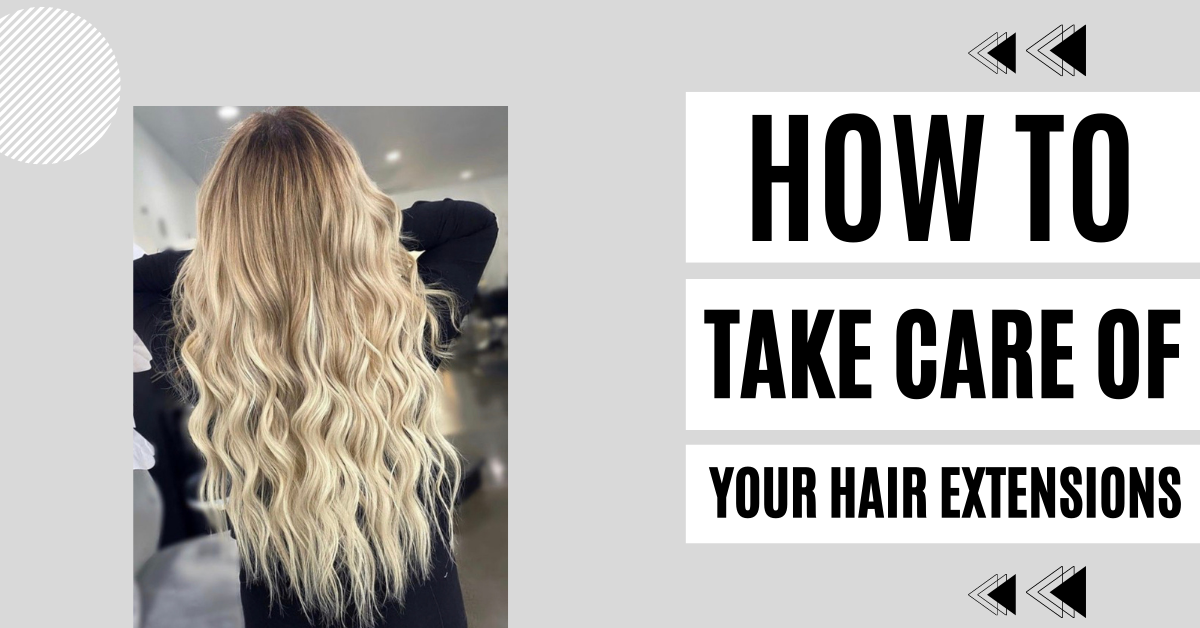
Tight ponytails, buns, braids, extensions, and cornrows can pull on the hair roots. Repeated tension may cause traction alopecia, a type of hair loss linked to pulling. Early signs can include scalp pain, bumps, broken hairs, or thinning near the hairline.
Wear looser styles when possible. Change the position of a ponytail instead of tying it in the same place each day. Use fabric-covered ties rather than tight rubber bands.
Remove extensions or protective styles if they cause pain or a headache. Pain is not a sign that the style is working. It is a warning that the scalp and roots are under stress.
Silk or satin pillowcases may reduce friction for some people. They are not a cure for hair loss, but they can help limit tangling and roughness during sleep. A loose braid or gentle wrap may also protect long hair overnight.
How to properly take care of your hair includes protecting it from tension, not only choosing the right shampoo. A beautiful style should not leave your scalp sore.

Care for Different Hair Types
Different textures need different methods. The goal is not to change your natural pattern. The goal is to keep the scalp clean and the hair flexible, strong, and easy to manage.
Straight hair
Straight hair may show oil quickly because sebum can travel down the hair shaft with ease. Use lightweight conditioner on the ends and avoid applying heavy oils near the scalp.
Wavy hair
Wavy hair can become frizzy when brushed dry. Use a light leave-in product, scrunch gently, and avoid heavy creams that flatten the wave pattern.
Curly hair
Curly hair often needs more moisture because its shape makes it harder for natural oils to travel from the scalp to the ends. Detangle with conditioner, use a gentle cleanser, and avoid rough towel drying.
Coily hair
Coily hair can be fragile and prone to dryness. Work in sections, use enough slip during detangling, moisturize the ends, and avoid tight styles that pull on the roots.
Fine or thin hair
Fine hair can become weighed down by oils and rich masks. Use small amounts of product and focus conditioner on the ends. Avoid teasing, harsh brushing, and repeated high-heat styling.
Thick hair
Thick hair may need sectioning during washing and styling. Make sure shampoo reaches the scalp and conditioner reaches the inner layers, not only the surface.
Regardless of texture, learning how to properly take care of your hair means respecting its natural needs instead of forcing it into one routine.

Support Hair Health Through Daily Habits
Hair care products matter, but daily health habits also play a role. Hair is made mostly of a protein called keratin. A balanced diet supports the body’s ability to produce healthy hair, skin, and nails.
Include varied sources of protein, iron, zinc, healthy fats, fruits, vegetables, and whole grains. Drink enough fluids for your body and climate. Severe dieting or rapid weight loss can trigger temporary shedding in some people.
Do not take high-dose hair supplements without medical advice. Too much of certain nutrients can cause side effects and may even worsen hair loss. Blood tests can help identify deficiencies when shedding is unusual or persistent.
Stress, illness, hormonal changes, pregnancy, thyroid problems, and some medicines can affect the hair growth cycle. These causes are not fixed by changing shampoo alone. A healthcare professional can help identify the real reason.
Protect your scalp from strong sunlight with a hat or a scalp-safe sunscreen, especially if your hair is thin or your scalp is exposed. Also avoid smoking, since it can affect overall circulation and health.
Recognize Scalp Problems and Hair Loss
A healthy scalp may have occasional flakes or mild oil, but persistent symptoms deserve attention. See a dermatologist if you have severe itching, painful bumps, thick scales, bleeding, bald patches, or sudden hair loss.
Dandruff often causes flakes and itching. It may be linked to oil, yeast, irritation, or skin conditions. Anti-dandruff shampoos with ingredients such as ketoconazole, selenium sulfide, zinc pyrithione, or salicylic acid may help, but follow the label and stop if irritation develops.
Hair shedding is normal to a degree. Many people lose some hair each day as part of the natural growth cycle. Sudden or heavy shedding, widening parts, or visible scalp should not be ignored.
Take clear photos if you notice changes. Record when the problem began, recent illness, diet changes, new medicines, and chemical services. This information can help a healthcare professional assess the cause.
The most important part of how to properly take care of your hair is knowing when home care is not enough. Early advice may prevent a small concern from becoming a larger one.
Common Hair Care Mistakes to Avoid
Some habits seem harmless but create long-term stress for the hair. Avoid these common mistakes:
• Washing with very hot water.
• Scratching the scalp with fingernails.
• Applying shampoo harshly to the ends.
• Skipping conditioner because hair feels oily.
• Brushing aggressively through knots.
• Using high heat every day.
• Wearing tight hairstyles for long periods.
• Sleeping with heavy product buildup.
• Cutting split ends with dull household scissors.
• Using someone else’s prescription scalp treatment.
Split ends cannot be repaired permanently. Conditioners and serums can make them look smoother for a short time, but trimming is the only way to remove the split section.
Do not judge a product after one use unless it causes an obvious reaction. Hair often needs a few washes to show whether a routine is helping. At the same time, do not continue a product that causes burning, swelling, or worsening irritation.
When to See a Professional
A stylist can help with shape, texture, color, and damage control. A dermatologist can evaluate scalp disease, persistent dandruff, unexplained breakage, or hair loss.
Ask for clear instructions when receiving a chemical service. Find out how often the service should be repeated, which products to use at home, and what warning signs to watch for.
Be honest about your hair history. Mention bleach, relaxers, keratin treatments, extensions, medications, and recent illness. Accurate details help professionals give safer advice.
There is no universal perfect routine. Even expert recommendations have limits because hair responds differently across people and over time. Treat professional advice as a guide, then observe how your own scalp and hair respond.
Frequently Asked Questions About How to Properly Take Care of Your Hair
How often should I wash my hair?
Wash based on how oily, dirty, or sweaty your scalp becomes. Fine or oily hair may need frequent washing, while dry, curly, or coily hair may need less frequent washing.
Is it bad to wash your hair every day?
Daily washing is not automatically harmful if you use a gentle shampoo and your scalp needs it. Problems are more likely when shampoo is harsh, water is very hot, or the hair is scrubbed and dried roughly.
Should I brush my hair when it is wet?
Wet hair can stretch and break more easily. Use your fingers or a wide-tooth comb, apply conditioner or detangler, and work from the ends toward the roots.
How can I prevent split ends?
Limit heat and chemical treatments, use conditioner, detangle gently, and trim damaged ends. Products may smooth the look of split ends, but they cannot permanently join them back together.
Does cutting hair make it grow faster?
No. Hair grows from follicles in the scalp, so trimming does not speed up the growth rate. Regular trims can remove split ends and help the hair look fuller and healthier.
What is the best way to dry hair?
Blot hair with a soft towel or T-shirt instead of rubbing it. Air-dry when practical, or use a blow-dryer on low or medium heat with a heat protectant.
Can diet affect hair health?
Yes. The body needs enough energy, protein, iron, zinc, and other nutrients to support normal hair growth. Avoid high-dose supplements unless a healthcare professional recommends them.
Conclusion
How to properly take care of your hair comes down to gentle, consistent habits. Clean your scalp as needed, condition the lengths, detangle with care, limit heat and chemical stress, and avoid hairstyles that pull.
Pay attention to changes in texture, shedding, and scalp comfort. Your hair does not need a costly routine to look healthy. It needs the right routine repeated with patience.
Start with one improvement today, such as lowering your styling temperature or changing how you detangle. Keep learning about your hair type, explore trusted resources, and share your own care tips in the comments.
