Moisture-first, gentle care, and protective styling are the core of healthy 4C hair.
I’ve worked with many clients and cared for my own 4C hair for years, so I know what works and what wastes time. This guide explains how to take care of 4C hair step by step: what the hair needs, simple daily routines, deep treatments, product choices, detangling and trimming tips, and mistakes to avoid. Read on for practical, tested advice you can start using today to keep your 4C hair strong, moisturized, and thriving.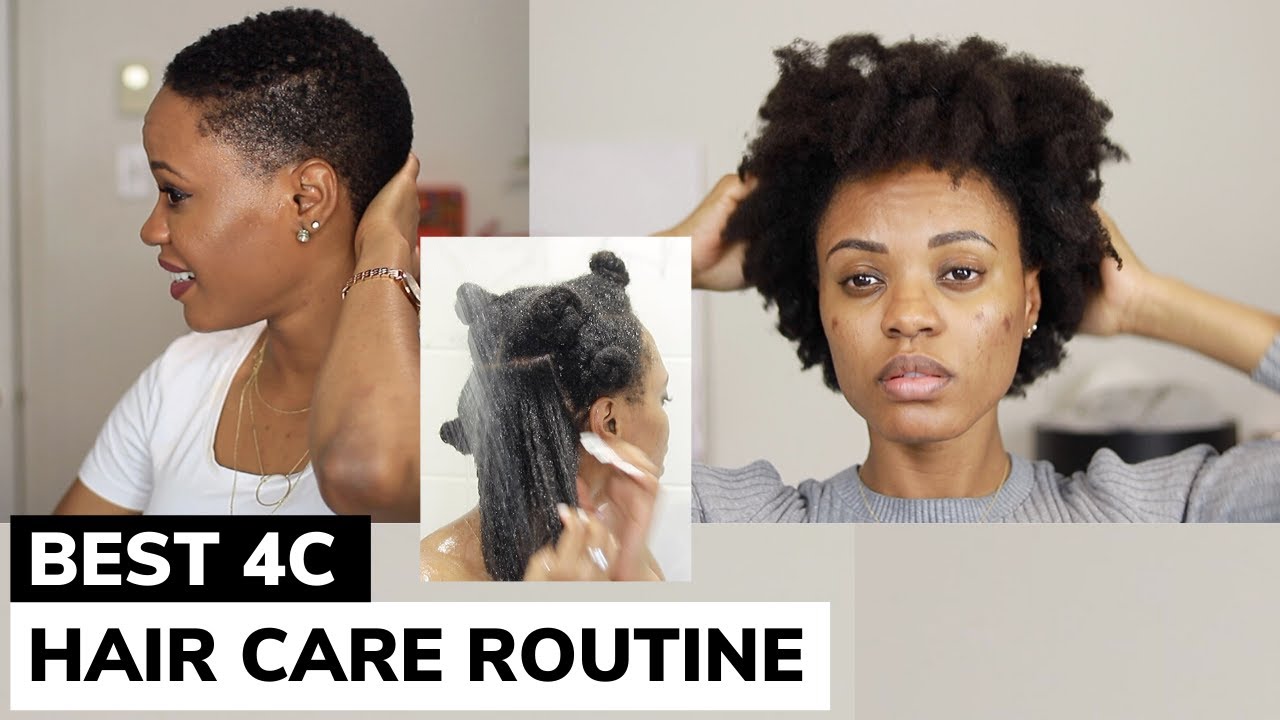
Understanding 4C hair: what it is and what it needs
4C hair is the tightest curl pattern in the 4 hair family. Strands form very tight coils that may appear fine but are often fragile. This hair type shrinks a lot and resists visible curl definition without careful techniques.
4C hair is naturally dry. The tight coils make it hard for scalp oils to travel down the hair shaft. That means moisture and sealing are central to care.
Key traits to know:
- Porosity varies by person, so test it before picking products.
- High shrinkage is normal; stretch when you want to show length.
- Fragility increases with over-manipulation and heat.
Why this matters for how to take care of 4C hair:
- Focus on retention rather than constant growth hacks.
- Gentle handling and consistent moisture keep hair long and healthy.

Source: perfectlocks.com
Daily and weekly routine for healthy 4C hair
A simple routine beats complicated steps you can’t sustain. These basics form the backbone of how to take care of 4C hair.
Daily basics:
- Gentle scalp care: massage with fingertips for 1–3 minutes to boost circulation.
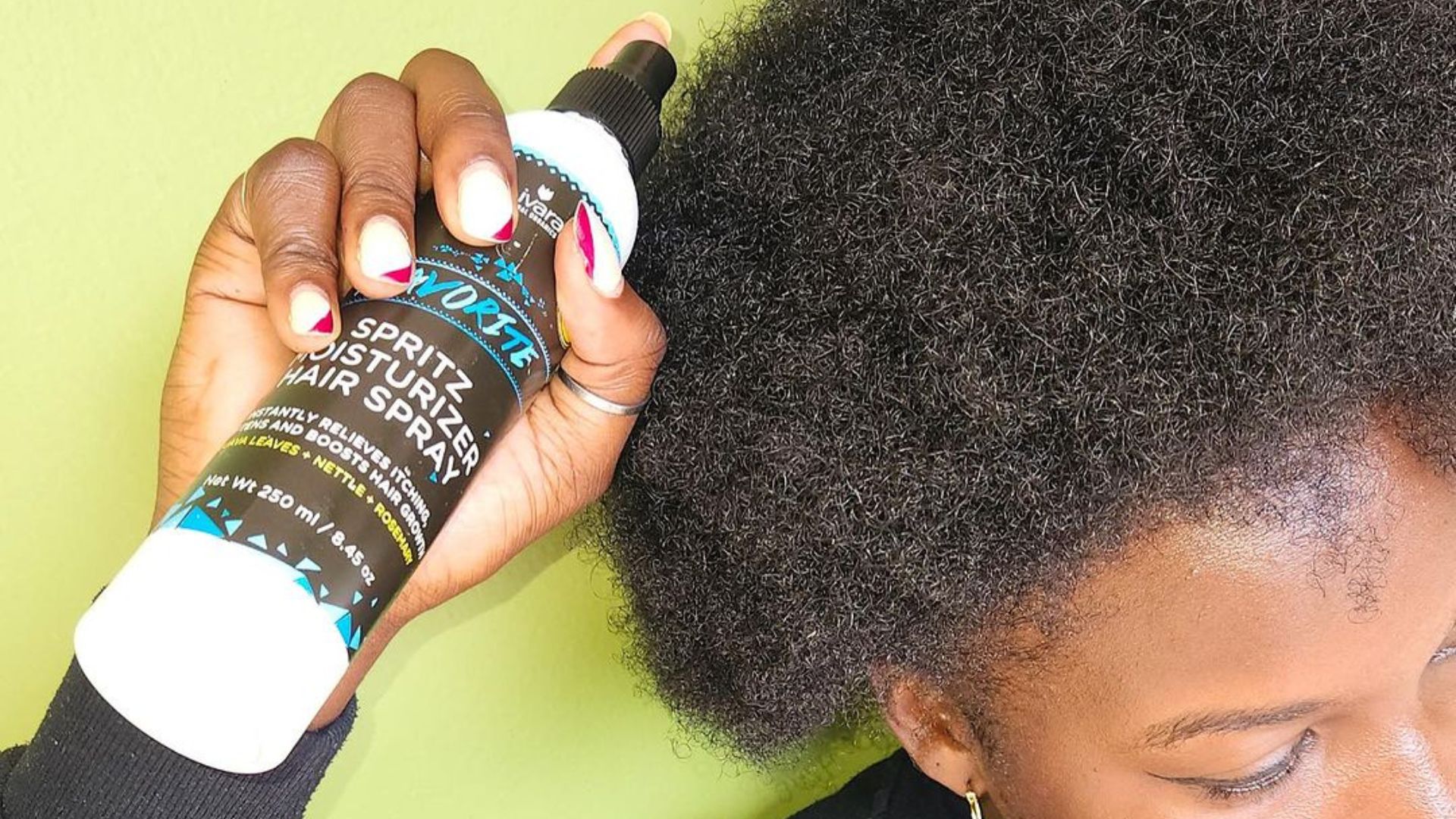
- Moisturize: use a water-based spray or leave-in every other day or as needed.
- Seal: apply a light oil or butter to lock moisture after wetting.
Weekly care:
- Co-wash or gentle shampoo once every 1–2 weeks depending on activity and build-up.
- Condition deeply at least every 1–2 weeks to rebuild and hydrate.
- Low-manipulation styling or protective styles to reduce daily friction and breakage.
Practical tips:
- Use the LOC or LCO method to lock in moisture: leave-in, oil, then cream, or leave-in, cream, then oil.
- Stretch styles (twists, braids, banding) help reduce daily breakage and show length.

Source: patternbeauty.com
How often should I wash 4C hair?
Wash frequency depends on lifestyle and scalp needs. Most people with 4C hair do well with co-washing weekly and shampoo every 1–2 weeks, adjusting for sweat and product build-up.
Can 4C hair be heat-styled safely?
Yes, with caution: use a heat protectant, keep temperatures moderate, and limit frequent heat. Heat can help length retention when used sparingly and correctly.
Deep care: treatments, protein, and restorative routines
Deep care keeps 4C hair resilient. A balanced mix of moisture and protein is essential, but many people overdo protein, which can make hair stiff and brittle.
Deep conditioning:
- Use a rich, penetrating deep conditioner for 20–45 minutes weekly or biweekly.
- Add heat (a steamer or warm towel) to help products penetrate the hair shaft.
Protein balance:
- Test your hair: if strands feel mushy and limp when wet, you may need protein.
- Use a light protein treatment every 6–8 weeks or as needed. Overuse causes dryness.
Scalp treatments:
- Keep the scalp clean and balanced. Use scalp oils sparingly if you have oily buildup.
- Consider a clarifying wash once a month to remove residue.
When to seek extra care:
- Excessive breakage, persistent dryness, or scalp issues may require a stylist or dermatologist.

Source: perfectlocks.com
Styling, protective styles, and nighttime care
Protective styling and smart nighttime care reduce friction and water loss. They are key to how to take care of 4C hair long-term.
Protective styles to try:
- Two-strand twists, flat twists, braids, buns, and wigs with quality caps.
- Low-tension styles that do not pull on the edges.
Night routine:
- Sleep on a satin pillowcase or wear a satin/silk bonnet.
- Re-moisturize lightly at night and retwist or braid loose sections to prevent tangles.
Heat styling rules:
- Use a heat protectant and choose the lowest effective temperature.
- Limit hot tools to special occasions and stretch with heat-free methods when possible.

Source: youtube.com
Products, ingredients, and tools to trust
Knowing ingredients helps you pick products that help rather than harm. This section helps you choose products when learning how to take care of 4C hair.
Ingredients to look for:
- Humectants: glycerin, honey, aloe vera — attract and hold moisture when used properly.
- Emollients: shea butter, coconut oil, jojoba — smooth and soften the hair.
- Light proteins: hydrolyzed proteins in small amounts to strengthen.
- Sulfate-free cleansers and sulfate alternatives to avoid over-drying.
Ingredients to limit:
- High-dose alcohols and strong sulfates that strip natural oils.
- Heavy silicones that build up without proper cleansing.
Tools that help:
- Wide-tooth comb and detangling brush for wet detangling.
- Microfiber towel or cotton T-shirt to blot water.
- Satin bonnet or pillowcase for sleep.
How to read labels fast:
- If the product lists water first, it’s water-based and good for moisturizing.
- Avoid long lists of unknown chemicals when simple natural ingredients work well.
Source: mylivara.com
Common mistakes and how to fix them
Avoiding common errors saves time and hair health. Here are mistakes I see often and how to fix them.
Mistake: Over-washing
- Fix: Co-wash more often and shampoo less. Use clarifying shampoo monthly.
Mistake: Skipping deep conditioning
- Fix: Commit to a deep condition every 1–2 weeks for visible strength and shine.
Mistake: Too much manipulation
- Fix: Choose low-manipulation styles and limit daily styling to reduce breakage.
Mistake: Chasing every new product
- Fix: Test one product at a time for 6–8 weeks. Give your hair time to respond.
Mistake: Using high heat regularly
- Fix: Embrace heat-free stretching methods and save heat for special use only.

Source: perfectlocks.com
Personal experience: what worked for me and common lessons
I have maintained 4C hair through years of trial and error. Here are honest lessons from my journey that show how to take care of 4C hair.
What worked best:
- Consistent moisturizing twice weekly and sealing with oil improved elasticity.
- Protective styles reduced breakage and made trims less painful.
- A weekly deep conditioner transformed brittle sections into manageable hair.
Mistakes I made:
- I once overused protein treatments and made my hair feel straw-like.
- I trusted expensive products blindly instead of testing ingredients first.
Practical routine I use now:
- Co-wash weekly, shampoo every two weeks.
- Leave-in and LOC method after wash day.
- Protective styles for 2–8 weeks with gentle edge care.
- Deep condition with heat every two weeks and a light protein every six weeks.
These practices are simple and repeatable for anyone learning how to take care of 4C hair.
Safe detangling and trimming for long-term health
Detangling and trims preserve ends and prevent breakage. Do them right and you’ll avoid frustration.
Detangling steps:
- Work in small sections with the hair wet and conditioned.
- Use fingers first, then a wide-tooth comb from ends upward to the roots.
- Be patient and gentle; pull breaks the shaft.
Trimming guidance:
- Trim every 8–12 weeks if you are retaining length.
- Focus on splitting ends and remove only what is necessary.
- Consider dusting (small trims of split ends) for minimal length loss.
Tools for success:
- Sharp hair shears for clean cuts.
- Good lighting and a mirror, or trust a trained stylist if unsure.
Frequently Asked Questions of how to take care of 4c hair
How often should I moisturize 4C hair?
Moisturize as needed—many find every 2–3 days works well. Use a water-based spray and seal with oil to retain moisture.
Can I use regular shampoos on 4C hair?
You can, but choose sulfate-free or gentle cleansers to avoid stripping oils. Clarify monthly if you use heavier products.
Is low manipulation really necessary for length retention?
Yes. Low manipulation reduces breakage from friction and pulling, which helps you keep length. Protective styles help a lot.
Will protein treatments damage my 4C hair?
Protein is helpful in small amounts to strengthen hair, but too much makes hair stiff and brittle. Use protein treatments sparingly and balance with moisture.
How do I prevent breakage at the edges?
Avoid tight styles, reduce tension, and moisturize edges regularly. Use soft scarves and gentle edge care to protect fragile areas.
Can 4C hair be heat-stretched without damage?
Yes, when you use a heat protectant and moderate heat. Limit frequency and follow with deep conditioning to maintain strength.
Conclusion
Caring for 4C hair is a steady mix of moisture, gentle handling, and smart product choices. Keep routines simple, test products slowly, and protect your hair with low-tension styles and regular deep care. Start today by picking one small change—like a weekly deep condition or switching to a satin pillowcase—and stick with it for two months to see real progress. If this guide helped, try a routine for 8 weeks and share your results or questions in the comments.