
You can make simple hair care products at home with safe oils, plant ingredients, clean tools, and careful storage.
Learning how to make your own hair care products can save money and help you control what touches your scalp and hair. The key is to understand each ingredient, match formulas to your hair type, and treat homemade products with the same care as store-bought cosmetics.
This guide explains how to make your own hair care products using simple methods that are practical for beginners. You will learn which ingredients work, which recipes are safest, how to avoid contamination, and when a homemade formula may not be the best choice.

How to make your own hair care products safely
The best way to learn how to make your own hair care products is to begin with small, simple formulas. Start with products that contain little or no water, such as scalp oils, hair masks, and whipped shea butter. These products are easier to make and less likely to grow harmful bacteria when stored well.
Water-based products need more care. Water creates an ideal setting for bacteria, yeast, and mold. A homemade spray made with water, aloe vera, or herbal tea can spoil quickly, even when it looks and smells fine.
Before you begin, gather:
• Clean glass or plastic containers with lids
• Measuring spoons or a small digital scale
• A heat-safe bowl
• A clean whisk, spatula, or hand mixer
• Labels and a marker
• Disposable gloves, if you have sensitive skin or open cuts
Wash your tools with hot, soapy water. Let them dry fully before use. You can also wipe them with 70% rubbing alcohol, then allow the alcohol to evaporate.
A good beginner rule is simple: make small batches, write down every ingredient, and use clean hands each time. This habit makes it easier to track results and find the cause if your scalp becomes irritated.
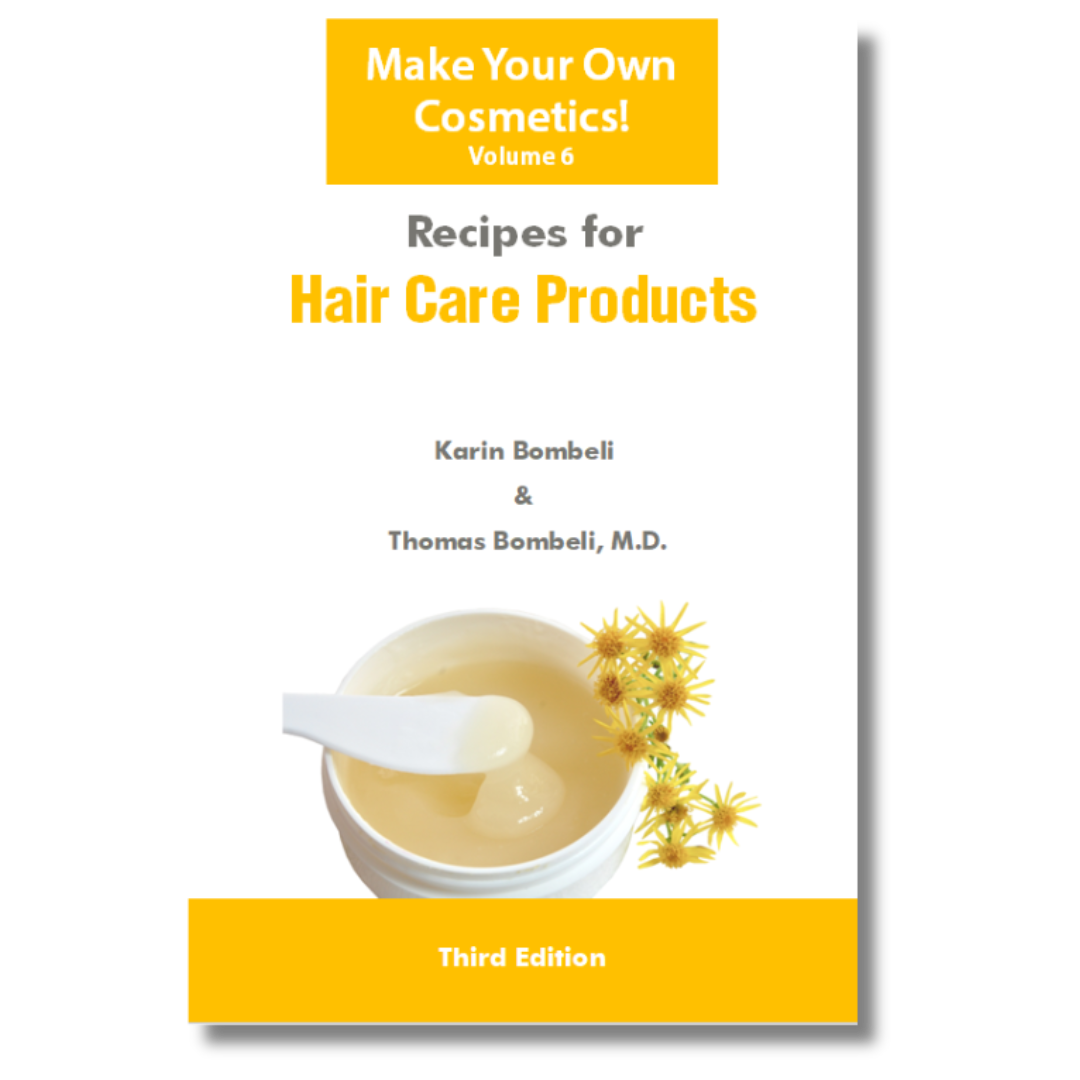
Basic ingredients for homemade hair care products
Knowing how to make your own hair care products starts with knowing what each ingredient does. Natural does not always mean gentle, and a long ingredient list does not always mean a better product.
Carrier oils
Carrier oils soften the hair and help reduce friction during styling. Common choices include:
• Coconut oil, which can reduce protein loss in some hair types but may feel stiff or heavy on fine hair
• Jojoba oil, which is lightweight and often works well on the scalp and hair ends
• Argan oil, which adds slip and shine without a very greasy feel
• Olive oil, which is rich and useful for thick, dry hair but may weigh down fine strands
• Sweet almond oil, which feels smooth and light but should be avoided by people with nut allergies
Oil does not add water to dry hair. It mainly helps seal in existing moisture and reduce roughness. For this reason, apply a small amount to damp hair or use it after a water-based product.
Butters and waxes
Shea butter, mango butter, and cocoa butter can add softness and reduce moisture loss. They work well in hair creams, pomades, and protective styling products.
Beeswax adds hold, but it can build up if you use too much. Candelilla wax is a plant-based option, though it is harder and usually needs a smaller amount.
Humectants
Humectants attract water. Glycerin and honey are common examples. They can help hair feel soft in moderate humidity, but they may make hair feel sticky or frizzy in very dry or very humid weather.
Cleansing ingredients
True shampoo requires a surfactant. A surfactant lifts oil and dirt so water can rinse them away. Mild options include decyl glucoside, coco glucoside, and sodium cocoyl isethionate.
Soap is not the same as shampoo. Traditional soap has a high pH and may leave hair rough, tangled, or coated. Hair and scalp usually do better with a mildly acidic product.
Conditioning ingredients
Conditioners often use ingredients such as behentrimonium methosulfate, fatty alcohols, panthenol, and hydrolyzed proteins. These ingredients can improve slip and reduce tangles.
Formulating a stable conditioner is more complex than mixing oil and water. Beginners should use a tested cosmetic base rather than trying to create a preservative system from scratch.

How to make your own hair care products with easy recipes
These simple formulas show how to make your own hair care products without advanced equipment. Always do a patch test before applying a new product to your scalp or skin.
Lightweight pre-shampoo oil
This treatment may help reduce friction during washing. It can be useful for thick, curly, or dry hair.
Ingredients:
• 1 tablespoon jojoba oil
• 1 tablespoon coconut oil
• 1 teaspoon argan oil
Method:
Mix the oils in a clean bowl.
Apply a small amount to the lengths and ends of dry hair.
Leave it on for 20 to 60 minutes.
Shampoo well, then condition as usual.
Use less oil if your hair is fine. Do not pour oil directly onto the scalp if you are prone to dandruff, folliculitis, or greasy buildup.
Simple shea butter hair balm
This balm works best on dry ends, coils, braids, and protective styles.
Ingredients:
• 2 tablespoons shea butter
• 1 tablespoon jojoba oil
• 1 teaspoon beeswax
Method:
Place the shea butter and beeswax in a heat-safe bowl.
Warm the bowl over a pan of gently simmering water.
Stir until melted.
Remove from heat and mix in the jojoba oil.
Pour into a clean container and let it cool.
Apply a tiny amount to damp ends. If your hair feels coated, use less or switch to a lighter oil.
Fresh aloe and conditioner mask
Fresh aloe mixtures contain water, so they should be made for one use only.
Ingredients:
• 1 tablespoon pure aloe vera gel
• 1 tablespoon plain, fragrance-free conditioner
• 1 teaspoon jojoba oil
Method:
Mix the ingredients in a clean bowl.
Apply the mixture to damp hair.
Leave it on for 10 to 15 minutes.
Rinse well.
Do not store leftovers. Fresh plant material can carry microbes, and homemade water-based products do not have a reliable preservation system.
Rosemary scalp rinse
Herbal rinses are popular, but they are not magic hair growth treatments. They may make the scalp feel fresh, but strong claims about hair regrowth need better evidence.
Ingredients:
• 1 teaspoon dried rosemary
• 1 cup boiling water
Method:
Pour the water over the rosemary.
Cover and steep for 15 to 20 minutes.
Strain the liquid and let it cool fully.
Apply it to the scalp after shampooing.
Use the rinse within 24 hours if kept in the refrigerator. Discard it sooner if the smell, color, or texture changes. Stop using it if you develop itching or redness.

How to make your own hair care products for different hair types
Hair type affects how a product feels and performs. Porosity, strand thickness, curl pattern, chemical treatments, and scalp condition all matter.
Fine or oily hair
Fine hair can become limp with heavy butter and oil. Choose light ingredients and use small amounts.
Good options include:
• Jojoba oil
• Aloe gel used fresh
• Lightweight commercial conditioner bases
• Diluted styling products
Apply products from the middle of the hair to the ends. Avoid coating the scalp unless the formula is designed for it.
Thick, curly, or coily hair
Thick and textured hair often benefits from products that improve slip and reduce friction. Shea butter, plant oils, and creamy conditioners may work well.
Try layering products in this order:
Water or a water-based leave-in product
Cream or conditioner
A small amount of oil or butter
This method is often called the liquid, cream, and oil method. It is not a strict rule. Adjust it based on how your hair feels.
Dry or damaged hair
Dry hair needs gentle handling more than a strong recipe. Limit hot tools, reduce harsh brushing, and use a conditioner that improves detangling.
Protein treatments may help some damaged hair feel stronger. Too much protein can make hair feel hard or brittle, so use protein products carefully and stop if the hair becomes stiff.
Color-treated or chemically processed hair
Chemically treated hair is more fragile. Avoid rough scrubbing, high heat, and harsh homemade cleansers. A mild, pH-balanced shampoo and a tested conditioner are usually safer than a kitchen-made soap mixture.
Sensitive scalp
A sensitive scalp may react to fragrance, essential oils, spices, and botanical extracts. Keep formulas simple and fragrance-free.
Do not use essential oils undiluted. Even diluted essential oils can cause allergic contact dermatitis in some people. Avoid them completely if you have a known reaction or are unsure about their safety.

How to make your own hair care products with safe preservation
Preservation is one of the most important parts of learning how to make your own hair care products. A product can look clean while carrying harmful microbes.
Oil-only products
Pure oil blends do not support bacterial growth in the same way water-based products do. However, oils can become rancid when exposed to heat, air, or light.
Store oil products in a cool, dark place. Use a pump or dropper when possible. Discard the product if it develops an unpleasant smell or changes in texture.
Water-based products
Products containing water, aloe, tea, hydrosols, or fresh fruit need a broad-spectrum preservative. The preservative must match the product’s pH and formula.
Kitchen ingredients such as vitamin E, grapefruit seed extract, salt, and essential oils are not reliable preservatives. Vitamin E can slow oil oxidation, but it does not protect a water-based product from bacteria or mold.
For beginners, the safest choices are:
• Make a single-use product
• Refrigerate it for a short period
• Use a ready-made, preserved cosmetic base
• Learn proper cosmetic preservation before making larger batches
A refrigerator slows microbial growth but does not make an unpreserved product safe forever. When in doubt, throw it out.
Label every product
Write the following on each container:
• Product name
• Ingredients
• Date made
• Suggested use
• Any known allergens
Clear labels prevent mistakes and help you identify what caused a reaction.

Common mistakes when making homemade hair products
Many problems come from using too much product or skipping basic hygiene. Here are common errors to avoid when learning how to make your own hair care products.
• Using too many ingredients at once: A simple formula makes it easier to see what helps or causes irritation.
• Applying oil to a dirty scalp: Oil can trap sweat, flakes, and styling residue.
• Using lemon juice or baking soda: These ingredients can disrupt the scalp’s natural pH and cause dryness or irritation.
• Adding undiluted essential oils: Essential oils are concentrated and can burn or sensitize skin.
• Storing fresh mixtures for weeks: Water-based homemade products can spoil without visible signs.
• Making large batches: A small batch reduces waste and lowers your risk.
• Assuming natural means safe: Poison ivy is natural, but that does not make it suitable for skin.
• Ignoring hair texture: A rich butter that works for coarse curls may make fine hair flat.
• Expecting instant growth: Hair grows from the follicle, and no kitchen recipe can guarantee rapid growth.
A useful hands-on lesson is to change only one part of your routine at a time. If you add a new oil, mask, shampoo, and supplement together, you will not know which change helped or caused trouble.

How to make your own hair care products part of a healthy routine
A homemade product works best when it supports good daily habits. It cannot repair every type of damage or treat a medical scalp condition.
Wash as often as your scalp needs. Oily scalps may need frequent washing, while dry or tightly coiled hair may need less frequent cleansing. There is no universal wash schedule.
Use a wide-tooth comb on wet, conditioned hair. Start at the ends and move upward. This reduces pulling and breakage.
Protect hair from heat. Apply a tested heat protectant before blow-drying, curling, or straightening. Homemade oils do not replace a proven heat protectant.
Sleep with a satin or silk scarf, bonnet, or pillowcase if it helps reduce friction. Keep styles comfortable, too. Tight braids, ponytails, and extensions can contribute to traction alopecia.
See a dermatologist for sudden shedding, bald patches, scalp pain, severe itching, sores, or heavy flaking. Homemade products should support care, not delay medical treatment.
How to test homemade hair care products
Patch testing can lower the chance of a serious reaction, although it cannot guarantee complete safety.
Apply a small amount of the product to the inner forearm or behind the ear. Leave it alone and watch the area for 24 to 48 hours. Do not use the product if you notice burning, swelling, rash, or intense itching.
For scalp products, test a small area first. Avoid testing during a flare-up, after scratching, or on broken skin.
Keep a simple product journal. Record:
• The recipe
• The amount used
• Your hair condition
• How long you left it on
• Any changes after use
This record turns trial and error into a more useful process. It also helps you repeat successful formulas.

Frequently asked questions about how to make your own hair care products
Is it cheaper to make your own hair care products?
It can be cheaper when you make simple products such as oil blends or fresh masks. However, preservatives, pH strips, packaging, and cosmetic ingredients can cost more at first.
What is the easiest homemade hair product for beginners?
A small oil blend is one of the easiest options because it does not contain water. Start with a light oil, use a small amount, and store it in a clean, dark container.
Can homemade hair products make hair grow faster?
No homemade product can guarantee faster hair growth. Healthy hair care may reduce breakage, while unexplained hair loss should be assessed by a qualified medical professional.
How long do homemade hair products last?
Oil-only products may last for several months if stored well, but their shelf life depends on the oils used and exposure to air and heat. Water-based products without a tested preservative should be used immediately or discarded within a very short time.
Are essential oils safe for homemade hair products?
Essential oils can irritate or sensitize the scalp, especially when used undiluted. If you use one, follow a reliable dilution guide, avoid the eyes, and stop immediately if irritation occurs.
Can I use baking soda as homemade shampoo?
Baking soda is alkaline and may leave hair dry, rough, or brittle. It can also irritate the scalp, so it is not a good routine shampoo for most people.
Should I make homemade shampoo or conditioner?
Homemade shampoo and conditioner are harder to formulate safely because they need the right surfactants, conditioning agents, pH, and preservation. Beginners are usually better off customizing a tested cosmetic base or making simple oil-based products.
Conclusion
Learning how to make your own hair care products can be simple and rewarding when you begin with safe, small formulas. Use clean tools, choose ingredients based on your hair and scalp, avoid risky kitchen ingredients, and treat every water-based product as highly perishable.
Start with one product, such as a light pre-shampoo oil or a single-use hair mask. Test it slowly, track the results, and adjust one ingredient at a time. With patience and good hygiene, you can build a practical homemade hair care routine that fits your needs.
Try a simple recipe this week, keep notes on your results, and share your experience with others who want to learn how to make your own hair care products.
