
Wash greasy hair gently, control product buildup, and adjust your routine to your scalp’s oil needs.
Greasy hair often comes from excess sebum, product buildup, sweat, or a routine that does not match your scalp. Knowing how to care for greasy hair means finding the right balance: clean the scalp well without stripping it, then protect the lengths from dryness. This guide explains the causes, best washing methods, useful products, common mistakes, and when to see a dermatologist.

What causes greasy hair?
Greasy hair develops when the scalp produces more sebum than the hair can absorb or spread. Sebum is a natural oil made by the sebaceous glands. It helps protect the scalp and hair, but too much can make hair look flat, heavy, or unwashed.
Your hair type also affects how visible oil looks. Straight, fine hair often appears greasy faster because oil can travel down the hair shaft with ease. Curly or coily hair may stay fresher at the roots while the ends remain dry.
Common causes of greasy hair include:
• Natural oil production, which may be influenced by genetics, hormones, age, and stress.
• Frequent touching, which moves oil from your hands to your roots.
• Heavy styling products, such as waxes, oils, pomades, and thick creams.
• Sweat from exercise, hot weather, hats, or helmets.
• Infrequent cleansing, which allows oil, dead skin, and residue to build up.
• Overwashing with harsh products, which can irritate the scalp and make the hair feel dry or rough.
• Hormonal changes during puberty, pregnancy, menstruation, or other health conditions.
Greasy hair does not mean your scalp is dirty. Oil is a normal part of scalp health. The goal is not to remove every trace of oil, but to keep the scalp clean and comfortable without causing irritation.
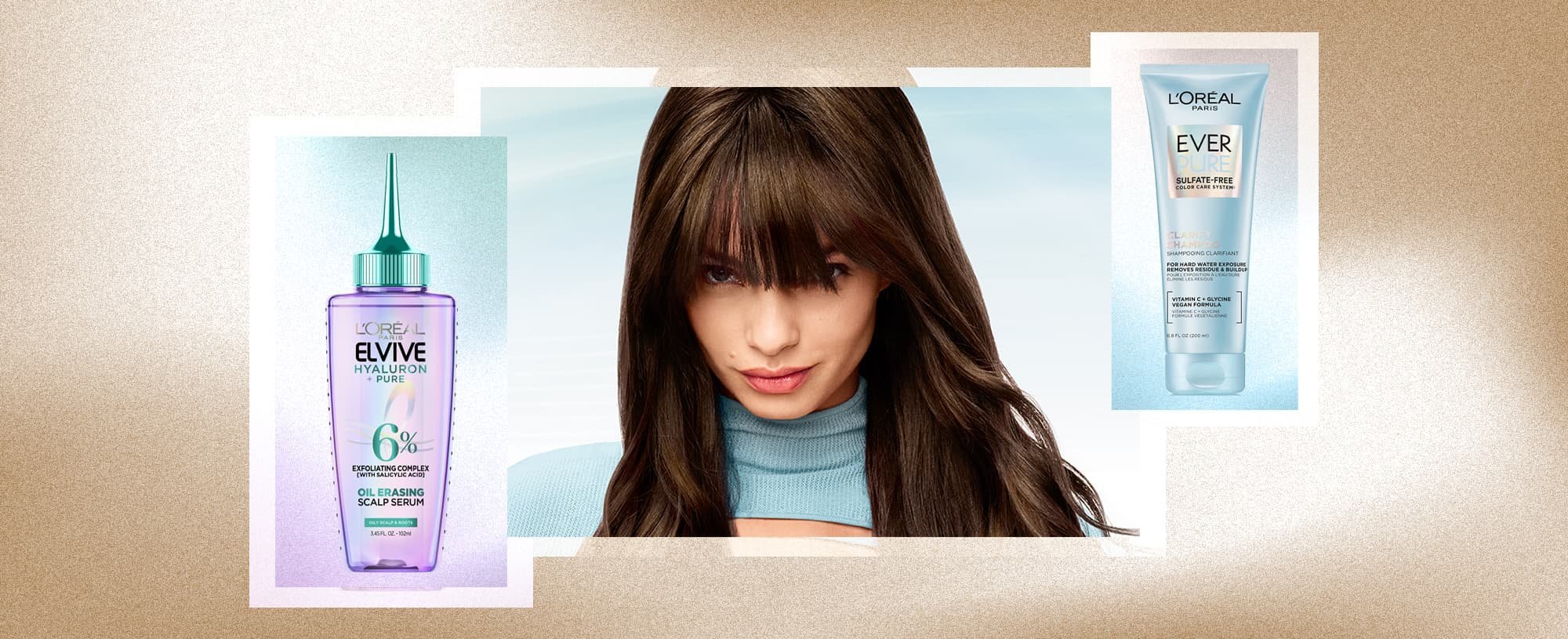
How to care for greasy hair with the right washing routine
A good wash routine is the foundation of how to care for greasy hair. Focus shampoo on the scalp, where oil is produced, rather than scrubbing the full length of the hair.
Follow these steps:
Wet your hair fully with lukewarm water. Very hot water may worsen dryness and scalp irritation.
Apply a small amount of shampoo to your fingertips, not directly in a large pool on one spot.
Massage the shampoo into your scalp for about 30 to 60 seconds. Use the pads of your fingers, not your nails.
Rinse well. Leftover shampoo can mix with oil and create a heavy, itchy feeling.
Shampoo a second time if your hair is very oily, sweaty, or covered with styling products.
Apply conditioner from the middle of your hair to the ends. Keep it away from the roots when possible.
Rinse until your hair feels clean but not squeaky or rough.
A double cleanse can help after exercise, swimming, or heavy product use. However, you may not need it every day. If your scalp feels tight, sore, or flaky after washing, reduce the cleansing strength or ask a dermatologist for advice.
In practical routine reviews, one common mistake stands out: people scrub harder when their hair looks oily. More force does not remove oil more effectively. It can create friction, breakage, and scalp discomfort instead.

How often should you wash greasy hair?
There is no single washing schedule for everyone. People with fine, straight hair and a very oily scalp may need to shampoo daily. Others may be comfortable washing every other day or a few times each week.
Use your scalp as your guide. If your roots look oily, feel itchy, or smell sweaty, it is reasonable to wash. If your hair feels clean and your scalp feels calm, you do not need to delay washing just to follow a fixed rule.
Daily shampooing is not automatically harmful. A gentle shampoo used correctly can support scalp hygiene. Problems are more likely when you use a harsh cleanser, scrub aggressively, or apply too much heat during styling.
Try this simple approach:
• Wash daily if your scalp becomes oily within 24 hours.
• Wash every other day if your roots stay fresh for about two days.
• Wash after heavy exercise or swimming when sweat, chlorine, or salt remains on the scalp.
• Adjust your schedule during hot, humid weather.
• Reassess your routine if you develop itching, redness, flakes, or increased breakage.
The best schedule for how to care for greasy hair is the one that keeps your scalp clean and comfortable while preserving the condition of your lengths.

Choose shampoo and conditioner for oily roots
Product choice matters, but labels can sometimes be confusing. Look for lightweight formulas that clean well without leaving a thick coating.
Useful shampoo terms may include:
• Clarifying shampoo, for occasional removal of buildup.
• Balancing shampoo, for oily roots and normal-to-dry lengths.
• Volumizing shampoo, which often uses lighter conditioning ingredients.
• Shampoo with salicylic acid, which may help loosen oil and dead skin.
• Shampoo with zinc pyrithione or ketoconazole, when dandruff or seborrheic dermatitis is present and the product is appropriate for your symptoms.
Salicylic acid can help exfoliate the scalp, but it may feel drying or irritating for some people. Medicated shampoos should be used according to the product directions or a clinician’s advice.
Choose conditioner based on your hair ends, not only your scalp. Fine hair may need a light spray conditioner. Thick, curly, or chemically treated hair may need more moisture, but apply it mainly from the mid-lengths down.
Avoid assuming that “natural” means gentle or oil-free. Coconut oil, olive oil, shea butter, and some botanical oils can weigh down fine hair. They may work well for dry ends but not for oily roots.
A useful test is to change one product at a time. This makes it easier to identify what helps and what causes heaviness.

Use clarifying shampoo carefully
Clarifying shampoo is designed to remove residue from styling products, dry shampoo, hard water minerals, sweat, and excess oil. It can make greasy hair feel lighter and cleaner.
However, clarifying shampoo is not always the best daily cleanser. Frequent use may leave the scalp dry or irritated, especially if the formula contains strong surfactants.
Use it when:
• Your hair feels coated even after washing.
• Your roots look dull and heavy.
• You use hairspray, gel, wax, or dry shampoo often.
• You swim regularly.
• You live in an area with hard water.
For many people, once every one to four weeks is enough. Fine hair with heavy buildup may need it more often, while dry, curly, or color-treated hair may need it less often.
Follow clarifying shampoo with a light conditioner on the ends. If your hair feels rough afterward, use it less often or switch to a gentler cleansing shampoo.

Manage dry shampoo and styling products
Dry shampoo can be helpful between washes, but it does not truly clean the scalp. It absorbs some oil and adds texture. Sweat, dead skin, pollution, and product residue still remain.
For better results:
• Apply dry shampoo to dry roots, not wet hair.
• Use a small amount and wait a few minutes.
• Massage or brush it through gently.
• Avoid spraying the same area repeatedly for many days.
• Wash your scalp when it feels itchy, tender, or coated.
Too much dry shampoo may cause buildup or irritation. It can also hide symptoms of dandruff or another scalp condition.
Styling products can add to greasy hair as well. Use waxes, oils, pomades, and silicone-rich creams sparingly if your roots become oily quickly. Apply them to the ends when possible.
Clean brushes and combs regularly. Oil, shed skin, dust, and product residue can move back onto freshly washed hair. Wash brushes with warm water and mild soap, then let them dry fully before use.
Pillowcases can also collect oil and styling residue. Changing them regularly may help your hair feel fresher, although pillowcase changes alone will not solve excess sebum production.

Habits that make greasy hair worse
Some well-meant habits can increase oiliness or make it more noticeable. Avoid these common mistakes when learning how to care for greasy hair.
Washing with very hot water
Hot water can remove surface oil quickly, but it may leave the scalp dry and sensitive. Use lukewarm water instead.
Scrubbing with your nails
Nails can create tiny scratches and worsen irritation. Use gentle finger pads and steady pressure.
Brushing too often
Brushing spreads oil from the roots through the hair. It can also create friction and breakage. Brush only as much as needed to style or detangle.
Applying conditioner at the roots
Conditioner near the scalp can flatten fine hair and make roots look oily sooner. Keep it on the lengths and ends.
Touching your hair all day
Hands carry natural oils, sweat, lotion, and dirt. Frequent touching can make clean hair look greasy within hours.
Sleeping with wet hair
Wet hair is more fragile and can become tangled or flattened overnight. Let it dry before bed when practical.
Using harsh home remedies
Lemon juice, baking soda, undiluted vinegar, and strong alcohol-based products may irritate the scalp. They are not reliable treatments for excess sebum.
When I assess a hair routine, the biggest improvement often comes from removing one heavy product rather than adding five new ones. Simpler routines are easier to manage and easier to troubleshoot.

How to care for greasy hair while protecting dry ends
Oily roots and dry ends can occur at the same time. This is common when the scalp produces oil but the hair length is porous, curly, bleached, heat-damaged, or exposed to sun and wind.
Use a split routine:
• Clean the scalp well with shampoo.
• Let the foam pass through the lengths without rough scrubbing.
• Apply conditioner to the mid-lengths and ends.
• Use a small amount of leave-in conditioner on dry ends.
• Limit flat irons, curling irons, and very hot blow-drying.
• Trim split ends when they become difficult to manage.
You can also wash your scalp more often while using a gentle conditioner on the ends. Washing less often is not always the answer, especially if your roots become oily and your ends need moisture.
A microfiber towel or soft cotton T-shirt may reduce friction after washing. Do not twist or rub the hair aggressively. Press out excess water, then detangle from the ends upward.
Hair oil can help some dry ends, but use only a drop or two. Keep it away from the roots unless a professional has recommended it for your scalp.

When greasy hair may signal a scalp condition
Greasy hair alone is usually not serious. But oiliness combined with other symptoms may point to a condition that needs professional care.
See a dermatologist if you notice:
• Persistent itching, redness, burning, or tenderness.
• Yellow or greasy flakes.
• Thick scaling or crusts.
• Sudden changes in oil production.
• Noticeable hair loss or thinning.
• Pimples, sores, or pus on the scalp.
• Symptoms that do not improve after several weeks of gentle care.
Seborrheic dermatitis can cause oily scales, redness, and itching. Dandruff is a milder form of scalp flaking, but the two can overlap. Psoriasis, fungal infections, contact dermatitis, and hormonal changes may create similar symptoms.
Do not diagnose yourself based only on an online checklist. A dermatologist can examine the scalp and recommend an appropriate shampoo or treatment. Medicated products can be effective, but the correct choice depends on the cause.
A simple weekly routine for greasy hair
A consistent plan can make how to care for greasy hair feel much less complicated.
Daily or wash-day steps
• Check how your scalp feels before deciding whether to wash.
• Shampoo the scalp gently.
• Repeat the shampoo only when needed.
• Condition the mid-lengths and ends.
• Dry the roots fully, especially before sleeping.
• Keep hands and brushes clean.
Weekly steps
• Wash your brush or comb.
• Check your products for heavy oils, waxes, or residue.
• Use clarifying shampoo only if buildup is present.
• Clean items that touch your hair, such as hats and pillowcases.
• Look for changes in itching, flaking, redness, or hair shedding.
Give a new routine at least two to four weeks unless it causes irritation. Hair does not always respond overnight, and changing products every few days can make the cause of a problem hard to identify.
Take a simple note of your wash day, products, scalp symptoms, and how quickly oil returns. This small record can reveal patterns linked to workouts, weather, stress, or specific products.
Frequently Asked Questions of how to care for greasy hair
Is it bad to wash greasy hair every day?
No. Daily washing can be suitable for an oily scalp, especially with fine or straight hair. Use a gentle shampoo, avoid harsh scrubbing, and condition only the lengths and ends.
Does brushing make greasy hair worse?
It can. Brushing may spread oil from the roots through the hair and can also increase friction. Brush gently and only as often as needed.
Should I use conditioner if my hair is greasy?
Yes, but apply it mainly to the mid-lengths and ends. Avoiding conditioner completely may leave the lengths dry, tangled, and more prone to breakage.
How often should I use clarifying shampoo for greasy hair?
Many people need it only once every one to four weeks. Use it less often if your hair is dry, curly, color-treated, or easily irritated.
Can stress cause greasy hair?
Stress may influence oil production through hormonal and nervous system changes, but it is not the only possible cause. Genetics, hormones, products, sweat, and scalp conditions can also contribute.
Is dry shampoo safe for greasy hair?
Dry shampoo can absorb oil between washes, but it does not clean the scalp. Use a small amount and wash normally when your scalp feels itchy, coated, or uncomfortable.
Why is my scalp greasy but my hair ends are dry?
The scalp produces oil, while the ends may lose moisture from heat, color treatment, friction, or natural age. Shampoo the roots and use conditioner or a light leave-in product on the ends.
Conclusion
Learning how to care for greasy hair starts with a calm, consistent routine. Wash according to your scalp’s needs, use gentle pressure, choose lightweight products, and keep conditioner away from oily roots. Clarifying shampoo can help with buildup, but overuse may cause dryness or irritation.
Watch for ongoing itching, redness, heavy flakes, sores, or hair loss. These signs deserve advice from a dermatologist rather than more home remedies. Start by changing one habit this week, track how your scalp responds, and explore more evidence-based hair-care tips as you build a routine that works for you.
