
Fine wavy hair needs light moisture, gentle cleansing, and careful styling to keep its shape without losing volume.
Fine wavy hair can look soft, full, and beautifully textured, but it often needs a careful balance. Too much product can make waves limp. Too little moisture can leave them dry, frizzy, and hard to shape. After testing many wash, styling, and drying routines, I have found that the best approach is simple: treat fine strands gently, use less product than you think, and let your natural wave pattern guide you. This complete guide explains how to care for fine wavy hair, avoid common mistakes, and build a routine that works in real life.

What makes fine wavy hair different?
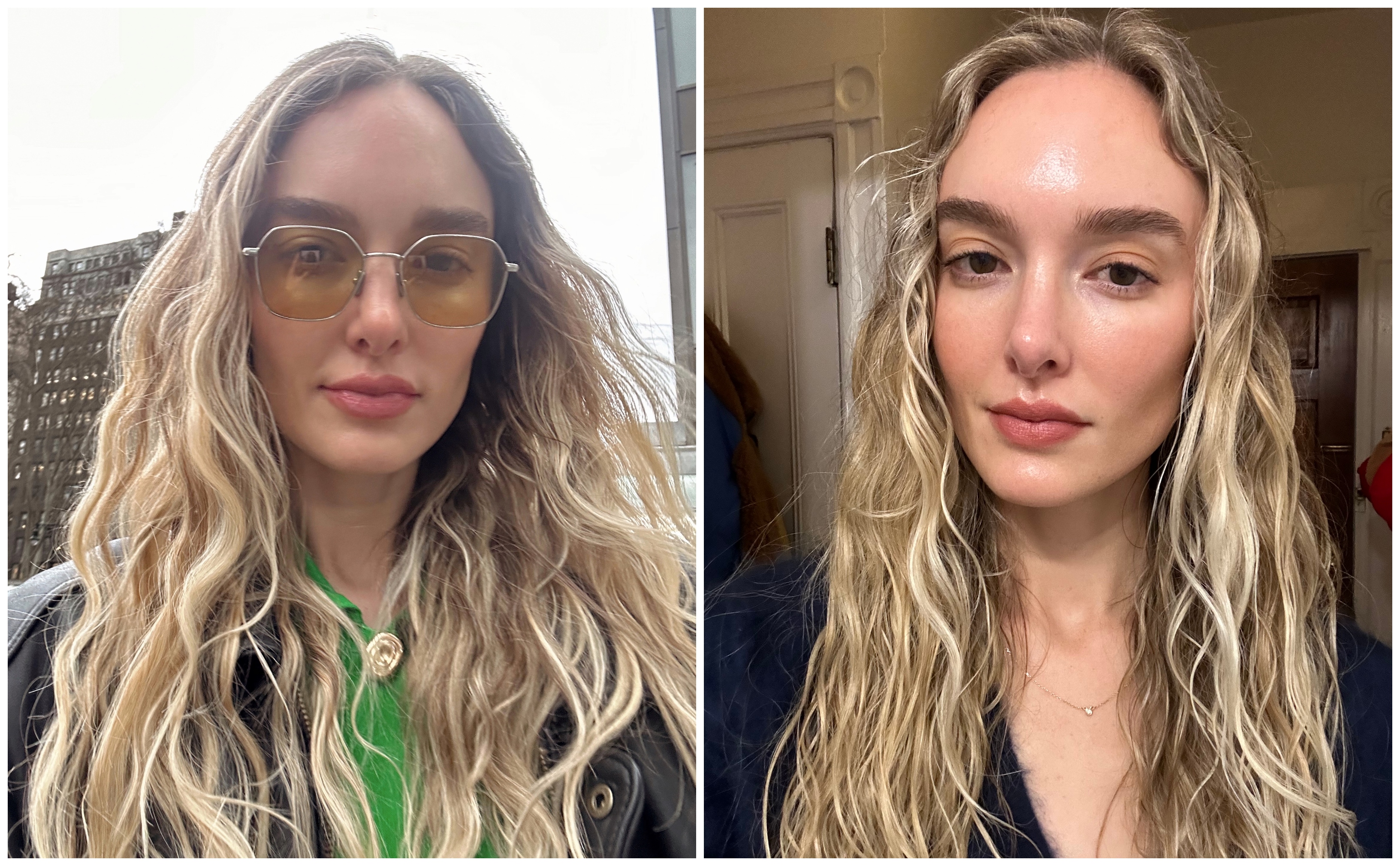
Fine hair describes the width of each strand. Wavy hair describes the shape of the strand. You can have fine 2A waves, fine 2B waves, or fine 2C waves. Some people also have more than one wave pattern on the same head.
Fine strands are smaller in diameter than medium or coarse strands. This means they can become weighed down more easily. Oils from the scalp also travel down fine strands faster, so the roots may look greasy while the ends feel dry.
Wavy hair has a loose bend or “S” shape. The bend makes it harder for natural scalp oil to move evenly from root to tip. As a result, fine wavy hair can be oily at the roots and thirsty at the ends at the same time.
Common traits of fine wavy hair include:
• Waves that lose shape quickly
• Roots that become flat or oily
• Frizz around the crown and hairline
• Ends that tangle or split
• A strong reaction to heavy creams and oils
• More visible damage from heat, brushing, and tight hairstyles
The goal is not to make fine wavy hair behave like thick curly hair. Fine waves often need a lighter routine, faster drying, and smaller amounts of styling product.

How to care for fine wavy hair: The basic routine
A good routine for fine wavy hair does not need ten products. It needs the right order and the right amount. Think of your routine as building a light frame around each wave rather than covering your hair with a heavy coat.
Follow these basic steps:
- Cleanse the scalp well.
- Condition the mid-lengths and ends.
- Detangle while the hair is wet.
- Apply a small amount of lightweight styling product.
- Scrunch to encourage the wave pattern.
- Dry with low heat or air-dry without touching the hair.
- Refresh only the areas that need help.
Start with clean hands and clean tools. Product buildup can make fine wavy hair look dull and flat, even when the hair is healthy.
Use lukewarm water instead of very hot water. Hot water can increase dryness and scalp irritation. It does not “open” the hair cuticle in a way that improves hair health, despite a common beauty myth.
When washing, focus shampoo on the scalp. Let the foam rinse through the lengths rather than rubbing shampoo into the ends. This removes oil and sweat while reducing unnecessary friction.
Apply conditioner from about the ears down. If your roots are very dry, you can use a small amount closer to the scalp, but most people with fine wavy hair do not need rich conditioner at the roots.

Choose the right shampoo and conditioner
The best shampoo for fine wavy hair cleans the scalp without leaving the lengths rough. Look for words such as lightweight, volumizing, balancing, or gentle cleansing. These labels are not perfect, but they can help you compare products.
A shampoo does not need to be sulfate-free to be safe. Sulfates can cleanse well, which may help people with oily scalps or heavy styling buildup. However, a strong cleanser used too often can leave some hair dry or irritated.
Try washing based on your scalp, not a fixed internet rule. Many people with fine wavy hair wash every other day or several times a week. Others can wait longer. Sweat, climate, exercise, oil production, and product use all matter.
A good conditioner for fine wavy hair should provide slip without making the hair coated. Helpful ingredients may include:
• Behentrimonium chloride for softness and detangling
• Panthenol for a smooth feel
• Hydrolyzed proteins for temporary strengthening
• Lightweight humectants such as glycerin, depending on your climate
• Fatty alcohols such as cetyl alcohol or stearyl alcohol for conditioning
Do not fear every ingredient with a long name. Cosmetic ingredients are tested for their intended use, and the formula as a whole matters more than one ingredient. Still, if a product makes your hair flat, greasy, or coated, it may simply be too rich for your strands.
Use a clarifying shampoo when buildup is likely. This may be needed after frequent use of dry shampoo, hairspray, silicone-rich products, hard water, or swimming. Clarify occasionally rather than daily, then follow with a light conditioner.
How often should you wash fine wavy hair?
Fine wavy hair often benefits from regular washing because the scalp can become oily quickly. Washing every day is not automatically harmful if the shampoo is gentle and your scalp tolerates it. The best schedule is the one that keeps your scalp comfortable and your hair manageable.
You may need to wash more often if you:
• Exercise or sweat often
• Use several styling products
• Live in a hot or humid area
• Have an oily scalp
• Wear hats or helmets for long periods
You may need to wash less often if you:
• Have a dry or sensitive scalp
• Use very little product
• Live in a dry climate
• Have chemically treated or damaged hair
If your hair looks greasy by the next morning, try improving the wash rather than simply adding more dry shampoo. Massage shampoo into the scalp with your fingertips for about 30 to 60 seconds. Rinse fully, and repeat only if the first wash does not remove oil or buildup.
Dry shampoo can help between washes, but it does not clean the scalp. Overuse may leave powder, fragrance, or oil mixed on the scalp. This can cause itchiness or make the roots feel heavy.
A common mistake I have seen is stretching wash days too far to “train” the scalp. Scalp oil production is mainly influenced by biology, hormones, and environment. Waiting longer may reduce styling time, but it does not reliably change how much oil your scalp produces.

Detangle fine wavy hair without causing breakage
Fine wavy hair can break easily when it is brushed roughly. It also loses its wave pattern when dry brushing pulls the bends straight. Detangling should be slow, gentle, and done with enough slip.
Use a wide-tooth comb or your fingers while the hair is wet and coated with conditioner. Start at the ends, then move upward in small sections. This prevents knots from gathering into one tight mass near the roots.
Avoid dragging a brush from the scalp to the ends. That motion can push tangles together and place stress on the weakest parts of the hair.
For fewer knots:
• Sleep on a satin or silk-like pillowcase
• Use a loose braid or low ponytail at night
• Blot hair with a soft T-shirt or microfiber towel
• Keep ends moisturized with a light conditioner
• Trim split ends when they become rough or difficult to manage
Towels with rough loops can create friction and frizz. Do not twist wet hair tightly in a towel turban. Fine hair is most fragile when wet, so squeeze out water gently instead.
If your hair tangles constantly, consider whether the issue is dryness, damage, hard water, or a product that leaves a sticky film. A haircut with too many layers can also make fine ends look thin and tangled.

Use lightweight styling products
Styling products help fine wavy hair keep its shape, but the amount matters as much as the formula. Start with a pea-sized amount. You can add more later, but removing too much product requires another wash.
A lightweight mousse or foam can add body and wave support without the heaviness of a rich curl cream. A light gel can help control frizz and form a protective cast as the hair dries. The cast may feel firm at first, but you can gently scrunch it out once the hair is fully dry.
Useful product types include:
• Mousse for volume and soft hold
• Foam for light definition
• Gel for stronger hold and humidity control
• Lightweight leave-in conditioner for dry ends
• Root spray for lift near the scalp
Apply styling products to wet or very damp hair. Water helps spread the product and reduces the chance of using too much. If your hair is only slightly damp, the product may sit on the surface instead of forming smooth waves.
Try this simple method:
- Rub the product between your palms.
- Smooth it over the mid-lengths and ends.
- Scrunch upward toward the scalp.
- Add a tiny amount to the crown if needed.
- Leave the hair alone while it dries.
Avoid applying heavy oils, butters, and thick curl creams near the roots. These products may work well for coarse curls but can flatten fine waves within hours.
Silicones are not automatically bad for fine wavy hair. Some lightweight silicones reduce friction, add shine, and protect the surface. If your hair becomes coated or limp, use a suitable clarifying shampoo from time to time.

Dry fine wavy hair with less frizz
Drying technique can change the final result as much as the styling product. Fine wavy hair often dries quickly, but it can also lose shape quickly if you touch it while wet.
After applying product, gently scrunch with a microfiber towel or cotton T-shirt. This removes extra water without rough rubbing. Then air-dry or use a diffuser on low heat and low airflow.
When diffusing, keep the dryer moving or hold it in one position for a short time. High heat can increase dryness and damage. Repeated heat exposure can weaken the outer cuticle and make hair more prone to split ends.
For more volume:
• Flip your part to the opposite side while the roots dry
• Use small clips at the roots
• Diffuse with your head tilted slightly forward
• Dry the roots first if they stay flat
• Stop touching the hair until it is fully dry
For smoother waves:
• Keep your head upright while drying
• Use a lower airflow setting
• Apply enough gel to reduce movement
• Avoid brushing after the waves begin to form
Once the hair is completely dry, gently scrunch any firm gel cast with dry hands. If the hair still feels sticky, you may have used too much product or not allowed it to dry fully.
Air-drying is not always better than diffusing. Long periods of wetness can make hair feel swollen and weak, while moderate, controlled heat may dry it faster. Use the lowest heat that gives you a practical drying time.

Add volume without creating frizz
Fine wavy hair needs lift at the roots, but rough handling can create frizz. The key is to create volume while the hair is wet and then preserve it as it dries.
Use a lightweight volumizing mousse near the roots. Keep richer products on the lower half of the hair. This gives the ends softness while keeping the top light.
You can also create volume by changing your part after the hair dries. A side part often gives more lift than a centered part. If you want a fuller look, gently shake the roots with your fingertips instead of brushing through the waves.
Avoid teasing the same area often. Backcombing can create short-term volume but may damage the cuticle and increase tangling. It is better for occasional styling than daily care.
Haircuts matter, too. Long, heavy layers can pull fine waves straight. Very blunt cuts may make thin ends look fuller. A stylist familiar with wavy hair can adjust the shape based on your density, wave pattern, and preferred length.
Do not judge your volume while the hair is still wet. Wet waves often look thin because they are grouped together. Once dry, the groups can be separated gently for a fuller result.

Manage frizz, dryness, and humidity
Frizz is not always a sign of damaged hair. It can result from humidity, static, new growth, friction, dryness, or a natural wave pattern that does not clump evenly. The right solution depends on the cause.
In humid weather, hair absorbs water from the air. Some waves expand and lose definition. A light gel or humidity-resistant styling product can form a flexible barrier and help the waves stay grouped.
In dry weather, hair may need more conditioning. Use a light conditioner and avoid very hot water. If glycerin-rich products make your hair frizzier in extreme weather, test a different formula. Humectants can behave differently depending on the moisture in the air.
To reduce everyday frizz:
• Do not brush dry waves
• Sleep with the hair loosely secured
• Use a smooth pillowcase
• Avoid rubbing the hair with a towel
• Apply gel to wet hair
• Keep heat tools at moderate settings
• Protect hair from strong sun and wind
If frizz appears mainly at the crown, check for new growth and breakage. Short hairs may not have enough length to join the main wave pattern. If the hair feels rough, snaps easily, or has many short pieces through the lengths, reduce heat and chemical processing.
Protein and moisture for fine wavy hair
Fine wavy hair can benefit from both moisture and protein, but it does not need either one constantly. Moisture helps hair feel flexible and soft. Protein can temporarily improve the feel of weakened strands by helping form a supportive film on the surface.
Signs your hair may need more moisture include:
• A dry or rough feel
• Excessive tangling
• Frizz that improves after conditioning
• Waves that feel stiff from dryness
Signs your hair may respond well to protein include:
• Hair that feels overly soft and limp
• Waves that do not hold even with styling product
• Increased porosity after bleaching or heat damage
• Strands that stretch too much when wet
Too much protein may make some hair feel rigid, rough, or brittle. Too much moisture may make some hair feel overly soft and unable to hold a wave. These signs are useful clues, but they are not a medical diagnosis.
Try one change at a time. Use a light protein treatment every few weeks if your hair is damaged, then observe how it feels. If the strands become stiff, return to a gentle conditioner and pause protein products.
Ingredients labeled hydrolyzed keratin, hydrolyzed wheat protein, rice protein, or amino acids may provide protein-like conditioning. Results vary by formula and hair condition, so treat your own hair as the final guide.
Protect fine wavy hair from damage
Preventing damage is one of the most important parts of how to care for fine wavy hair. Fine strands have less material to protect them from heat, friction, and chemical stress.
Use a heat protectant whenever you use a blow dryer, curling iron, or flat iron. Heat protectants do not make high heat harmless, but they can reduce friction and help limit moisture loss when used correctly.
Keep hot tools at the lowest setting that works. Avoid passing a flat iron over the same section several times. Never use a curling iron on soaking-wet hair unless the tool is specifically designed for that purpose.
Chemical services also require care. Bleaching, relaxing, permanent waves, and repeated coloring can weaken the hair fiber. Leave enough time between services, and tell your stylist about past treatments before adding a new one.
Protect your hair during sleep and exercise:
• Use a loose braid or pineapple-style gather if it does not pull
• Choose soft hair ties without exposed metal
• Avoid tight buns for long periods
• Cover hair in chlorinated water when possible
• Rinse hair with fresh water before swimming
• Wear a hat in strong sun
If you notice sudden shedding, bald patches, scalp pain, sores, or major changes in texture, speak with a dermatologist. Hair care products cannot treat every scalp or hair problem.
Common mistakes to avoid
Learning how to care for fine wavy hair often means removing habits that create more trouble than benefit. A simple routine can fail if the hair is handled roughly or overloaded with product.
Avoid these common mistakes:
• Using a heavy curl cream on the whole head
• Applying conditioner directly to oily roots
• Brushing waves when they are dry
• Scrubbing the hair lengths during shampooing
• Using high heat every wash day
• Sleeping with wet hair tied tightly
• Adding more product before the first layer dries
• Using dry shampoo for many days without washing
• Clarifying too often
• Changing the entire routine every week
One mistake I made when testing wavy hair routines was adding more product when the waves looked weak. The real problem was often excess water, an overly rich conditioner, or touching the hair while it dried. Reducing the routine usually worked better than adding another product.
Give a new routine at least two or three wash days before judging it, unless it causes burning, rash, or strong irritation. Hair results can change with weather, water quality, styling technique, and your monthly schedule.
Keep notes if you are unsure what works. Record the products, wash frequency, weather, drying method, and how your hair feels. Patterns become much easier to see after a few weeks.
A simple weekly routine for fine wavy hair
A weekly routine can help you care for fine wavy hair without making every wash day complicated. Adjust the schedule based on your scalp and lifestyle.
On regular wash days
• Shampoo the scalp with a gentle cleanser
• Rinse well
• Apply light conditioner from the ears down
• Detangle with fingers or a wide-tooth comb
• Rinse until the hair feels clean but not squeaky
• Apply mousse, foam, or light gel
• Scrunch and dry gently
Once every few weeks
• Use a clarifying shampoo if you notice buildup
• Follow with a light conditioner
• Check the ends for roughness and split ends
• Clean brushes, combs, and diffuser attachments
When hair feels dry
• Use a little more conditioner on the ends
• Reduce heat styling
• Add a small amount of lightweight leave-in product
• Avoid brushing between washes
When hair feels flat
• Use less conditioner
• Keep products away from the roots
• Clarify if there is buildup
• Try mousse instead of cream
• Refresh with water and a small amount of gel
This flexible plan is more useful than copying someone else’s exact wash schedule. Hair care should fit your scalp, climate, budget, and daily routine.
How to refresh fine wavy hair between washes
Refreshing fine wavy hair should restore shape without making it wet, sticky, or heavy. Start with the smallest possible amount of water.
Mist the flattened areas lightly. Scrunch with your hands, then add a tiny amount of diluted gel or foam if needed. You can dilute a small amount of product with water in your palm instead of applying it at full strength.
For flat roots, lift the hair with your fingers and use a cool blow-dryer setting for a few seconds. Avoid soaking the entire head unless you plan to restyle it fully.
If the ends feel dry, smooth one drop of a light serum over them. Do not use several drops at once. Fine strands show excess oil quickly.
Some waves refresh well with water alone. Others need a little styling product. Test both methods and choose the one that gives the best shape with the least residue.
Frequently asked questions about how to care for fine wavy hair
How often should you wash fine wavy hair?
Wash fine wavy hair when the scalp feels oily, sweaty, itchy, or coated with product. For many people, this means every other day or several times a week, but daily washing can also be suitable with a gentle shampoo.
Is conditioner bad for fine wavy hair?
No. Conditioner helps reduce friction, tangles, and dryness, but a rich formula can weigh down fine waves. Apply a lightweight conditioner mainly to the mid-lengths and ends.
What is the best styling product for fine wavy hair?
Mousse, foam, and lightweight gel are often good starting choices. Mousse adds body, while gel gives more hold and frizz control; use a small amount and adjust based on your hair’s response.
Should you brush fine wavy hair?
Brush or comb it while wet and coated with conditioner to reduce breakage. Avoid brushing dry waves because it can separate the wave groups and create frizz.
Can fine wavy hair use oils?
Fine wavy hair can use a very small amount of lightweight oil or serum on the ends. Avoid heavy oils and applying oil near the roots, since they may make the hair look greasy or flat.
How can you make fine wavy hair look fuller?
Use lightweight products, keep conditioner away from the roots, and dry the roots with low heat. Changing your part, adding root clips, and choosing a suitable haircut can also improve visible volume.
Is air-drying best for fine wavy hair?
Air-drying can work well, but it is not always the only healthy option. A diffuser on low heat and low airflow may reduce the time hair stays wet while preserving the wave pattern.
How do you know if fine wavy hair has product buildup?
Buildup may cause dullness, limp waves, greasy roots, or a coated feel even after washing. An occasional clarifying shampoo can help, but frequent use may cause dryness.
Conclusion
The best way to care for fine wavy hair is to keep the routine light, gentle, and consistent. Clean the scalp well, condition the ends, detangle with care, use small amounts of styling product, and dry the waves without rough handling. Protecting the hair from heat, friction, and buildup will help it look healthier over time.
Start with one or two changes rather than replacing every product at once. Watch how your scalp and waves respond, then adjust your routine for your climate, wash schedule, and hair goals. Try these steps on your next wash day, and share your favorite fine wavy hair tips or results in the comments.
