
Gentle washing, daily moisture, careful detangling, and simple protective styles help a toddler’s curls stay healthy and soft.
Learning how to care for curly hair toddler can feel confusing at first. Curls need more moisture and less handling than straight hair, yet toddlers rarely sit still for a long routine. This guide combines child-safe hair care, practical styling tips, and lessons many parents learn through trial and error.
Why Toddler Curls Need Special Care
Curly hair bends and twists along the hair shaft. These curves make it harder for natural scalp oils to move from the roots to the ends. As a result, curly toddler hair can become dry, tangled, frizzy, or fragile more easily than straight hair.
Some children have loose waves, while others have tight coils. Hair texture can also vary across one child’s head. The back may be curlier than the front, and fine curls may need different care from thick curls.
Knowing the curl pattern can help, but you do not need a complicated chart. Focus on how the hair feels and behaves:
• Dry, rough hair needs more moisture.
• Hair that looks greasy may need less product.
• Frequent knots may signal too much friction or not enough conditioner.
• Breakage may come from tight styles, rough brushing, or dry hair.
The goal is not perfect curls. Healthy hair should feel soft, remain comfortable, and allow your child to move and play freely.
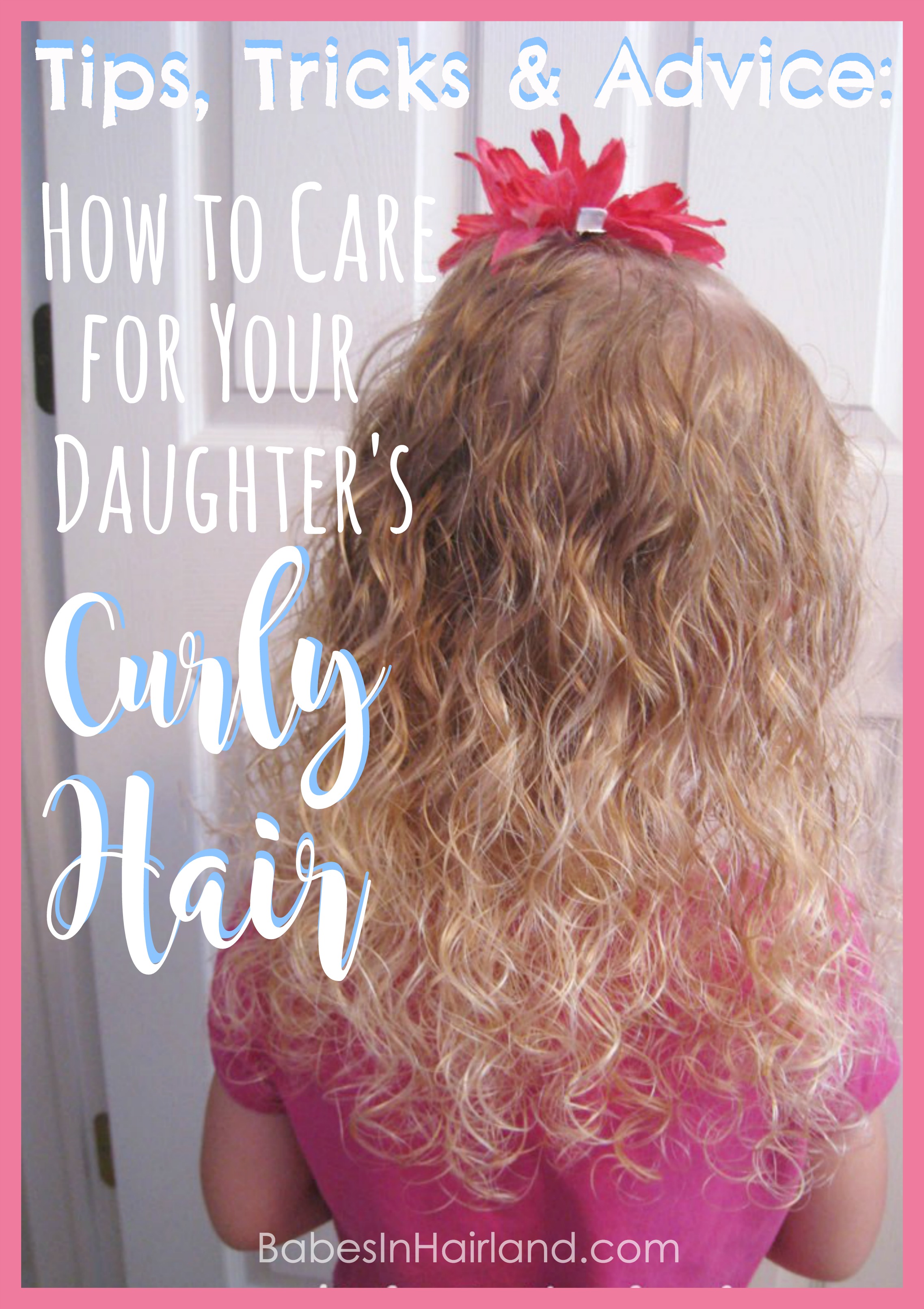
How to Care for Curly Hair Toddler: Build a Simple Routine
The best routine is one you can repeat without stress. Most toddlers do not need a long process with many products. A few gentle steps work better than a crowded bathroom shelf.
A basic curly hair routine for toddlers includes:
- Refresh the hair with water when it looks dry.
- Wash the scalp as needed.
- Condition the lengths and ends.
- Detangle from the ends upward.
- Add a small amount of child-safe leave-in product.
- Let the hair air-dry or use gentle drying methods.
- Protect the curls during sleep and active play.
You may need to adjust the routine based on your child’s age, hair density, scalp condition, and activity level. A toddler who swims often may need more frequent rinsing. A child with a dry scalp may need a pediatrician’s advice before you add oils or special treatments.
One practical lesson parents often learn is that timing matters. Hair care is easier after a bath, during a favorite show, or when the child is calm. Trying to detangle a tired toddler before daycare can turn a small knot into a daily battle.

How Often Should You Wash a Toddler’s Curly Hair?
Many toddlers with curly hair need shampoo once or twice each week. Some need more frequent washing if they sweat heavily, swim, use styling products, or have a dirty scalp. Daily shampooing may remove too much natural oil and leave curls dry.
Use lukewarm water and a mild, fragrance-free shampoo made for children. Apply shampoo mainly to the scalp, where sweat, dirt, and oil collect. Let the suds run through the curls instead of scrubbing the ends.
Follow these steps:
• Wet the hair fully before applying shampoo.
• Use a small amount of cleanser.
• Massage the scalp gently with your fingertips.
• Rinse well, especially around the hairline and behind the ears.
• Apply conditioner from the middle of the hair to the ends.
• Rinse lightly if the hair is fine, or leave a little conditioner if the hair is thick and dry.
A “co-wash,” or washing with conditioner instead of shampoo, may work for some older children with very dry curls. However, it may not clean the scalp well for every child. Avoid adult products with strong fragrance, alcohol, essential oils, or harsh cleansing agents unless a health professional recommends them.
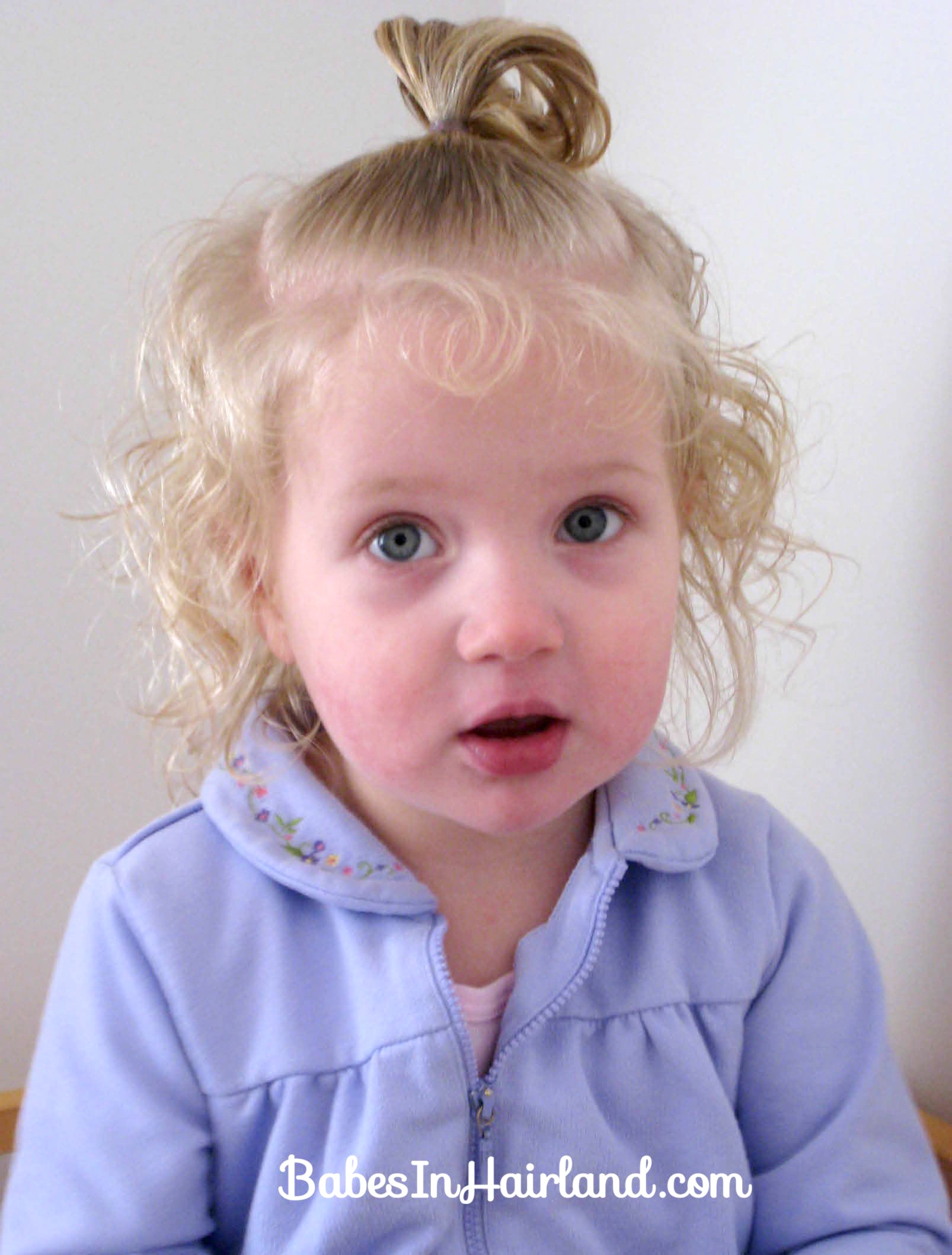
Detangle Curly Toddler Hair Without Tears
Detangling is often the hardest part of curly hair care. The key is to add slip before you reach for a comb. Slip means the hair feels smooth enough for strands to move past one another.
Never drag a dry brush through tight curls. Dry detangling can cause pain, frizz, and breakage. Instead, wet the hair and apply conditioner or a child-safe detangling spray.
Use this method:
- Divide the hair into two to four sections.
- Start at the ends.
- Work upward in small areas.
- Hold the hair near the roots to reduce pulling on the scalp.
- Use your fingers first on large knots.
- Finish with a wide-tooth comb if needed.
- Rinse or style the hair once the knots are gone.
A wide-tooth comb is usually gentler than a fine brush. Some families prefer a flexible detangling brush, but the tool matters less than the technique. Move slowly, use enough moisture, and stop if your child is in pain.
A useful phrase is, “We are helping the curls, not fighting them.” Let your toddler hold a comb, choose a hair clip, or listen to a short song. Small choices can make the routine feel less like a struggle.

Moisturizing and Styling Toddler Curls
Moisture is central to learning how to care for curly hair toddler. Water is the first moisturizer, so begin with damp hair. Then use a small amount of leave-in conditioner or curl cream to help the curls stay soft.
Apply products with your hands. Smooth them over the hair, then gently scrunch the curls upward. Avoid piling product onto the scalp unless the label specifically says it is safe for scalp use.
Helpful product types include:
• Leave-in conditioner for dry or thick curls
• Lightweight detangler for daily knots
• Curl cream for definition and softness
• Plain water in a spray bottle for morning refreshes
• A small amount of gentle gel for special occasions
Start with less product than you think you need. Too much can make toddler hair sticky, stiff, or dull. Add more only if the hair still feels dry.
Avoid tight ponytails and strong rubber bands. They can pull on the hairline and cause breakage. Soft fabric scrunchies, loose clips, and wide headbands are usually better choices, but check all accessories for small parts that could become choking hazards.
Do not use heat tools on a toddler’s hair unless there is a rare, specific reason and close adult supervision. Heat can damage the cuticle and burn sensitive skin quickly.

Protect Curls During Sleep and Play
Friction from pillows, car seats, hats, and clothing can create tangles. A toddler’s movements during sleep may also flatten or roughen the curls.
You can reduce friction with simple steps:
• Use a smooth cotton or satin pillowcase if practical.
• Make sure hair is fully dry before bedtime.
• Place long hair in a very loose, low ponytail.
• Use a soft bonnet only if your child will wear it safely and comfortably.
• Remove tight clips and hard accessories before sleep.
• Keep curls loosely protected during outdoor play.
A satin pillowcase may reduce friction, but it is not essential. A clean cotton pillowcase and regular detangling can work well too. Never force a bonnet or wrap if your toddler finds it uncomfortable.
For swimming, wet the hair with clean water first and use a swim cap if your child tolerates one. Rinse chlorine or salt water soon after swimming. Follow with conditioner if the hair feels rough.
These small habits are part of how to care for curly hair toddler because prevention is easier than repairing a large knot.

Choose Safe Products for Toddler Curly Hair
Children’s hair products do not need to be expensive. Look for simple formulas made for young children. Fragrance-free products may be a better choice for children with sensitive skin or eczema.
Read the label and consider avoiding:
• Strong fragrances
• Harsh alcohols that can dry the hair
• Essential oils near the face or scalp
• Heavy oils that may irritate the skin
• Adult relaxers, dyes, bleaches, and permanent treatments
• Products that cause redness, itching, swelling, or burning
Natural does not always mean safe for a toddler. Essential oils, for example, can irritate skin and may be harmful if swallowed. Coconut, olive, or shea-based products may work for some children, but every child’s skin and hair respond differently.
Patch-test a new product on a small area of skin when possible. Stop using it if you notice a rash or irritation. Keep all products out of reach, and rinse the eyes with clean water if a product gets inside them.
The American Academy of Pediatrics recommends keeping personal care products safe and supervised around children. This includes hair products, combs, clips, and bath items.

Common Curly Hair Problems in Toddlers
Dry or frizzy curls
Dryness often comes from too much shampoo, hot water, sun, chlorine, or rough handling. Wash less often if appropriate, add conditioner, and refresh curls with water rather than more shampoo.
Knots and mats
Knots can form when hair is dry, loose, or rubbed against bedding and clothing. Detangle in sections with plenty of conditioner, and ask a professional stylist for help if a mat is tight against the scalp.
Flaky scalp
A flaky scalp may result from dryness, cradle cap, eczema, or another skin condition. Do not scrape flakes or apply strong treatments without medical advice.
Hair breakage
Breakage can come from tight styles, rough brushing, heat, or repeated tension. Use loose styles and handle the hair gently. If breakage continues, speak with your child’s pediatrician or a board-certified dermatologist.
Uneven growth
Toddlers may have shorter hair where they rub against a mattress or car seat. This often improves as they move more, but persistent hair loss, bald patches, redness, or scaling should be checked by a medical professional.

When to See a Pediatrician or Dermatologist
Good hair care cannot solve every scalp or hair concern. Seek medical advice if your toddler has:
• Sudden hair loss
• Bald patches
• Severe itching
• Pain, swelling, or bleeding
• Thick crusts or pus
• Persistent redness
• Broken hairs with black dots
• A rash that spreads beyond the scalp
These signs may point to eczema, infection, fungal scalp conditions, allergies, or another medical issue. Ringworm of the scalp, for example, usually needs prescription treatment and will not clear with regular shampoo alone.
A pediatrician can assess the scalp and refer you to a dermatologist when needed. Take a photo of the affected area and note when the symptoms began. This information can make the visit more useful.
Hair texture, curl size, and growth speed vary widely among healthy children. Avoid comparing your toddler’s hair with siblings, family members, or photos online. Healthy curls do not all look the same.

A Practical Weekly Routine
Here is a simple example of how to care for curly hair toddler during a normal week:
Wash day
Wet the hair, cleanse the scalp gently, condition the curls, and detangle while the conditioner is still present. Rinse, apply a small amount of leave-in conditioner, and shape the curls with your hands.
Non-wash days
Spray the hair lightly with water. Smooth a tiny amount of leave-in conditioner over dry areas, then reshape the curls with your fingers.
Before bed
Remove tight accessories. Check for knots near the neck and behind the ears. Use a loose style if the hair is long enough.
After messy play
Rinse dirt, sweat, chlorine, or salt from the hair. Do not scrub hard. Add conditioner if the hair feels rough.
This routine is flexible. Some children need a wash every three days, while others can go a full week. Watch the scalp and hair instead of following a strict calendar.
Mistakes to Avoid With Toddler Curls
Even caring parents can make curly hair harder to manage. The most common mistakes are easy to fix.
• Brushing curls when they are dry: Add water and conditioner first.
• Washing every day: Clean the scalp as needed, not automatically.
• Using too much product: Begin with a small amount.
• Pulling styles tight: Choose loose, gentle styles.
• Cutting out every knot: Try careful, wet detangling first.
• Using adult treatments: Toddler hair and skin need milder care.
• Ignoring scalp symptoms: Persistent problems deserve medical attention.
• Making hair care a battle: Pause, comfort your child, and try again later.
A haircut can also help if the ends are split or the hair is very difficult to manage. Choose a stylist who understands curls and has experience working with young children. A simple shape often makes washing and detangling easier.
Frequently Asked Questions About How to Care for Curly Hair Toddler
How often should I wash my toddler’s curly hair?
Most toddlers with curly hair can be shampooed once or twice a week. Wash more often after swimming, heavy sweating, or visible dirt, but avoid daily shampoo if it makes the curls dry.
Should I brush my toddler’s curly hair every day?
Daily brushing is usually not needed. Detangle damp hair with conditioner when knots appear, and use your fingers or a wide-tooth comb to limit pulling and breakage.
What can I use to refresh toddler curls?
Plain water in a spray bottle can refresh curls safely. If the hair remains dry, add a small amount of child-safe leave-in conditioner or detangler.
Is coconut oil safe for toddler curly hair?
Coconut oil may work for some children, but it can irritate sensitive skin or make hair heavy. Use a tiny amount on the ends only, avoid the eyes, and stop if redness or itching develops.
Can I use a satin bonnet on my toddler?
A satin bonnet may reduce friction, but comfort and safety come first. Never use one if your child removes it, sleeps poorly in it, or could place it over the face.
Why does my toddler’s curly hair get frizzy?
Frizz can come from dryness, friction, humidity, rough towels, or frequent handling. Use water, conditioner, gentle drying, and loose styles to help the curls stay smoother.
When should I cut my toddler’s curly hair?
Cutting is a personal choice, but a trim may help remove split ends and reduce tangles. Choose a stylist who understands curly textures and can work safely with young children.
Conclusion
Learning how to care for curly hair toddler is mostly about gentle habits. Wash the scalp when needed, condition well, detangle damp hair from the ends upward, use simple products, and avoid tight styles and heat.
Your toddler’s curls do not need to look perfect every day. They need patience, moisture, comfort, and protection. Start with one or two changes this week, observe how the hair responds, and build a routine that fits your family. Share your best curly hair tip in the comments or explore more child-safe hair care resources for guidance.
