
Wash gently, condition often, avoid heat, and lock in moisture to keep men's curls defined and healthy.
Learning how to care for curly hair male starts with one simple idea: curls need moisture, gentle handling, and a routine that fits their pattern. As a grooming writer and curly hair enthusiast, I have seen how small changes—such as using less shampoo or drying with a cotton T-shirt—can reduce frizz and improve curl shape. This guide explains each step, from washing and styling to sleeping and choosing the right haircut.
Understand Your Curly Hair Type
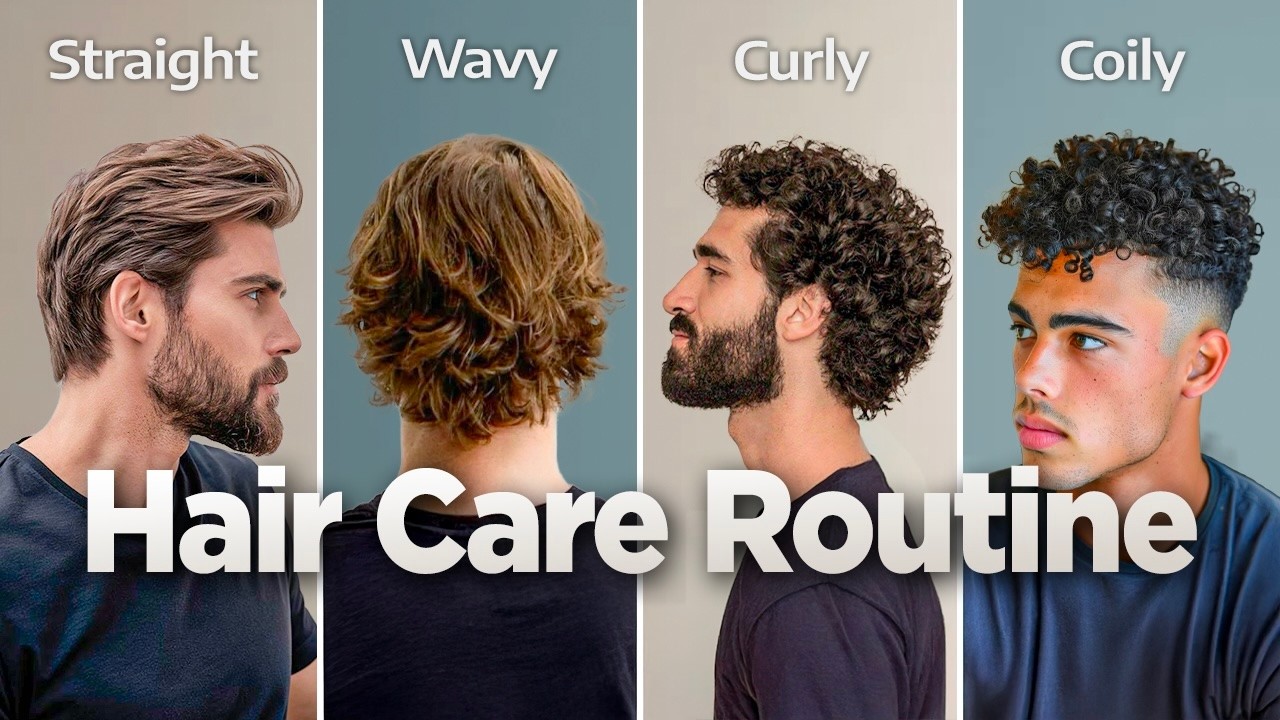
Curly hair is not one single texture. It may form loose waves, springy ringlets, tight coils, or a mix of patterns across the scalp. Knowing your curl type helps you choose the right products and haircut, but your hair’s porosity, density, and thickness matter just as much.
The common curl pattern groups are:
• Type 2: Wavy hair with an S-shaped pattern
• Type 3: Curly hair with visible loops or ringlets
• Type 4: Coily hair with tight curls, coils, or zigzag patterns
Your hair may also be low, medium, or high porosity. Low-porosity hair can resist moisture and may become weighed down by heavy products. High-porosity hair absorbs water quickly but may lose moisture just as fast.
The best routine for curly hair male readers is not based on curl type alone. Watch how your hair reacts to water, conditioner, oils, and styling products. Your hair will often teach you more than a chart can.

Build a Simple Curly Hair Routine
A good curly hair routine does not need ten products. It needs the right order and consistent habits. Think of your routine as caring for a soft fabric: rough washing and harsh drying can damage the surface, while gentle care helps it stay smooth.
Follow these basic steps:
- Wet your hair fully with lukewarm water.
- Clean your scalp with a gentle shampoo or co-wash.
- Apply conditioner from the mid-lengths to the ends.
- Detangle while the conditioner is still in your hair.
- Rinse with cool or lukewarm water.
- Apply a leave-in conditioner or curl cream.
- Add gel if you need stronger hold.
- Dry gently without rubbing or pulling.
When learning how to care for curly hair male, start with this routine for several weeks. Changing products every few days makes it hard to know what works.
How often should men wash curly hair?
Most men with curly hair can shampoo one to three times per week. The best schedule depends on sweat, oil, scalp health, hair density, and styling product use.
If your scalp feels oily or itchy, you may need more frequent cleansing. If your curls feel dry and rough, reduce shampoo use and focus more on conditioning. Men who work out often can rinse their hair with water after exercise and shampoo only when the scalp needs deeper cleaning.

Choose the Right Shampoo and Conditioner
Shampoo removes oil, sweat, dirt, and product buildup. However, strong cleansers can also remove too much of the oil that helps curls stay flexible. This can leave curly hair feeling dry, puffy, or brittle.
Look for a gentle, moisturizing shampoo. Ingredients such as glycerin, aloe vera, panthenol, and mild cleansing agents can support a softer feel. If you have heavy buildup, use a clarifying shampoo occasionally rather than using it at every wash.
Conditioner is essential for most curly hair types. It helps reduce friction, soften the hair fiber, and make detangling easier. Apply enough to coat the curls, but use less on fine or low-density hair.
Avoid choosing products only because they say “for men.” Hair responds to its structure, not the label on the bottle. A product made for anyone with dry, curly hair may work better than a product marketed specifically to men.
When should you use a clarifying shampoo?
Use a clarifying shampoo when your curls feel coated, limp, greasy, or difficult to style. Many people need it about once every four to six weeks, but frequent product users may need it more often.
Do not use a strong clarifying shampoo too frequently. It can make the scalp and hair feel dry, especially when followed by poor conditioning.

Detangle Curly Hair Without Breakage
Curly hair can break more easily when it is dry. Detangling it with a fine brush or small comb may stretch the curl and cause unnecessary damage. The safest time to detangle is usually when the hair is wet and covered with conditioner.
Use your fingers or a wide-tooth comb. Start at the ends and slowly move toward the roots. Hold the hair above a knot to reduce pulling on the scalp.
A practical detangling method is:
• Divide your hair into two to four sections.
• Add conditioner or a detangling product.
• Loosen knots with your fingers first.
• Use a wide-tooth comb from the ends upward.
• Rinse gently without rough handling.
One mistake I often see is rushing through this step before work or school. That quick tug can create more frizz and breakage than the entire wash routine. Give your hair a few extra minutes, and your curls will usually look better.

Keep Curls Moisturized
Moisture is central to how to care for curly hair male readers who struggle with dryness and frizz. Curly strands bend and twist, so natural scalp oil may not travel down the full length as easily as it does on straight hair.
Use a leave-in conditioner after washing if your hair feels dry. A curl cream can add softness and shape, while a gel can help hold the curl pattern and protect it from humidity.
Apply products while your hair is wet or very damp. Water helps spread the product and encourages curls to group together. Start with a small amount, then add more only if needed.
Useful product types include:
• Leave-in conditioner for softness and moisture
• Curl cream for shape and light control
• Styling gel for hold and frizz protection
• Lightweight oil for sealing and adding shine
• Mousse for volume and a lighter finish
Heavy oils and thick butters may work well for dense, coarse coils. They can make fine curls look greasy or flat. Product choice should match your hair’s thickness and response, not just your curl pattern.

Reduce Frizz and Improve Curl Definition
Frizz is not always a sign of unhealthy hair. It can come from humidity, friction, dryness, new growth, or the natural shape of curly hair. The goal is not to remove every loose strand. The goal is to create a healthy, controlled shape.
Try these methods:
• Apply styling products to soaking-wet or very damp hair.
• Scrunch curls upward with open hands.
• Avoid touching your hair while it dries.
• Use a microfiber towel or soft cotton T-shirt.
• Sleep on a satin or silk pillowcase.
• Use a diffuser on low heat and low airflow.
A gel may feel stiff after it dries. This is called a cast. Once your hair is fully dry, gently squeeze the curls to soften the cast. This step is called scrunching out the crunch, and it can leave defined curls with a natural feel.
Do not keep adding oil every time you see frizz. Too much oil can trap buildup and make curls dull. First try adding water, leave-in conditioner, or a small amount of curl cream.
Dry Curly Hair the Right Way
Drying can make or break your results. Rubbing wet curls with a regular bath towel creates friction and separates the curl groups. This often leads to a rough, fluffy finish.
Instead, gently squeeze out excess water with your hands. Then wrap your hair in a microfiber towel or a clean cotton T-shirt. Press the fabric against your hair rather than twisting it tightly.
Air-drying is simple and gentle, but it may take several hours for thick hair. A diffuser can speed up the process. Use low heat and low airflow, and move the diffuser slowly around your head.
If you use heat often, apply a heat protectant first. High heat can weaken the outer hair layer and increase dryness. The American Academy of Dermatology advises limiting excessive heat because repeated exposure can damage hair.

Pick a Haircut That Supports Your Curl Pattern
The right haircut makes daily styling easier. A skilled barber should understand how curls shrink, expand, and change shape as they dry. Ask the barber to look at your hair in its natural state before cutting too much length.
Popular choices for men with curly hair include:
• Curly taper: Keeps the sides neat while leaving length on top
• Curly fade: Creates a clean contrast with defined curls above
• Layered curls: Removes excess weight and improves movement
• Medium-length curls: Gives the hair room to form its natural pattern
• Short textured crop: Offers a low-maintenance shape
Avoid asking for a dramatic cut without explaining how your curls behave. Curly hair can shrink several inches after drying, especially tight coils. A barber who cuts only by sight while the hair is wet may remove more length than expected.
Trim split or damaged ends as needed. A trim does not make hair grow faster, but it can prevent split ends from traveling farther up the strand.

Protect Curly Hair at Night
Night care is an important part of how to care for curly hair male routines. Cotton pillowcases can create friction and absorb moisture. This may flatten curls on one side and create frizz by morning.
Consider these options:
• Sleep on a satin or silk pillowcase.
• Wear a loose satin bonnet if it feels comfortable.
• Use a loose pineapple style for longer curls.
• Avoid tight hair ties that pull at the roots.
• Refresh curls with water in the morning.
For short hair, a satin pillowcase may be enough. For medium or long hair, a loose bonnet can protect the curl pattern. Never tie curls tightly while they are wet, since wet hair is more vulnerable to stretching and breakage.
Manage Sweat, Dandruff, and Scalp Health
Healthy curls begin with a healthy scalp. Sweat and product residue can build up after workouts. Rinse your hair after exercise, and cleanse the scalp when it feels oily or uncomfortable.
Dandruff is not simply dry skin. It can involve scalp oil, yeast, irritation, or conditions such as seborrheic dermatitis. If you have persistent flakes, redness, pain, sores, or intense itching, speak with a dermatologist.
An anti-dandruff shampoo may help some scalp conditions. Common active ingredients include ketoconazole, zinc pyrithione, selenium sulfide, and salicylic acid. Follow the product directions and keep medicated shampoo mainly on the scalp rather than the hair lengths.
Avoid scratching hard or applying undiluted essential oils to the scalp. Natural does not always mean safe, and essential oils can irritate sensitive skin.
Common Mistakes Men Make With Curly Hair
Many curly hair problems come from habits rather than genetics. A few small changes can improve the way your hair looks and feels.
Avoid these common mistakes:
• Shampooing every day with a strong cleanser
• Brushing dry curls from roots to ends
• Rubbing hair with a rough towel
• Using too much product at once
• Touching curls while they dry
• Sleeping with wet hair tied tightly
• Using high heat without protection
• Cutting curls too short without considering shrinkage
• Ignoring scalp itching or ongoing flakes
One of my biggest lessons was that more product does not always mean more definition. When curls looked heavy and dull, using less cream and applying it to wetter hair worked better than adding another product.
A Practical Weekly Routine for Men
A weekly plan makes curly hair care easier to maintain. Adjust it based on your scalp, lifestyle, and curl texture.
Wash day
- Saturate the hair with lukewarm water.
- Clean the scalp gently.
- Condition the lengths.
- Detangle with fingers or a wide-tooth comb.
- Apply leave-in conditioner and styling products.
- Scrunch and dry with a diffuser or soft T-shirt.
Between wash days
• Mist curls with water to reactivate the shape.
• Add a small amount of leave-in conditioner if needed.
• Smooth frizz with wet hands instead of brushing.
• Cleanse the scalp sooner if it becomes oily or itchy.
Monthly maintenance
• Use a clarifying shampoo if you notice buildup.
• Check the ends for splitting or roughness.
• Wash brushes, combs, and styling tools.
• Review your products and remove anything that causes irritation.
Consistency matters more than perfection. A simple routine that you follow is better than a complicated routine that you abandon after one week.
Ingredients to Look For and Avoid
Ingredients are only one part of product performance, but they can offer useful clues. Moisturizing ingredients may help dry curls feel softer, while film-forming ingredients can improve hold and reduce frizz.
Helpful ingredients may include:
• Aloe vera for light moisture
• Glycerin for attracting water
• Panthenol for conditioning
• Behentrimonium methosulfate for detangling
• Hydrolyzed proteins for temporary strength and structure
• Plant oils for softness and shine
Some men prefer to avoid sulfates or silicones. These ingredients are not automatically bad for every person. A sulfate cleanser may work well for an oily scalp, and some silicones can reduce friction and improve shine.
Pay attention to your own results. Stop using a product if it causes burning, rash, swelling, or ongoing irritation. A dermatologist can help identify an allergy or scalp condition.
Frequently Asked Questions of How to Care for Curly Hair Male
How often should a man with curly hair shampoo?
Most men with curly hair can shampoo one to three times per week. Wash more often if your scalp becomes oily, sweaty, or itchy, and wash less often if your hair becomes dry.
Should men brush curly hair every day?
Daily dry brushing can separate curls and create frizz. Detangle curly hair when it is wet and coated with conditioner, using your fingers or a wide-tooth comb.
Is conditioner good for curly hair?
Yes, conditioner helps reduce dryness, friction, and tangles. Apply it mainly to the mid-lengths and ends, then adjust the amount if your hair becomes flat or greasy.
How can men make curly hair less frizzy?
Apply products to very damp hair, avoid rubbing with a towel, and let curls dry without touching them. A gel can also provide a protective cast that improves definition and reduces humidity-related frizz.
Can curly-haired men use hair oil?
Men with thick, coarse, or very dry curls may benefit from a small amount of oil. Use only a little, because too much can cause buildup, weigh down fine curls, or make the hair look greasy.
Is it better to air-dry or diffuse curly hair?
Both methods can work. Air-drying uses no heat, while diffusing on low heat and low airflow can dry curls faster without excessive stress.
Why does curly hair look shorter when it dries?
Curly hair shrinks as the strands return to their natural shape after getting wet. Tight curls and coils often show more shrinkage than loose waves.
Conclusion
Learning how to care for curly hair male readers can follow begins with gentle washing, regular conditioning, careful detangling, and smart styling. Use water to revive curls, limit harsh heat, protect your hair while sleeping, and choose a haircut that respects shrinkage and curl shape.
You do not need a shelf full of products. Start with a mild cleanser, a good conditioner, one styling product, and a routine you can repeat. Try these steps for a few weeks, note how your hair responds, and adjust with patience. Share your results or explore more expert grooming guides to keep improving your curl routine.
