
Rosacea usually does not disappear with age, but symptoms can become milder and easier to control.
If you are wondering, “does rosacea go away with age,” the honest answer is more complex than a simple yes or no. Rosacea is a long-term skin condition that often comes and goes. With the right care, many people have fewer flares, less redness, and better control over time. This guide explains what aging may change, what it cannot change, and how to protect your skin at every stage of life.

Does rosacea go away with age?
For most people, rosacea does not completely go away with age. It is a chronic inflammatory skin condition, which means it can remain part of your skin’s pattern for many years.
Still, symptoms can change. Some people notice fewer flares as they get older. Others develop more visible redness, broken blood vessels, dry skin, or thickened skin if rosacea is not treated.
The course of rosacea varies from person to person. Your genes, skin type, triggers, treatment plan, hormones, and general health can all play a role.
Rosacea often follows this pattern:
• Symptoms appear in episodes rather than staying the same every day.
• Flushing may happen first, especially after heat, stress, alcohol, or spicy food.
• Redness may last longer after repeated flares.
• Small blood vessels can become more visible over time.
• Bumps and pus-filled spots may develop in some people.
• Eye symptoms may occur at any age and should not be ignored.
So, does rosacea go away with age? It may become calmer, but you should not assume that it will vanish without treatment.

Why rosacea may change as you get older
Rosacea is linked to an overactive immune response, sensitive blood vessels, and changes in the skin barrier. These systems can shift with age.
You may also change your daily habits. For example, you may spend less time in the sun, drink less alcohol, or use gentler skin products. These changes can make rosacea seem better.
On the other hand, aging can make skin thinner and drier. Older skin may also heal more slowly. This can make redness, irritation, and visible blood vessels easier to notice.
Common reasons rosacea symptoms change include:
• Hormone changes, especially during menopause
• Less or more sun exposure
• Changes in stress levels
• New medicines
• A weaker skin barrier
• Different eating and drinking habits
• The natural aging of facial blood vessels
The key point is that age itself is not a proven cure. A calmer lifestyle may help, but rosacea can still return when a trigger appears.

What does rosacea look like over time?
Rosacea does not look the same in every person. It may affect the cheeks, nose, chin, forehead, or eyes.
Early rosacea may cause brief flushing. Your face may feel hot, warm, or prickly. At this stage, the redness may fade after a few minutes or hours.
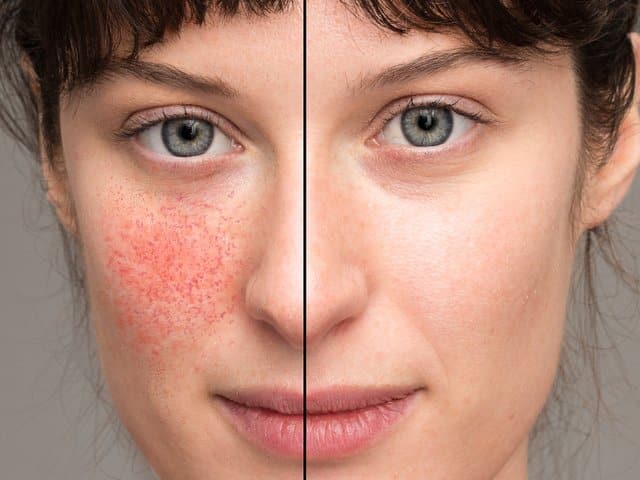
Later, redness may last longer. Fine blood vessels may also become easier to see. Some people develop acne-like bumps, but rosacea is not the same as acne.
The main patterns include:
Facial flushing
Flushing is often the first sign. Common triggers include sunlight, hot drinks, exercise, emotional stress, and temperature changes.
Persistent redness
Redness that remains between flares may suggest a more established form of rosacea. It may look like a soft pink or red stain on the face.
Bumps and pustules
Some people develop tender bumps or small pustules. These can look like acne, but blackheads are less common with rosacea.
Visible blood vessels
Small facial blood vessels may become more noticeable. This sign is called telangiectasia.
Eye rosacea
Eye symptoms can include burning, dryness, watery eyes, swollen eyelids, and a gritty feeling. Eye pain or vision changes require prompt medical care.
Thickened skin
In a small number of people, long-term inflammation may cause thicker skin. This is most often linked with rhinophyma, which affects the nose.
If you are asking, “does rosacea go away with age,” the type of rosacea you have matters. Some symptoms may fade, while others may slowly become more persistent.

Does rosacea get better or worse with age?
Rosacea can get better, stay stable, or become worse with age. There is no single timeline that applies to everyone.
Some adults report fewer flushing episodes later in life. This may happen after they identify triggers and build a steady skin care routine. It may also relate to changes in hormones or daily habits.
Other people notice that facial redness becomes more constant. Repeated inflammation can make blood vessels more visible. Untreated symptoms may also affect the eyes or cause skin thickening.
Research and clinical guidance suggest that early treatment may help reduce the risk of ongoing symptoms. Treatment cannot always prevent every flare, but it can lower inflammation and improve comfort.
Signs that rosacea may be worsening include:
• Flares that happen more often
• Redness that lasts for days or weeks
• New bumps or pustules
• Burning or stinging after using skin products
• Increasingly visible blood vessels
• Eye irritation, swelling, or light sensitivity
• Thickening skin on the nose or another facial area
If your symptoms are changing, a dermatologist can check whether you have rosacea or another condition. Seborrheic dermatitis, lupus, acne, contact dermatitis, and sun damage can cause similar redness.

Can menopause or hormones affect rosacea?
Hormonal changes may affect rosacea, especially during perimenopause and menopause. Hot flashes can look like rosacea flushing or can trigger it.
During menopause, the skin may also become drier and more sensitive. Lower estrogen levels can affect the skin barrier and moisture level. This may make products sting more than they did before.
Hormones are not the only cause of rosacea. However, they may change how strongly your skin reacts to heat, stress, and other triggers.
Helpful steps include:
• Track flushing and hot flashes in the same diary.
• Use a gentle, fragrance-free moisturizer.
• Avoid very hot showers and hot facial steam.
• Dress in light layers to manage body heat.
• Ask a health professional about safe menopause care.
• Do not stop prescribed hormone medicine without medical advice.
If redness begins suddenly during menopause, do not assume it is rosacea. A medical review can help identify the cause.
What triggers rosacea at any age?
Rosacea triggers differ from one person to another. A trigger is not the root cause of rosacea, but it can start a flare.
A trigger diary can help you find your own pattern. Record what happened before a flare, how long it lasted, and what helped.
Common triggers include:
• Sunlight and ultraviolet exposure
• Hot weather or cold wind
• Hot coffee, tea, or soup
• Spicy foods
• Alcohol, especially red wine
• Hard exercise
• Emotional stress
• Very hot baths or showers
• Fragranced skin care products
• Strong exfoliants
• Corticosteroid creams used on the face without medical advice
You do not need to avoid every item on this list. That can make daily life stressful and restrictive. Instead, focus on the triggers that clearly affect you.
For example, you may tolerate tomatoes but react to hot sauce. You may enjoy exercise but need a cool room and water breaks. Personalized changes are usually more useful than strict rules.

How to manage rosacea as you age
A steady routine often works better than a long list of products. Think of your skin barrier as a brick wall. Harsh products can remove the protective “mortar” between the bricks.
Use gentle skin care
Wash with lukewarm water and a mild cleanser. Avoid scrubs, rough washcloths, and strong brushes.
Choose products labeled:
• Fragrance-free
• For sensitive skin
• Non-comedogenic
• Alcohol-free, when possible
Apply moisturizer after washing. A healthy skin barrier can reduce dryness and stinging.
Protect your skin from the sun
Sun exposure is a major rosacea trigger. Use a broad-spectrum SPF 30 or higher every day.
Mineral sunscreens with zinc oxide or titanium dioxide may feel more comfortable for sensitive skin. Wear a wide-brimmed hat and seek shade during strong sunlight.
Follow prescribed treatment
A dermatologist may recommend treatments such as:
• Metronidazole
• Azelaic acid
• Ivermectin
• Brimonidine or oxymetazoline for facial redness
• Low-dose doxycycline for inflammatory bumps
• Laser or light treatment for visible blood vessels
The best treatment depends on your symptoms. A product that helps bumps may not remove fixed redness. Likewise, a redness-reducing gel may not treat eye symptoms.
Avoid self-treating with steroid creams
Steroid creams can briefly reduce redness, but they may worsen rosacea or cause rebound symptoms when stopped. Use them on the face only when a qualified clinician tells you to do so.

Does rosacea go away with age without treatment?
Rosacea may seem to go away for a while without treatment, but that does not always mean the condition has ended. It may simply be in a quiet phase.
Some people experience long periods with few symptoms. Then a sunny vacation, illness, stress, or new product may cause another flare.
Without care, repeated inflammation may lead to more lasting redness or visible blood vessels. This does not happen to everyone, but it is one reason early evaluation can be useful.
A practical approach is to seek care if:
• Redness continues for several weeks
• Flares affect work, sleep, or social life
• Over-the-counter products burn or worsen your skin
• You develop painful bumps
• Your eyes feel gritty, sore, or light-sensitive
• You notice thickened skin
A dermatologist can confirm the diagnosis and explain realistic treatment goals. The aim is often control, not a permanent cure.

When to see a dermatologist
You do not need to wait until rosacea becomes severe. Early advice can prevent months of trial and error.
Seek medical care when redness is new, persistent, painful, or spreading. A clinician can also rule out other causes of facial redness.
Make an appointment promptly if you have:
• Eye pain
• Blurred vision
• Strong light sensitivity
• A painful red eye
• Sudden facial swelling
• A rash that affects other parts of the body
Eye rosacea can affect the cornea in rare cases. Vision symptoms are not something to watch at home.
During an appointment, share your symptoms, triggers, products, medicines, and family history. A simple phone photo during a flare can help because rosacea may look calmer on the day of your visit.
Common mistakes that can make rosacea worse
Many people make the same understandable mistakes when they first notice facial redness. They treat rosacea like acne, scrub the skin, or keep changing products.
Common mistakes include:
• Using harsh acne washes
• Exfoliating red skin
• Trying several new products at once
• Applying fragranced oils
• Using tanning beds
• Ignoring eye symptoms
• Stopping treatment as soon as the skin improves
• Expecting one product to treat every rosacea symptom
A simple routine makes it easier to see what helps. Add only one new product at a time, and test it on a small area first.
One useful lesson from patient care and skin health education is that consistency usually beats intensity. Gentle care every day often does more than an aggressive routine used for one week.
Can diet help rosacea?
Diet may help reduce flares for some people, but there is no single rosacea diet. Evidence is stronger for identifying personal triggers than for banning broad food groups.
Try tracking foods and drinks for several weeks. Note the portion, temperature, and symptoms. A hot drink may trigger flushing because of its heat, not because of caffeine.
Helpful habits may include:
• Let hot drinks cool before drinking them.
• Limit alcohol if it causes flushing.
• Eat spicy foods in smaller amounts if needed.
• Drink water during exercise or hot weather.
• Avoid extreme diets without medical guidance.
If you remove many foods, speak with a registered dietitian. Restrictive eating can cause stress and nutrient gaps without improving rosacea.
Does rosacea go away with age? What research suggests
Current medical guidance treats rosacea as a chronic condition with periods of improvement and worsening. There is no reliable evidence that normal aging cures it.
Studies have linked rosacea with immune system activity, blood vessel reactivity, skin microbes, and environmental triggers. The exact cause is still not fully understood.
Research also shows that treatment can improve symptoms and quality of life. However, results vary. Some treatments reduce bumps, while others target facial redness or visible blood vessels.
This means the most accurate answer to “does rosacea go away with age” is that age may change the pattern, but it does not guarantee remission. Good care can make rosacea far less noticeable and far easier to live with.
Frequently asked questions about does rosacea go away with age
Does rosacea go away permanently?
Rosacea usually does not have a permanent cure, but treatment can control it well. Some people have long quiet periods with few or no visible symptoms.
Does rosacea get worse after age 50?
It can, but not always. Some people have more persistent redness or visible blood vessels, while others have fewer flares after identifying their triggers.
Can children or young adults outgrow rosacea?
Rosacea is less common in children, and facial redness may have another cause. Young adults should receive a proper diagnosis rather than assume the redness will disappear with age.
Can untreated rosacea cause permanent redness?
Repeated inflammation may lead to lasting redness or visible blood vessels in some people. Early treatment and sun protection may help limit these changes.
Does menopause cure rosacea?
Menopause does not cure rosacea. Hormonal changes may reduce some flushing for one person and worsen flushing for another.
Can rosacea affect the eyes?
Yes. Eye rosacea may cause dryness, burning, swollen eyelids, or a gritty feeling. Eye pain, vision changes, or light sensitivity need prompt medical attention.
Is rosacea the same as acne?
No. Rosacea can cause acne-like bumps, but it usually involves flushing and facial redness. Blackheads are more typical of acne than rosacea.
How long does a rosacea flare last?
A flare may last minutes, hours, days, or longer. The length depends on the trigger, the type of rosacea, and whether treatment is used.
Conclusion
So, does rosacea go away with age? Usually, it does not disappear completely, but symptoms can improve, remain stable, or become more persistent. Age, hormones, sun exposure, skin care, stress, and treatment all shape the pattern.
The most useful steps are simple: protect your skin from the sun, avoid your personal triggers, use gentle products, and seek medical advice for ongoing or changing symptoms. Do not wait for rosacea to become severe before asking for help. Explore trusted dermatology resources, keep a trigger diary, and discuss a personalized treatment plan with a qualified professional.
