
Rosacea usually does not go away by itself, but symptoms can fade and stay controlled with proper care.
If you wonder, “can rosacea go away by itself,” the honest answer is usually no. Rosacea is a long-term skin condition with periods of flares and calm. Understanding its early signs, common triggers, and treatment options can help protect your skin and prevent symptoms from getting worse.
What Is Rosacea?
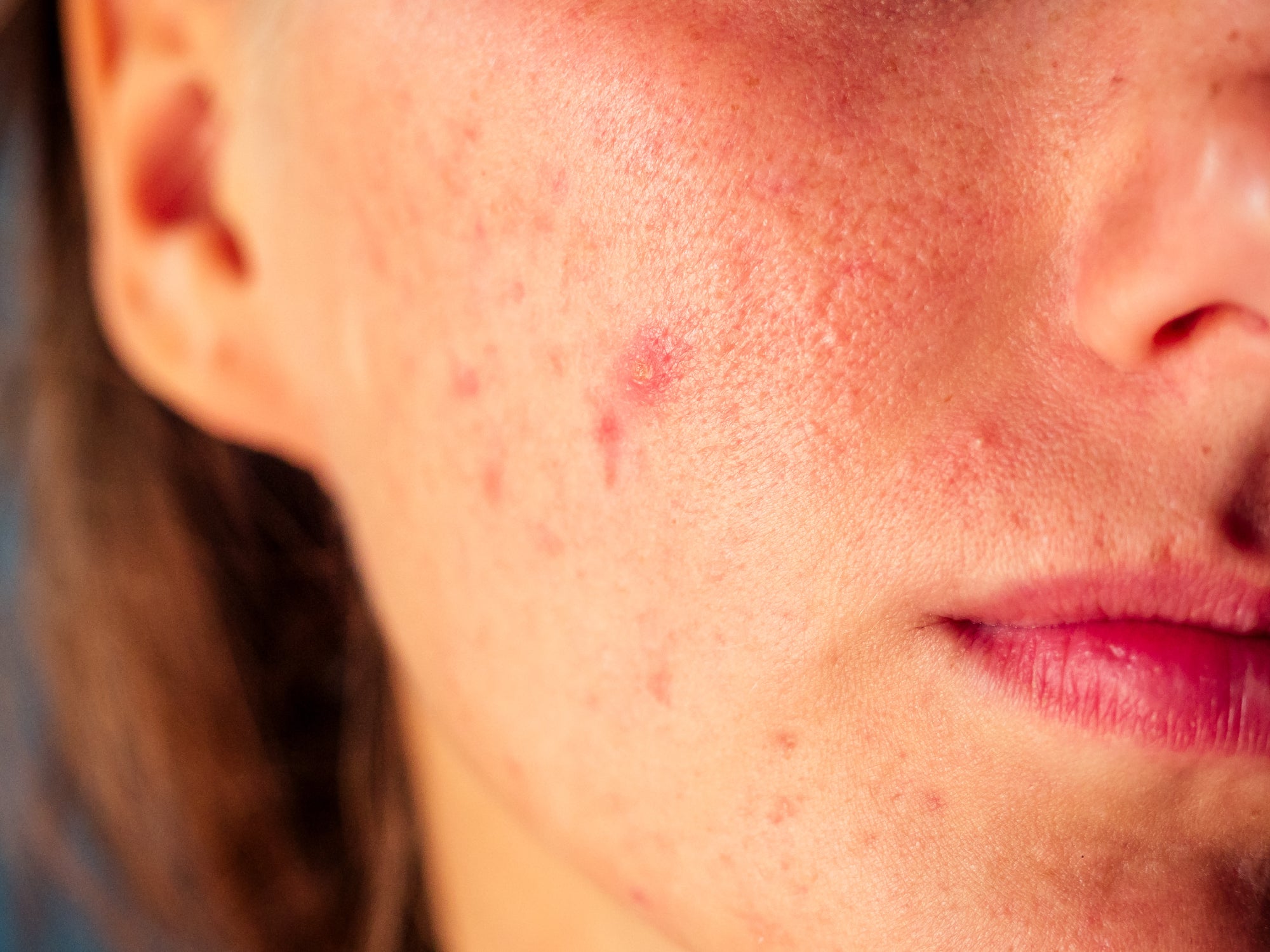
Rosacea is a chronic inflammatory skin condition that mainly affects the center of the face. It often causes redness on the cheeks, nose, chin, or forehead. Some people also develop small bumps, visible blood vessels, burning, or eye symptoms.
Rosacea can look different from one person to another. One person may have mild flushing, while another may have persistent redness and acne-like bumps. This is one reason people ask, “can rosacea go away by itself?” They may notice that their skin looks better for a few days or weeks.
The main types of rosacea include:
• Erythematotelangiectatic rosacea, which causes flushing, lasting redness, and visible small blood vessels
• Papulopustular rosacea, which causes red bumps and pus-filled spots
• Phymatous rosacea, which can cause thickened skin, often around the nose
• Ocular rosacea, which affects the eyes and eyelids and may cause dryness, irritation, or a gritty feeling
Rosacea is not contagious. It is also not the same as acne, eczema, or an allergic rash, although it may resemble these conditions.

Can Rosacea Go Away by Itself?
For most people, rosacea does not completely disappear without treatment or lifestyle changes. Symptoms may improve on their own, but the condition often returns because rosacea tends to follow a cycle of flares and remission.
A flare is a period when redness, bumps, burning, or irritation become more noticeable. Remission is a calmer period when the skin looks and feels better. Remission does not always mean the condition has been cured.
So, can rosacea go away by itself after one flare? Sometimes mild redness fades without treatment. However, repeated flares may slowly lead to more constant redness, broken blood vessels, or thickened skin.
Rosacea is often easier to manage when treated early. Waiting for it to vanish can allow symptoms to become more stubborn. A dermatologist can help confirm the diagnosis and suggest a plan based on your symptoms.

Why Rosacea May Seem to Disappear
Rosacea symptoms can be unpredictable. Your skin may look normal one week and red or irritated the next. Several factors can explain this pattern.
Symptoms can come and go
Rosacea is often quiet between flares. A person may stop noticing redness and assume the condition is gone. Then a hot drink, sunny day, stressful event, or glass of wine may trigger another flare.
This pattern can make people ask, “can rosacea go away by itself?” The better question is often whether the condition is controlled rather than cured.
Triggers may change
Your skin may improve when you avoid a trigger without realizing it. For example, symptoms may settle after a vacation because you sleep more, spend less time in dry indoor air, or use fewer skin products.
When the trigger returns, the redness may return too. Keeping a simple symptom diary can help you spot these links.
Inflammation may settle
Rosacea involves blood vessel changes and inflammation in the skin. Inflammation can calm down naturally for a while. That calm period can feel like a cure, but it may not remove the condition itself.
Common Rosacea Triggers
Triggers do not cause rosacea in every person. Still, many people notice that certain events make their symptoms worse.
Common triggers include:
• Sun exposure and heat
• Hot weather or sudden temperature changes
• Hot coffee, tea, or soup
• Alcohol, especially red wine
• Spicy foods
• Emotional stress
• Intense exercise
• Hot baths, saunas, or steam rooms
• Wind and cold weather
• Harsh skin care products
• Scrubs, facial brushes, and strong acids
• Certain medicines that widen blood vessels
You do not need to avoid every item on this list. Trigger patterns differ. The goal is to learn what affects your skin and make practical changes rather than follow a very strict diet without a clear reason.

Can Rosacea Get Worse Without Treatment?
Rosacea may stay mild for years, but it can also become more persistent. Some people develop more frequent flushing or redness that no longer fades fully between flares.
Untreated rosacea may lead to:
• Ongoing facial redness
• More visible blood vessels
• Red bumps and pustules
• Burning or stinging skin
• Thickened skin, especially on the nose
• Eye irritation and dry eyes
This does not mean every person will develop severe rosacea. It means that symptoms deserve attention, especially when they occur often or affect daily life.
A common mistake is treating rosacea like acne with strong benzoyl peroxide, scrubs, or drying products. These products may irritate sensitive skin and worsen redness. A gentle approach is usually safer until a clinician confirms the diagnosis.
How Rosacea Is Diagnosed
There is no single blood test for rosacea. A doctor or dermatologist usually diagnoses it by examining your skin and asking about your symptoms, triggers, and medical history.
The clinician may ask:
• When did the redness begin?
• Does your face flush easily?
• What products or foods make symptoms worse?
• Do you have eye dryness, pain, or sensitivity to light?
• Have you tried acne or allergy treatments?
Rosacea can look like acne, lupus, seborrheic dermatitis, contact dermatitis, or sun damage. An accurate diagnosis matters because each condition needs a different treatment.
If redness appears suddenly, spreads quickly, or comes with facial swelling or breathing trouble, seek urgent medical help. Those signs may point to an allergic reaction or another urgent problem rather than rosacea.

Treatment Options That Help Control Rosacea
Treatment cannot always cure rosacea, but it can reduce flares and improve the skin’s appearance. Your plan may include skin care, trigger control, prescription medicine, or procedures.
Gentle skin care
Use a mild, fragrance-free cleanser and lukewarm water. Pat your face dry instead of rubbing it.
A basic routine may include:
Cleanse gently once or twice daily.
Apply a plain moisturizer made for sensitive skin.
Use broad-spectrum SPF 30 or higher every morning.
Avoid scrubs, rough towels, and very hot water.
Mineral sunscreens with zinc oxide or titanium dioxide may feel more comfortable for some people with sensitive skin. Test a new product on a small area first.
Prescription treatments
A dermatologist may prescribe treatments such as:
• Metronidazole cream or gel
• Azelaic acid
• Ivermectin cream
• Brimonidine or oxymetazoline for temporary redness reduction
• Low-dose doxycycline for inflammatory bumps
The right medicine depends on the type and severity of rosacea. Do not use prescription drugs from another person, and do not assume that an acne antibiotic is appropriate for your skin.
Laser and light treatments
Laser or intense pulsed light treatment may reduce visible blood vessels and persistent redness. These procedures should be performed by a qualified medical professional.
Results vary. Several sessions may be needed, and treatment does not prevent future flares. Sun protection remains important after treatment.
What You Can Do at Home
Home care cannot answer “can rosacea go away by itself,” but it can support calmer skin. Small, steady habits often work better than dramatic changes.
Try these steps:
• Keep a trigger diary for four to six weeks.
• Apply sunscreen every day, even when the sky looks cloudy.
• Drink hot beverages at a cooler temperature.
• Let your face cool slowly after exercise.
• Use a soft hat or seek shade in strong sunlight.
• Choose fragrance-free skin products.
• Introduce only one new product at a time.
• Avoid picking bumps or squeezing spots.
• Wash with lukewarm water.
• Protect your face from strong wind and cold.
If stress triggers flushing, simple tools such as slow breathing, regular sleep, and moderate exercise may help. These steps will not cure rosacea, but they can reduce the number of situations that set off symptoms.
Rosacea and Eye Symptoms
Ocular rosacea can affect the eyelids, eyes, and nearby skin. Symptoms may include dryness, burning, watery eyes, redness, swollen eyelids, or a gritty sensation.
Eye symptoms should not be ignored. In some cases, rosacea can affect the cornea, the clear surface at the front of the eye. This may affect vision and requires medical care.
Contact an eye doctor promptly if you have:
• Eye pain
• Blurred vision
• Strong light sensitivity
• A feeling that something is stuck in the eye
• Severe redness or swelling
Avoid using leftover eye drops or steroid drops without medical advice. The wrong product may hide symptoms or cause harm.
When to See a Dermatologist
Make an appointment if facial redness keeps returning, lasts for weeks, or causes burning and discomfort. You should also seek care if over-the-counter products have not helped.
Professional advice is especially useful when:
• You are not sure whether the problem is rosacea
• Red bumps do not improve with gentle care
• Redness is becoming permanent
• Visible blood vessels are increasing
• Symptoms affect your confidence or social life
• Your eyes feel dry, painful, or irritated
A dermatologist can separate rosacea from other skin problems. This can prevent months of trial and error with products that may irritate your face.
Mistakes That Can Make Rosacea Worse
Many people unintentionally irritate their skin while trying to fix it. The most common mistake is using too many products at once.
Avoid these habits:
• Scrubbing red skin to “remove” the redness
• Using alcohol-based toners
• Applying strong acne products without guidance
• Changing several products in the same week
• Ignoring daily sun protection
• Taking antibiotics without a prescription
• Assuming every facial bump is acne
• Using very hot water on the face
Another mistake is blaming yourself for every flare. Rosacea is not caused by poor hygiene. It is a medical skin condition, and symptoms can occur even when you follow a careful routine.
How Long Does Rosacea Last?
A rosacea flare may last for hours, days, or weeks. The length depends on the trigger, the type of rosacea, and whether treatment begins.
Some people have occasional flushing. Others have symptoms that remain for months. Because rosacea is chronic, there is no reliable timeline for when it will disappear completely.
If you are asking, “can rosacea go away by itself,” remember that improvement is still possible. The aim is to reduce symptoms, protect the skin barrier, and prevent flares from becoming more frequent.
A treatment plan may need adjustment over time. Skin can respond well at first and then change. Follow-up care helps keep treatment safe and useful.
What Research and Medical Guidance Suggest
Medical guidance generally describes rosacea as a chronic condition rather than a temporary rash. Research links it to changes in blood vessels, immune activity, skin barrier function, and possibly microorganisms that live on the skin.
The exact cause is not fully understood. Genetics, sunlight, heat, immune responses, and skin sensitivity may all play a role. This uncertainty is important because no single treatment works for everyone.
Medical organizations commonly recommend:
• Daily sun protection
• Gentle skin care
• Identifying personal triggers
• Professional diagnosis
• Prescription treatment when needed
Evidence supports several treatments, but results can vary. A responsible treatment plan should consider your symptoms, other health conditions, medicines, pregnancy status, and personal goals.
Frequently Asked Questions About Can Rosacea Go Away by Itself
Can mild rosacea go away without treatment?
Mild rosacea may become less noticeable without treatment, especially when you avoid a trigger. However, it can return, so fading symptoms do not always mean the condition is gone.
Is rosacea a permanent condition?
Rosacea is usually considered a long-term condition. It may have quiet periods, but many people need ongoing skin care and occasional treatment to control flares.
Can rosacea be cured permanently?
There is currently no guaranteed permanent cure for rosacea. Treatment can reduce redness, bumps, visible blood vessels, and discomfort, and some people achieve long periods with few symptoms.
Will avoiding triggers make rosacea disappear?
Avoiding personal triggers can greatly reduce flares, but it may not eliminate rosacea. Sun protection and gentle skin care are often helpful even when you cannot identify every trigger.
Can rosacea turn into acne?
Rosacea and acne are different conditions, although rosacea can cause acne-like bumps. Using strong acne products without a diagnosis may irritate rosacea, so ask a dermatologist for guidance.
When should I seek medical care for rosacea?
See a dermatologist if redness continues, keeps returning, or causes burning, bumps, or visible blood vessels. Seek prompt eye care for eye pain, blurred vision, or strong light sensitivity.
Conclusion
So, can rosacea go away by itself? It may fade for a while, but it usually does not disappear permanently without management. Rosacea often moves between flares and calm periods, and early care can help prevent symptoms from becoming more persistent.
Start with gentle skin care, daily sunscreen, and a simple trigger diary. If redness continues or affects your eyes, comfort, or confidence, arrange a professional evaluation. Use this guide as a starting point, explore trusted dermatology resources, and share your experience or questions in the comments.
