
Yes, rosacea can come and go daily, with symptoms changing as triggers, stress, and skin conditions shift.
Rosacea is a long-term inflammatory skin condition, but it rarely looks the same every day. One morning, your face may seem calm. By evening, heat, sunlight, spicy food, exercise, alcohol, or stress may bring back redness, flushing, bumps, or burning. Understanding why rosacea can come and go daily can help you spot patterns, protect your skin barrier, and choose better treatment with a healthcare professional.
Can rosacea come and go daily?
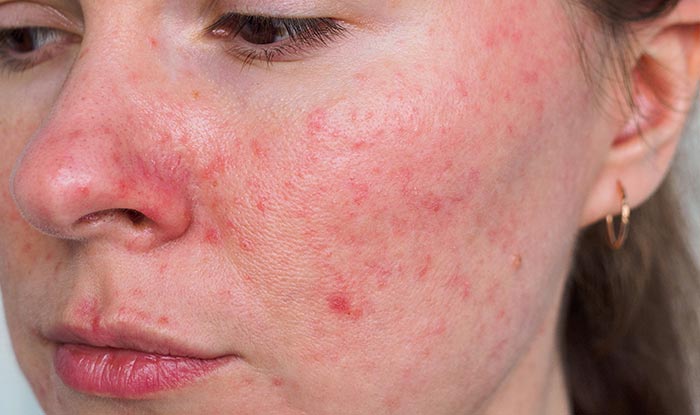
Yes, rosacea can come and go daily. Symptoms may last for minutes, hours, or much longer. Some people notice brief flushing, while others develop redness, small bumps, visible blood vessels, or eye discomfort.
Rosacea often behaves like a sensitive alarm system. It reacts too strongly to normal changes in temperature, blood flow, skin products, or emotions. Once the trigger passes, the skin may settle again.
However, daily changes do not always mean rosacea is the cause. Acne, contact dermatitis, lupus, seborrheic dermatitis, heat rash, and allergic reactions can look similar. A clinician can help confirm the diagnosis.
Why does rosacea flare and then fade?
Rosacea symptoms can change because the blood vessels and immune system in facial skin respond to internal and external signals. A flare may start suddenly, then improve when the trigger ends or the skin cools.
Common reasons rosacea can come and go daily include:
• Heat and cold: Hot weather, cold wind, heated rooms, and sudden temperature changes can trigger flushing.
• Sun exposure: Ultraviolet light can cause redness even on days that do not feel especially warm.
• Exercise: Physical activity raises body temperature and increases blood flow to the face.
• Food and drinks: Spicy foods, hot coffee, tea, and alcohol may cause temporary flushing in some people.
• Stress and strong emotions: Anxiety, embarrassment, anger, and excitement can widen facial blood vessels.
• Skin care products: Fragrance, menthol, camphor, alcohol, exfoliating acids, and strong retinoids may irritate sensitive skin.
• Hormonal changes: Menopause and other hormone shifts can affect flushing patterns.
• Poor sleep: Lack of sleep may increase stress and make the skin feel more reactive.
• Certain medicines: Some drugs can cause flushing or make blood vessels more sensitive. Never stop a prescribed medicine without medical advice.
This is why rosacea can come and go daily without being imaginary or unpredictable. The pattern may be hard to see until you track what happens before each flare.

What does daily rosacea look like?
Daily rosacea may cause different symptoms at different times. One person may have flushing after lunch, while another may notice burning after washing the face at night.
Possible symptoms include:
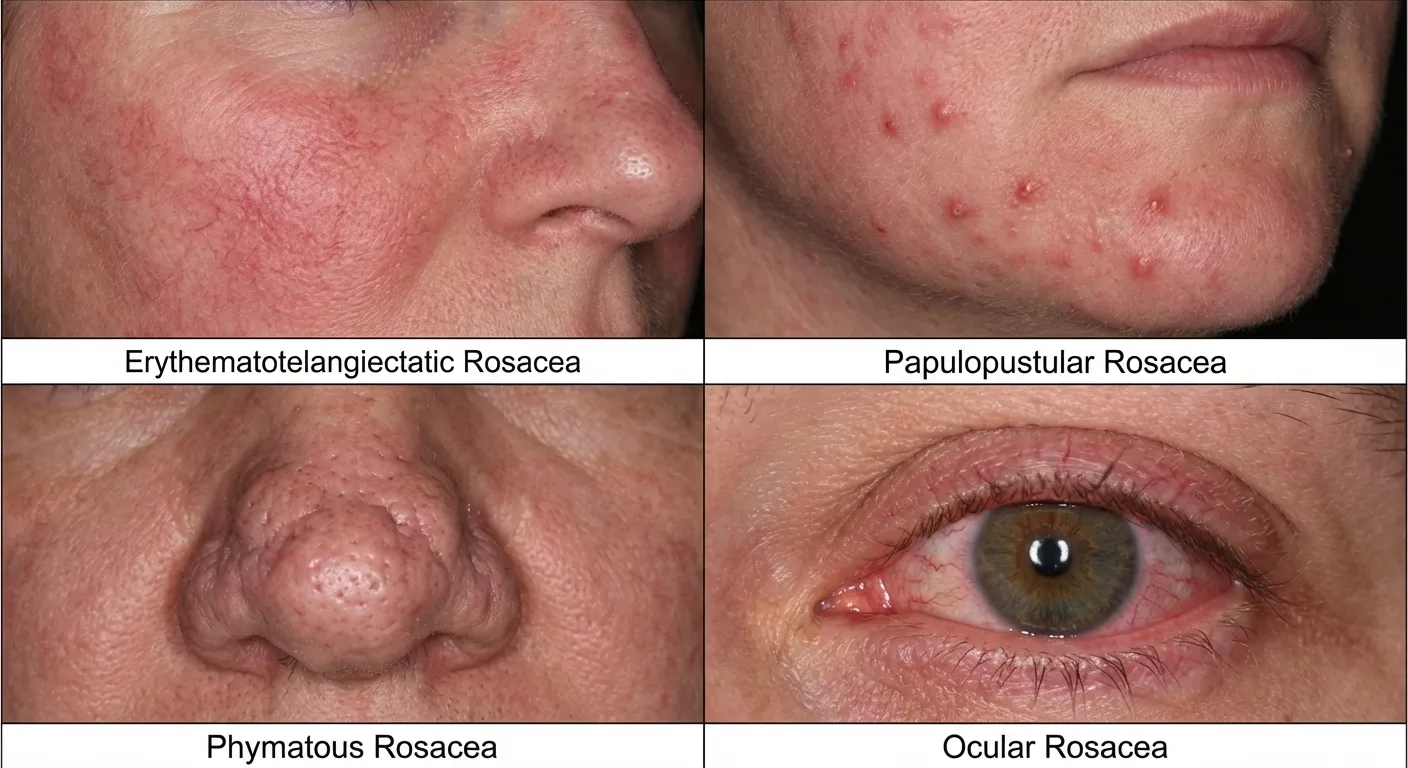
• Redness across the cheeks, nose, chin, or forehead
• Warmth, stinging, or burning
• Small red bumps and pus-filled spots
• Visible tiny blood vessels
• Dry, rough, or swollen skin
• Red or irritated eyes
• Eyelid swelling or a gritty feeling in the eyes
Rosacea can also change over time. Early flushing may last only a few minutes. Later, redness may remain for longer periods. This does not happen to everyone, and symptoms do not always progress.
A useful clue is repetition. If your face becomes red after the same drink, product, workout, or weather change, rosacea may be reacting to a repeated trigger. Still, a pattern alone cannot prove the diagnosis.
Can rosacea flare more than once a day?
Yes. Rosacea can flare more than once a day, especially when several triggers occur close together. For example, a person might drink hot coffee in the morning, exercise at lunch, and sit near a heater in the evening.
These repeated exposures can make the skin seem constantly unstable. The first flare may also leave the skin more sensitive, so a smaller trigger causes another reaction later.
To understand whether rosacea can come and go daily in your case, track symptoms for two to four weeks. Write down:
• The time symptoms began and ended
• Foods and drinks
• Weather and indoor temperature
• Exercise and stress
• Skin care and makeup products
• Sleep quality
• Medicines and supplements
• Menstrual or hormonal changes, if relevant
Use a simple scale from zero to ten for redness, burning, and bumps. Photos taken in similar lighting can also help your clinician see changes that may not be present during an appointment.

How can you tell a rosacea flare from another skin problem?
Rosacea can resemble several other conditions. A daily pattern may offer clues, but it is not enough for self-diagnosis.
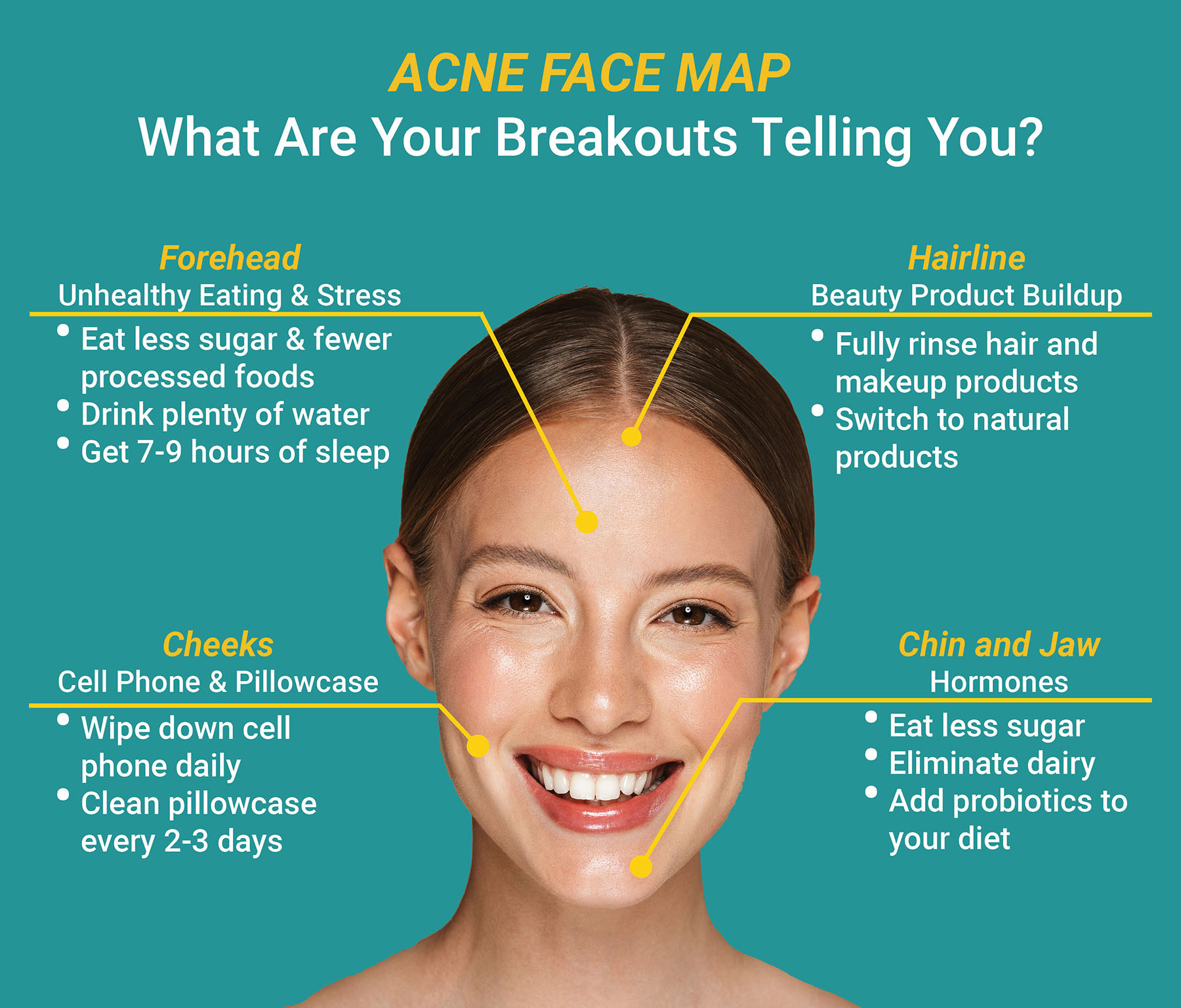
Rosacea often affects the central face and may include flushing, persistent redness, bumps, visible vessels, or burning. Acne usually includes clogged pores such as blackheads and whiteheads, which are not typical of rosacea.
Contact dermatitis may cause intense itching, scaling, or a rash where a product touched the skin. Seborrheic dermatitis often affects the sides of the nose, eyebrows, scalp, and hairline, with greasy or flaky scale.
Lupus can cause facial redness, but its pattern and other symptoms differ. A rash that lasts for days, worsens with sunlight, or appears with joint pain, fatigue, mouth sores, or hair loss needs medical assessment.
Seek prompt care for:
• Sudden facial swelling
• Trouble breathing or swallowing
• Severe eye pain or vision changes
• A painful rash with blisters
• Fever or signs of infection
• A rash that spreads quickly
These signs may point to a problem other than ordinary rosacea.

What helps calm rosacea that comes and goes daily?
Treatment depends on the type and severity of rosacea. A dermatologist may recommend a gentle skin care plan, prescription creams or gels, oral medicine, laser treatment, or a combination.
Helpful daily steps include:
• Wash with lukewarm water and a gentle, fragrance-free cleanser.
• Use your fingertips instead of scrubs, brushes, or rough cloths.
• Apply a plain moisturizer to support the skin barrier.
• Wear broad-spectrum SPF 30 or higher every day.
• Choose mineral sunscreen with zinc oxide or titanium dioxide if chemical sunscreen stings.
• Avoid picking or squeezing bumps.
• Test one new product at a time on a small area.
• Protect your face from wind, cold, and strong heat.
• Cool down slowly after exercise rather than applying ice directly to the skin.
A skin care routine should feel calm, not harsh. Many people make the mistake of treating rosacea like acne by using strong scrubs, benzoyl peroxide, or several acids at once. That approach can damage the skin barrier and make rosacea can come and go daily even more noticeable.
Medical treatments for daily rosacea flares
A healthcare professional may use different treatments for different rosacea symptoms. There is no single treatment that works for everyone.
For persistent redness, a clinician may prescribe medicines that reduce visible redness by narrowing facial blood vessels for several hours. Other prescription creams may reduce inflammation and bumps over time.
Common medical options may include:
• Topical metronidazole for inflammatory lesions
• Azelaic acid for bumps and redness
• Ivermectin for inflammatory bumps linked to skin mite sensitivity
• Brimonidine or oxymetazoline for temporary redness reduction
• Oral doxycycline at an anti-inflammatory dose for some cases
• Laser or light-based treatment for visible blood vessels and persistent redness
The right option depends on your symptoms, skin tone, pregnancy status, other medicines, and medical history. Some treatments can irritate the skin at first, so follow the prescribed schedule and report worsening symptoms.
Treatment is usually about control rather than a permanent cure. The goal is to reduce flares, protect the skin, and improve comfort and confidence.

How to prevent rosacea from coming and going every day
You may not be able to avoid every flare, but you can often reduce how often it happens. Start with the triggers that affect you most.
Try these practical steps:
Keep a trigger diary for at least two weeks.
Change only one habit at a time.
Replace hot drinks with warm or cool drinks.
Limit alcohol if it causes flushing.
Use shade, a wide-brimmed hat, and sunscreen outdoors.
Exercise in a cool room and take breaks when your face feels hot.
Keep showers warm rather than hot.
Use fragrance-free products made for sensitive skin.
Practice slow breathing during stressful moments.
Ask your clinician whether any medicine may be causing flushing.
Do not create an overly restrictive diet based on fear. A trigger for one person may not affect another. The best plan is personal, flexible, and based on repeated evidence.

When should you see a dermatologist?
Make an appointment if facial redness keeps returning, lasts longer than usual, causes burning, or affects your quality of life. Early care may help prevent symptoms from becoming more persistent.
See a dermatologist if over-the-counter products have not helped, if bumps are increasing, or if you are unsure whether the rash is rosacea. Bring your symptom diary, product list, medicine list, and photos.
Eye symptoms deserve special attention. Rosacea may affect the eyelids and eyes, causing dryness, irritation, redness, light sensitivity, or a gritty feeling. Eye pain, blurred vision, or strong light sensitivity requires prompt medical care.
A dermatologist may examine your skin and eyes, ask about triggers, and rule out similar conditions. Rosacea is usually diagnosed by its appearance and history. There is no single blood test that confirms every case.

Personal lessons that make daily rosacea easier to manage
One of the most useful lessons from working with health information is that people often focus on the last thing they used, not the full pattern. A new cream may receive the blame when the real combination was sunlight, heat, stress, and a damaged skin barrier.
Another common mistake is changing the whole routine at once. If you add three products and your skin worsens, you cannot know which product caused the problem. A slower approach gives you clearer answers and less irritation.
Think of your skin like a smoke alarm. You do not want to remove the alarm because it sounds; you want to learn what sets it off and make the environment safer. Tracking triggers, using gentle care, and getting a correct diagnosis can make rosacea can come and go daily feel far more manageable.
Frequently Asked Questions About Can Rosacea Come and Go Daily
Can rosacea disappear for a few hours and return later?
Yes. Rosacea can improve when a trigger ends, then return after heat, exercise, stress, food, or another trigger. Temporary improvement does not mean the condition has permanently gone away.
Is daily flushing always rosacea?
No. Daily flushing may also result from menopause, medicines, allergies, heat exposure, anxiety, thyroid conditions, or other skin problems. A clinician should evaluate repeated or unexplained flushing.
Can rosacea come and go daily because of food?
Yes, certain foods and drinks may trigger flushing in some people. Common examples include alcohol, spicy food, and very hot beverages, but personal triggers vary.
Should I stop using all skin care products during a flare?
Do not necessarily stop everything. Use a gentle cleanser, plain moisturizer, and sunscreen, while pausing products that sting or contain strong exfoliants, fragrance, or irritating ingredients.
Can stress make rosacea flare every day?
Stress can trigger or worsen flushing in some people. Stress control will not cure rosacea, but sleep, slow breathing, regular movement, and professional support may help reduce flare intensity.
Is rosacea contagious?
No. Rosacea is not contagious and cannot spread from person to person through touch, kissing, towels, or shared household items.
Can rosacea affect the eyes?
Yes. Ocular rosacea can cause dry, gritty, red, swollen, or irritated eyes. Eye pain, vision changes, or strong light sensitivity should be assessed promptly.
Conclusion
Rosacea can come and go daily, especially when triggers such as heat, sunlight, stress, exercise, food, or irritating products affect sensitive facial skin. Daily flares are common, but repeated redness should not be dismissed, because other conditions can look similar.
Track your symptoms, keep your routine gentle, protect your skin from the sun, and seek professional care if flares continue or involve your eyes. With the right diagnosis and plan, many people can reduce symptoms and feel more confident in their skin. Share your experience with a healthcare professional and explore trusted dermatology resources for the next step.
