
Yes, combination skin can use normal skin products when they are gentle, balanced, and adjusted for oily and dry areas.
If you wonder, “can combination skin use normal skin products,” the answer depends on the formula, not the label alone. Combination skin has more than one need at the same time: the T-zone may look shiny, while the cheeks feel dry, tight, or sensitive. With the right ingredients and a simple routine, normal-skin products can work well without causing oiliness or irritation.

Can combination skin use normal skin products?
Yes, combination skin can use normal skin products if those products support the skin barrier and do not contain too much oil, fragrance, or harsh alcohol. Products made for normal skin are often designed to maintain balance. That goal can also suit combination skin.
Still, combination skin is not exactly the same as normal skin. Normal skin usually has balanced oil levels, small pores, and few dry patches. Combination skin has areas with different behavior, so one product may feel perfect on the cheeks but heavy around the nose.
When asking, “can combination skin use normal skin products,” think about your skin’s response rather than the product category. A gentle cleanser, light moisturizer, and daily sunscreen often work across many skin types.
The best approach is to use normal-skin products as a base. Then, add small changes for oily or dry zones when needed.

Understanding combination skin
Combination skin usually has an oily T-zone and drier cheeks. The T-zone includes the forehead, nose, and chin. These areas often produce more sebum because they contain more active oil glands.
The cheeks may feel normal, dry, rough, or tight. Some people also notice clogged pores near the nose and chin, along with flaking near the mouth. Weather, hormones, stress, age, and skin care habits can all affect this pattern.
Combination skin can change throughout the year. For example, summer heat may increase shine, while cold air can make the cheeks feel dry. This is why a fixed routine may not work equally well every month.
Common signs include:
- Shine on the forehead, nose, or chin
- Dryness or tightness on the cheeks
- Enlarged-looking pores in the T-zone
- Occasional breakouts near oily areas
- Uneven texture or mild flaking
- Makeup that becomes oily in one area and patchy in another
If your skin feels both oily and dry, that does not mean it is unhealthy. It simply means your routine should be flexible.

Why normal skin products may work for combination skin
Many normal-skin products focus on mild cleansing, basic hydration, and barrier support. These are useful goals for combination skin too. In fact, combination skin often becomes harder to manage when people use products that are too strong.
For example, a harsh cleanser may remove too much oil from the cheeks. The skin may then feel dry while the T-zone still looks shiny. A gentle product can clean the face without creating this cycle.
So, can combination skin use normal skin products without problems? Often, yes. Look for formulas with simple ingredients and a light texture.
Useful ingredients may include:
- Glycerin for water-based hydration
- Hyaluronic acid for moisture support
- Ceramides for the skin barrier
- Niacinamide for oil balance and redness support
- Panthenol for soothing dry or stressed skin
- Squalane in a light formula for softening the skin
A normal-skin moisturizer may be ideal if it feels light, absorbs well, and does not leave a greasy film. If it feels heavy, use less on the T-zone and more on the cheeks.

Which normal skin products are safe for combination skin?
The answer to “can combination skin use normal skin products” becomes clearer when you examine each product type. Some products are easy to share across skin types, while others need more care.
Cleanser
Choose a gentle gel, cream, or low-foam cleanser. It should remove sunscreen, makeup, sweat, and excess oil without leaving your face tight.
Avoid very strong foaming cleansers if your cheeks feel dry. You may also cleanse only once in the morning if your skin feels sensitive or tight after washing.
Moisturizer
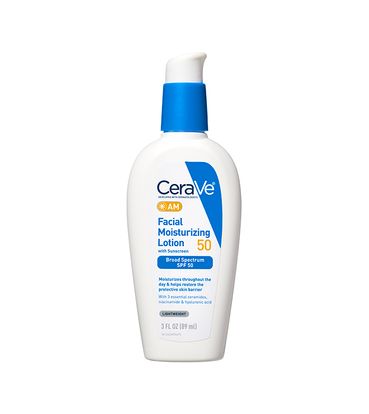
A lotion, gel cream, or light cream often suits combination skin. Products with glycerin, ceramides, or panthenol can hydrate without feeling too heavy.
Apply a thin layer to the whole face. Add a second small layer to dry areas if your cheeks still feel tight.
Sunscreen
Normal-skin sunscreen can work well for combination skin. Choose a broad-spectrum sunscreen with SPF 30 or higher, as recommended by dermatology experts.
A fluid, gel, or lotion texture may feel more comfortable than a thick cream. Sunscreen is important even when your skin is oily because ultraviolet exposure can worsen dark spots, redness, and visible skin aging.
Toner
A toner is optional. If you use one, choose a hydrating, alcohol-free formula.
Avoid using a strong astringent toner every day. It may make the skin feel clean at first but can increase dryness and irritation.
Serum
A simple hydrating or niacinamide serum may suit combination skin. Introduce one new serum at a time so you can see how your skin reacts.
Do not layer many active products at once. This can lead to redness, stinging, and peeling.

Ingredients combination skin should approach carefully
Normal-skin products are not automatically safe for every person. Some formulas contain ingredients that may be too rich, drying, or irritating for combination skin.
Use extra care with:
- Heavy oils and thick butters if they clog your pores
- High amounts of denatured alcohol if your skin feels dry or sensitive
- Strong fragrance if you often experience redness
- Harsh scrubs that can damage the skin barrier
- High-strength acids used too often
- Multiple retinoids, exfoliants, or acne treatments at the same time
This does not mean every person must avoid these ingredients. Skin care is personal. A rich cream may help one person during winter but feel greasy on another person in humid weather.
When asking, “can combination skin use normal skin products,” check the full ingredient list and texture. A product labeled “normal skin” may still contain fragrance or heavy ingredients that do not suit your face.
Patch testing is a smart step. Apply a small amount to the jawline or behind the ear for several days. Stop using the product if you develop swelling, intense itching, burning, or a spreading rash.
How to build a routine with normal skin products
A balanced routine does not need many steps. The goal is to clean gently, hydrate the skin, protect it from the sun, and treat specific concerns only when needed.
Morning routine
- Cleanse with a gentle product, or rinse with lukewarm water if your skin is dry.
- Apply a light moisturizer.
- Use broad-spectrum SPF 30 or higher.
- Add makeup after sunscreen has settled.
Evening routine
- Remove makeup and sunscreen.
- Cleanse gently.
- Apply a simple serum if needed.
- Use moisturizer across the face.
- Add a little extra moisturizer to dry areas.
If your T-zone becomes oily, do not skip moisturizer. Dehydrated skin can feel tight and still appear shiny. Instead, use a smaller amount or select a lighter lotion for that area.
If your cheeks remain dry, use a richer cream only on those patches. This method is called zone-based skin care. It treats your face like a room with different temperature zones rather than forcing one product to do every job.

Can combination skin use normal skin products for acne?
Yes, combination skin can use normal skin products while treating acne, but acne care may need targeted ingredients. A gentle moisturizer and sunscreen can support the skin while a separate treatment addresses breakouts.
Common acne ingredients include salicylic acid, benzoyl peroxide, and adapalene. These ingredients can help, but they may also cause dryness, peeling, or irritation when used too often.
Start slowly:
- Use one acne treatment at a time.
- Apply it to clean, dry skin.
- Begin two or three nights per week.
- Moisturize after treatment.
- Increase use only if your skin remains comfortable.
Do not apply strong acne products to already cracked or irritated skin. If breakouts are painful, deep, widespread, or leaving scars, a dermatologist can recommend a safer and more effective plan.

Common mistakes to avoid
People often make combination skin more difficult by treating every area the same way. The most common mistake is using a strong cleanser or scrub to control shine. This may leave the cheeks dry without solving the cause of excess oil.
Another mistake is using too many products at once. When irritation appears, it becomes hard to know which product caused it. A simple routine makes your skin easier to understand.
Avoid these habits:
- Washing your face with hot water
- Scrubbing oily areas every day
- Skipping moisturizer because your T-zone shines
- Changing products every few days
- Applying thick cream everywhere when only the cheeks are dry
- Using several exfoliating acids in one routine
- Ignoring sunscreen because your skin is oily
A useful lesson from real-world product testing is that consistency matters more than a large collection. People often see better results after using a few gentle products for several weeks instead of switching products each week.

How to know if a product is working
A product is probably suitable when your skin feels comfortable after use. It should not cause lasting burning, tightness, redness, or a sudden increase in bumps.
Good signs include:
- Less tightness after cleansing
- A comfortable feel throughout the day
- Fewer dry patches
- No increase in clogged pores
- More even makeup application
- Reduced need to blot oil
- A calm, smooth skin texture
Give a basic product about two to four weeks unless it causes irritation sooner. Some treatments need longer to show results. Moisturizers may feel helpful right away, but changes in acne, dark marks, or texture take more time.
When deciding, “can combination skin use normal skin products,” judge the product by these signs. Labels can guide you, but your skin’s response provides the most useful information.
When to see a dermatologist
A simple normal-skin routine may be enough for mild combination skin. However, professional care can help when symptoms do not improve or seem unusual.
Consider seeing a dermatologist if you have:
- Painful or deep acne
- Persistent redness or itching
- Burning after most products
- Repeated rashes
- Severe flaking or cracking
- Dark marks that continue to spread
- Sudden changes in oiliness or dryness
A dermatologist can check for conditions such as acne, rosacea, eczema, seborrheic dermatitis, or contact dermatitis. These conditions can look like ordinary combination skin but may need specific treatment.
Stop a product and seek medical advice if you experience facial swelling, trouble breathing, or a severe allergic reaction. Skin care should never cause serious discomfort.
Frequently Asked Questions
Can combination skin use normal skin products every day?
Yes, combination skin can use gentle normal-skin products every day. Choose a mild cleanser, light moisturizer, and broad-spectrum sunscreen, then adjust the amount by facial area.
Is normal skin moisturizer good for combination skin?
A normal-skin moisturizer can be good for combination skin if it feels light and does not clog pores. Apply less to the T-zone and more to dry cheeks when needed.
Should combination skin use products for oily or dry skin?
Combination skin may need both, but not always on the whole face. Use lightweight products on oily areas and richer hydration only on dry patches.
Can combination skin use a normal skin cleanser?
Yes, a gentle normal-skin cleanser can work well. Avoid cleansers that leave your face tight, squeaky, or irritated after washing.
Can combination skin use normal skin sunscreen?
Yes, normal-skin sunscreen is suitable when it offers broad-spectrum SPF 30 or higher and feels comfortable. Fluid, gel, and lightweight lotion formulas often work well for combination skin.
How often should combination skin exfoliate?
Many people can start with exfoliation once a week, then adjust based on their skin response. Stop or reduce use if you notice burning, peeling, redness, or increased sensitivity.
Should combination skin use separate products on different areas?
It can. Using a lighter product on the T-zone and a richer product on dry cheeks is often more comfortable than applying one heavy formula everywhere.
Conclusion
So, can combination skin use normal skin products? Yes, when the products are gentle, breathable, and matched to your skin’s changing needs. Focus on simple formulas, support the skin barrier, moisturize without overloading oily areas, and use sunscreen every morning.
Start with one product at a time and watch how your skin responds for several weeks. Small adjustments can make a big difference, so build your routine slowly and choose comfort over aggressive treatment. If this guide helped, explore more evidence-based skin care advice or share your experience in the comments.
