
A good skin care routine for combination skin balances oil control with gentle, lasting hydration.
Combination skin can feel confusing because your forehead, nose, and chin may look shiny while your cheeks feel dry or tight. The best approach is not to treat your whole face the same way. Instead, use gentle products that support the skin barrier, add moisture where needed, and control excess oil without over-drying the skin. This guide explains a good skin care routine for combination skin, including product types, ingredient tips, common mistakes, and simple ways to adjust your routine through the seasons.
What Is Combination Skin?
Combination skin has both oily and dry areas. Most people notice extra oil in the T-zone, which includes the forehead, nose, and chin. The cheeks may feel normal, dry, flaky, or more sensitive.
This skin type can also change with weather, hormones, stress, age, and product use. For example, hot weather may increase oil, while cold air may leave the cheeks rough and tight. That is why a good skin care routine for combination skin needs balance rather than harsh oil removal.
Common signs include:
• Shine in the T-zone a few hours after cleansing
• Dry or tight cheeks
• Enlarged-looking pores around the nose
• Occasional breakouts on the forehead or chin
• Flaking after using strong acne or exfoliating products
• Makeup that separates on oily areas but clings to dry patches
Combination skin is not the same as dehydrated skin. Dehydrated skin lacks water, while dry skin often lacks oil. You can have oily, combination, and dehydrated skin at the same time.
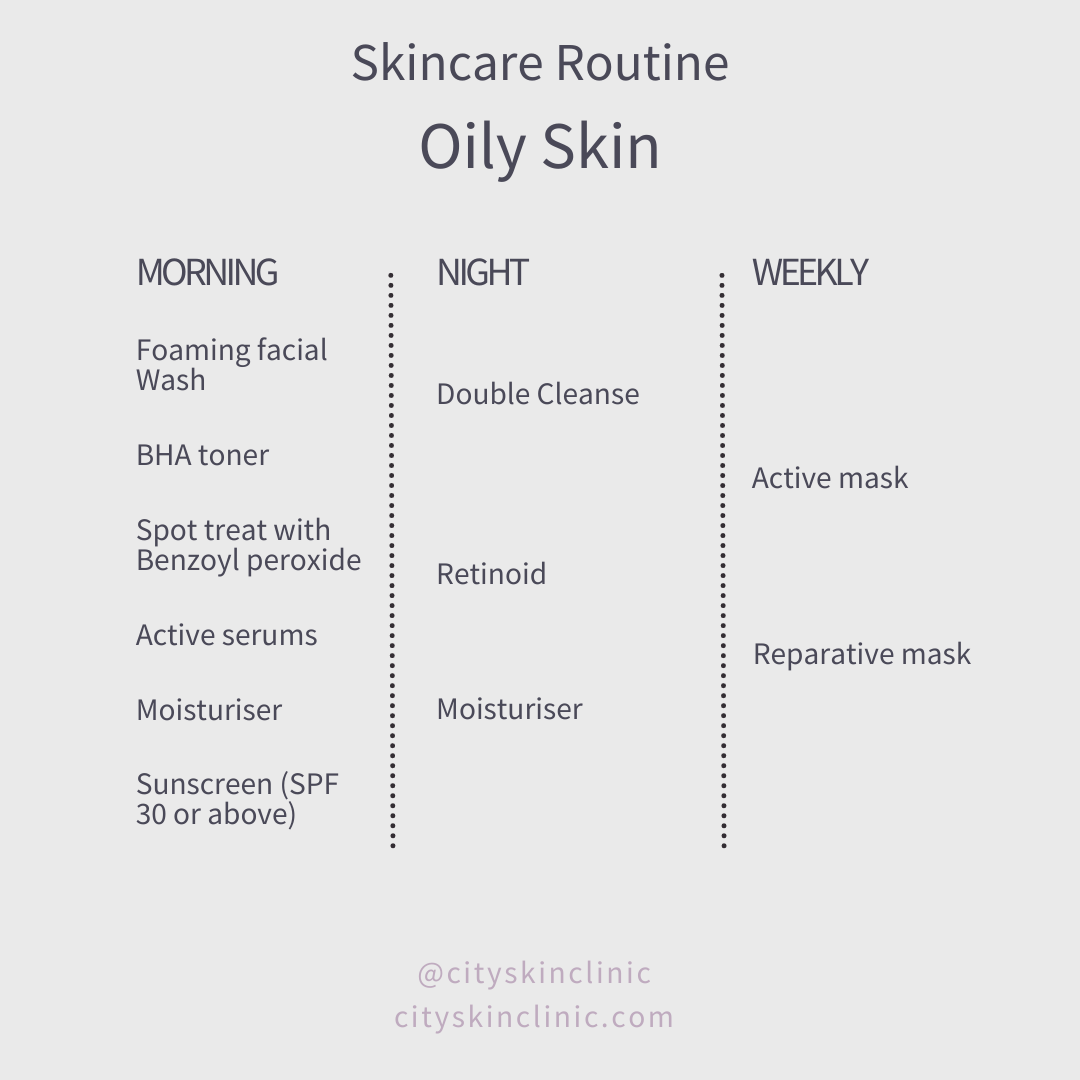
The Main Goals of a Skin Care Routine for Combination Skin
A good skin care routine for combination skin should support four basic goals:
- Clean the skin without stripping it.
- Hydrate dry areas without making oily areas greasy.
- Protect the skin from ultraviolet exposure.
- Treat acne, texture, or dark marks without causing irritation.
Think of your skin as a home with different rooms. The T-zone may need light moisture and gentle oil control, while the cheeks may need more comfort and protection. One heavy product across the whole face may not suit every area.
The skin barrier plays a major role in this balance. It helps keep water inside the skin and irritants out. Over-cleansing, frequent scrubbing, and using too many strong products can weaken this barrier. Once that happens, the skin may become more oily, more dry, or both.
Dermatology research supports a gentle approach. Cleansing too often and using harsh products can increase irritation and dryness. A steady routine usually works better than changing products every few days.

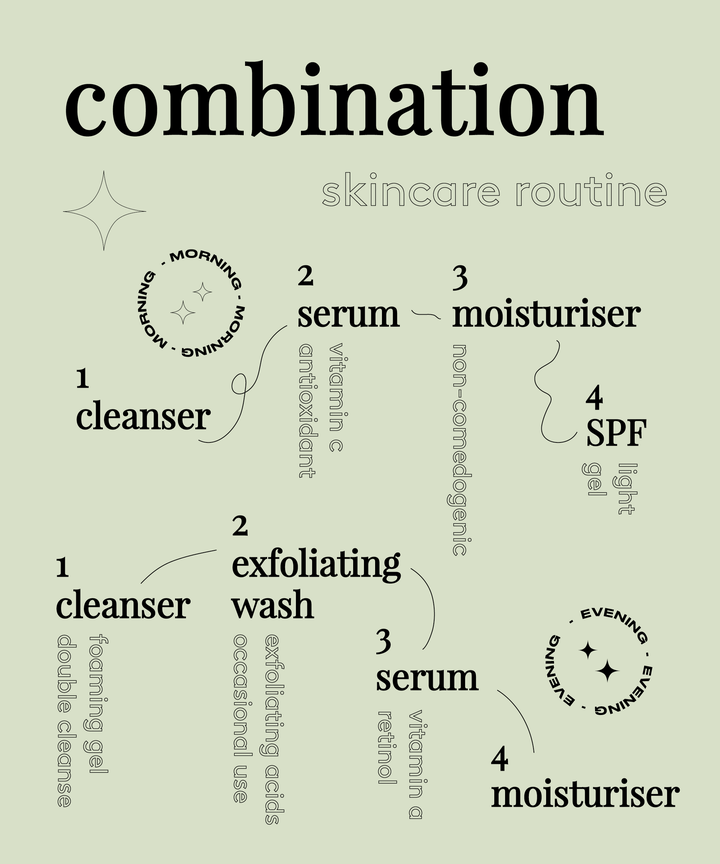
Morning Routine for Combination Skin
A simple morning routine can protect your skin and help makeup sit better. You do not need many steps. Consistency matters more than a crowded shelf.
Step 1: Use a Gentle Cleanser
Start with a mild, low-foam cleanser. Look for a formula labeled:
• Gentle
• Fragrance-free
• Noncomedogenic
• pH-balanced
A gel or light cream cleanser often works well for combination skin. Massage it over your face with lukewarm water for about 30 seconds. Hot water can worsen dryness and redness.
If your skin feels tight after cleansing, the cleanser may be too strong. Some people with combination skin can simply rinse with water in the morning, especially if they cleansed well the night before.
Step 2: Add a Hydrating Toner or Essence, If Needed
A toner is optional. It should not sting, burn, or leave your skin feeling dry. Choose a simple product with ingredients such as glycerin, panthenol, beta-glucan, or hyaluronic acid.
Skip toners with a high alcohol content. They may create a temporary dry feeling but can increase irritation. A good skin care routine for combination skin does not need a toner to work.
Step 3: Apply a Lightweight Moisturizer
Choose a moisturizer with a light lotion or gel-cream texture. Helpful ingredients include:
• Glycerin to attract water
• Ceramides to support the skin barrier
• Squalane to soften the skin
• Niacinamide to support tone and oil balance
• Hyaluronic acid for light hydration
Apply a thin layer to the full face. If your cheeks are dry, add a little more there. If your T-zone becomes greasy, use less product in that area rather than skipping moisturizer altogether.
Step 4: Finish With Sunscreen
Use a broad-spectrum sunscreen with SPF 30 or higher every morning. Apply it to your face, ears, neck, and exposed chest. Reapply when outdoors for long periods, after sweating, or after swimming.
A fluid, gel, or lightweight lotion sunscreen may feel more comfortable on combination skin. Mineral sunscreens with zinc oxide can suit sensitive skin, while modern chemical formulas may feel lighter and leave less white cast. The best sunscreen is one you will use generously and regularly.
Daily sunscreen is essential because ultraviolet exposure can worsen dark marks, uneven tone, redness, and visible skin aging. It also helps protect results from acne and pigment treatments.

Night Routine for Combination Skin
Nighttime is a good chance to remove sunscreen, makeup, sweat, and daily buildup. A good skin care routine for combination skin should clean thoroughly without making the face squeaky or tight.
Step 1: Remove Makeup and Sunscreen
If you wear makeup or water-resistant sunscreen, begin with a cleansing balm, cleansing oil, or micellar water. Follow with a gentle cleanser if needed.
Do not scrub the skin with a rough cloth. Let the first cleanser dissolve the product. Then rinse gently.
Step 2: Cleanse the Face
Use the same mild cleanser from the morning. Cleanse once unless you have heavy makeup, thick sunscreen, or visible dirt. Washing several times can irritate the cheeks and trigger more dryness.
Step 3: Use One Treatment Product
Avoid layering many active ingredients at once. Choose a treatment based on your main concern.
• Salicylic acid can help unclog pores and reduce oil in the T-zone.
• Niacinamide may help support the barrier and reduce the look of excess shine.
• Azelaic acid can help with blemishes, redness, and uneven tone.
• Retinoids can improve acne and skin texture over time.
• Lactic acid or mandelic acid may gently improve rough texture.
Start one active product at a time. Use it two or three nights per week at first. If you notice burning, swelling, strong redness, or persistent peeling, stop the product and focus on gentle cleansing and moisturizing.
Step 4: Moisturize
Apply moisturizer while the skin still feels slightly damp. Use a light layer across the face and a thicker layer on dry areas if needed.
If your cheeks crack or flake, you can apply a small amount of petrolatum over moisturizer at night. Avoid placing heavy occlusive products across areas that clog easily.

How to Choose Ingredients for Combination Skin
The right ingredients can make a good skin care routine for combination skin easier to follow. You do not need every ingredient listed below. Choose based on your needs and introduce products slowly.
Ingredients That Support Hydration
Look for humectants and barrier-supporting ingredients:
• Glycerin
• Hyaluronic acid
• Panthenol
• Urea in low concentrations
• Ceramides
• Colloidal oatmeal
• Squalane
Humectants draw water toward the outer skin layer. Moisturizers work best when they combine humectants with emollients and occlusives. This combination helps add water, soften rough skin, and reduce water loss.
Ingredients That Help With Oil and Pores
Salicylic acid is oil-soluble, so it can move into pores more easily than some other exfoliating acids. It may help remove excess oil and dead skin cells. However, using it every day may be too drying for some people.
Niacinamide is another useful option. A lower concentration may be enough for many people. Higher percentages are not always better and may cause redness or stinging in sensitive skin.
Clay masks can temporarily reduce surface oil. Use them only on oily areas once a week, rather than applying them to the entire face. They are not a permanent treatment for oil production.
Ingredients That Help With Breakouts and Dark Marks
Azelaic acid is often well tolerated and may help with acne, redness, and post-inflammatory dark marks. Retinoids can also help prevent clogged pores, but they may cause dryness during the first few weeks.
If you are pregnant or trying to become pregnant, ask a health professional before using retinoids. Ingredient safety can vary by product and personal health history.

A Weekly Plan for Combination Skin
A good skin care routine for combination skin should include rest days. Your skin does not need an exfoliating treatment every night.
Try this simple weekly example:
• Monday: Gentle cleanse, moisturizer
• Tuesday: Salicylic acid on the T-zone, moisturizer
• Wednesday: Gentle cleanse, moisturizer
• Thursday: Retinoid or azelaic acid, if suitable for you
• Friday: Gentle cleanse, moisturizer
• Saturday: Optional clay mask on oily areas
• Sunday: Gentle cleanse, moisturizer
Do not use salicylic acid, retinoids, and strong exfoliating acids together when you are starting. Combining them may cause dryness, burning, and peeling.
Patch testing can lower the risk of a bad reaction. Apply a small amount of a new product to a small area near the jaw or behind the ear. Test it for several days before using it across your face. A patch test cannot predict every reaction, but it is a useful safety step.

Common Mistakes to Avoid
Many combination skin problems come from trying to correct oil too aggressively. Here are mistakes I often see when reviewing skin care routines.
Overwashing the Face
Washing repeatedly may remove surface oil but leave the skin barrier stressed. The face can then feel tight while still becoming shiny later in the day.
Cleanse in the morning and at night when needed. After exercise, rinse or use a gentle cleanser if sweat remains on the skin.
Using Strong Products Everywhere
A product made for oily skin may work well on the nose but feel harsh on the cheeks. Try applying treatment products only where you need them.
Targeted use is one of the most practical lessons in a good skin care routine for combination skin. You do not have to treat your entire face like one uniform surface.
Skipping Moisturizer
Skipping moisturizer may seem logical when your face looks oily. However, dry skin can feel uncomfortable and may become more reactive. Use a lighter moisturizer and adjust the amount by area.
Exfoliating Too Often
Scrubs, cleansing brushes, and strong acids can cause tiny areas of irritation. If your skin feels hot, raw, or shiny in an unusual way, stop exfoliating and repair the barrier.
Changing Products Too Quickly
Most skin care products need time. Moisturizers may improve comfort within days, but acne and dark marks can take several weeks to show change. Changing products every few days makes it difficult to know what helps or causes irritation.

How to Adjust Your Routine by Season
Your skin may need different textures during different seasons. A good skin care routine for combination skin should be flexible.
In Hot and Humid Weather
Use a lighter cleanser and gel moisturizer if your skin feels greasy. Keep sunscreen light but do not reduce the amount. Blotting papers can remove shine without adding more powder.
Try not to wash your face every time it looks shiny. Shine is not automatically a sign of dirt.
In Cold or Dry Weather
Switch to a creamier cleanser if your cheeks feel tight. Apply a richer moisturizer to dry areas and keep exfoliation limited.
Indoor heating can lower humidity and increase dryness. A humidifier may help, but keep it clean to reduce the risk of mold and bacteria.
During Stress or Hormonal Changes
Stress and hormonal shifts can affect oil production and breakouts. Keep the routine simple during these periods. Avoid attacking every blemish with several strong products at once.
If acne becomes painful, deep, widespread, or persistent, a dermatologist can help. Prescription treatment may work better than repeated trial and error.

How Long Does It Take to See Results?
Skin care results depend on the concern, product, and your skin’s tolerance. A moisturizer may improve dryness within a few days. Pore congestion and acne often need several weeks of steady care.
Dark marks can take longer, especially without daily sunscreen. Acne treatments may also cause a short adjustment period, but severe irritation is not something you should simply push through.
Track your routine with a simple note on your phone. Record the products you use, how often you use them, and any changes in dryness, redness, or breakouts. This method can reveal patterns and prevent random product changes.
Professional guidance is useful when over-the-counter care does not help. Seek medical advice for painful cysts, scarring, sudden rashes, swelling, or symptoms that affect your eyes or breathing.
A Simple Product Checklist
When building a good skin care routine for combination skin, start with the basics:
• Gentle cleanser
• Lightweight moisturizer
• Broad-spectrum SPF 30 or higher
• One treatment product for your main concern
• Optional hydrating toner or serum
• Optional makeup or sunscreen remover
Check the ingredient list rather than relying only on marketing terms. “Natural,” “clean,” and “dermatologist tested” do not always mean a product will suit your skin. Fragrance and essential oils can irritate some people, even when the product feels luxurious.
Choose products that fit your budget and habits. An affordable routine used every day is more useful than an expensive routine that feels uncomfortable or complicated.
Frequently Asked Questions About a Good Skin Care Routine for Combination Skin
What is the best skin care routine for combination skin?
Use a gentle cleanser, lightweight moisturizer, and broad-spectrum sunscreen every day. Add one targeted treatment, such as salicylic acid or azelaic acid, based on your main concern.
Should combination skin use moisturizer?
Yes. Combination skin still needs hydration, including oily areas. Choose a lightweight, noncomedogenic formula and apply more to dry areas if needed.
How often should combination skin be exfoliated?
Start with once or twice a week. Reduce use if you notice burning, peeling, tightness, or redness.
Is salicylic acid good for combination skin?
Salicylic acid may help oily areas and clogged pores. Apply it mainly to the T-zone at first, and avoid using it with several other strong treatments.
Should combination skin use a toner?
A toner is optional, not essential. If you use one, choose a gentle, hydrating formula without a high alcohol content.
Can combination skin use retinol?
Many people with combination skin can use a retinoid, but they should start slowly. Use a small amount at night, moisturize, wear sunscreen, and ask a health professional for guidance if you are pregnant or have sensitive skin.
Why is my skin oily and dry at the same time?
Different areas may produce different amounts of oil, while weather, cleansing, and dehydration affect the outer skin layer. A balanced routine can hydrate dry areas without adding heavy products to the T-zone.
Conclusion
A good skin care routine for combination skin should be gentle, targeted, and easy to maintain. Cleanse without stripping, moisturize every area, use sunscreen daily, and introduce active ingredients one at a time.
Your skin does not need punishment to improve. Start with a few reliable products, watch how your skin responds, and adjust the routine by area and season. Try these steps for several weeks, then share your experience or explore more evidence-based skin care guides for personalized ideas.
