
A good cleanser for combination skin removes excess oil without stripping dry areas or causing new irritation.
Finding a good cleanser for combination skin can feel tricky because your forehead and nose may look shiny while your cheeks feel tight. After reviewing common cleanser formulas and real skincare routines, I’ve found that the best choice is usually gentle, fragrance-free, and balanced rather than harsh or highly foaming. This guide explains what to look for, what to avoid, and how to use it well.
What Is Combination Skin?
Combination skin has both oily and dry areas. Most people notice extra oil in the T-zone, which includes the forehead, nose, and chin. The cheeks may feel normal, dry, rough, or sensitive.
This skin type can change with the weather, stress, hormones, age, and skincare habits. A person may also have clogged pores in one area and flaky skin in another.
A good cleanser for combination skin should respect this difference. Think of it like washing two types of fabric in one load. You need enough cleansing power to remove oil, sunscreen, and dirt, but not so much that the softer areas become rough.
Common signs of combination skin include:
• Shine on the forehead, nose, or chin
• Dry or tight cheeks after cleansing
• Enlarged-looking pores around the nose
• Occasional blackheads or whiteheads
• Uneven skin texture
• Breakouts in oily areas and sensitivity in dry areas

What Makes a Good Cleanser for Combination Skin?
A good cleanser for combination skin should clean the surface without damaging the skin barrier. The skin barrier helps hold water in and keeps irritants out. When a cleanser removes too much oil, the skin may feel tight, sting, or produce more oil later.
Look for a mild formula with a skin-friendly pH. Many dermatology experts favor gentle cleansers because harsh washing can increase dryness and irritation. A cleanser does not need to leave your face squeaky clean. That tight feeling often signals over-cleansing.
Useful features include:
• A gentle gel or low-foam texture
• Fragrance-free or lightly formulated ingredients
• Glycerin to help attract water
• Ceramides to support the skin barrier
• Panthenol to soothe and soften skin
• Niacinamide in a mild formula to support oil control
• Noncomedogenic ingredients that are less likely to clog pores
A good cleanser for combination skin may also contain a small amount of salicylic acid. This ingredient can help loosen oil and dead skin inside pores. However, it may be too drying for daily use if your cheeks are sensitive.
Best Cleanser Types for Combination Skin
Different cleanser textures suit different needs. The best option depends on how oily, dry, or reactive your skin feels.
Gentle Gel Cleanser
A gentle gel cleanser is often the safest starting point. It can remove sweat, light sunscreen, and excess oil without leaving a heavy film.
Choose one that creates little or moderate foam. Very rich lather may feel satisfying, but it can strip dry areas when used too often.
Cream Cleanser
A cream cleanser works well when your cheeks feel dry, tight, or irritated. It usually contains more moisturizing ingredients and creates little foam.
This type may not remove heavy makeup or waterproof sunscreen alone. You may need an oil cleanser or micellar water first, followed by the cream cleanser.
Foaming Cleanser
A mild foaming cleanser can suit combination skin with a very oily T-zone. The key is to avoid strong detergent systems and harsh fragrance.
Use it once at night at first. If your cheeks become tight, switch to a gentler gel or cream cleanser.
Salicylic Acid Cleanser
A salicylic acid cleanser may help with blackheads, clogged pores, and small breakouts. Since it is rinsed off, it often feels milder than a leave-on acid product.
Start two or three nights per week. Do not use it on cracked, sunburned, or very irritated skin.
Micellar Water
Micellar water can remove light makeup and surface dirt. It is useful for travel or a quick first cleanse.
It should not always replace rinsing. Some people find that leaving cleansing agents on the skin causes dryness or irritation.

Ingredients to Look For
Ingredients matter, but the full formula matters more than one popular ingredient. A cleanser with niacinamide may still irritate you if it contains strong fragrance or harsh surfactants.
Here are helpful ingredients to consider:
• Glycerin: Helps attract water to the skin.
• Ceramides: Support the skin barrier and reduce moisture loss.
• Panthenol: Helps calm and soften dry-feeling skin.
• Niacinamide: May support barrier function and reduce the look of excess oil.
• Salicylic acid: Helps clear oil and dead cells from pores.
• Coco-glucoside or similar mild surfactants: Clean the skin with less harshness in many formulas.
• Hyaluronic acid: Adds a water-binding benefit, though a cleanser has limited contact time.
A good cleanser for combination skin does not need a long ingredient list. Simple formulas often make it easier to find the ingredient causing a problem if your skin reacts.
Ingredients and Products to Avoid
Some ingredients are not automatically bad for everyone. Still, they may create problems when your skin is dry, sensitive, or easily clogged.
Be careful with:
• Strong fragrance, especially if your skin stings or turns red
• Denatured alcohol high on the ingredient list
• Very rough scrubs with large grains
• Strong essential oils
• High-strength acids used every day
• Antibacterial cleansers used without a medical reason
• Very hot water, which can worsen dryness
A cleanser that burns is not working better. Burning, itching, or lasting redness means your skin may need a simpler routine.
Physical scrubs can also create tiny areas of irritation. If you want smoother skin, a mild chemical ingredient used slowly is often a better choice than rough particles.

How to Choose a Good Cleanser for Combination Skin
Use your skin’s current condition as your guide. Do not choose only by the label “for oily skin” or “for dry skin.” Those labels can be too broad.
Follow these steps:
Check how your face feels after washing. Tightness suggests the cleanser may be too strong.
Look for a fragrance-free formula if you have sensitive skin.
Pick a gentle gel for mild oiliness and a cream cleanser for dry or reactive cheeks.
Consider salicylic acid only if clogged pores are a clear concern.
Patch test near the jaw or behind the ear before full use.
Use the cleanser for at least one to two weeks unless you develop a reaction.
Change only one product at a time so you can identify what helps or harms your skin.
A good cleanser for combination skin should leave your face comfortable, clean, and calm. Your skin should not feel coated, squeaky, or immediately thirsty.
A Simple Product Test
Apply a small amount to clean skin near the jaw. Watch the area for 24 to 48 hours. This test cannot guarantee that your whole face will tolerate the product, but it can reduce the chance of a strong reaction.
Stop using the product if you notice swelling, hives, severe burning, or a spreading rash. Seek medical advice for serious or persistent symptoms.

How to Use Your Cleanser Correctly
Even a good cleanser for combination skin can cause dryness when used incorrectly. Many people wash too long, use too much product, or scrub the skin.
Use this simple method:
Wash your hands first.
Wet your face with lukewarm water.
Apply a small amount of cleanser with clean fingertips.
Massage gently for about 20 to 30 seconds.
Spend a little more time on the nose and forehead if they are oily.
Rinse well without scrubbing.
Pat dry with a clean, soft towel.
Apply moisturizer while your skin is still slightly damp.
Most people need to cleanse at night. A morning rinse with water may be enough if your skin feels dry. If you sweat heavily or wake up oily, use a small amount of gentle cleanser.
Avoid washing your face more than twice daily unless a dermatologist gives you a different plan. Over-washing can weaken the barrier and make your skin harder to balance.
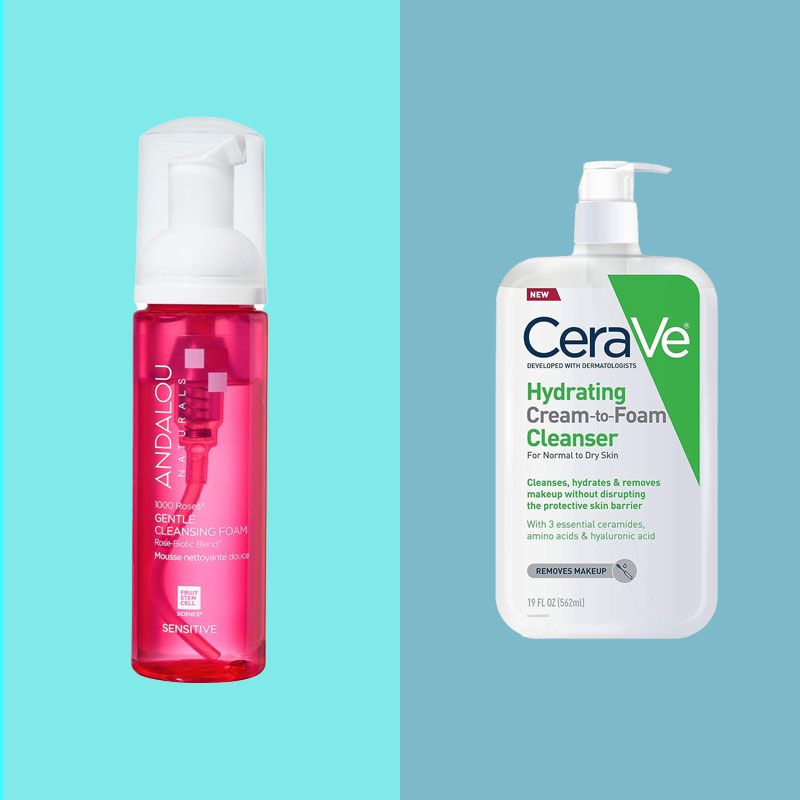
Morning and Night Routine for Combination Skin
A basic routine is often more effective than a crowded shelf of products. Start with cleansing, moisturizing, and sun protection.
Morning Routine
• Rinse with water or use a gentle cleanser.
• Apply a lightweight moisturizer.
• Finish with broad-spectrum SPF 30 or higher.
Night Routine
• Remove makeup and sunscreen.
• Cleanse with a good cleanser for combination skin.
• Apply treatment products only if needed.
• Use moisturizer on the whole face.
You can use a light lotion on oily areas and a richer cream on dry cheeks. This method is called multi-moisturizing. It lets you treat different areas without forcing your whole face to use one heavy product.
Sunscreen remains important even when you have oily skin. Choose a noncomedogenic, lightweight lotion, gel, or fluid if rich formulas make you feel greasy.

Common Mistakes to Avoid
A good cleanser for combination skin cannot fix damage caused by an aggressive routine. These mistakes are common and easy to correct.
• Washing until the skin feels squeaky: Clean skin should still feel comfortable.
• Using hot water: Lukewarm water is kinder to the barrier.
• Scrubbing the T-zone daily: This may increase irritation and redness.
• Applying a strong acne cleanser everywhere: Use targeted care when possible.
• Skipping moisturizer: Dehydrated skin can feel oily and dry at the same time.
• Changing products every few days: Give a gentle cleanser time to show how your skin responds.
• Ignoring sunscreen: Sun exposure can worsen dark marks and irritation.
One mistake I often notice in skincare routines is treating the whole face as oily because the nose shines. The cheeks then become dry while the person keeps increasing the strength of the cleanser. A better approach is to cleanse gently and address clogged pores with a separate, limited treatment.

When to Use a Different Cleanser
Your skin may need a seasonal change. A light gel may feel good in humid summer weather, while a cream cleanser may work better during a cold, dry winter.
You may also need a different formula if:
• Your skin becomes persistently tight
• Your cheeks begin to peel
• You develop more clogged pores
• Your cleanser causes redness or stinging
• Your acne becomes painful or widespread
• Your skin feels greasy soon after washing
If breakouts are deep, painful, or leaving scars, speak with a board-certified dermatologist. A cleanser alone may not be enough. Conditions such as rosacea, eczema, or perioral dermatitis can also resemble simple sensitivity.
Pregnant or breastfeeding readers should ask a medical professional before using acne-focused products, especially strong leave-on treatments. Rinse-off salicylic acid is often used differently from leave-on products, but personal medical advice is still best.

How Long Does It Take to See Results?
You may notice less tightness within a few days after switching to a gentler cleanser. Oil balance and clogged pores usually take longer.
Give a basic cleanser about two to four weeks if your skin tolerates it. Acne and texture changes may take several weeks or require additional treatment.
Do not judge a cleanser only by the first wash. A product can feel fresh at first but cause dryness after repeated use. Comfort, stable texture, and fewer signs of irritation are better measures.
Keep expectations realistic. A cleanser removes surface products and impurities, but it cannot erase scars, shrink pores permanently, or treat every cause of acne.

Frequently Asked Questions About a Good Cleanser for Combination Skin
What is the best type of cleanser for combination skin?
A gentle gel cleanser is a strong starting choice for many people with combination skin. If your cheeks are dry or sensitive, a fragrance-free cream cleanser may be more comfortable.
Should combination skin use a foaming cleanser?
Combination skin can use a mild foaming cleanser if the T-zone is oily and the cheeks do not feel tight. Avoid formulas that leave a squeaky feeling or cause stinging.
Is salicylic acid cleanser good for combination skin?
It can help remove excess oil and reduce clogged pores. Start two or three times weekly, and stop or reduce use if your skin becomes dry, red, or irritated.
How often should I wash combination skin?
Most people should cleanse once at night and use a gentle morning cleanse or water rinse. Cleanse after heavy sweating, but avoid repeated washing throughout the day.
Can combination skin use an oil cleanser?
Yes, an oil cleanser can remove makeup and waterproof sunscreen before a water-based cleanser. Choose a formula that rinses clean and follow with a gentle cleanser if residue remains.
Should I moisturize after using a cleanser?
Yes, moisturizer helps reduce water loss after cleansing. Use a light lotion on oily areas and a richer product on dry cheeks if needed.
How can I tell if my cleanser is too harsh?
Your cleanser may be too harsh if your face feels tight, hot, itchy, or unusually dry after washing. Persistent redness or peeling is a reason to stop and choose a gentler formula.
Conclusion
The best cleanser for combination skin is gentle, balanced, and suited to your current needs. Look for mild cleansing agents, barrier-supporting ingredients, and a texture that cleans your T-zone without drying your cheeks.
Start with a simple routine, wash with lukewarm water, and avoid harsh scrubs and strong fragrance. If pores remain clogged, add a mild salicylic acid cleanser slowly rather than replacing your whole routine with an aggressive product.
Try one suitable cleanser for two to four weeks and watch how your skin feels. Explore more evidence-based skincare guides, and share your own cleanser experience in the comments.
