
A rosacea rash may last hours to weeks, depending on its type, trigger, skin care, and treatment.
If you are wondering how long does rosacea rash last, the honest answer is that it varies from person to person. A brief flush may fade within hours, while bumps, swelling, and lasting redness can remain for days or weeks. In some people, rosacea becomes a long-term condition with flares that come and go.
The good news is that you can often shorten a flare by finding triggers, using gentle skin care, and getting the right diagnosis. This guide explains how long rosacea rash lasts, what affects healing, and when medical care can help.
How long does rosacea rash last?
A rosacea rash can last anywhere from a few hours to several weeks. The time depends on whether you have flushing, steady redness, acne-like bumps, eye symptoms, or thickened skin.
Here is a simple guide:
• Flushing: Often lasts minutes to a few hours.
• Temporary redness: May fade within several hours or a day.
• Papules and pustules: Often last one to several weeks.
• Skin irritation after a flare: May continue for days after the main rash improves.
• Persistent facial redness: Can last for weeks, months, or longer without treatment.
For many people, a rosacea flare acts like a small fire. A trigger starts it, but the skin may stay warm and irritated after the trigger is gone. That is why the rash may not disappear right away.
Rosacea is a chronic inflammatory skin condition. It usually does not vanish forever after one flare. However, treatment and trigger control can make flares less frequent, less severe, and shorter.

Why does rosacea last longer for some people?
The length of a rosacea rash depends on several factors. Skin type, family history, climate, stress, products, and treatment all play a role.
Common factors include:
• The type of rosacea: Redness and flushing may fade quickly, while bumps can take longer.
• The strength of the trigger: A mild temperature change may cause a short flare, while sun exposure can cause redness that lasts much longer.
• Repeated triggers: Continued heat, alcohol, spicy food, or harsh skin products may keep the rash active.
• Delayed treatment: Untreated bumps and inflammation can last longer.
• Skin sensitivity: People with a weak skin barrier may react to products and weather more easily.
• Other skin conditions: Acne, eczema, contact dermatitis, lupus, and seborrheic dermatitis can look like rosacea.
Age can also matter. Rosacea often begins in adulthood and may become more persistent over time. Hormonal changes, stress, and changes in blood vessel activity may also affect the pattern.
Research suggests that rosacea involves inflammation, blood vessel changes, immune responses, and skin-barrier problems. These causes are complex, so there is no single timeline that fits everyone.

How long does each type of rosacea rash last?
Rosacea has several patterns. A person may have one type or a mix of more than one type. Knowing the pattern can help you understand how long does rosacea rash last in your case.
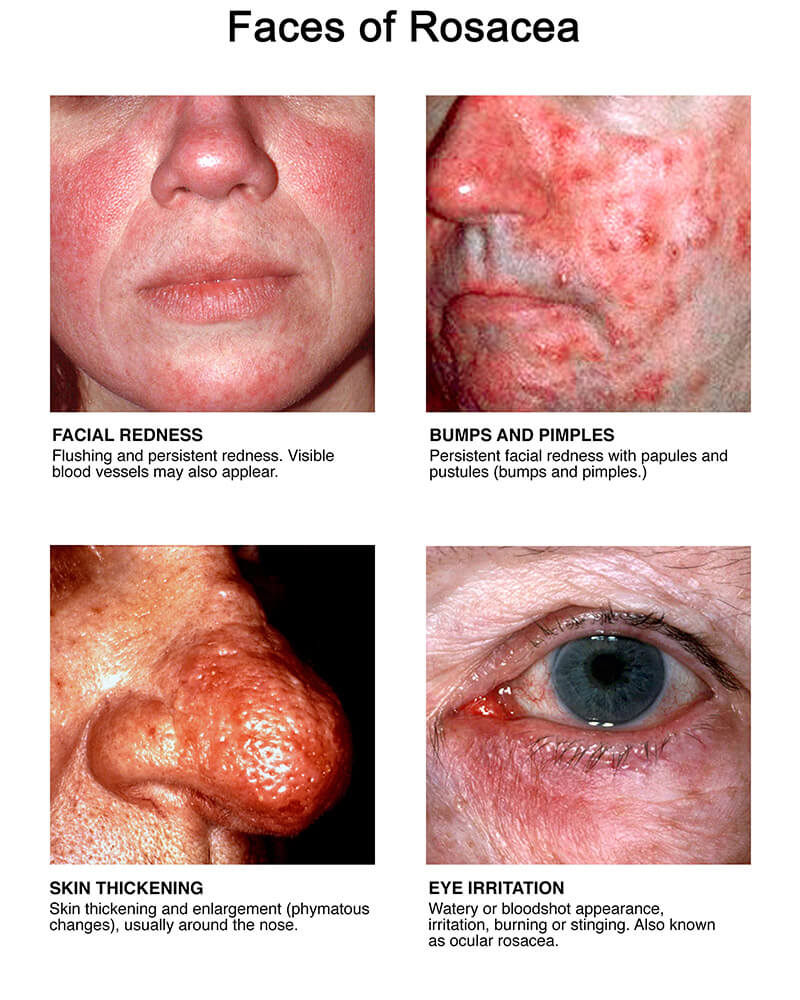
Flushing and persistent redness
Flushing is often the fastest type of rosacea rash. It may begin suddenly after heat, exercise, stress, alcohol, or spicy food.
A flush may fade in minutes or hours. Over time, repeated flushing can lead to redness that stays between flares. This background redness may last for months or years without treatment.
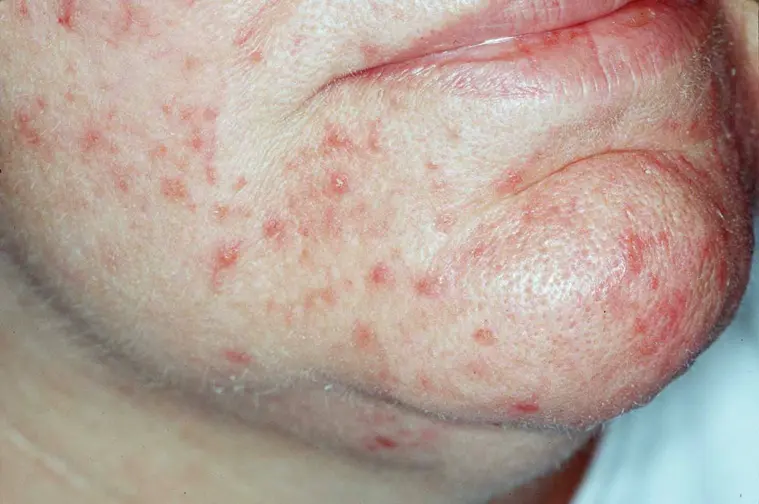
Bumps and pus-filled spots
Small red bumps and pus-filled spots can resemble acne. They may be tender, itchy, or warm.
These spots often take one to several weeks to settle. Picking or squeezing them can increase inflammation and may leave marks or broken skin.
Visible blood vessels
Small facial blood vessels, called telangiectasia, may become easier to see after repeated flares. They usually do not disappear on their own.
Prescription treatment may reduce inflammation, but visible vessels may need procedures such as laser or intense pulsed light. A dermatologist can explain whether these options are suitable.
Thickened skin
In some people, long-term rosacea causes thicker skin, especially around the nose. This form is less common and needs professional care.
Creams alone may not correct advanced thickening. A dermatologist may discuss procedures or other treatments based on the severity.
Eye rosacea
Eye symptoms may include burning, dryness, gritty feelings, swollen eyelids, or light sensitivity. Eye rosacea can last longer than a skin flare and may return without care.
Eye pain, vision changes, or strong light sensitivity need prompt medical attention. Eye involvement should not be ignored.

What triggers a rosacea flare?
A trigger is anything that causes or worsens your symptoms. Triggers differ widely, so one person’s cause may not affect another person.
Common rosacea triggers include:
• Sunlight and ultraviolet exposure
• Hot weather or cold wind
• Hot drinks
• Spicy foods
• Alcohol, especially red wine
• Exercise or overheating
• Emotional stress
• Hot baths, saunas, or steam
• Harsh cleansers and exfoliants
• Fragrance and essential oils
• Certain medicines that widen blood vessels
You do not need to avoid every item on this list. That approach can make daily life stressful. Instead, track what happens before a flare and look for patterns.
A simple diary can include the date, food, weather, products, stress level, exercise, and symptoms. After two to four weeks, patterns may become easier to see.

How to calm a rosacea rash
You may not stop every flare, but gentle steps can reduce irritation. Think of your skin barrier as a thin raincoat. Harsh products can create tiny gaps that let heat and irritants through.
Try these practical steps:
Wash with lukewarm water and a mild, fragrance-free cleanser.
Use your fingertips instead of a scrub brush or rough cloth.
Pat your face dry rather than rubbing it.
Apply a plain moisturizer made for sensitive skin.
Use broad-spectrum SPF 30 or higher every day.
Cover your face in cold wind and strong sun.
Avoid picking, squeezing, and frequent exfoliation.
Stop any new product that causes burning or sudden redness.
Cool your face with a clean, cool cloth if heat worsens symptoms.
Follow prescribed treatment exactly as directed.
Mineral sunscreens with zinc oxide or titanium dioxide may feel gentler for some sensitive skin types. Test a small amount first, since even gentle products can cause irritation in some people.
Do not use steroid creams on your face unless a clinician specifically advises you to do so. Steroids may briefly reduce redness but can worsen rosacea or cause rebound symptoms in some cases.
Medical treatments that may shorten a rosacea rash
Treatment depends on the symptoms and severity. A health professional may use one treatment or combine several.
Options may include:
• Brimonidine or oxymetazoline for temporary facial redness
• Metronidazole, azelaic acid, or ivermectin for inflammatory bumps
• Low-dose doxycycline for moderate or persistent inflammation
• Laser or light treatment for visible blood vessels and lasting redness
• Eye drops, eyelid care, or oral medicine for eye rosacea
Topical medicines may take several weeks to show clear improvement. They are not always designed to erase a flare overnight. Using more medicine than prescribed can irritate the skin and delay recovery.
A dermatologist can also check whether the rash is rosacea or another condition. This matters because acne, lupus, allergic reactions, and infections need different care.
Medical treatment may control symptoms, but it may not remove every trigger. Most people still benefit from sun protection, gentle products, and a personal trigger plan.

When should you see a doctor?
Make an appointment if the rash is new, frequent, painful, or not improving. You should also seek care if redness is spreading or if over-the-counter products make it worse.
Contact a clinician if:
• Your rash lasts more than two to four weeks.
• You have repeated flares that affect daily life.
• You develop painful bumps, swelling, or thickened skin.
• Your eyes feel gritty, dry, swollen, or painful.
• You are unsure whether the rash is rosacea.
• You have used steroid cream on your face and symptoms are worsening.
Seek urgent care for facial swelling, trouble breathing, a rapidly spreading rash, severe eye pain, or vision changes. These symptoms may point to an allergy, infection, or eye problem rather than a routine rosacea flare.
A diagnosis is especially important when symptoms appear for the first time. Rosacea has no single confirmatory test, so clinicians usually assess the pattern, history, and appearance of your skin.
Mistakes that can make a rosacea rash last longer
Several common habits can prolong irritation. Many people make these mistakes because they assume rosacea behaves like ordinary acne.
Avoid these problems:
• Scrubbing the face to remove redness
• Applying strong acne acids without guidance
• Switching products every few days
• Using hot water or steam to “open the pores”
• Covering symptoms with irritating makeup
• Picking bumps
• Ignoring daily sun protection
• Stopping prescribed medicine as soon as the skin looks better
• Treating every flare with steroid cream
One practical lesson from dermatology guidance is that consistency often beats intensity. A simple routine used every day is usually safer than a powerful routine used only when the skin looks bad.
If you try a new product, patch-test it on a small area first. Wait at least a day when possible, and stop if you notice strong burning, swelling, or worsening redness.

How to prevent future rosacea flares
You may not prevent every flare, but you can lower the chance and severity. Prevention starts with noticing your own pattern.
Build a simple routine:
• Wear sunscreen each morning.
• Keep your cleanser and moisturizer mild.
• Use a hat or shade during strong sunlight.
• Let hot drinks cool before drinking them.
• Exercise in a cool room and take breaks.
• Protect your face from cold wind.
• Limit personal food or drink triggers rather than following a long universal list.
• Manage stress with sleep, breathing exercises, walking, or another method that works for you.
• Keep a symptom diary during the first month.
If exercise triggers flushing, try shorter sessions, drink cool water, and exercise during a cooler part of the day. If alcohol triggers redness, reducing or avoiding it may help.
The goal is not perfect skin every day. The goal is fewer flares, less discomfort, and faster recovery when symptoms appear.
How long does rosacea rash last without treatment?
Without treatment, a rosacea rash may keep returning and become more persistent. A single flare may still fade on its own, but repeated inflammation can lead to lasting redness, visible blood vessels, or thicker skin.
Some people have mild rosacea for years with occasional flushing. Others develop more frequent bumps and irritation. It is not possible to predict the exact course from symptoms alone.
Treatment does not always cure rosacea, but it can improve control. Early care may also help protect the skin barrier and reduce the effects of repeated inflammation.
How long does rosacea rash last after treatment?
Some treatments improve symptoms within hours, while others need several weeks. Redness-control medicines may work on the same day but usually provide temporary relief. Medicines for bumps and inflammation often need consistent use over weeks.
Your response may also depend on the trigger. If you continue to face strong sun, heat, or a product that irritates your skin, the rash may continue despite treatment.
Follow the prescribed plan and ask your clinician when to expect results. If symptoms worsen sharply, cause severe irritation, or show no improvement within the advised period, schedule a review.
Frequently Asked Questions About How Long Does Rosacea Rash Last
How long does rosacea rash last during a typical flare?
A typical flush may last minutes to hours. Bumps, swelling, or irritation may remain for several days to a few weeks.
Can rosacea go away in one day?
Mild flushing can fade within one day, especially after the trigger stops. Persistent redness and acne-like bumps usually need more time and may require treatment.
Does rosacea last forever?
Rosacea is usually a long-term condition, but symptoms can be controlled. Many people have long periods with few or no noticeable flares.
How long does rosacea rash last after sun exposure?
Sun-triggered redness may last several hours or days. More severe irritation can continue longer, especially if sun exposure continues or the skin barrier is damaged.
Can stress make a rosacea rash last longer?
Yes, stress may trigger flushing and inflammation in some people. Reducing stress may help, but persistent symptoms still need appropriate skin care and medical advice.
When is a rosacea rash not normal?
A new, rapidly spreading, painful, or swollen rash may not be rosacea. Seek medical care for breathing trouble, severe eye pain, vision changes, or signs of infection.
Conclusion
How long does rosacea rash last depends on the rosacea pattern, trigger, skin sensitivity, and treatment. Flushing may fade within hours, while bumps and persistent redness can last days, weeks, or longer.
Gentle skin care, daily sun protection, trigger tracking, and professional treatment can shorten flares and improve long-term control. If your rash keeps returning or affects your eyes, book an appointment with a dermatologist or other qualified clinician.
