
Most people see rosacea improvement within four to eight weeks, but full control may take several months.
Knowing how long rosacea treatment takes can make the process less stressful. Rosacea is a long-term skin condition, so treatment usually aims to calm symptoms and prevent flares rather than provide a permanent cure. The timeline depends on your rosacea type, treatment plan, triggers, and how your skin responds. This guide explains what to expect, when to seek help, and how to improve your results safely.

How long does rosacea treatment take?
For many people, rosacea treatment begins to show results in four to eight weeks. Some notice less redness or fewer bumps sooner, while others need 12 weeks or longer to see clear progress. Severe rosacea, visible blood vessels, or eye symptoms may need a longer plan.
Rosacea often behaves like a smoke alarm that is too sensitive. Treatment can lower the alarm, but heat, sunlight, stress, spicy food, alcohol, and harsh skin products may still set it off.
A typical timeline looks like this:
• First 1 to 2 weeks: The skin may feel less irritated, but visible change can be small.
• Weeks 3 to 8: Red bumps, swelling, and flare frequency may start to improve.
• Months 2 to 4: Your clinician may adjust the treatment or add another option.
• Long term: Maintenance care helps prevent symptoms from returning.
The answer to “how long does rosacea treatment take” is not the same for everyone. Prescription creams often need several weeks, while laser treatment may improve visible blood vessels after one or more sessions. Lifestyle changes can help within days or weeks, but they work best alongside medical care.

What affects the rosacea treatment timeline?
Several factors can change how quickly your skin improves. A treatment that works well for one person may work slowly for another.
Rosacea type and symptoms
Rosacea may cause persistent redness, flushing, acne-like bumps, thickened skin, or eye problems. Each form can need a different treatment approach.
• Erythematotelangiectatic rosacea mainly causes flushing and lasting redness.
• Papulopustular rosacea causes red bumps and pus-filled spots.
• Phymatous rosacea can cause thick skin, often around the nose.
• Ocular rosacea may cause dry, gritty, red, or irritated eyes.
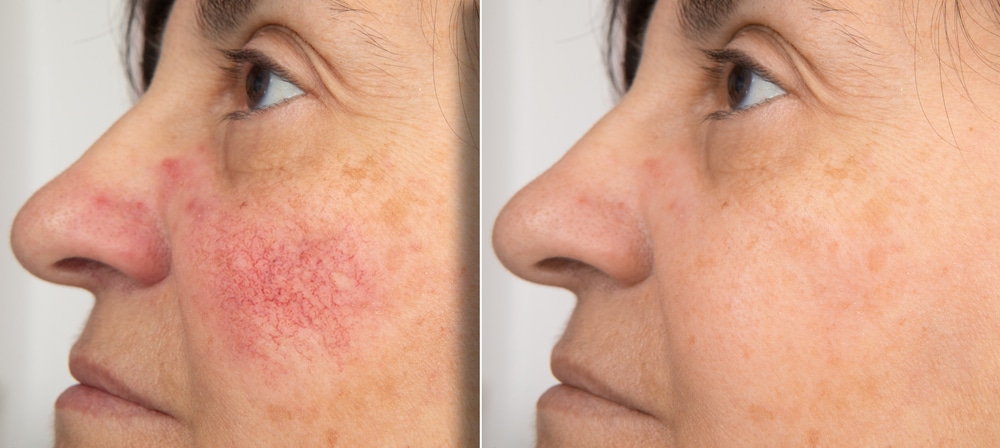
Bumps may improve faster than fixed redness. Visible blood vessels usually do not fade fully with creams alone. They may need laser or light-based treatment.
How long you have had symptoms
Early treatment may help prevent rosacea from becoming harder to control. Long-standing redness or skin thickening may require a longer treatment plan.
Your treatment type
Topical medicines may take weeks to work. Oral antibiotics may reduce bumps and inflammation sooner, but they still need time. Laser and intense pulsed light treatments often require repeat visits.
Your trigger exposure
Treatment can seem less effective if frequent triggers continue. Common triggers include:
• Sun exposure
• Hot drinks
• Alcohol
• Spicy foods
• Hot weather
• Cold wind
• Stress
• Hot baths or saunas
• Strong skin care products
Other health factors
Sensitive skin, hormonal changes, immune conditions, and other skin diseases can affect results. Some people also have acne, seborrheic dermatitis, or contact dermatitis at the same time. A correct diagnosis matters because rosacea treatment will not fix a different skin problem.

Rosacea treatment timeline by treatment type
The best answer to how long rosacea treatment takes depends greatly on the medicine or procedure used. Your dermatologist can match the option to your symptoms and medical history.
Topical creams and gels
Common prescription options include metronidazole, azelaic acid, ivermectin, and brimonidine. Metronidazole, azelaic acid, and ivermectin often take several weeks to reduce bumps and inflammation.
Brimonidine and oxymetazoline can temporarily reduce facial redness within hours. However, they do not permanently remove redness, and the effect wears off. Some people may notice rebound redness after a dose, so use them exactly as directed.
Topical products may cause dryness, stinging, or peeling at first. Applying too much will not make rosacea treatment work faster. It may only irritate the skin.
Oral antibiotics
Doctors may prescribe doxycycline or another oral medicine when rosacea causes many bumps, swelling, or eye symptoms. Some improvement may appear within a few weeks, but a full course often lasts several weeks to a few months.
These medicines reduce inflammation. They are not always used because of infection. Take them only as prescribed, and ask your clinician about sun sensitivity, stomach upset, and drug interactions.
Laser and light treatments
Vascular lasers and intense pulsed light may help reduce visible blood vessels and persistent redness. Some patients notice improvement after the first session, but many need two to four treatments spaced several weeks apart.
Results vary with skin tone, redness severity, device type, and provider skill. These treatments can cause temporary swelling, bruising, or sensitivity. Choose a qualified medical professional with experience treating your skin type.
Treatment for thickened skin
Advanced phymatous rosacea may need procedures that remove excess tissue. Improvement may be clear after healing, but swelling and redness can take weeks to settle.
Creams usually cannot reverse significant skin thickening. Early medical care may help prevent progression.
Eye rosacea treatment
Ocular rosacea can improve over weeks or months. Warm compresses, eyelid cleaning, lubricating drops, and prescription medicine may all play a role.
Eye pain, light sensitivity, blurred vision, or a feeling that something is stuck in the eye needs prompt medical attention. Untreated eye inflammation can affect the cornea.

How to make rosacea treatment work better
You cannot control every flare, but daily habits can support your treatment plan. Think of skin care as building a calm, steady routine rather than chasing quick fixes.
Use gentle skin care
Wash with lukewarm water and a mild, fragrance-free cleanser. Pat your face dry with a soft towel instead of rubbing.
Choose products labeled:
• Fragrance-free
• Noncomedogenic
• For sensitive skin
• Alcohol-free
Avoid scrubs, rough brushes, strong acids, and products that burn or sting. A product that feels “tingly” is not always working. With rosacea, tingling often means irritation.
Protect your skin from sunlight
Sun exposure is a common rosacea trigger. Use a broad-spectrum, water-resistant SPF 30 or higher each day. Mineral sunscreens with zinc oxide or titanium dioxide may feel gentler for some people.
Wear a hat and seek shade during strong sunlight. Daily sun protection can reduce flares and support the results of other treatments.
Track personal triggers
Keep a simple diary for two to four weeks. Record food, drinks, weather, stress, exercise, products, and symptoms.
Do not remove every possible trigger at once. That can make daily life difficult and may not reveal what affects you. Test patterns carefully and focus on triggers that clearly match your flares.
Follow the treatment schedule
Stopping a cream after one week is a common mistake. Rosacea treatment often works gradually, even when the skin looks unchanged at first.
Use a phone reminder if needed. If a product causes severe burning, swelling, blistering, or a rash, stop and contact your clinician rather than pushing through it.
Be careful with steroid creams
Steroid creams may briefly reduce redness, but they can worsen rosacea or cause rebound symptoms when used on the face without medical guidance. Do not use leftover steroid medicine for facial redness unless a clinician tells you to do so.
When should you change your rosacea treatment?
If you see no improvement after the expected treatment period, arrange a review. Your diagnosis may need confirmation, or your plan may need an adjustment.
Contact a dermatologist if:
• Symptoms are spreading or becoming more painful.
• Your eyes are red, painful, or sensitive to light.
• You develop blurred vision.
• Your skin becomes thick or swollen.
• Treatment causes severe irritation.
• You feel embarrassed, anxious, or limited by frequent flushing.
A clinician may check for acne, lupus, allergic reactions, dermatitis, or other conditions that can resemble rosacea. This step is important because the wrong treatment can delay improvement.
Do not switch medicines or combine prescription products without advice. More treatment is not always better. The safest plan is often a simple plan used consistently.
From a practical care standpoint, one lesson is especially useful: take photos in the same light every two weeks. Day-to-day changes can be hard to notice, and a photo record gives you and your clinician a clearer view of progress.

Can rosacea go away permanently?
Rosacea usually cannot be cured permanently, but it can often be controlled very well. Some people have long periods with little or no visible redness when they follow a suitable treatment and avoid major triggers.
Treatment may need to change over time. A cream that works during a flare may not be needed every day during a quiet period, while persistent redness may need maintenance care.
The goal is not perfect skin every day. The goal is fewer flares, less discomfort, and skin that feels easier to manage. This realistic approach can prevent frustration and unnecessary product changes.

What happens if rosacea is left untreated?
Mild rosacea may remain stable, but symptoms can become more frequent or persistent without care. Some people develop lasting redness, visible vessels, eye irritation, or thickened skin.
Untreated ocular rosacea may cause ongoing dryness and inflammation. In uncommon cases, serious eye complications can occur, which is why eye symptoms should not be ignored.
Rosacea does not mean you have poor hygiene, and it is not contagious. It is a common inflammatory skin condition. Getting medical advice early can reduce discomfort and help you understand your personal triggers.

Frequently asked questions about how long rosacea treatment takes
How long does rosacea treatment take to reduce redness?
Topical medicine may reduce inflammation within four to eight weeks, but persistent redness can take longer. Visible blood vessels may need laser or light treatment rather than cream alone.
How long does rosacea treatment take with antibiotics?
Oral antibiotics may begin helping within a few weeks. Many treatment courses last several weeks to a few months, depending on symptoms and your clinician’s plan.
Can rosacea improve in one week?
Some redness medicines can work within hours, but this effect is temporary. Most rosacea treatment plans need several weeks to provide steadier improvement.
How long does rosacea treatment take to work for eye symptoms?
Eye symptoms may improve over several weeks, but some people need longer-term care. Seek prompt medical attention for eye pain, blurred vision, or strong light sensitivity.
Does rosacea treatment need to continue after the skin improves?
Often, yes. Rosacea can return after treatment stops, especially when triggers remain. Your clinician may recommend maintenance treatment, trigger control, or both.
Why is my rosacea treatment not working?
Possible reasons include the wrong diagnosis, inconsistent use, ongoing triggers, or symptoms that need a different treatment type. A follow-up visit can help identify the problem safely.
Can skin care alone treat rosacea?
Gentle skin care and sun protection can reduce irritation and flares, but they may not control moderate or severe rosacea alone. Prescription treatment may be needed for persistent bumps, redness, or eye symptoms.
Conclusion
How long rosacea treatment takes depends on the type of rosacea, the treatment used, your triggers, and your skin’s response. Many people notice early improvement within four to eight weeks, while full control may take several months. Persistent redness, visible vessels, thickened skin, and eye symptoms often need specialized care.
Stay consistent, protect your skin from the sun, avoid harsh products, and track your triggers. If progress is slow or symptoms affect your eyes, arrange a review with a qualified clinician. Use this guide to prepare for that conversation, and explore trusted dermatology resources for the next step in your care.
