
Weight loss may reduce some rosacea triggers, but it does not cure rosacea or erase it.
If you are wondering, “does rosacea go away with weight loss,” the honest answer is usually no. Rosacea is a long-term skin condition linked to inflammation, blood vessel changes, genetics, and immune responses. Still, reaching a healthy weight may improve some habits and health issues that can make flushing or inflammation worse.
What Is Rosacea?
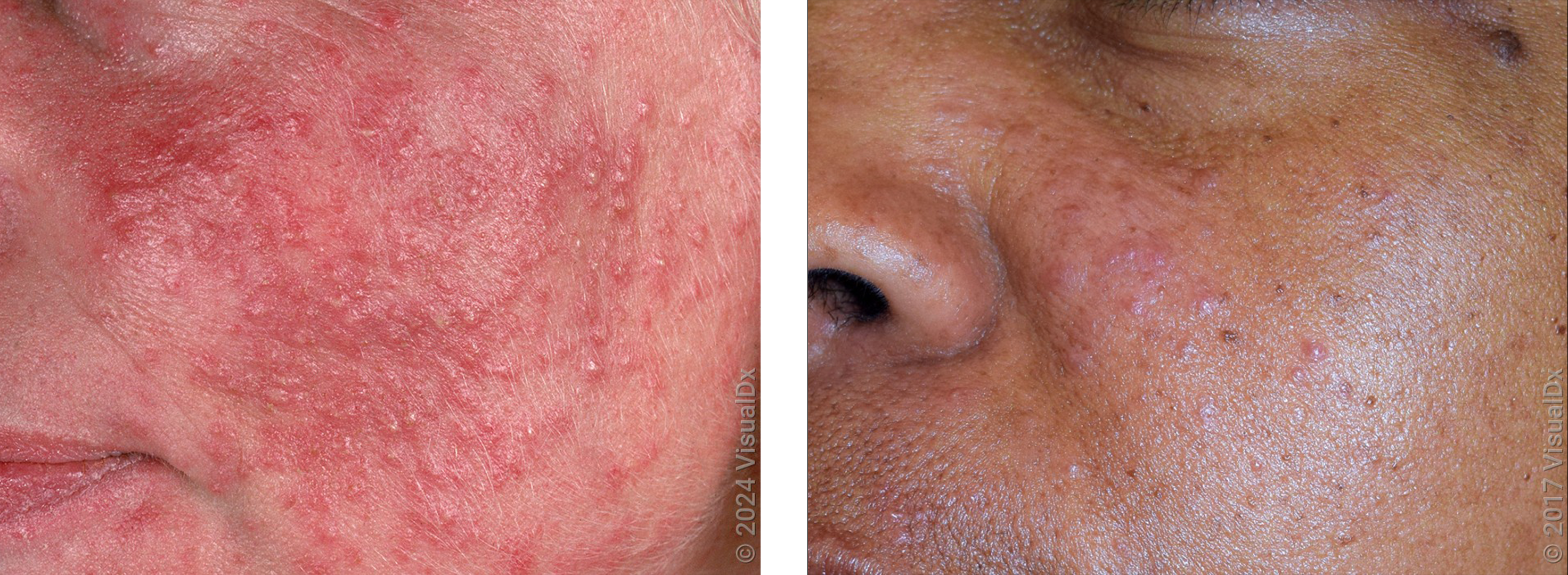
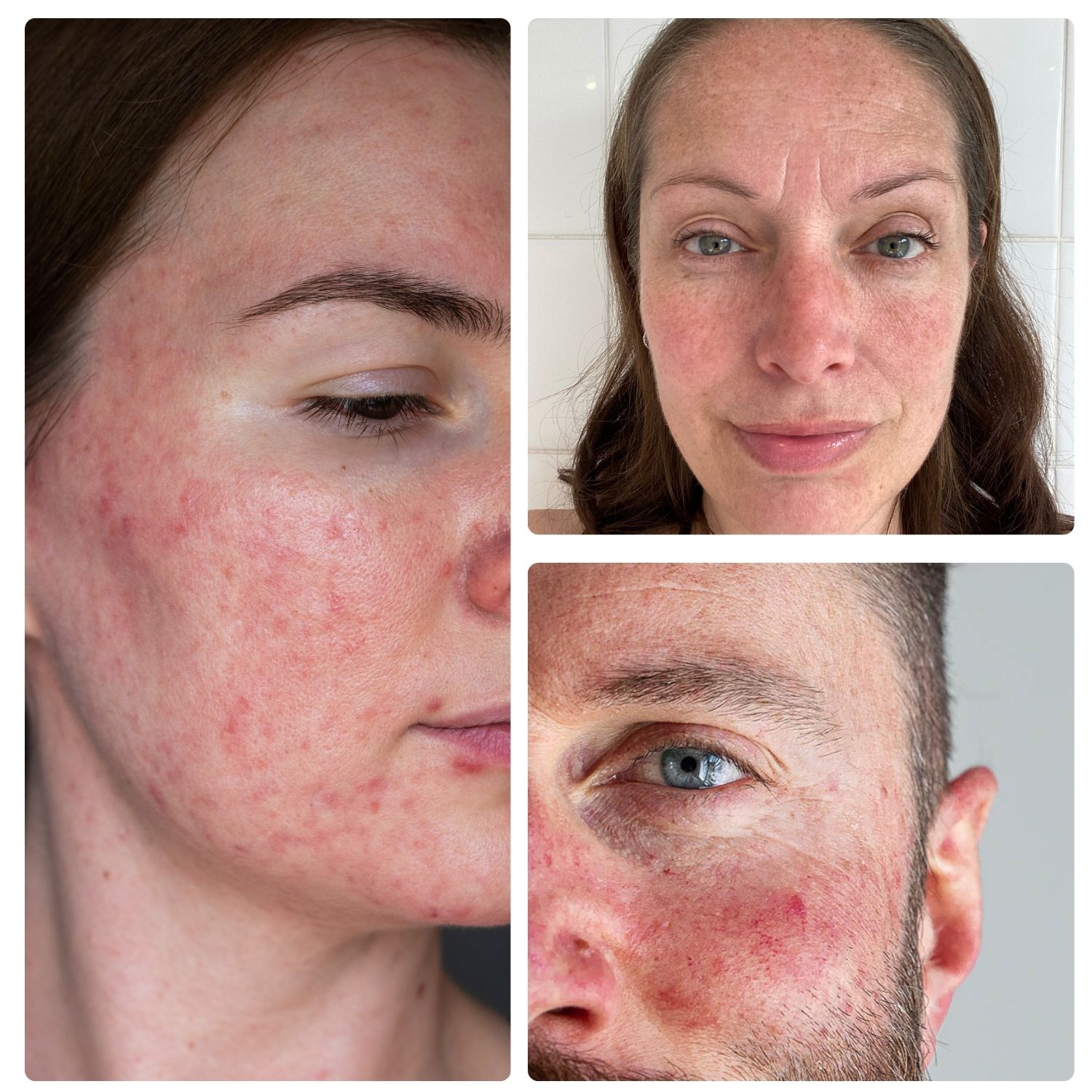
Rosacea is a common skin condition that mainly affects the face. It often causes redness on the cheeks, nose, chin, or forehead. Some people also develop visible blood vessels, small bumps, burning, stinging, or eye irritation.
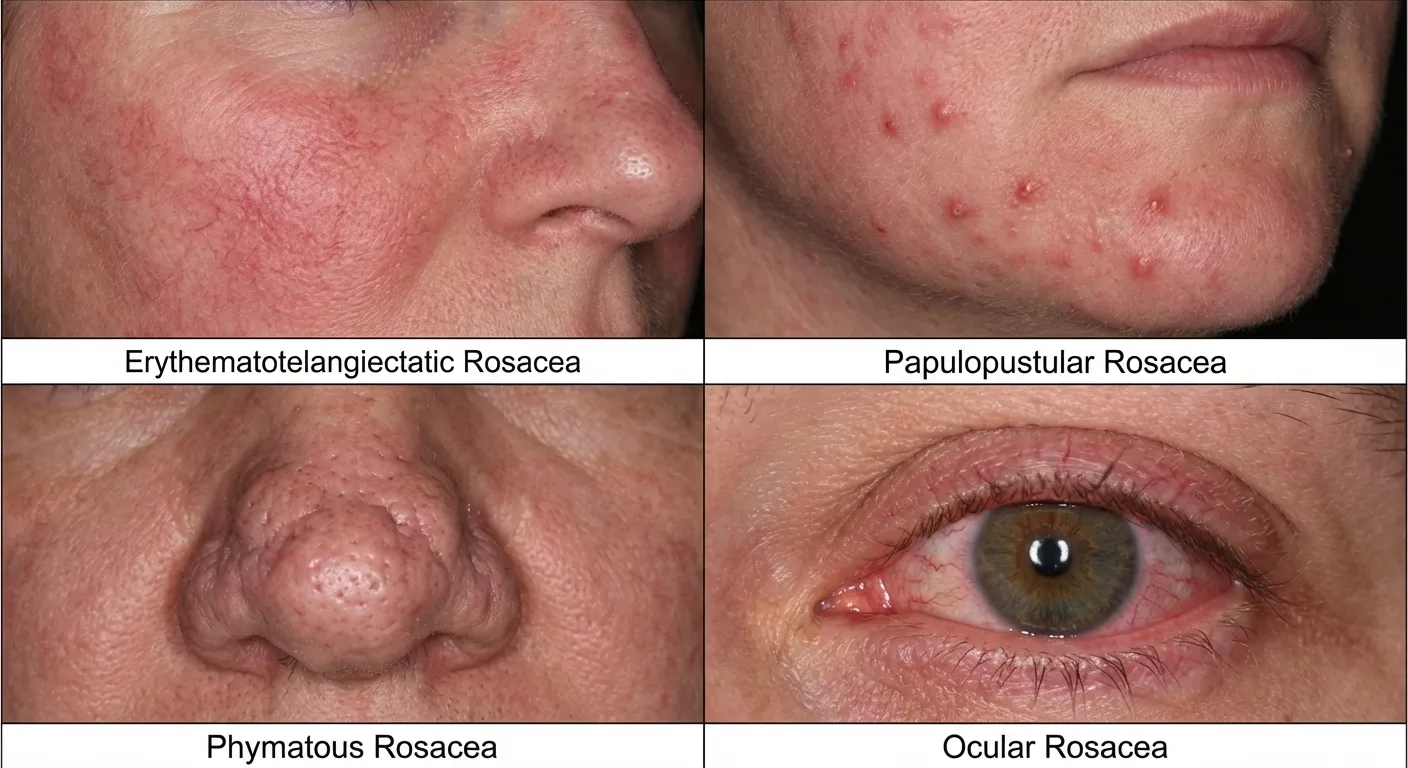
Rosacea can look different from person to person. One person may have mild redness, while another may have frequent flushing and acne-like bumps. Common rosacea types include:
• Erythematotelangiectatic rosacea, which causes flushing and lasting redness
• Papulopustular rosacea, which causes red bumps and pus-filled spots
• Phymatous rosacea, which can make the skin thicken, especially around the nose
• Ocular rosacea, which affects the eyes and eyelids
Rosacea is not caused by poor hygiene. It is also not the same as acne, although the two conditions can appear together. A dermatologist can help tell the difference and recommend treatment.
Does Rosacea Go Away With Weight Loss?
The short answer is no. Does rosacea go away with weight loss? In most cases, rosacea does not disappear simply because a person loses weight.
There is no strong evidence that weight loss alone cures rosacea. Rosacea is usually a chronic condition. It may improve for a time, then flare again when triggers appear.
However, weight loss may help in indirect ways. For example, gradual weight loss may support better sleep, improved blood sugar control, more daily activity, and lower overall inflammation. These changes may help some people notice fewer flares.
The link is not direct. Losing weight does not remove the blood vessel sensitivity or immune activity that can drive rosacea. Think of it like lowering the volume on a loud radio. The sound may become easier to manage, but the radio is still there.
So, does rosacea go away with weight loss? It may become easier to control for some people, but weight loss is not a proven rosacea treatment.

How Weight Can Affect Rosacea Symptoms
Body weight does not directly cause rosacea. People of every size can develop it. It is important not to blame yourself or assume that rosacea is a result of being overweight.
Still, weight-related health factors may affect skin symptoms in some people. These factors can include:
• Poor sleep, which may raise stress hormones and affect inflammation
• Sleep apnea, which can disturb sleep and increase daytime fatigue
• High blood sugar, which may affect inflammatory pathways
• Low physical activity, which can reduce general health and stress control
• Diet patterns that include more alcohol, spicy food, or highly processed meals
These factors do not affect everyone in the same way. One person may lose weight and see no change in rosacea. Another may notice fewer flares because they sleep better, drink less alcohol, or exercise more gently.
The most useful goal is not rapid weight loss. It is building steady habits that support your whole body and do not irritate your skin.

Why Rosacea Flares Happen
Rosacea flares often occur when facial blood vessels widen or skin inflammation increases. Common triggers include:
• Sun exposure
• Hot weather
• Cold wind
• Hot drinks
• Spicy foods
• Alcohol, especially red wine
• Emotional stress
• Strenuous exercise
• Hot baths and saunas
• Harsh skin care products
• Sudden temperature changes
Weight loss may change some of these triggers, but it does not control all of them. For example, a person may lose weight but still experience redness after drinking wine or spending time in the sun.
Exercise deserves special attention. Physical activity is helpful for general health and may support healthy weight loss. Yet intense exercise can temporarily trigger facial flushing. You can often reduce this problem by exercising in a cool space, taking breaks, drinking cool water, and choosing moderate activities such as walking or light strength training.

Can an Anti-Inflammatory Diet Help Rosacea?
Some people report fewer rosacea flares after changing their diet. However, there is no single rosacea diet that works for everyone.
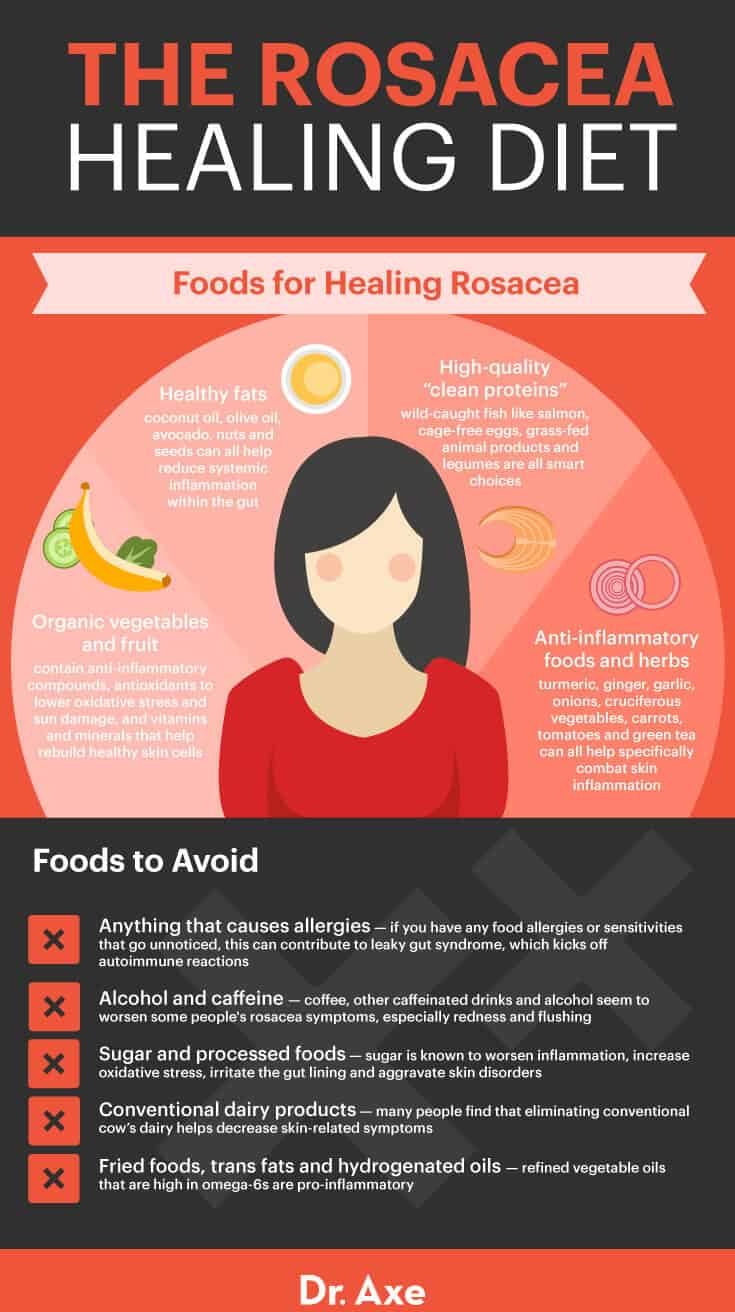
A balanced diet may support skin and general health. It can include:
• Vegetables and fruits
• Beans, lentils, and whole grains
• Fish and other lean proteins
• Nuts and seeds
• Healthy oils
• Plenty of water
Some foods may trigger flushing in sensitive people. Common examples include hot peppers, spicy sauces, hot coffee, and alcohol. Keep in mind that a food trigger is personal. You do not need to remove every suspected food from your diet.
A simple food and symptom diary can help. Write down what you eat, how hot the food or drink was, and whether symptoms appear within the next few hours. Test one change at a time. This prevents unnecessary restriction and makes patterns easier to see.
Extreme diets and fast weight loss can create new problems. They may cause fatigue, stress, nutrient gaps, or binge eating. A slow, balanced approach is safer and more sustainable.
What Treatments Work Better Than Weight Loss?
If you want to know does rosacea go away with weight loss, it helps to compare weight loss with proven treatment options. Rosacea treatment focuses on controlling redness, bumps, visible vessels, and eye symptoms.
A dermatologist may recommend:
• Gentle skin care and daily sunscreen
• Topical metronidazole for inflammation
• Azelaic acid for bumps and redness
• Ivermectin cream for inflammatory lesions linked to mites and inflammation
• Brimonidine or oxymetazoline to temporarily reduce facial redness
• Oral doxycycline for some moderate or severe cases
• Laser or intense pulsed light treatment for visible blood vessels and persistent redness
Treatment depends on your symptoms and medical history. A cream that helps bumps may not work well for flushing. Eye symptoms may require a different plan.
Do not use steroid cream on your face unless a clinician specifically tells you to. Topical steroids can sometimes worsen rosacea or cause rebound redness after stopping them.
A Practical Plan for Weight Loss and Rosacea
You can work on your weight without treating your skin harshly. The following plan is a useful starting point:
Set a health goal, not a perfect appearance goal. Focus on energy, sleep, movement, and strength.
Choose gentle exercise. Start with walking, cycling, swimming, or light resistance training.
Cool your body during workouts. Use a fan, exercise indoors, take breaks, and avoid very hot rooms.
Track rosacea triggers. Note sun exposure, heat, foods, drinks, stress, and products.
Protect your skin daily. Use a broad-spectrum SPF 30 or higher and seek shade.
Keep skin care simple. Use a mild cleanser, fragrance-free moisturizer, and products made for sensitive skin.
Avoid crash diets. Aim for gradual, steady changes that you can maintain.
Ask for professional support. A registered dietitian can help you create a safe plan, especially if you have diabetes, high blood pressure, or a history of disordered eating.
The key lesson is simple: weight loss can support health, but rosacea usually needs its own care plan.
Mistakes That Can Make Rosacea Worse
Many people try to solve rosacea by changing everything at once. They may start a strict diet, use several new skin products, and begin hard workouts in the same week. If the skin worsens, it becomes hard to know what caused the flare.
Common mistakes include:
• Assuming rosacea is caused only by weight
• Exercising in extreme heat
• Using abrasive scrubs to remove redness or bumps
• Trying strong acne products without medical advice
• Stopping prescribed medicine as soon as the skin improves
• Avoiding large groups of foods without a clear trigger
• Skipping sunscreen because the day feels cloudy
Another common mistake is expecting fast results. Rosacea care often works more like tending a garden than flipping a switch. Small, steady changes usually work better than dramatic ones.

When to See a Dermatologist
Make an appointment if facial redness is persistent, painful, spreading, or affecting your confidence. You should also seek care if you develop frequent eye irritation, gritty eyes, swollen eyelids, light sensitivity, or changes in vision.
A dermatologist can check whether the problem is rosacea or another condition. Similar symptoms may occur with acne, lupus, contact dermatitis, seborrheic dermatitis, or reactions to medication.
Seek prompt eye care for eye pain or vision changes. Ocular rosacea can affect the surface of the eye and should not be ignored.
A clinician can also help you avoid treatments that may irritate your skin. This is especially important if you are pregnant, breastfeeding, taking other medicines, or managing a chronic condition.
What Research Says About Weight Loss and Rosacea
Current medical guidance does not list weight loss as a cure for rosacea. Established care focuses on trigger control, sun protection, gentle skin care, prescription treatment, and procedures when needed.
Research has explored links between rosacea and conditions such as metabolic disease, high blood pressure, migraine, and gastrointestinal disorders. These associations do not prove that excess weight causes rosacea or that losing weight will remove it.
This distinction matters. A health association is a clue, not a guarantee. More research is needed to understand whether changes in body weight directly alter rosacea symptoms.
For now, the most accurate answer remains: does rosacea go away with weight loss? Usually, no. Weight loss may support better health and may reduce some personal triggers, but it should not replace medical rosacea treatment.
Frequently Asked Questions About Does Rosacea Go Away With Weight Loss
Can losing weight reduce facial redness?
It may help indirectly if weight loss improves sleep, activity, blood sugar control, or diet habits. However, losing weight does not reliably remove rosacea-related redness.
Is rosacea caused by being overweight?
No. Rosacea can affect people of all body sizes. Weight may relate to certain health factors, but it is not considered a direct cause of rosacea.
Does exercise make rosacea worse?
Exercise can cause temporary flushing because body temperature rises and blood vessels expand. Moderate activity in a cool setting is often easier to tolerate than intense exercise in heat.
What foods should I avoid with rosacea?
There is no universal list. Common triggers include spicy foods, hot drinks, and alcohol, but your own response matters most. A food and symptom diary can help identify personal triggers.
Can a healthy diet cure rosacea?
A healthy diet may support general health and reduce some triggers, but it does not cure rosacea. Most people need a combination of skin care, trigger control, and medical treatment.
How long does it take for rosacea treatment to work?
Some treatments may show improvement within several weeks, while others take longer. Follow your clinician’s instructions and avoid stopping treatment early unless advised.
Should I lose weight before seeing a dermatologist?
No. You do not need to lose weight before seeking care. Early treatment can reduce flares, protect your skin, and help you find a plan that fits your life.
Conclusion
Does rosacea go away with weight loss? Usually, it does not. Rosacea is a chronic skin condition, and weight loss alone is not a proven cure.
Still, gradual weight loss may support better sleep, movement, diet, and overall health. Pair those habits with sunscreen, gentle skin care, trigger tracking, and guidance from a dermatologist. Start with one manageable change this week, and explore trusted skin health resources or share your experience with a qualified health professional.
