
Most skin care products should change only when they expire, irritate your skin, or no longer meet your needs.
Knowing how often should you change your skin care products can save money, protect your skin barrier, and prevent needless irritation. The right answer depends on the product type, its ingredients, your skin goals, and how the formula is stored. This guide explains when to replace, switch, or keep each product, using practical skin care advice and evidence-based safety tips.
What “changing your skin care products” really means
People often use “change” in two ways. They may mean replacing an old product with a fresh one, or switching to a completely different formula. These are not the same.
Replacing a product means buying the same cleanser, moisturizer, or sunscreen again after it expires or runs out. Switching means moving to a new product because your skin has changed, the formula causes a reaction, or your goal is different.
For most people, how often should you change your skin care products is not a matter of following a fixed monthly schedule. Skin care is more like tending a garden. You give a routine time to work, watch for problems, and make small changes when needed.
Before changing anything, ask:
• Is the product expired or contaminated?
• Has my skin changed?
• Am I having irritation or an allergic reaction?
• Have I used the product long enough to judge it?
• Is the product suitable for my current skin concern?
Frequent changes can make it hard to know what helps. They can also cause dryness, redness, clogged pores, or a damaged skin barrier.

How often should you change your skin care products?
For a stable routine, keep basic products for at least several months if they work well and cause no problems. Give most new products four to eight weeks before judging their results, unless they cause burning, swelling, hives, or severe irritation.
Here is a practical guide:
• Cleanser: Replace it when it expires, changes smell or texture, or no longer cleans comfortably. Many people finish one within two to six months.
• Moisturizer: Keep using it while it remains fresh and suits your skin. A jar may last two to six months, depending on its size and use.
• Sunscreen: Replace it by the expiration date or sooner if it has been exposed to high heat. Use broad-spectrum SPF 30 or higher every day.
• Vitamin C serum: Replace it when it becomes dark, smells odd, or changes texture. Oxidation can reduce its usefulness.
• Retinoid: Keep it if your skin tolerates it and the formula remains stable. Start slowly rather than changing products each week.
• Exfoliant: Use less often if your skin feels tight, sore, or flaky. Do not add several exfoliating products at once.
• Eye cream: Treat it like any other face product. Replace it when expired or contaminated, not simply because a new trend appears.
The answer to how often should you change your skin care products also depends on your skin goals. Acne treatment may need steady use for several weeks. A moisturizer may feel helpful at once. Dark spots and fine lines often need months of consistent sun protection and treatment.
When should you replace a skin care product?
Expiration dates matter because preservatives do not protect a product forever. Over time, bacteria, yeast, air, light, and heat can affect a formula. This is especially true when you touch a product with your fingers or leave it open.
Look for an expiration date or an open-jar symbol. The symbol may show “6M,” “12M,” or “24M.” This means the product is intended for use within that number of months after opening.
Replace a product if:
• It has passed its expiration date.
• The color, smell, or texture has changed.
• The product separates and does not mix again as designed.
• The container is cracked, swollen, leaking, or damaged.
• You touched the opening with dirty hands or dropped it in water.
• It causes a new rash, burning, swelling, or itching.
• It has been stored in strong heat, sunlight, or a damp bathroom for a long time.
Sunscreen deserves special care. Its active ingredients can lose reliability after expiration or heat exposure. Never depend on an old sunscreen for full protection, especially during outdoor activities.
Pump bottles and airless containers usually reduce contamination better than open jars. Still, packaging does not make a product last forever. Clean hands, a tightly closed lid, and cool storage can help preserve freshness.

How often should you change your skin care products by product type?
Different formulas have different jobs and stability needs. A water-based serum may react to air more quickly than a dry powder. A sunscreen needs more strict attention than a simple body lotion.
Cleansers
You can usually keep a cleanser for as long as it remains within its use period and feels comfortable. There is no need to change it every season if it removes dirt, oil, makeup, and sunscreen without leaving your skin tight.
Change your cleanser if your face feels squeaky, dry, itchy, or rough after washing. You may also need a different formula when your skin becomes more oily, dry, sensitive, or acne-prone.
Moisturizers
A moisturizer can remain in your routine for years if it suits your skin and stays fresh. A light lotion may work well in summer, while a richer cream may feel better during a cold winter.
Do not change a moisturizer just because your skin feels dry for one day. Weather, hot showers, indoor heating, and harsh cleansers can all affect your skin barrier.
Sunscreens
Use sunscreen every morning and reapply when needed during outdoor exposure. Replace it when expired, when its texture changes, or when it has spent long periods in a hot car or direct sun.
How often should you change your skin care products is especially important for sunscreen. A new sunscreen may be worth trying if the old one pills, stings your eyes, leaves a heavy cast, or makes daily use difficult.
Serums
Serums often contain ingredients such as vitamin C, niacinamide, hyaluronic acid, peptides, or botanical extracts. Their useful life varies widely.
Vitamin C products can darken as they oxidize. A pale yellow color may be normal for some formulas, but a deep orange or brown color can signal significant oxidation. Follow the product directions and store it away from heat and bright light.
Retinoids
Retinoids can help acne, uneven tone, and signs of sun damage, but they can also cause dryness and peeling. Changing retinoids too often may increase irritation without improving results.
Start with a low frequency, such as two nights per week, and increase slowly if your skin remains calm. Pregnant or breastfeeding people should ask a qualified clinician about retinoid use.
Exfoliants
Alpha hydroxy acids, beta hydroxy acids, scrubs, and peeling products should not all be used together. More exfoliation does not always mean smoother skin. It can weaken the skin barrier and worsen redness.
Switch products only when you have a clear reason. For example, salicylic acid may suit clogged pores, while lactic acid may feel gentler for some dry skin types.

How long should you test a new skin care product?
Most products need time. A moisturizer may improve comfort within a few days, but acne, dark spots, and fine lines take longer to assess.
A simple testing timeline looks like this:
Test the product on a small area for several days.
Add only one new product at a time.
Use it at the recommended frequency.
Record changes in redness, dryness, breakouts, and comfort.
Review the result after four to eight weeks.
Stop sooner if you develop serious irritation.
A patch test can lower risk, but it cannot guarantee that your whole face will tolerate a product. Apply a small amount to the inner arm or behind the ear for several days. If you notice swelling, hives, intense itching, or blistering, wash it off and seek medical advice.
When considering how often should you change your skin care products, remember that “working” does not always mean dramatic visible change. A good cleanser may simply prevent tightness. A sunscreen may protect your progress rather than create a visible result.
Signs that you should change your skin care routine
Your skin often gives useful clues. A routine may need a change when it no longer matches your skin’s needs.
Watch for:
• Persistent stinging or burning.
• New redness, itching, swelling, or rash.
• Repeated breakouts after starting a product.
• Tightness, cracking, or heavy peeling.
• Excess oil caused by over-drying.
• A product that pills under makeup or sunscreen.
• No improvement after a fair trial.
• A new medical condition, medication, pregnancy, or major hormonal change.
Not every breakout means a product is bad. Some active ingredients may cause temporary dryness or irritation during adjustment. However, painful swelling, hives, breathing trouble, or rapidly spreading redness requires prompt medical care.
Also consider outside factors. Stress, sleep changes, diet, climate, masks, shaving, and medication can affect your skin. Changing five products at once may hide the real cause.
One lesson seen often in real routines is that people mistake irritation for progress. Strong tingling is not proof that a product works. Healthy skin should not feel constantly raw, hot, or painful.
How to change products without damaging your skin barrier
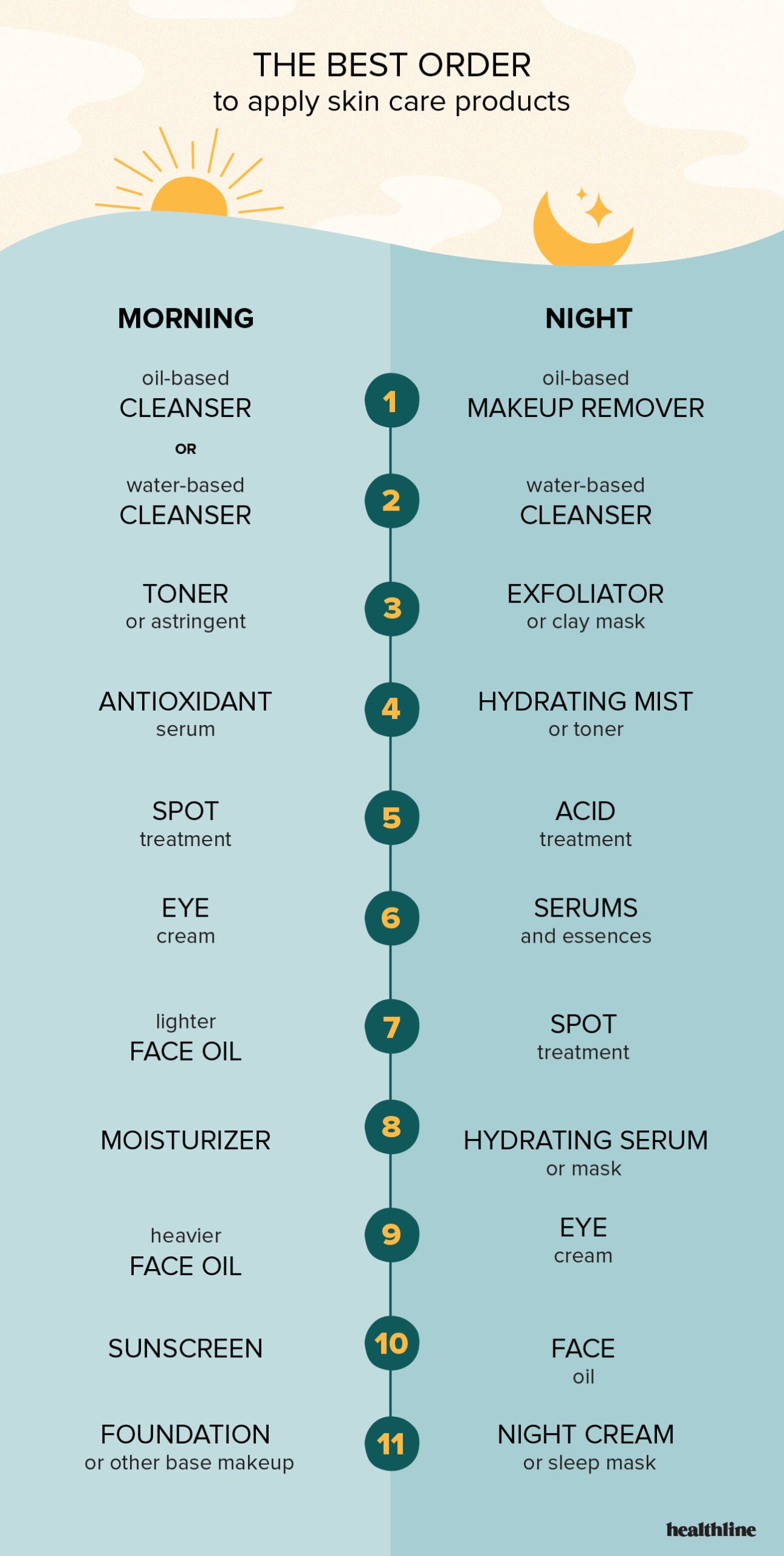
The safest approach is slow and simple. Think of your skin barrier as a brick wall. Skin cells are the bricks, and natural oils help hold them together. Too many harsh products can remove that support.
Use these steps:
• Keep a gentle cleanser, moisturizer, and sunscreen as your base.
• Add one new product at a time.
• Start active ingredients on alternate days.
• Avoid using a retinoid and strong exfoliant on the same night at first.
• Apply moisturizer before or after an active ingredient if you need extra comfort.
• Stop the newest product first if irritation begins.
• Return to a basic routine until your skin feels calm.
Do not “push through” severe irritation. Mild dryness can sometimes be managed with less frequent use, but pain, swelling, or a rash is a reason to stop and get professional advice.
If you have eczema, rosacea, severe acne, melasma, or very sensitive skin, a dermatologist can help you choose safer ingredients. Product advice online cannot replace an examination when symptoms are persistent or severe.

Common mistakes when changing skin care products
Many skin care problems come from good intentions. People want quick results, so they add more products or change them too soon.
Avoid these common mistakes:
• Switching products every few days.
• Starting several strong actives at once.
• Using expired sunscreen or serum.
• Keeping products in a hot car.
• Sharing products with other people.
• Using a facial product that causes repeated burning.
• Scrubbing dry or acne-prone skin too hard.
• Assuming natural means irritation-free.
• Copying a routine made for a different skin type.
• Judging a product before using it as directed for enough time.
Fragrance, essential oils, preservatives, and plant extracts can all cause reactions in some people. “Clean,” “natural,” and “chemical-free” are not reliable safety labels. Everything is made of chemicals, including water and plant extracts.
When asking how often should you change your skin care products, focus on formula quality, safety, and results. A simple routine that you follow is often better than a large routine that leaves your skin irritated.

A simple schedule for reviewing your skin care routine
You do not need to inspect your routine every week. A short review every few months is usually enough unless your skin changes.
Daily
Use products as directed. Close containers tightly. Notice comfort, redness, dryness, and new reactions.
Monthly
Check product texture, smell, color, and packaging. Review whether you are using sunscreen regularly and whether any product is nearly empty.
Every three to six months
Review your skin goals and the season. You may need a lighter moisturizer in humid weather or a richer formula in cold, dry weather.
When your skin changes
Reassess after a new medication, illness, pregnancy, major stress, travel, or a change in climate. Seek professional guidance if a problem does not improve.
Writing the opening date on a product can help. This small habit makes it easier to follow the product’s recommended period after opening.
How often should you change your skin care products for your skin type?
Skin type can guide product choices, but it should not control every decision. Your skin may be oily in summer and dry in winter. It may also become sensitive after over-exfoliation.
Oily or acne-prone skin
Choose non-comedogenic products when possible. Avoid changing acne treatments too quickly. Many acne ingredients need several weeks, and irritation can make breakouts look worse.
Dry skin
Use gentle, fragrance-free products with ingredients such as glycerin, ceramides, petrolatum, or hyaluronic acid. Change products when they fail to reduce dryness or cause stinging.
Sensitive skin
Choose a short routine with fewer ingredients. Patch test new products and avoid frequent experimentation with strong acids, scrubs, and fragrance.
Combination skin
You may use different textures on different areas. For example, a light lotion may suit the forehead, while a richer cream may help dry cheeks.
Mature or sun-damaged skin
Daily sunscreen is central. Ingredients such as retinoids, vitamin C, and gentle exfoliants may help, but introduce them gradually and protect your skin from excess irritation.
Frequently asked questions about how often should you change your skin care products
How often should you change your skin care products if they work well?
You do not need to change them on a set schedule if they remain safe, fresh, and effective. Replace them when they expire, change in texture or smell, or stop meeting your needs.
How long should I try a new skin care product?
Give most products four to eight weeks unless they cause irritation. Some acne treatments and products for uneven tone may need several months of consistent use.
Should I change my skin care routine with the seasons?
You may adjust textures with the weather, but you do not need a full routine change. Use lighter products in heat and richer, barrier-supporting products in cold or dry conditions.
Can changing skin care products cause breakouts?
Yes. Several new products can clog pores, irritate skin, or make it hard to identify the cause of a breakout. Add one product at a time and give your skin time to adjust.
When should I stop using a skin care product?
Stop if it causes significant burning, swelling, hives, blistering, or a spreading rash. For severe symptoms or breathing trouble, seek urgent medical care.
Do skin care products stop working if I use them for too long?
Most products do not stop working simply because you use them for a long time. Results may level off, or your skin’s needs may change, but routine changes should have a clear reason.
Is it safe to use expired skin care products?
It is best to replace expired products, especially sunscreen and products used near the eyes. Expired formulas may be less effective or more likely to become contaminated.
Conclusion
How often should you change your skin care products? Change them when they expire, become unstable, irritate your skin, or no longer fit your needs—not simply because a new trend appears.
Keep your routine simple, add one product at a time, and give helpful formulas enough time to work. A gentle cleanser, suitable moisturizer, and daily sunscreen provide a strong base for most routines. Review your products every few months, listen to your skin, and ask a dermatologist for help when symptoms persist. Use these steps to build a calmer routine, then explore more evidence-based skin care guidance or share your experience in the comments.
