
Skin care products work by supporting the skin barrier, changing cell behavior, and protecting skin from damage.
Understanding how do skin care products work can make your routine simpler and more effective. Cleansers remove dirt, moisturizers reduce water loss, and treatments deliver active ingredients to specific skin layers. The key is matching each product to your skin’s needs, using it correctly, and giving it enough time to show results.
How do skin care products work?
Your skin is more than a cover. It is a living organ with several layers, oil glands, sweat glands, immune cells, and a natural barrier. This barrier helps keep water inside while blocking irritants, germs, and pollutants.
Most skin care products work in one of three ways:
• They remove something, such as oil, sweat, makeup, or dead skin cells.
• They add something, such as water, oil, or barrier-supporting ingredients.
• They change a skin process, such as inflammation, pigment production, or cell turnover.
The answer to how do skin care products work depends on the product’s ingredients, its formula, and how deeply those ingredients can travel. Many products work mainly on the outer layer of skin, called the stratum corneum. Some active ingredients can reach living skin cells below it.
Think of the skin barrier as a brick wall. Skin cells are the bricks, and fats such as ceramides, cholesterol, and fatty acids act like mortar. A good routine helps maintain this wall rather than constantly stripping it down.
A product’s effect also depends on contact time. A cleanser may touch your skin for less than a minute, while a moisturizer or sunscreen may stay on it for hours. This is why leave-on products often have a greater long-term effect than rinse-off products.

How cleansers work
Cleansers remove substances that water alone cannot lift away. These include excess oil, sunscreen, makeup, sweat, dirt, and particles from the environment.
Most cleansers contain surfactants. Surfactants have one part that mixes with water and another part that attracts oil. When you massage a cleanser onto wet skin, these molecules surround oil and dirt. Water then rinses them away.
A good cleanser removes buildup without taking away too much of the skin’s natural oil. If it strips the barrier, your skin may feel tight, dry, itchy, or unusually shiny. That tight feeling is not proof that a cleanser worked well. It can signal irritation.
Different cleanser types suit different needs:
• Gel cleansers often feel light and fresh. They may suit oily or acne-prone skin.
• Cream cleansers contain more moisturizing agents. They may help dry or sensitive skin.
• Oil cleansers dissolve oil-based makeup and sunscreen well.
• Micellar water uses tiny cleansing structures called micelles. It can be useful for light makeup, but some people still need to rinse afterward.
• Exfoliating cleansers contain acids or rough particles. They can remove dead cells, but frequent use may irritate skin.
When considering how do skin care products work, cleansing is a useful example of balance. A cleanser should remove unwanted material while leaving the protective barrier mostly intact.
A practical tip is to use lukewarm water, not hot water. Hot water can increase dryness and redness. Pat your face dry with a clean towel instead of rubbing it.

How moisturizers work
Moisturizers help the skin hold water and feel smoother. They do not simply “put water into” the skin. Their ingredients help reduce water loss and improve the barrier’s structure.
Most moisturizers use three main groups of ingredients:
• Humectants attract water. Examples include glycerin, hyaluronic acid, urea, and panthenol.
• Emollients fill small gaps between skin cells. Examples include plant oils, fatty acids, and certain esters.
• Occlusives form a protective layer that slows water loss. Examples include petrolatum, mineral oil, dimethicone, and some waxes.
A moisturizer may contain all three groups. For example, glycerin attracts water, fatty acids soften rough areas, and dimethicone helps seal the surface.
This explains how do skin care products work when skin feels dry. They support the outer barrier so water escapes more slowly. They can also reduce roughness, flaking, and discomfort.
Apply moisturizer while your skin is slightly damp. This helps trap some surface water. However, moisturizer does not need to feel thick or greasy to work well.
Choose the texture based on your skin:
• Lotion is light and often suits normal or combination skin.
• Cream is richer and may help dry skin.
• Ointment is highly protective and may help very dry or cracked areas.
• Gel feels light and may suit oily skin.
If a moisturizer stings, causes a rash, or makes your skin itch, stop using it. Fragrance, preservatives, and botanical extracts can trigger reactions in some people.

How exfoliants work
Exfoliants remove or loosen dead cells from the skin’s surface. This may make skin feel smoother and can help prevent clogged pores.
There are two main types.
Chemical exfoliants use acids or related compounds. Alpha hydroxy acids, such as glycolic acid and lactic acid, work mainly on the skin’s surface. Beta hydroxy acid, usually salicylic acid, can move into oil because it is oil-soluble. This makes it useful for oily skin and clogged pores.
Physical exfoliants use friction. Scrubs, brushes, and textured tools loosen dead cells through rubbing. Gentle rubbing may be fine for some people, but harsh particles can cause tiny areas of irritation.
The answer to how do skin care products work is not always “more is better.” Over-exfoliation can damage the barrier. Signs include burning, redness, peeling, increased sensitivity, and breakouts that seem to appear after starting a new routine.
Start with one exfoliating product once or twice a week. Avoid using several strong acids at the same time. Be cautious when combining exfoliants with retinoids or acne medicines.
Exfoliation can improve skin texture, but it does not erase deep scars or permanently shrink pores. Pores may look less visible when oil and buildup are reduced, yet their basic size is influenced by genetics and skin structure.

How acne products work
Acne products target several causes at once. These include excess oil, blocked pores, bacteria, inflammation, and abnormal shedding of skin cells.
Common acne ingredients include:
• Salicylic acid helps loosen oil and dead cells inside pores.
• Benzoyl peroxide reduces acne-causing bacteria and inflammation.
• Adapalene, a topical retinoid, helps regulate cell turnover and prevent clogged pores.
• Azelaic acid may help with acne, redness, and leftover dark marks.
• Sulfur can reduce oil and has mild antimicrobial effects.
Acne treatment takes time. A pimple may improve in days, but preventing new breakouts often takes several weeks. Starting too many products at once can cause irritation and make it hard to know what helps.
When asking how do skin care products work for acne, think about prevention rather than quick removal. A product that keeps pores from clogging can be more valuable than one that only dries a current blemish.
Use a thin layer as directed. Applying more does not usually speed results. It often increases dryness, peeling, and burning.
Do not squeeze pimples. This can push inflammation deeper and raise the risk of dark marks or scars. If acne is painful, widespread, or leaving scars, a dermatologist can offer stronger and more precise treatment.

How retinoids work
Retinoids are vitamin A compounds. They are among the most studied ingredients in skin care and dermatology.
They work by attaching to retinoid receptors in skin cells. This can influence cell turnover, pore blockage, inflammation, and collagen-related processes. Prescription retinoids are usually stronger than over-the-counter retinol.
Retinoids may help with:
• Acne and clogged pores
• Uneven skin texture
• Fine lines caused by sun exposure
• Uneven pigmentation
• Dull-looking skin
Retinol must be converted by the skin into active retinoic acid. This extra step may make it gentler, but it can also make results less predictable. Product strength and formula stability matter.
A common mistake is using a retinoid every night from the start. A better approach is to use a small amount two nights per week, then increase slowly if your skin tolerates it. Apply moisturizer before or after it if dryness develops.
Retinoids can increase irritation and sun sensitivity. Use sunscreen each morning. People who are pregnant or trying to become pregnant should ask a health professional before using retinoid products.
This is an important part of how do skin care products work: active ingredients can change skin behavior, but they also need careful use.

How vitamin C and brightening products work
Brightening products target uneven skin tone, dark spots, and dullness. They do not bleach the skin. Instead, they may reduce pigment production, limit pigment transfer, or speed the removal of pigmented surface cells.
Vitamin C is an antioxidant. It can help neutralize some free radicals created by sunlight and pollution. It may also support collagen production and reduce steps involved in melanin formation.
Other ingredients used for uneven tone include:
• Niacinamide may support the barrier and reduce the transfer of pigment to skin cells.
• Azelaic acid can help with acne-related marks and uneven tone.
• Kojic acid can reduce pigment formation but may irritate sensitive skin.
• Alpha hydroxy acids increase surface cell shedding.
• Hydroquinone can reduce pigment production but should be used with professional guidance, especially for longer treatment.
Dark marks often become worse after irritation or sun exposure. This is particularly common in medium to deep skin tones. Sunscreen is therefore central to any plan for discoloration.
Results can take two to four months or longer. If a dark spot changes shape, bleeds, crusts, or grows quickly, do not treat it as a cosmetic issue. Have it checked by a medical professional.

How sunscreen works
Sunscreen protects skin from ultraviolet radiation. Some sunscreen ingredients absorb ultraviolet energy. Others reflect or scatter part of it at the skin’s surface.
Broad-spectrum sunscreen protects against both UVA and UVB rays. UVB is strongly linked with sunburn. UVA reaches deeper into the skin and contributes to premature aging and some forms of skin damage.
Sunscreen can help reduce:
• Sunburn
• Darkening of existing spots
• Uneven skin tone
• Collagen breakdown
• Long-term ultraviolet damage
Use a broad-spectrum product with SPF 30 or higher. Apply enough to cover exposed skin. For the face, many experts suggest about two finger lengths of product, though the exact amount depends on the product and body area.
Reapply after swimming, sweating, toweling off, or prolonged outdoor activity. No sunscreen provides perfect protection, so hats, shade, sunglasses, and protective clothing also matter.
When learning how do skin care products work, sunscreen deserves special attention. It does not reverse every sign of aging, but it helps prevent many of the processes that cause them.
Sunscreen may feel heavy or leave a white cast. Try a different texture, a tinted formula, or a product designed for your skin type. The best sunscreen is one you will use often and apply generously.
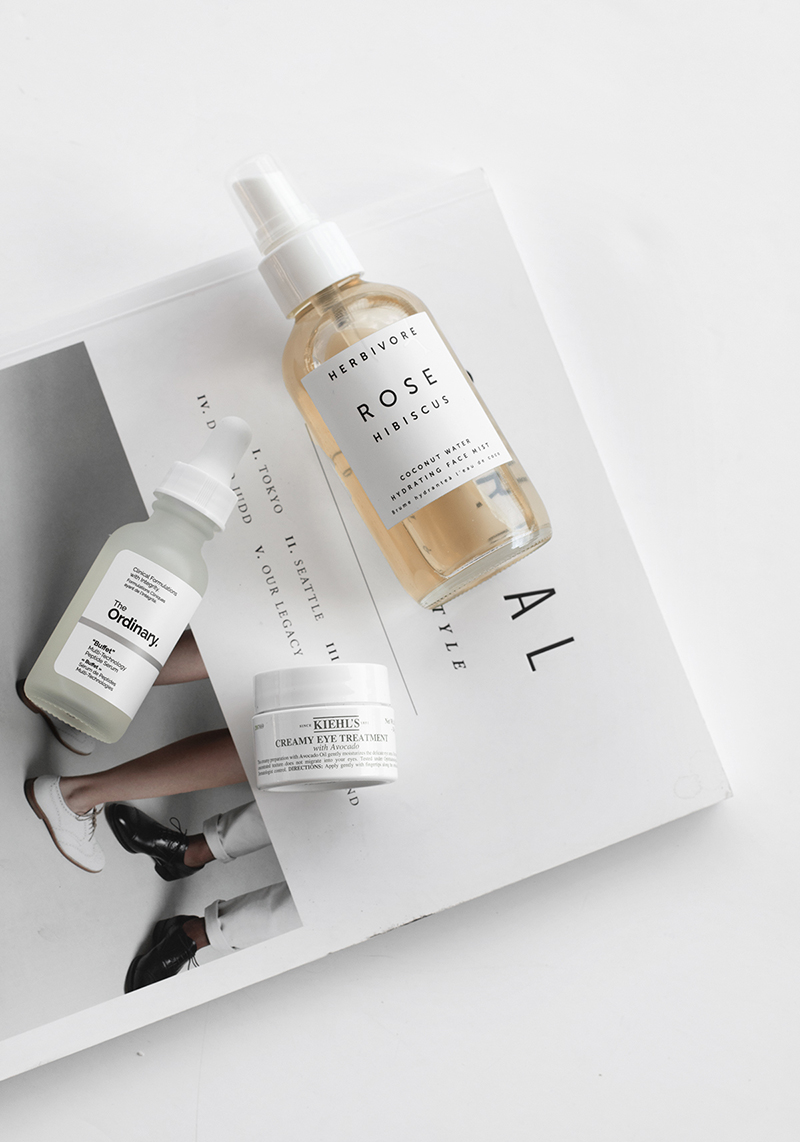
How serums and active ingredients work
A serum is a product category based mainly on texture and ingredient concentration. It is not automatically stronger or better than a cream.
Serums may contain ingredients such as vitamin C, niacinamide, hyaluronic acid, peptides, salicylic acid, or retinol. Their effects depend on the full formula, not just one ingredient on the label.
A product’s performance can be influenced by:
• Ingredient concentration
• Skin-friendly pH
• Stability in light and air
• Delivery system
• Contact time
• Packaging
• Your skin’s condition
For example, hyaluronic acid can make skin feel more hydrated on the surface. It cannot replace sunscreen or repair every form of damage. Peptides may support the look of firmness, but claims vary by formula and study quality.
This shows why how do skin care products work is a formula question, not only an ingredient question. Two products with the same active ingredient may feel and perform differently.
Introduce one new active at a time. Patch-test it on a small area for several days when possible. If you develop swelling, hives, blistering, or severe burning, wash it off and seek medical advice.
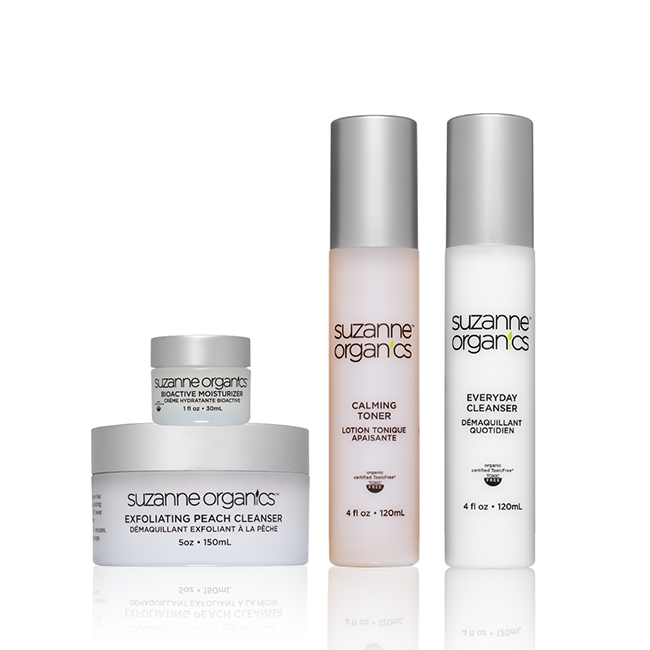
How skin care products reach the skin
The outer skin barrier limits how far most ingredients travel. This is useful because it protects the body, but it also limits what topical products can do.
Small, oil-friendly molecules often move through the outer barrier more easily than large molecules. Water content, skin condition, product pH, and application method also affect absorption.
Most skin care products work mainly at or near the surface. This includes cleansers, moisturizers, many exfoliants, and sunscreens. Some medicines and active ingredients can reach deeper layers, but their results still depend on dose and regular use.
Do not assume that a product that tingles is penetrating well. Tingling often signals irritation. Likewise, a product that feels heavy is not necessarily more effective.
The skin may absorb some ingredients, but cosmetic products are not the same as oral medicines or medical procedures. Claims about reaching deep tissue, removing all wrinkles, or permanently changing pores should be viewed carefully.
How to build a skin care routine
A simple routine is easier to follow and less likely to cause irritation. Most people can start with three basic steps.
Morning routine
Cleanse gently, or rinse with water if your skin is dry and comfortable.
Apply a treatment product if needed.
Use moisturizer.
Finish with broad-spectrum sunscreen.
Evening routine
Remove makeup and sunscreen.
Cleanse gently.
Apply one treatment product.
Use moisturizer.
Add new products slowly. Use a new active for at least several weeks before deciding whether it works, unless it causes irritation.
A useful routine-building rule is:
• Protect in the morning.
• Repair and treat at night.
• Keep the number of active products low.
The answer to how do skin care products work becomes much clearer when you use products in the right order. Thin, water-based products usually go before thicker creams. Sunscreen goes last in the morning.
You do not need a ten-step routine. More products mean more chances for irritation, ingredient conflicts, wasted money, and confusion.
Common mistakes that limit results
Even well-designed products may fail when they are used incorrectly.
Common mistakes include:
• Washing the face too often
• Scrubbing hard to remove oil
• Starting several active ingredients together
• Skipping sunscreen while treating dark spots
• Applying too little sunscreen
• Changing products every few days
• Using expired or poorly stored products
• Ignoring irritation
• Copying a routine made for someone else’s skin
One lesson that comes up often in skin care testing is that consistency matters more than excitement. A mild routine used for months can outperform a harsh routine used for one week.
Another mistake is judging a product by one early sensation. A cooling feeling does not prove effectiveness, and a strong sting does not prove that an ingredient is working.
Store products as directed. Heat, air, light, and moisture can affect stability. Keep jar products clean, and do not share products that touch the skin directly.
How long do skin care products take to work?
Different products have different timelines.
• Cleansers can make skin feel cleaner after one use.
• Moisturizers may improve comfort and softness within days.
• Exfoliants may smooth texture over several weeks.
• Acne treatments often need six to twelve weeks for a clear change.
• Retinoids may need several months for visible improvements.
• Dark-spot treatments often need two to four months or more.
• Sunscreen helps protect skin from the first use, but its value grows with daily use.
Your results may differ from product advertisements. Age, hormones, genetics, climate, stress, medication, and skin conditions all play a role.
Take photos in the same light every few weeks if you want to track progress. Daily mirror checks can make small changes hard to notice.
When skin care products may not be enough
Skin care can support healthy skin, but it cannot treat every problem. Persistent acne, eczema, rosacea, psoriasis, severe dryness, and changing moles may need medical care.
See a dermatologist or other qualified health professional if you have:
• Painful or deep acne
• Scarring or rapidly spreading rash
• Severe swelling or blistering
• Ongoing itching
• A wound that does not heal
• A changing, bleeding, or unusual spot
• No improvement after consistent care
Professional treatment may include prescription creams, oral medicines, procedures, allergy testing, or a more specific diagnosis.
It is also important to recognize marketing limits. Cosmetic products may improve the appearance of fine lines or dark marks, but they cannot promise the same results as medical treatment. The strongest claims deserve the closest review.
Frequently Asked Questions About How Do Skin Care Products Work
How do skin care products work on the skin barrier?
They can cleanse the surface, add water-binding ingredients, soften rough areas, or reduce water loss. Barrier-friendly products usually contain gentle cleansers, moisturizers, ceramides, glycerin, or occlusive ingredients.
How do skin care products work for acne?
Acne products may reduce oil, clear clogged pores, limit bacteria, or calm inflammation. Ingredients such as salicylic acid, benzoyl peroxide, adapalene, and azelaic acid work in different ways.
How do skin care products work on dark spots?
Brightening products can slow pigment production, reduce pigment transfer, or remove pigmented surface cells. Daily sunscreen is essential because ultraviolet exposure can darken spots and reduce treatment results.
How do skin care products work if they only reach the skin’s surface?
Many skin concerns begin at the surface, so improving the barrier, hydration, and dead-cell buildup can produce visible results. Some active ingredients can move farther into the skin, but topical products have limits.
Can skin care products permanently change your skin?
They can improve hydration, texture, acne, and the appearance of uneven tone with regular use. Results usually require continued care, and products cannot permanently stop aging or change genetically determined features.
How many skin care products should I use?
A basic routine can include a gentle cleanser, moisturizer, and sunscreen. Add one treatment product only when you have a clear goal and your skin can tolerate it.
Why do some skin care products burn or sting?
Stinging may come from irritation, a damaged barrier, fragrance, acids, retinoids, or an allergic reaction. Stop using a product if burning is strong or lasts, and seek medical help for swelling, hives, or blistering.
Conclusion
Skin care products work by removing buildup, supporting the barrier, protecting against ultraviolet light, and changing specific skin processes. Cleansers, moisturizers, exfoliants, acne treatments, retinoids, brightening products, and sunscreens each have a different job.
The best routine is not the longest one. Choose products based on your skin’s needs, introduce active ingredients slowly, wear sunscreen, and give proven treatments enough time to work. Start with a simple plan today, then explore trusted dermatology resources or share your routine and results in the comments.
