
Daily sunscreen, gentle care, moisture, good habits, and regular skin checks help skin stay strong as you age.
Learning how to keep healthy skin as you age is less about chasing a perfect, wrinkle-free face and more about protecting your skin barrier over time. Sun exposure, dryness, hormonal changes, pollution, smoking, and some medicines can all affect how skin looks and feels. With evidence-based care and a few steady habits, you can support smoother, calmer, and more resilient skin at any age.
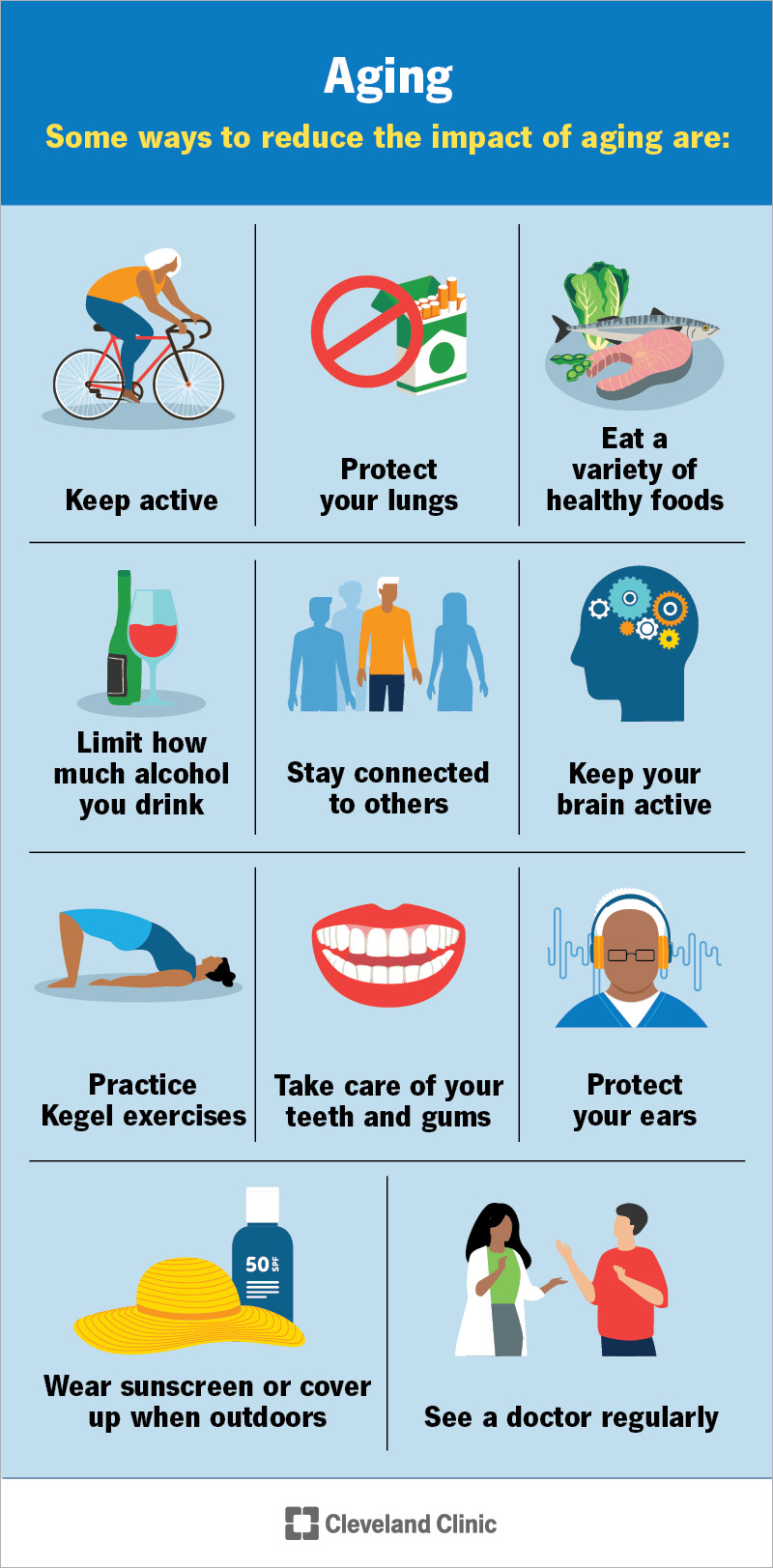
How skin changes as you age
Healthy skin changes slowly, often long before visible lines appear. With age, the skin may produce less oil, collagen, and elastin. Cell turnover also slows, so the skin may look dull or take longer to recover from irritation.
The outer skin barrier can become less effective. Think of this barrier as a thin raincoat. When it is strong, it helps keep water in and irritants out. When it is weak, skin may feel tight, itchy, rough, or more sensitive.
Common age-related changes include:
• Fine lines and wrinkles
• Dryness and rough texture
• Less firmness and elasticity
• Uneven skin tone and dark spots
• Increased sensitivity
• Easy bruising or slower wound healing
• More visible blood vessels
• A greater risk of certain skin cancers
These changes are normal, but they are not caused by age alone. Ultraviolet radiation from the sun is one of the main causes of premature skin aging. This is why learning how to keep healthy skin as you age must begin with daily protection, not just anti-aging products.

Protect your skin from the sun every day
The most important answer to how to keep healthy skin as you age is simple: limit ultraviolet exposure. UVA rays can contribute to wrinkles and dark spots. UVB rays can cause sunburn and raise skin cancer risk. Both types can harm skin cells.
Use a broad-spectrum sunscreen with an SPF of 30 or higher. Apply it to your face, ears, neck, hands, and any other exposed skin. Put it on about 15 minutes before going outdoors, and reapply at least every two hours when you are outside, swimming, or sweating.
Sunscreen works best as part of a wider sun protection plan:
• Wear a wide-brimmed hat.
• Choose sunglasses that block ultraviolet rays.
• Seek shade, especially around midday.
• Wear tightly woven clothing or UPF-rated clothing.
• Avoid tanning beds.
• Reapply sunscreen after swimming or heavy sweating.
Many people use sunscreen only on beach days. That habit misses daily exposure from walking, driving, gardening, or sitting near a bright window. A lightweight sunscreen that feels pleasant is more likely to become a lasting habit.
Mineral sunscreens with zinc oxide or titanium dioxide can be useful for sensitive skin. Chemical sunscreens can also work well. The best sunscreen is one you will use correctly and often.

Build a simple daily skin care routine
A complicated routine is not required for healthy aging skin. In fact, using too many products can cause dryness, redness, or breakouts. A basic routine should cleanse, moisturize, and protect.
Morning routine
- Cleanse with a gentle, fragrance-free cleanser if needed.
- Apply a moisturizer suited to your skin type.
- Use broad-spectrum SPF 30 or higher.
- Add makeup after sunscreen has settled.
You may not need a strong cleanser in the morning if your skin is very dry. Rinsing with lukewarm water or using a mild cleanser may be enough.
Evening routine
- Remove makeup and sunscreen.
- Wash with a gentle cleanser.
- Apply treatment products if your skin tolerates them.
- Finish with moisturizer.
Use lukewarm water instead of hot water. Hot water can remove helpful oils and worsen itching. Pat your skin dry with a soft towel rather than rubbing it.
When people ask how to keep healthy skin as you age, I often point them back to consistency. A modest routine used every day is usually more useful than a costly routine used for one week.
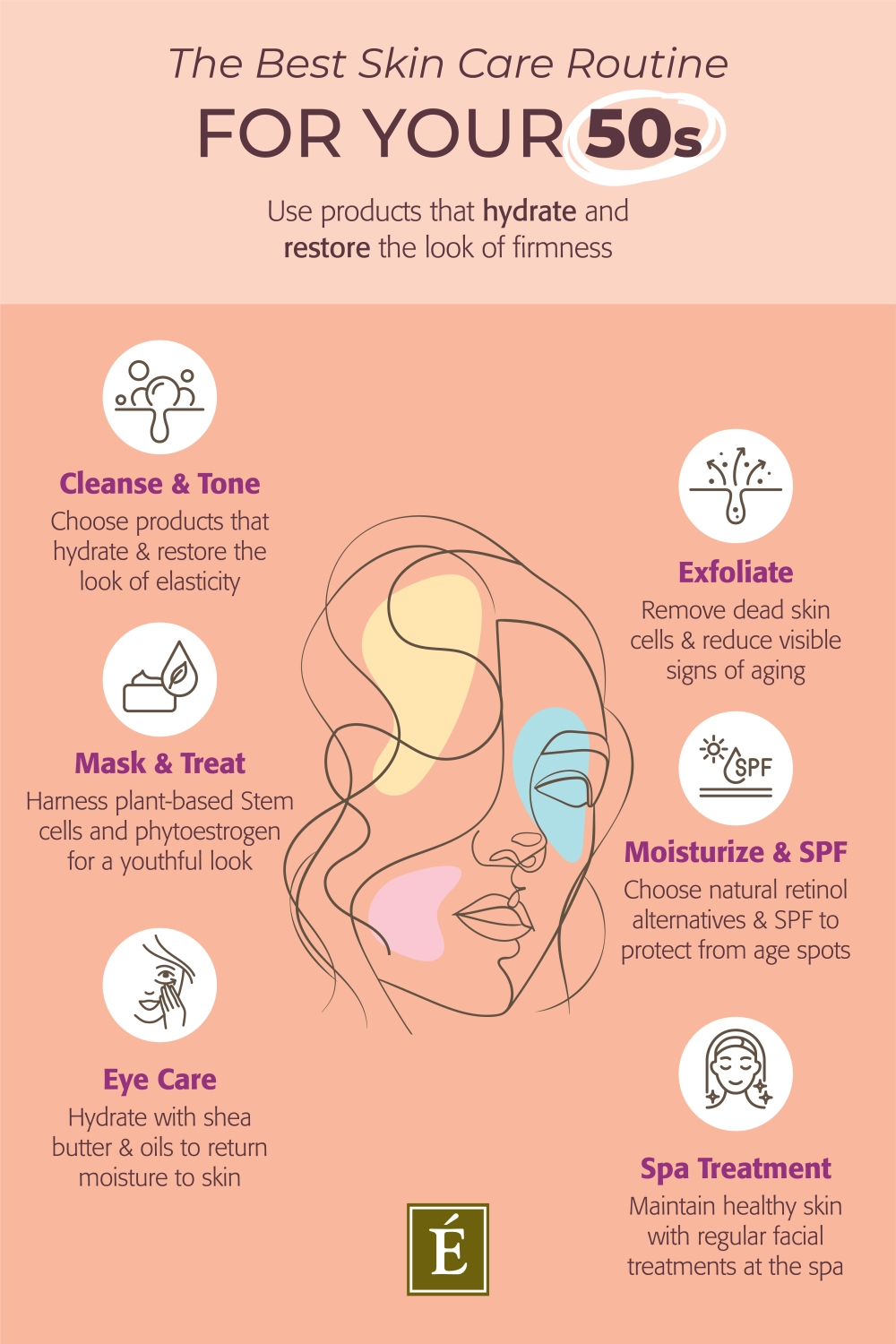
Moisturize to support the skin barrier
Moisturizer helps reduce water loss from the skin. It can make skin feel softer and may reduce the appearance of fine lines caused by dryness. It does not stop natural aging, but it helps the surface look smoother and more comfortable.
Look for ingredients that support hydration and the skin barrier, such as:
• Ceramides
• Glycerin
• Hyaluronic acid
• Petrolatum
• Squalane
• Dimethicone
• Colloidal oatmeal
Creams and ointments usually provide more moisture than thin lotions. If your skin is oily or acne-prone, choose a noncomedogenic product. If your skin is sensitive, select a fragrance-free formula and test it on a small area first.
Apply moisturizer while the skin is still slightly damp. This helps trap water in the outer layer. Moisturize your hands after washing them, since frequent hand washing can cause cracks and irritation.
Dry skin can also reflect a medical issue, such as eczema, thyroid disease, diabetes, or a reaction to medicine. Persistent dryness deserves professional advice rather than endless product changes.

Add proven ingredients slowly
Some skin care ingredients have better evidence than others. Still, even effective products can irritate mature or sensitive skin when used too often.
Retinoids are among the most studied ingredients for improving fine lines, uneven texture, and acne. Prescription tretinoin is stronger than over-the-counter retinol. Start with a small amount two or three nights per week, then increase slowly if your skin remains comfortable.
Other useful ingredients include:
• Vitamin C for antioxidant support and uneven tone
• Niacinamide for barrier support and redness
• Azelaic acid for discoloration and blemishes
• Alpha hydroxy acids for gentle exfoliation
• Peptides for skin-conditioning benefits
Do not begin several active ingredients at once. Add one product, use it for several weeks, and watch for burning, swelling, or a rash. Strong stinging is not proof that a product is working.
Retinoids are not suitable for everyone. People who are pregnant or trying to become pregnant should ask a health professional before using retinoid products. A dermatologist can also help choose a safe option for rosacea, eczema, acne, or darker skin tones that may be more likely to develop post-inflammatory dark marks.

Exfoliate with care
Exfoliation removes some dead surface cells, which may improve dullness and texture. However, excessive exfoliation can damage the skin barrier. This is especially important as skin becomes thinner and more sensitive with age.
Chemical exfoliants, such as lactic acid or salicylic acid, may be gentler than rough scrubs for some people. Use them once a week at first. Stop if you notice burning, peeling, lasting redness, or increased sensitivity.
Avoid combining several strong treatments on the same night. For example, using a retinoid, an exfoliating acid, and a harsh scrub together can cause irritation without delivering better results.
A practical rule for how to keep healthy skin as you age is to treat your skin like fine fabric. Clean it gently, handle it with care, and do not keep rubbing it to make it “work harder.”

Support skin health from the inside
Skin reflects more than your bathroom routine. Food, sleep, movement, stress, smoking, and alcohol can affect the body systems that support skin repair and protection.
Build meals around:
• Vegetables and fruit
• Beans, lentils, eggs, fish, poultry, or other protein
• Nuts and seeds
• Whole grains
• Healthy fats such as olive oil and avocado
• Enough water to prevent thirst and dehydration
Protein supplies amino acids used throughout the body. Foods rich in vitamin C support normal collagen formation. Omega-3 fats may support overall health, although supplements are not a guaranteed anti-aging treatment.
Sleep matters because the body carries out repair and immune functions during rest. Regular movement supports circulation, strength, mood, and metabolic health. Stress does not create every skin problem, but long-term stress may worsen conditions such as acne, eczema, psoriasis, or itching.
Smoking speeds skin aging by reducing blood flow and damaging collagen. Quitting is one of the strongest health steps you can take for your skin and the rest of your body.
Be cautious with “beauty” supplements. Evidence is mixed, product quality varies, and some supplements interact with medicines. Food and professional guidance are usually safer starting points.
Avoid common skin care mistakes
Good intentions can still lead to irritation. Many signs of a damaged skin barrier come from doing too much rather than too little.
Avoid these common mistakes:
• Washing the face with harsh bar soap
• Scrubbing hard with brushes or rough cloths
• Using very hot water
• Skipping sunscreen in winter or on cloudy days
• Changing products every few days
• Applying perfume or essential oils to sensitive skin
• Picking at blemishes or scabs
• Sleeping in makeup
• Using expired products
• Copying a routine made for another person’s skin
Patch-test new products on a small area, such as the inner arm or behind the ear. Wait at least 24 to 48 hours when possible. A patch test cannot guarantee that a product will never irritate your face, but it can reduce surprises.
If a product causes swelling, hives, blistering, or trouble breathing, stop using it and seek urgent medical help. For ongoing redness or itching, contact a dermatologist.
Schedule skin checks and watch for warning signs
Skin care cannot replace medical checks. A dermatologist can assess suspicious spots, persistent rashes, severe dryness, and changes that do not improve with basic care.
Check your skin from head to toe about once a month. Use a mirror or ask someone you trust to help view areas that are hard to see. Pay attention to the ABCDE warning signs of melanoma:
• Asymmetry: one half does not match the other
• Border: edges look uneven or poorly defined
• Color: the spot has varied shades
• Diameter: the spot is larger than about 6 millimeters, though smaller cancers can occur
• Evolving: the spot changes in size, shape, color, or symptoms
Also seek medical advice for a sore that does not heal, repeated bleeding, a crust that returns, or a new growth. Early evaluation is often easier than waiting.
Some medicines can increase sun sensitivity or cause dryness. Review your medicines with a clinician or pharmacist before changing them. Do not stop a prescribed medicine without medical advice.
Adjust your routine for your skin type
There is no single perfect routine. The best approach to how to keep healthy skin as you age depends on your skin type, health history, climate, and personal goals.
Dry or sensitive skin
Use a creamy cleanser, a rich moisturizer, and fragrance-free products. Limit exfoliation and choose soft fabrics. A humidifier may help during dry winter months, but clean it often to prevent mold.
Oily or acne-prone skin
Choose lightweight, noncomedogenic moisturizers and sunscreen. Avoid over-washing, which can increase irritation and make the skin feel oilier. Adult acne may need treatment from a dermatologist.
Combination skin
Use lighter products on oily areas and richer moisturizer on dry areas. You do not need to use one product on every part of your face.
Skin with dark spots or uneven tone
Daily sunscreen is essential. Irritation can make discoloration worse, so introduce brightening products slowly. A dermatologist can recommend safe treatments based on your skin tone and cause of the discoloration.
Mature skin with redness or itching
Reduce active ingredients and return to a gentle cleanser and moisturizer. Persistent symptoms may signal rosacea, eczema, allergy, infection, or another condition that needs diagnosis.
What results should you expect?
Skin care takes time. Moisturizer can improve comfort quickly, but changes in fine lines, dark spots, or texture may take weeks or months. Sunscreen helps prevent further damage, yet it cannot erase every sign of past exposure.
Retinoids and pigment treatments often need several months of regular use. Results also vary with genetics, age, hormones, sun exposure, smoking history, and medical conditions.
Be skeptical of products that promise to remove wrinkles completely or rebuild skin overnight. No cream can provide the same result as a medical procedure, and no product can stop aging. Treatments such as chemical peels, laser therapy, fillers, and botulinum toxin require qualified medical professionals and carry risks.
A realistic goal is healthier, more comfortable, more even-looking skin. That goal is both safer and more achievable than trying to look permanently young.
A practical weekly plan for healthy aging skin
Use this simple plan if you are unsure where to begin:
- Apply broad-spectrum SPF 30 or higher every morning.
- Cleanse gently at night.
- Moisturize after cleansing.
- Add only one treatment ingredient at a time.
- Use a retinoid or exfoliant slowly, if appropriate for you.
- Check your skin for new or changing spots once a month.
- Eat a balanced diet with enough protein and produce.
- Sleep well, stay active, and avoid smoking.
- Replace products that are expired or irritating.
- Arrange a professional skin check when a spot or rash concerns you.
This plan keeps the focus on habits with the greatest benefit. It also leaves room for personal choice, budget, culture, and lifestyle.
Frequently Asked Questions About How to Keep Healthy Skin as You Age
What is the most important step for healthy aging skin?
Daily broad-spectrum sunscreen with SPF 30 or higher is one of the most important steps. It helps reduce ultraviolet damage, which contributes to wrinkles, uneven tone, and skin cancer.
Can moisturizer prevent wrinkles?
Moisturizer cannot stop natural aging, but it can reduce dryness and make fine lines look less noticeable. Ingredients such as ceramides, glycerin, and petrolatum can support the skin barrier.
Is retinol safe for older adults?
Many adults can use retinol safely when they start slowly and moisturize well. Irritation is common, and anyone who is pregnant, nursing, has a skin condition, or takes certain medicines should ask a health professional first.
How often should older adults exfoliate?
Many people need exfoliation only once a week, while sensitive skin may need less or none. Stop if you develop burning, peeling, lasting redness, or increased dryness.
Does drinking more water remove wrinkles?
Drinking enough water supports normal body function, but extra water does not erase wrinkles. Moisturizer, sun protection, sleep, nutrition, and medical care have a more direct role in skin health.
When should I see a dermatologist?
See a dermatologist for a changing mole, a sore that does not heal, repeated bleeding, a new growth, severe itching, or a rash that persists. Early assessment can identify skin cancer and treat skin conditions more effectively.
Conclusion
Healthy aging skin comes from steady protection, not a perfect product shelf. Use sunscreen each day, cleanse gently, moisturize, introduce active ingredients with care, support your health, and watch for changes that need medical attention.
Start with one small step today, such as placing sunscreen beside your toothbrush or applying moisturizer after your evening wash. Stay consistent, adjust your routine as your skin changes, and explore trusted dermatology resources for guidance that fits your needs.
