
Gentle skin care, sun protection, good nutrition, and medical treatment can help make aging skin stronger.
Learning how to make skin thicker in old age starts with a realistic goal: aging skin may not return to its younger state, but it can often become more hydrated, resilient, and less prone to injury. Years of sun exposure, lower collagen production, certain medicines, and natural aging all play a role. The right daily habits, paired with medical guidance, can make a clear difference.
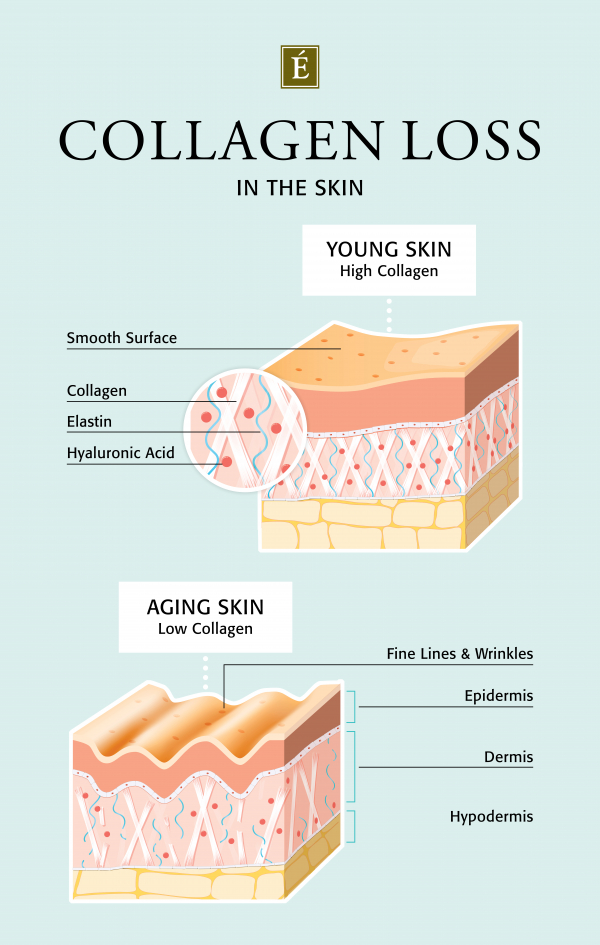
Why skin becomes thinner with age
Skin naturally changes over time. The dermis, which is the middle layer of skin, produces less collagen and elastin as we age. These proteins help skin stay firm, springy, and resistant to small injuries.
Older skin also holds less water and oil. This can make it feel dry, papery, or fragile. Small blood vessels become easier to damage, which explains why bruises may appear after a minor bump.
Common causes of thin skin include:
• Natural loss of collagen and fat beneath the skin
• Long-term sun exposure
• Smoking
• Poor nutrition or low protein intake
• Repeated use of strong steroid creams
• Oral corticosteroid medicines
• Some medical conditions, including connective tissue disorders
• Certain blood-thinning medicines that increase bruising
Knowing the cause matters. For example, a person who uses a steroid cream every day may need a medication review, while someone with dry, sun-damaged skin may benefit most from careful moisturizing and sun protection.

How to make skin thicker in old age safely
There is no single cream or food that can fully rebuild aging skin. However, several proven steps can improve the skin barrier and support collagen activity.
Protect your skin from the sun
Sun protection is one of the most important answers to how to make skin thicker in old age. Ultraviolet, or UV, rays break down collagen and damage the cells that help repair skin.
Use a broad-spectrum sunscreen with SPF 30 or higher. Apply it to the face, neck, ears, hands, and any exposed skin. Reapply every two hours when outdoors, and sooner after swimming or sweating.
Also use:
• A wide-brimmed hat
• Long sleeves and tightly woven clothing
• Sunglasses with UV protection
• Shade during the strongest midday sun
• UV-protective gloves when driving, if your hands bruise easily
Daily protection matters even on cloudy days. A large share of lifetime sun damage happens during routine activities, such as walking, gardening, and sitting near a window.
Use a moisturizer every day
A good moisturizer does not literally rebuild the dermis, but it can make the outer skin layer more flexible and less likely to crack. This is an important part of how to make skin thicker in old age.
Look for products with:
• Ceramides to support the skin barrier
• Glycerin to draw in water
• Hyaluronic acid to improve surface hydration
• Petrolatum to reduce water loss
• Dimethicone to protect dry areas
• Urea in low concentrations for very dry, rough skin
Apply moisturizer within a few minutes of bathing. This helps trap water in the skin. Creams and ointments are often more effective than thin lotions for very dry or fragile skin.
Avoid products that sting or burn. Fragrance, alcohol, and strong essential oils can irritate older skin.
Ask a dermatologist about retinoids
Prescription retinoids, such as tretinoin, may help stimulate collagen and improve fine wrinkles after several months of use. They are among the better-studied topical treatments for sun-damaged skin.
Still, retinoids are not right for everyone. They can cause redness, peeling, dryness, and increased sensitivity. A dermatologist may suggest starting with a small amount two or three nights per week.
Use sunscreen during the day if you use a retinoid. Do not apply it to broken skin, and ask a clinician before using it if you have severe eczema, rosacea, or a history of strong skin reactions.
Over-the-counter retinol may be gentler, but its strength varies by product. Results also tend to be slower and less predictable than with prescription treatment.
Eat enough protein and key nutrients
Nutrition supports collagen production, wound healing, and muscle strength. It cannot completely reverse thin skin, but poor nutrition can make skin repair more difficult.
Include protein at each meal, such as:
• Eggs
• Fish
• Chicken or turkey
• Greek yogurt
• Milk or fortified soy milk
• Beans and lentils
• Tofu and tempeh
• Nuts and seeds
Vitamin C helps the body make collagen. Good sources include oranges, strawberries, kiwi, tomatoes, broccoli, and bell peppers.
Zinc, iron, vitamin A, and vitamin D also support skin health. However, high-dose supplements can cause harm or interact with medicines. A health professional can check for a deficiency before recommending supplements.
Older adults who have lost weight, have a poor appetite, or have trouble chewing may need help from a registered dietitian.
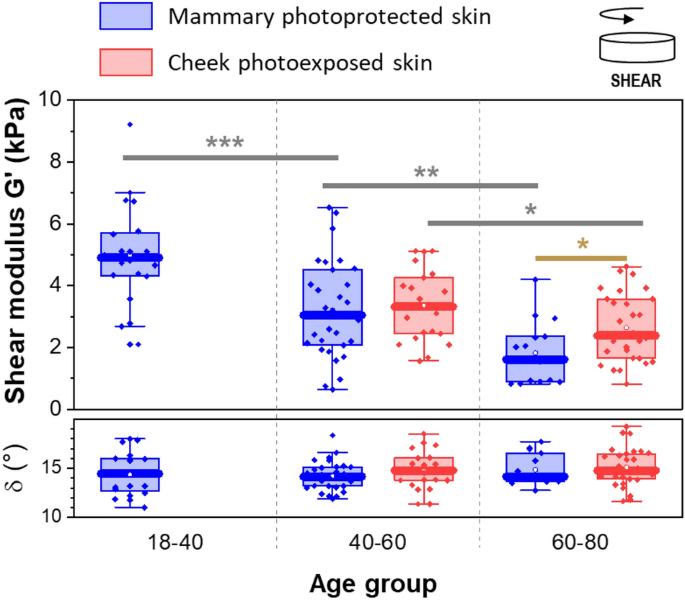
Lifestyle habits that support stronger skin
Skincare works best when it is part of a wider health plan. Several everyday habits can help improve skin quality and reduce injury.
Stop smoking
Smoking reduces blood flow and exposes the body to chemicals that break down collagen. It can also slow wound healing.
Quitting smoking benefits the skin at any age. If quitting feels difficult, ask a clinician about nicotine replacement, prescription medicines, or a support program.
Limit alcohol
Too much alcohol can worsen dehydration and may affect nutrition. It can also increase the chance of falls, which are more dangerous when skin is fragile.
Drink water regularly, especially in hot weather or when taking medicines that increase urination. There is no fixed amount that suits everyone, so consider your health, activity level, and medical advice.
Sleep well and manage stress
Sleep supports tissue repair and immune function. Chronic stress can affect inflammation and may worsen habits such as poor eating, smoking, or neglecting skin care.
Aim for a regular sleep schedule. Gentle exercise, breathing exercises, time outdoors, and social contact can also support healthy aging.
Exercise safely
Strength training and balance exercises do not directly thicken the skin, but they can reduce falls and improve overall health. Walking, light resistance work, tai chi, and supervised balance exercises may be useful.
Ask your clinician before starting exercise if you have heart disease, severe arthritis, dizziness, or a recent injury.

Protect fragile skin from tears and bruises
Thin skin often tears on door frames, furniture, gardening tools, and pet claws. Prevention is a major part of how to make skin thicker in old age because avoiding injury gives the skin time to heal.
Try these simple changes:
• Wear long sleeves and soft pants during housework or gardening.
• Use gloves when handling tools, plants, boxes, or rough materials.
• Keep fingernails short and smooth.
• Remove loose rugs and improve lighting at home.
• Cover sharp furniture edges.
• Use mild soap and lukewarm water.
• Pat skin dry instead of rubbing it.
• Apply moisturizer after washing your hands.
• Keep pets’ nails trimmed.
• Use paper tape or silicone dressings instead of strong adhesive tape when appropriate.
If a skin tear occurs, wash your hands first. Rinse the area gently with clean water, control bleeding with light pressure, and cover it with a nonstick dressing. Seek medical care for deep wounds, spreading redness, pus, fever, severe pain, or bleeding that does not stop.

Medicines that may contribute to thin skin
Some medicines can make bruising or skin fragility more noticeable. Corticosteroids are a common example. Long-term use of oral steroids or powerful steroid creams can reduce collagen activity and thin the skin.
Blood thinners, aspirin, and some other medicines may not thin the skin itself, but they can make bruises larger or more frequent. Never stop a prescribed medicine on your own.
Ask a doctor or pharmacist to review:
• Steroid creams and pills
• Aspirin
• Warfarin
• Apixaban
• Rivaroxaban
• Clopidogrel
• Some supplements, including high-dose fish oil or vitamin E
A medication review can help explain sudden bruising and identify safer options. Bring every prescription, over-the-counter medicine, and supplement to the appointment.

Professional treatments for aging skin
A dermatologist may offer treatments that improve collagen or the appearance of sun-damaged skin. The best option depends on skin type, health, medicines, wound-healing ability, and treatment goals.
Possible treatments include:
Prescription tretinoin
Tretinoin may improve fine wrinkles and collagen structure over time. It must be used carefully because older skin may become irritated quickly.
Laser or light treatments
Some laser treatments stimulate collagen or reduce visible sun damage. Fragile skin may have a higher risk of irritation, burns, pigment changes, or slow healing, so treatment should be performed by a qualified medical professional.
Microneedling
Microneedling creates tiny controlled injuries that may stimulate collagen. It is not suitable for every person, especially those with poor wound healing, active skin infection, or certain bleeding risks.
Injectable treatments
Fillers can replace lost volume in selected areas. They do not truly thicken all skin and may cause swelling, bruising, infection, or other complications.
Before any cosmetic procedure, ask about expected results, healing time, risks, and the provider’s experience with older or fragile skin.

What not to do when trying to thicken skin
Many products promise to rebuild skin quickly. Most have limited evidence, and some can cause harm.
Avoid:
• Aggressive scrubs or rough exfoliating brushes
• Frequent chemical peels without medical supervision
• Unregulated “skin thickening” supplements
• High-dose vitamin A supplements
• Strong steroid creams used without guidance
• Home microneedling devices
• Lemon juice, baking soda, or other harsh home remedies
• Tanning beds and intentional tanning
A product that causes burning is not necessarily working. Burning often means the skin barrier is being damaged.
A practical lesson from dermatology care is to change one product at a time. This makes it easier to identify irritation and prevents a complicated routine from becoming overwhelming.

When to see a doctor
Make an appointment if your skin becomes thin or bruises easily without an obvious reason. Sudden changes may point to a medicine effect, nutritional problem, or another health condition.
Seek prompt medical care for:
• A wound that will not heal
• Repeated unexplained skin tears
• Large bruises with no known injury
• Bleeding from the skin that is hard to stop
• A painful, growing, or changing spot
• Unexplained weight loss
• Frequent infections
• Severe weakness or dizziness
A dermatologist can examine the skin and recommend targeted treatment. A primary care clinician can review medicines, nutrition, blood tests, and conditions that affect healing.
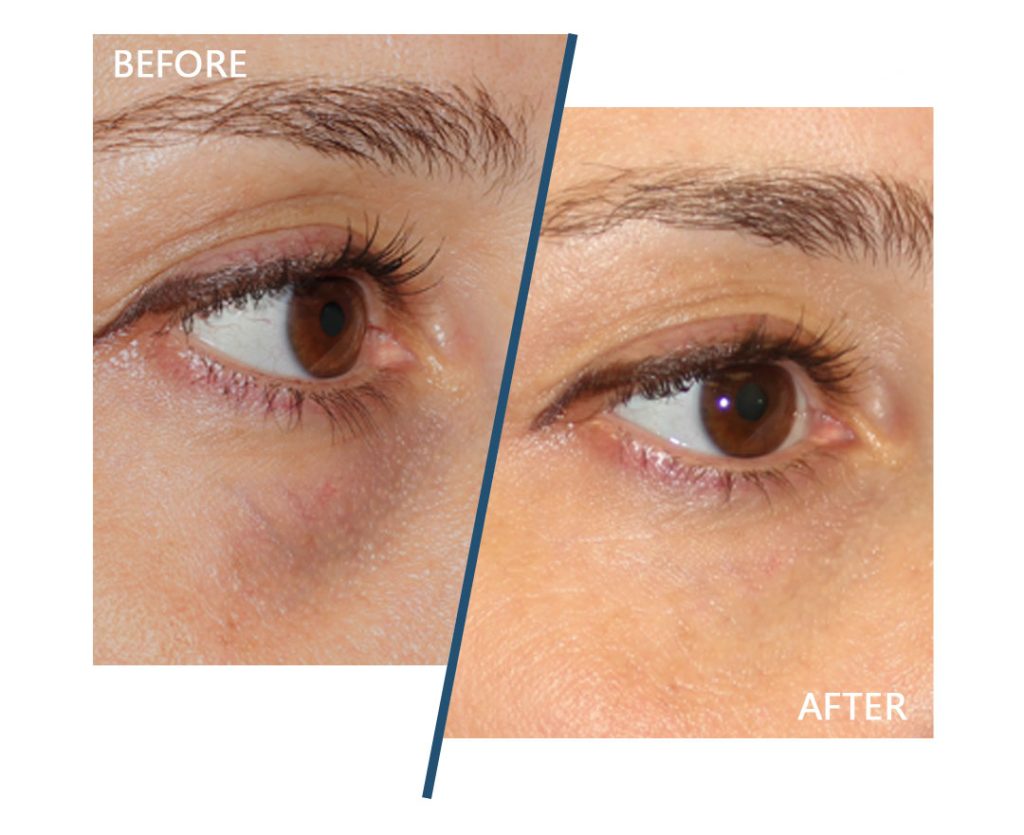
A simple daily routine for older, fragile skin
A basic routine is often more helpful than a shelf full of products.
Morning
- Wash with lukewarm water and a gentle, fragrance-free cleanser.
- Apply a moisturizer with ceramides or glycerin.
- Use broad-spectrum SPF 30 or higher.
- Wear protective clothing when outdoors.
Evening
- Clean the skin gently.
- Apply a moisturizer or ointment to dry areas.
- Use a retinoid only if a medical professional recommends it.
- Check for new cuts, bruises, rashes, or changing spots.
Weekly
• Check hands, arms, legs, and feet for small wounds.
• Wash bedding and clothing with mild detergent if the skin is sensitive.
• Review whether any product causes redness or stinging.
• Refill medicines and schedule needed health visits.
Consistency matters more than complexity. Skin often needs weeks to months to show improvement.
Frequently asked questions about how to make skin thicker in old age
Can aging skin become thick again?
Aging skin usually cannot return fully to its younger thickness. However, sun protection, moisturizers, adequate protein, and selected medical treatments may improve hydration, strength, and resilience.
What is the best cream for thin skin in older adults?
A thick, fragrance-free cream or ointment with ceramides, glycerin, dimethicone, or petrolatum is a good starting point. Prescription retinoids may support collagen, but they should be used under medical guidance because they can irritate fragile skin.
Does drinking more water make skin thicker?
Drinking enough water supports normal body function, but extra water does not directly rebuild the deeper layers of skin. Moisturizer, sun protection, and balanced nutrition are usually more helpful for dry, fragile skin.
Do collagen supplements thicken aging skin?
Some small studies suggest collagen supplements may modestly improve skin hydration or elasticity, but results vary and product quality is inconsistent. They should not replace sunscreen, protein-rich foods, or medical care.
Does vitamin C thicken skin?
Vitamin C is needed for collagen production, and a vitamin C deficiency can harm wound healing. A balanced diet usually provides enough, while topical vitamin C may help some signs of sun damage but can irritate sensitive skin.
Can steroid cream cause thin skin?
Yes, long-term or inappropriate use of potent steroid creams can thin the skin, especially on the face, groin, and skin folds. Do not stop a prescribed steroid suddenly without asking the prescriber how to reduce or replace it.
Why does older skin bruise so easily?
Older skin has less collagen and protective fat, while small blood vessels become more fragile. Medicines such as blood thinners and aspirin can also make bruises larger or more frequent.
Conclusion
The most reliable approach to how to make skin thicker in old age is to protect the skin, moisturize it, support the body with good nutrition, avoid smoking, and reduce injury. Prescription retinoids and dermatology treatments may help selected people, but they require careful use.
Start with three simple steps today: apply a rich moisturizer, use SPF 30 or higher, and review any frequent bruising or steroid use with a clinician. Build the routine slowly, watch for changes, and seek professional care for wounds or unexplained skin changes. Share your experience with a trusted health professional and explore evidence-based resources for healthy aging.
