
Plastic surgeons often recommend sunscreen, retinoids, antioxidants, gentle cleansers, and barrier-supporting moisturizers.
Knowing what skin care products do plastic surgeons recommend can make your routine simpler and more effective. In practice, the best plan is rarely the most expensive one. It usually includes proven ingredients that protect collagen, reduce irritation, and support healthy skin over time.
What skin care products do plastic surgeons recommend most often?
Plastic surgeons tend to favor products with strong evidence, low irritation risk, and a clear purpose. They may suggest different formulas based on your age, skin type, concerns, medical history, and whether you recently had a procedure.
The core routine often includes:
• A gentle cleanser to remove oil, sweat, makeup, and pollution
• A broad-spectrum sunscreen with SPF 30 or higher
• A moisturizer that supports the skin barrier
• A retinoid to improve cell turnover and soften fine lines
• An antioxidant serum, often with vitamin C
• Targeted products for acne, dark spots, redness, or dryness
A plastic surgeon may also recommend medical-grade skin care. However, “medical-grade” is not a guarantee that a product will work better. The ingredient, strength, formula, and consistent use matter more than a luxury label.
The American Academy of Dermatology recommends daily broad-spectrum sunscreen with SPF 30 or higher. Research also supports topical retinoids and vitamin C for several signs of skin aging, though results take time.
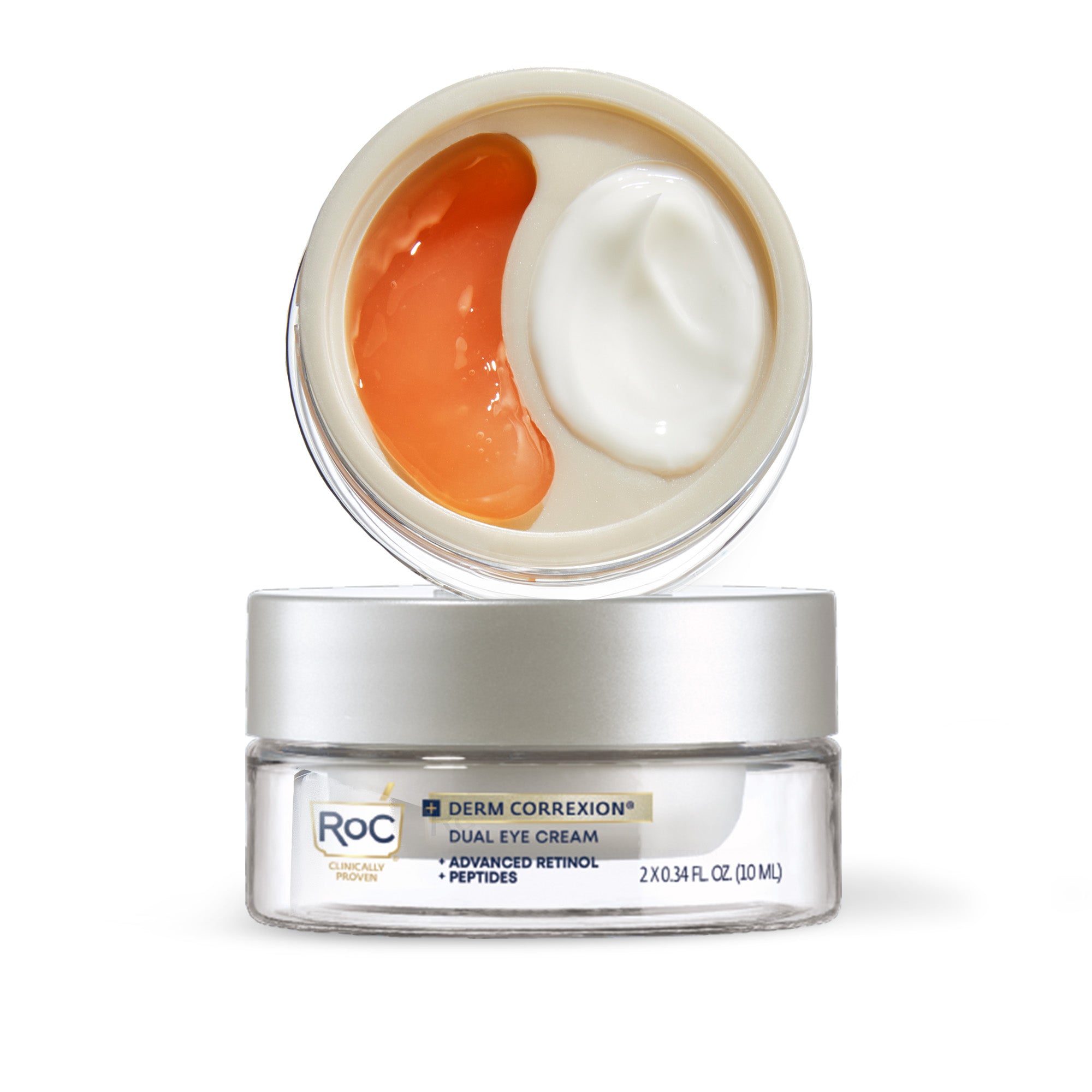
1. Broad-spectrum sunscreen
When people ask what skin care products do plastic surgeons recommend, sunscreen is usually at the top of the list. Daily sun protection helps prevent sunburn, uneven tone, collagen breakdown, and premature wrinkles.
Choose a sunscreen that protects against both UVA and UVB rays. A broad-spectrum product with SPF 30 or higher is a good starting point. If you spend time outdoors, sweat often, or swim, choose a water-resistant formula and reapply it at least every two hours.
Look for a texture you will actually use. A lightweight gel may suit oily skin, while a cream may feel better on dry skin. Mineral sunscreens with zinc oxide or titanium dioxide can be helpful for sensitive skin.
Plastic surgeons may stress sunscreen even more after procedures. Freshly treated skin can be more sensitive to sunlight, and ultraviolet exposure may worsen discoloration during healing. Follow your surgeon’s exact instructions after laser treatment, chemical peels, injections, or surgery.

2. Gentle facial cleanser
A cleanser should remove dirt without stripping the skin. Harsh soap, strong scrubs, and very hot water can damage the skin barrier and increase dryness or irritation.
Many plastic surgeons recommend a fragrance-free, noncomedogenic cleanser. “Noncomedogenic” means the product is less likely to clog pores, although no label can guarantee that every person will tolerate it.
Use a gentle cleanser once or twice daily, depending on your skin. If your skin feels tight after washing, the cleanser may be too strong or you may be washing too often.
A simple routine is often best:
Wet your face with lukewarm water.
Massage the cleanser gently with clean fingertips.
Rinse well without scrubbing.
Pat your skin dry with a soft towel.
Apply moisturizer while the skin is still slightly damp.
This approach protects the skin barrier, which acts like a brick wall. Skin cells are the bricks, and natural oils help hold them together.

3. Moisturizer with barrier-supporting ingredients
A good moisturizer helps reduce water loss and keeps the skin more comfortable. It can also make active ingredients easier to tolerate.
Plastic surgeons often look for ingredients such as:
• Ceramides to support the skin barrier
• Hyaluronic acid to attract water
• Glycerin to help maintain hydration
• Squalane to soften the skin
• Colloidal oatmeal to calm irritation
Creams are often better for dry skin. Lotions can work well for normal or combination skin. Gels may feel more comfortable on oily skin.
Do not assume oily skin does not need moisturizer. When oily skin becomes dry or irritated, it may feel more uncomfortable and can become harder to manage. Choose a light, oil-free, noncomedogenic option if clogged pores are a concern.
After a procedure, your surgeon may recommend a plain moisturizer or healing ointment. Avoid adding acids, retinoids, scrubs, or essential oils until your skin has recovered.

4. Retinoids for fine lines and uneven texture
Retinoids are vitamin A derivatives. They are among the most studied topical ingredients for acne, fine lines, rough texture, and uneven pigmentation.
Prescription tretinoin is stronger than over-the-counter retinol. A plastic surgeon or dermatologist may recommend one based on your goals and skin sensitivity.
Retinoids work gradually. They help increase cell turnover and support collagen production, but they do not create overnight results. Most people need several weeks to notice improvement, and longer use may produce more visible changes.
Start carefully:
• Use a pea-sized amount for the entire face.
• Apply it at night to dry skin.
• Begin two nights per week.
• Increase slowly if your skin remains comfortable.
• Use moisturizer before or after the retinoid if dryness occurs.
Mild dryness, flaking, or irritation can happen at first. Severe burning, swelling, or persistent redness is a reason to stop and contact a medical professional.
Retinoids should not be used during pregnancy unless your obstetric clinician specifically says otherwise. People who are breastfeeding should also ask their health care provider before starting a prescription retinoid.

5. Vitamin C antioxidant serum
Vitamin C can help defend skin from free radicals caused by ultraviolet light and environmental stress. It may also support collagen production and reduce the look of uneven pigmentation.
Plastic surgeons often recommend vitamin C in the morning under sunscreen. It does not replace sunscreen, but the two products can work well together.
L-ascorbic acid is the best-studied form of vitamin C. Products commonly contain 5% to 20%. Higher strength does not always mean better results. A strong formula may irritate sensitive skin.
Store vitamin C away from heat and direct sunlight. Some formulas darken as they oxidize. A yellow or light amber color may be normal, but a dark brown product may have lost some effectiveness.
If your skin is sensitive, consider a lower strength or a stable vitamin C derivative. Patch test first, especially if you have eczema, rosacea, or a history of reactions.
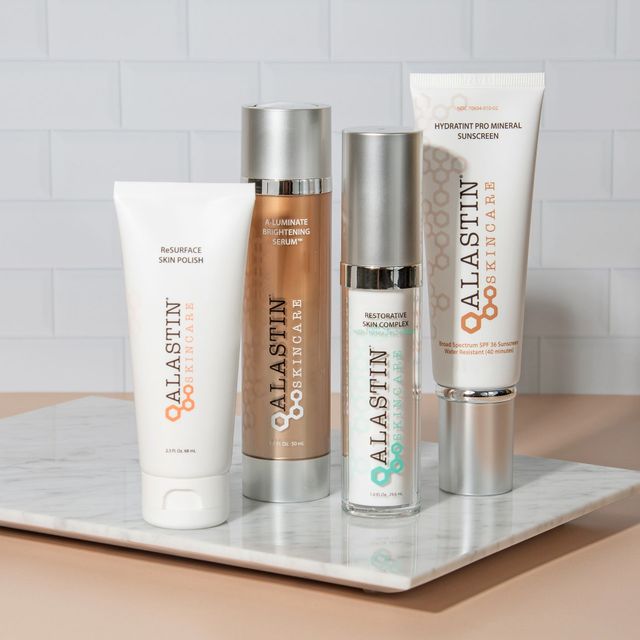
6. Niacinamide for redness, oil, and barrier support
Niacinamide is a form of vitamin B3. It is a flexible ingredient that may help support the skin barrier, reduce excess oil, and improve the look of redness and uneven tone.
It is often easier to tolerate than stronger acids or retinoids. Many products contain 2% to 5% niacinamide. Higher concentrations are not always needed and may cause irritation in some users.
Niacinamide can fit into a morning or evening routine. It is found in serums, moisturizers, cleansers, and sunscreens.
This ingredient may be useful if your skin is reactive or if you are building a routine after using too many strong products. Still, introduce one new product at a time so you can identify the cause if irritation develops.

7. Alpha hydroxy acids and salicylic acid
Plastic surgeons may recommend exfoliating acids for dull skin, clogged pores, acne, or rough texture. The most common options include glycolic acid, lactic acid, and salicylic acid.
Alpha hydroxy acids, such as glycolic and lactic acid, work mainly on the skin surface. Salicylic acid can travel into oily pores, which makes it useful for blackheads and some acne.
Use these products with care:
• Start once weekly.
• Avoid using several exfoliants at the same time.
• Do not combine them with a retinoid until your skin is used to each product.
• Apply sunscreen every morning.
• Stop if you develop burning, swelling, or painful peeling.
Over-exfoliation is a common mistake. Skin can look smooth for a short time, then become red, tight, sensitive, and bumpy. More exfoliation is not the same as better exfoliation.

8. Products for dark spots and uneven pigmentation
Dark spots can develop after acne, sun exposure, hormones, or skin injury. Plastic surgeons may recommend sunscreen first, followed by a targeted product.
Possible ingredients include:
• Vitamin C
• Niacinamide
• Azelaic acid
• Retinoids
• Kojic acid
• Hydroquinone under medical supervision
Hydroquinone can be effective for some forms of hyperpigmentation, but it should be used with professional guidance. Long or improper use may cause complications, including a rare condition called exogenous ochronosis.
Treating pigmentation requires patience. Without daily sun protection, dark spots often return. Also, darker skin tones may be more likely to develop post-inflammatory hyperpigmentation after irritation or injury, so a cautious approach is important.
A medical professional should assess any new, changing, bleeding, or unusual dark spot. Skin care products are not a substitute for a skin examination.
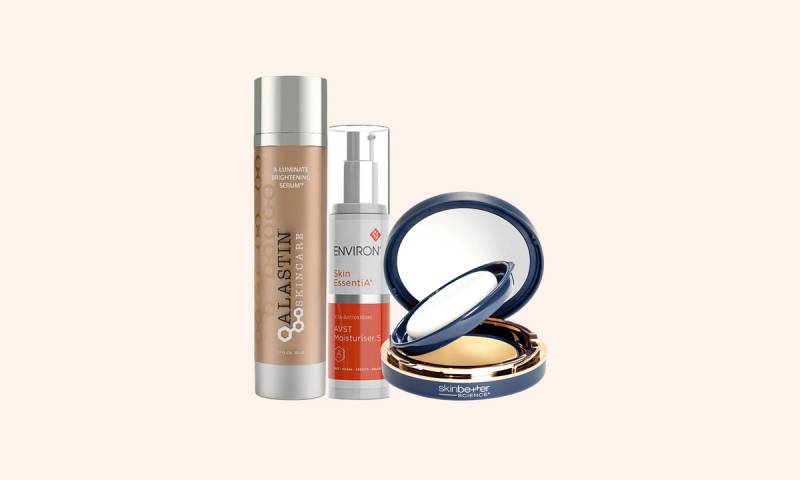
9. Peptides and growth-factor products
Peptides are short chains of amino acids used in many anti-aging products. They may support the appearance of firmer, smoother skin, but the evidence varies by formula.
Some plastic surgeons recommend peptide creams as gentle additions to a routine. Others view them as optional because sunscreen and retinoids have stronger long-term evidence.
Growth-factor products are also marketed for skin repair and rejuvenation. Some early studies show potential, but product quality differs widely. These products can be costly, and the benefits may not justify the price for every person.
Think of peptides as a possible extra, not the foundation of your routine. A basic routine with sunscreen, moisturizer, and a suitable active ingredient usually offers more value.
10. Post-procedure skin care products
After plastic surgery or a cosmetic treatment, your skin needs protection more than stimulation. The right products depend on the procedure and your stage of healing.
Your surgeon may recommend:
• A gentle cleanser
• A bland moisturizer
• Petrolatum-based ointment
• A specific antibiotic ointment when medically needed
• Mineral sunscreen after the skin has closed and healed
• Silicone gel or silicone sheets for certain scars
Do not apply retinol, vitamin C, exfoliating acids, or fragranced products to healing skin unless your surgeon approves them. Even a product that works well in your normal routine may irritate a fresh incision or treated area.
Silicone products may help improve the appearance of some raised scars when used correctly. They do not erase scars, and they work best when started at the appropriate stage of healing.
Contact your surgeon if you notice spreading redness, increasing pain, pus, fever, wound separation, or sudden swelling. These signs need medical attention rather than a new skin care product.
How to build a plastic surgeon-approved skin care routine
A useful routine does not need ten steps. In fact, a shorter routine is often easier to follow and less likely to cause irritation.
Morning routine
Cleanse gently or rinse with water if your skin is dry.
Apply vitamin C or niacinamide if desired.
Use moisturizer.
Apply broad-spectrum SPF 30 or higher.
Evening routine
Remove makeup and sunscreen.
Cleanse gently.
Apply a retinoid on selected nights, if recommended.
Use moisturizer.
Add only one new product at a time. Use it for at least one to two weeks before adding another product unless your clinician gives different instructions.
Patch testing can reduce risk. Apply a small amount to the inner arm or behind the ear for several days. This does not predict every facial reaction, but it can reveal obvious irritation or allergy.
Common mistakes to avoid
Even well-designed products can cause problems when used incorrectly. The most common mistakes are simple and preventable.
• Skipping sunscreen while using retinoids or exfoliating acids
• Starting several new products at once
• Scrubbing acne or peeling skin
• Using high-strength products too often
• Copying a celebrity routine without considering your skin type
• Applying prescription products near the eyes without instructions
• Expecting a cream to create surgical-level results
• Ignoring a persistent rash, mole, wound, or changing spot
One lesson clinicians often repeat is that consistency beats intensity. A gentle routine used every day usually outperforms an aggressive routine used for a week and then abandoned.
Are expensive medical-grade products worth it?
Sometimes, but not always. Medical-grade products may use well-tested ingredients, elegant formulas, or higher concentrations. However, retail products can also contain effective ingredients.
The price does not prove quality. Compare:
• Active ingredients
• Concentration when listed
• Packaging that protects light-sensitive ingredients
• Irritation risk
• Instructions for use
• Independent testing or clinical data
A plastic surgeon may recommend a specific brand because of clinical experience, product quality, or a professional relationship. That does not mean the product is right for everyone. Ask what ingredient matters and whether a less expensive alternative could provide a similar benefit.
What results should you expect?
Skin care can improve the look and feel of skin, but it cannot duplicate a facelift, eyelid surgery, or other operation. Products may soften fine lines, improve texture, reduce dryness, and help prevent further sun damage.
Typical timelines vary:
• Moisturizers can improve comfort within days.
• Niacinamide may take several weeks.
• Vitamin C often needs several weeks to months.
• Retinoids may need three to six months for visible improvement.
• Pigment treatments can take months and require strict sun protection.
Your results depend on genetics, age, hormones, sun exposure, smoking, sleep, medical conditions, and consistency. Before-and-after photos can be useful, but lighting, camera angles, and filters can make comparisons unreliable.
Frequently asked questions about what skin care products do plastic surgeons recommend
What skin care products do plastic surgeons recommend for beginners?
Most beginners can start with a gentle cleanser, moisturizer, and broad-spectrum SPF 30 or higher. Add a retinoid, vitamin C, or another active ingredient only after the basic routine feels comfortable.
What skin care products do plastic surgeons recommend for anti-aging?
Sunscreen is the most important anti-aging product because it helps prevent ultraviolet damage. Retinoids, vitamin C, moisturizers, and selected peptides may also support smoother texture and a more even appearance.
Do plastic surgeons recommend medical-grade skin care?
Some do, but medical-grade does not automatically mean more effective. The best choice depends on the formula, active ingredient, skin concern, cost, and your ability to use it consistently.
What skin care products do plastic surgeons recommend after surgery?
Surgeons commonly recommend gentle cleansing, a bland moisturizer or ointment, and sun protection once the area has healed enough. Follow your own surgeon’s instructions because products that are safe for one procedure may be unsafe for another.
Can plastic surgeon-recommended products remove wrinkles?
Skin care products may soften the appearance of fine lines and help prevent additional sun damage. They cannot remove deep folds or replace procedures that physically tighten or reposition tissue.
Should I use retinol before or after a cosmetic procedure?
Ask your surgeon or dermatologist. Many providers ask patients to stop retinoids before certain treatments and restart only after the skin barrier has recovered.
How long does it take for recommended skin care products to work?
Hydration may improve within days, while changes in pigmentation, acne, and fine lines often take weeks or months. Regular use and sun protection are essential for judging a product fairly.
Conclusion
The most commonly recommended skin care products are not mysterious. They include broad-spectrum sunscreen, a gentle cleanser, a barrier-supporting moisturizer, and carefully chosen active ingredients such as retinoids, vitamin C, niacinamide, or exfoliating acids.
The best routine is the one that fits your skin, budget, and medical needs. Start with the basics, add one product at a time, and seek professional advice before treating severe irritation, unusual spots, or healing skin. Choose your next product based on evidence rather than hype, and explore more trusted skin care resources before making major changes.
