
Most people need a gentle cleanser, moisturizer, and broad-spectrum sunscreen for healthy daily facial care.
If you are asking, “what products do I need for my face,” the answer is simpler than most beauty ads suggest. A good face-care routine protects your skin barrier, limits irritation, and targets your main concern without filling your bathroom cabinet with unused products. This guide explains what each product does, how to choose it, and when you may need expert care.
The Three Basic Face Products Everyone Needs
A simple skin care routine has three core products: cleanser, moisturizer, and sunscreen. Think of them as the foundation of a house. Serums and treatments can help, but they work best when the foundation is stable.
1. Gentle facial cleanser
A facial cleanser removes sweat, oil, makeup, pollution, and sunscreen. Choose a mild cleanser made for the face, not regular hand soap or body wash. Harsh soap can strip natural oils and leave your skin tight, dry, or irritated.
Look for these useful terms:
• Gentle or mild
• Fragrance-free, especially for sensitive skin
• Non-comedogenic if you get clogged pores
• Cream or lotion cleanser for dry skin
• Gel or light foaming cleanser for oily skin
Wash your face with lukewarm water. Hot water can increase dryness and redness. In most cases, cleansing once at night is essential, while a morning cleanse depends on your skin type.
2. Facial moisturizer
Moisturizer helps reduce water loss and supports the skin barrier. Even oily skin can need moisturizer. When oily skin becomes too dry, it may feel uncomfortable and produce more oil.
Choose the texture that fits your skin:
• Lotion or cream for normal to dry skin
• Gel moisturizer for oily or combination skin
• Rich cream or ointment for very dry skin
• Fragrance-free formula for sensitive or eczema-prone skin
Helpful ingredients include glycerin, ceramides, hyaluronic acid, squalane, and petrolatum. A moisturizer does not need to feel heavy to work well.
3. Broad-spectrum sunscreen
Sunscreen is the most important daytime product for protecting your face from ultraviolet radiation. Use a broad-spectrum sunscreen with SPF 30 or higher. Broad-spectrum products help protect against both UVA and UVB rays.
Apply sunscreen every morning as the last step of your skin care routine. Use enough to cover your face, ears, neck, and other exposed areas. Reapply every two hours when outdoors, sweating, or swimming.
The American Academy of Dermatology recommends about one ounce for exposed body skin. For the face and neck, many dermatologists suggest roughly two finger lengths of product, though the exact amount depends on the product and the size of your face.
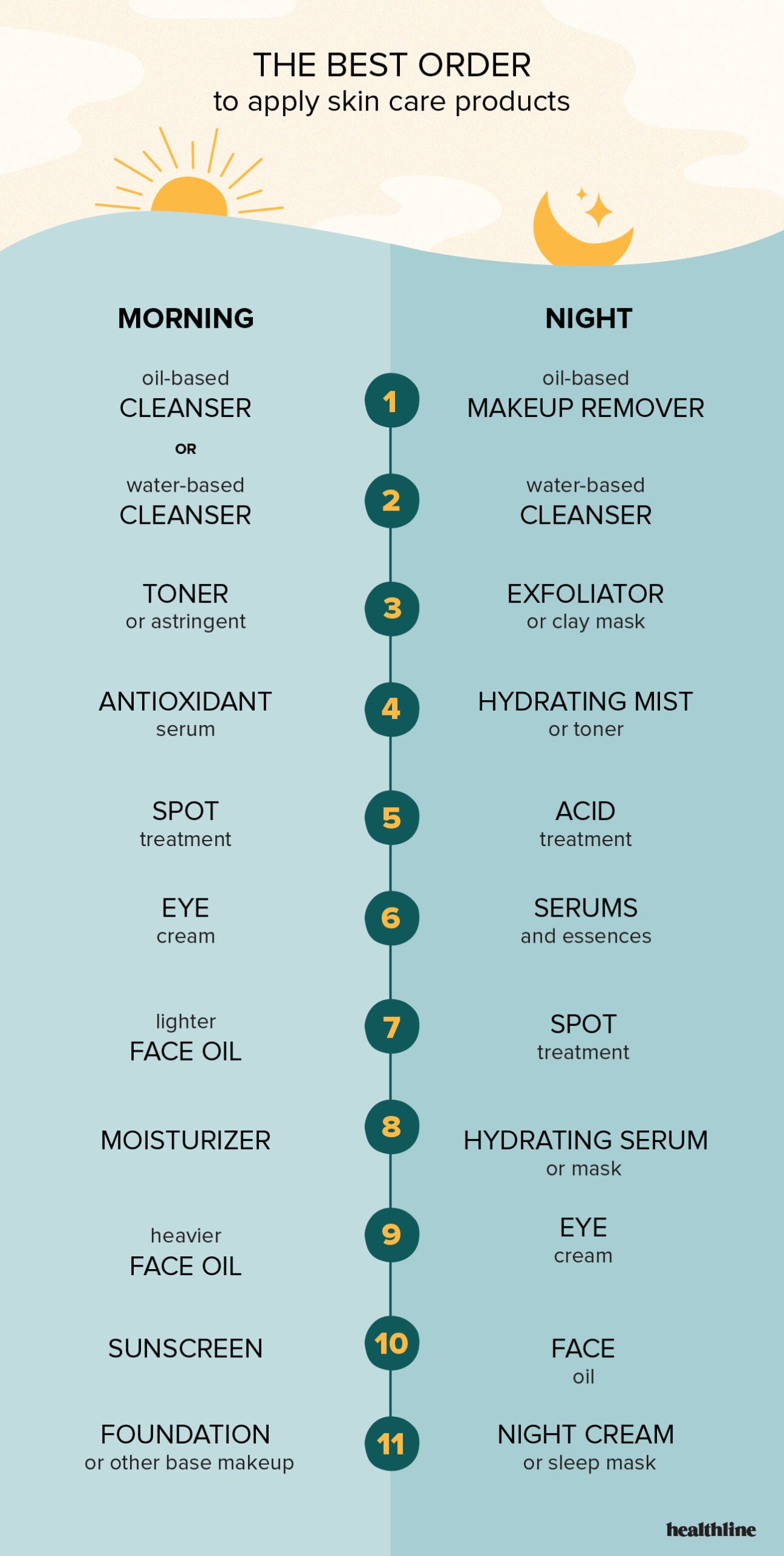
What Products Do I Need for My Face Based on Skin Type?
Skin type helps you choose the right texture and formula. It is not a permanent label. Weather, hormones, age, medication, and stress can all change how your skin behaves.
Dry skin
Dry skin may feel tight, rough, flaky, or itchy. It often needs gentle cleansing and richer moisture.
A basic routine for dry skin may include:
• Cream cleanser
• Cream moisturizer with ceramides or glycerin
• Broad-spectrum SPF 30 or higher
• Optional hydrating serum with hyaluronic acid
Avoid strong scrubs, high-alcohol toners, and frequent use of hot water. Apply moisturizer while your skin is still slightly damp to help hold in water.
Oily skin
Oily skin often looks shiny and may develop blackheads, whiteheads, or breakouts. The goal is not to remove every trace of oil. The goal is to clean without damaging the barrier.
Try:
• Gentle gel cleanser
• Lightweight, non-comedogenic moisturizer
• Oil-free or gel sunscreen
• Optional salicylic acid product for clogged pores
Do not scrub oily skin hard. Scrubbing can cause irritation and may make blemishes look worse.
Combination skin
Combination skin is oily in some areas and dry in others. The forehead, nose, and chin may be shiny, while the cheeks feel normal or dry.
Use one gentle cleanser and a light moisturizer. You can apply a little more moisturizer to dry areas and use a targeted treatment only where needed.
Sensitive skin
Sensitive skin may sting, burn, itch, flush, or react to new products. Choose a short ingredient list and avoid fragrance when possible.
A suitable routine may contain:
• Mild fragrance-free cleanser
• Simple moisturizer
• Mineral or chemical sunscreen that does not sting
• One new product at a time
Patch-test new products on a small area first. A patch test does not guarantee that a product will never irritate your face, but it can lower the chance of a widespread reaction.
Acne-prone skin
Acne-prone skin needs gentle care and patience. Look for non-comedogenic products, which are designed to be less likely to clog pores.
Useful acne ingredients include:
• Salicylic acid for clogged pores
• Benzoyl peroxide for acne-causing bacteria and inflamed spots
• Adapalene for ongoing acne treatment
• Azelaic acid for acne and uneven skin tone
Start with one acne treatment. Using several strong products at once often causes peeling and redness. Acne treatment can take six to eight weeks to show clear improvement.

Optional Face Products for Specific Skin Concerns
Once your basic routine works, you can add a treatment product. You do not need every serum, toner, mask, or facial oil on the shelf.
Vitamin C serum
Vitamin C may help brighten uneven tone and support protection against environmental stress when used with sunscreen. Some formulas are unstable, so store them as directed and stop if they cause repeated irritation.
A low-strength formula may be easier for beginners. Use it in the morning before moisturizer and sunscreen, or use it at night if your skin is sensitive.
Retinoid
Retinoids include retinol, retinal, and prescription tretinoin. They may improve acne, fine lines, and uneven texture by increasing skin cell turnover.
Begin slowly:
- Apply a small amount two nights per week.
- Use moisturizer before or after the retinoid if your skin is sensitive.
- Increase use only when your skin is comfortable.
- Wear sunscreen every morning.
Retinoids can cause dryness, peeling, and irritation at first. Pregnant people should avoid topical retinoids unless their medical professional says otherwise. Ask a health care provider about safe options during pregnancy or breastfeeding.
Exfoliant
Exfoliants remove or loosen dead skin cells. Chemical exfoliants include alpha hydroxy acids, beta hydroxy acids, and polyhydroxy acids.
Examples include:
• Glycolic acid for surface dullness
• Lactic acid for a gentler approach
• Salicylic acid for oily or clogged skin
• Polyhydroxy acids for some sensitive skin types
Use an exfoliant once a week at first. You may not need one if your cleanser and treatment already contain exfoliating ingredients.
Eye cream
Eye cream is optional. A regular gentle moisturizer may work just as well for dryness around the eyes. The skin in this area is delicate, so avoid putting strong acids or retinoids close to the lash line unless the product is designed for that area or a clinician recommends it.
Lip balm
A lip balm with petrolatum, shea butter, or other protective ingredients can prevent cracking. During the day, use a lip product with SPF when possible.

A Simple Morning Face Routine
A morning routine should protect your skin and prepare it for the day. It does not need to take more than a few minutes.
Follow these steps:
- Cleanse with water or a gentle cleanser.
- Apply an optional serum.
- Use moisturizer.
- Apply broad-spectrum SPF 30 or higher.
- Add makeup after sunscreen has settled.
If your sunscreen feels moisturizing, you may not need a separate morning moisturizer. If your skin feels tight, use both.
Apply enough sunscreen. A thin, barely visible layer may not provide the SPF shown on the label. Reapply when you spend time outside, especially at the beach, during sports, or on long walks.

A Simple Night Face Routine
Nighttime is a good time to remove the day’s buildup and use treatment products. Keep the order simple.
- Remove makeup and sunscreen.
- Cleanse your face gently.
- Apply one treatment product if needed.
- Use moisturizer.
- Apply a thin protective ointment to very dry spots if needed.
Double cleansing can help remove heavy makeup or water-resistant sunscreen. However, many people do not need it every night. A single effective cleanser is enough when it removes your products without leaving residue.
If you use a retinoid, apply it to fully dry skin if you are prone to irritation. Avoid using a retinoid in the same routine as several strong exfoliants until you know your skin can tolerate the combination.

How to Choose Safe and Effective Ingredients
Product labels can feel like a chemistry lesson. You do not need to understand every ingredient, but a few terms are useful.
Ingredients that support the skin barrier
Ceramides, fatty acids, cholesterol, glycerin, and petrolatum help reduce water loss. These ingredients are useful for dry, sensitive, or over-exfoliated skin.
Ingredients that calm irritation
Colloidal oatmeal, panthenol, allantoin, and niacinamide may support calmer-looking skin. Niacinamide can also help with oil control and uneven tone, but high concentrations may irritate some people.
Ingredients that target dark spots
Vitamin C, azelaic acid, retinoids, and certain exfoliating acids may improve the appearance of uneven skin tone. Sunscreen is still essential. Without daily sun protection, dark spots can return or become harder to treat.
Fragrance and essential oils
Fragrance is not automatically harmful, but it can trigger irritation or allergic contact dermatitis in some people. If your face often stings or turns red, fragrance-free products are a sensible starting point.
“Natural” does not always mean gentle. Poison ivy is natural, too. Judge a product by its ingredients, testing, and your skin’s response rather than its marketing language.

Common Face Care Mistakes to Avoid
Many skin problems come from doing too much rather than too little. The best routine is one you can follow without pain, peeling, or confusion.
Avoid these common mistakes:
• Washing your face many times each day
• Using rough scrubs or cleansing brushes
• Starting several active ingredients at once
• Skipping sunscreen after using exfoliants or retinoids
• Picking at acne or blackheads
• Using expired products
• Sharing makeup, brushes, or face towels
• Choosing products only because they are trendy
• Applying lemon juice, baking soda, or toothpaste to the face
A useful rule is to add one new product at a time. Use it for at least several days, or longer when testing a treatment, before adding another product. This makes it easier to identify the cause of a reaction.
One lesson repeated in real-world skin care testing is that consistency beats complexity. A basic routine used every day usually performs better than a ten-step routine used only when your skin looks irritated.

What Products Do I Need for My Face on a Budget?
You can build an effective routine without buying luxury products. Spend your money first on products that protect the barrier and prevent sun damage.
A budget routine may include:
• Gentle cleanser
• Basic moisturizer
• Broad-spectrum SPF 30 or higher
• One treatment product, if you have a specific concern
Look for products with clear labels and reliable packaging. A low price does not mean poor quality, and a high price does not guarantee better results.
If money is tight, do not skip sunscreen to buy several serums. You can also use one moisturizer for both morning and night if it suits your skin. Skin care should support your life, not create financial stress.

When to See a Dermatologist
Over-the-counter products can help many mild concerns, but they are not a substitute for medical care. See a dermatologist or other qualified health professional if you have painful acne, deep cysts, spreading redness, repeated rashes, severe itching, or sores that do not heal.
Professional care may also help when:
• Acne leaves scars or does not improve after consistent treatment
• A rash affects your eyes or causes swelling
• Your skin burns after nearly every product
• You notice a changing, bleeding, or unusual spot
• Dark patches appear suddenly
• You are unsure whether a product is safe during pregnancy
A dermatologist can identify conditions that look like ordinary acne or dryness. Getting the right diagnosis can save time, money, and frustration.

How to Build Your Routine Step by Step
If you are starting from zero, do not buy everything at once. Build your routine in stages.
Week one: establish the basics
Use a gentle cleanser, moisturizer, and sunscreen. Give your skin time to adjust. Notice whether your face feels comfortable, tight, greasy, or irritated.
Week two and beyond: add one goal
Choose one concern, such as acne, dryness, or dark spots. Add one suitable treatment product. Follow the label and begin slowly.
Track your results
Take a photo in the same lighting once every few weeks. Daily mirror checks can make small changes hard to notice. Stop a product if you develop intense burning, swelling, hives, or a worsening rash.
Remember that skin care results take time. Moisturizer can improve comfort quickly, while acne, fine lines, and pigmentation often need several weeks or months.
Frequently Asked Questions About What Products Do I Need for My Face
What products do I need for my face every day?
Most people need a gentle cleanser, moisturizer, and broad-spectrum sunscreen. Add a treatment product only when you have a specific concern, such as acne, dryness, or uneven tone.
Do I need to wash my face in the morning?
Not always. If your skin is dry or sensitive, rinsing with water may be enough in the morning; oily skin may benefit from a gentle cleanser.
Do I need moisturizer if my face is oily?
Yes. Choose a lightweight, non-comedogenic lotion or gel moisturizer. Hydration and oil control are different needs, so oily skin can still become dehydrated.
What is the most important face product?
Sunscreen is one of the most important daytime products because it helps reduce ultraviolet damage and supports the treatment of dark spots and premature skin aging. Use broad-spectrum SPF 30 or higher and apply it consistently.
Can I use several serums together?
You can, but you usually do not need to. Combining too many active ingredients may cause dryness, stinging, or peeling, so introduce one treatment at a time.
How often should I exfoliate my face?
Start once a week, especially if your skin is sensitive. Stop or reduce use if you develop burning, redness, tightness, or visible peeling.
Are expensive face products better?
Not necessarily. Product quality depends on the formula, ingredients, packaging, and how well your skin tolerates it. An affordable routine used consistently can work very well.
Conclusion
The answer to “what products do I need for my face” starts with three essentials: a gentle cleanser, a suitable moisturizer, and broad-spectrum sunscreen. From there, choose only the treatment products that match your skin type and main concern.
Keep your routine simple, introduce new products slowly, and give proven ingredients time to work. Start with the basics this week, track how your skin responds, and ask a dermatologist for help when a concern is painful, persistent, or unclear. Share your skin care goals or explore more evidence-based guides to build a routine that truly fits you.
