
Introduction
For shoppers in the United States, the most natural-looking eyebrow pencil is usually a fine-tip, matte pencil with a neutral or slightly cool undertone. It should match the depth of your brow hairs, fill small gaps with short strokes, and blend without leaving a solid painted line.
The best choice is not always the pencil with the most “natural” ingredient list. In beauty products, natural can mean two different things:
- Natural-looking: The brow appears soft, balanced, and hair-like.
- Naturally derived: Some ingredients come from plants, minerals, or other natural sources.
Those meanings are not the same. A synthetic wax can create a more natural brow than a plant-based formula that goes on thick. For most people, the finish, shade, tip, and control matter more than whether every ingredient is natural.
The short answer
Choose an eyebrow pencil with these features:
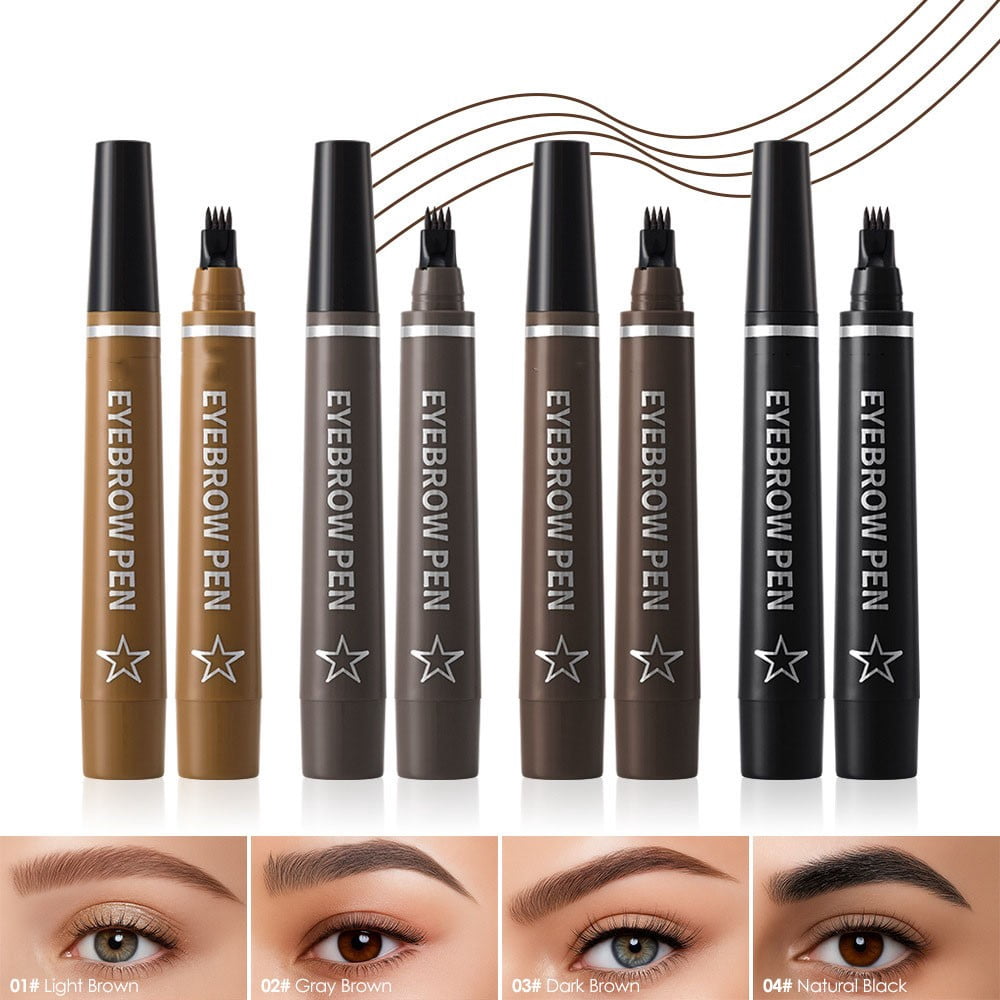
- A slim or micro-fine tip
- A matte or soft-matte finish
- A firm but smooth texture
- A neutral or cool undertone
- A shade close to your brow hair, not simply your head hair
- A spoolie brush on the other end
- A formula that does not smudge easily in your usual climate
A natural brow should show small gaps between strokes. If the pencil creates one dark block, looks shiny, or makes every hair the same width, it will usually appear less realistic.
For many users, a traditional retractable pencil with a fine point offers the best balance of control, ease, and a soft finish. A very soft pencil may feel smooth, but it can deposit too much color. A very hard pencil may skip over the skin and look uneven.

What makes an eyebrow pencil look natural?
A natural-looking eyebrow pencil copies the visual traits of real brow hair. Real hairs vary in thickness, direction, and depth. A good pencil lets you copy those small changes.
1. A fine tip creates hair-like lines
A narrow tip gives you better control in sparse areas. You can draw short marks that follow the direction of your own brow hair.
A broad tip can still work for quick filling, but it needs a light touch. Pressing too hard can create a flat, powdery shape.
2. A matte finish looks more like hair
Most brow hairs have little shine. A glossy or oily pencil may reflect light and make the brows look drawn on.
A soft-matte finish is usually the safest choice. Satin finishes can work for dry skin, but they may look too shiny on oily skin or under bright light.
3. The right firmness improves control
Texture affects how much pigment reaches the skin.
| Pencil texture | Main benefit | Main drawback |
|---|---|---|
| Firm | Precise strokes and less color at once | May skip on dry or textured skin |
| Medium | Good balance of control and color | Best choice depends on skin type |
| Soft | Easy blending and strong color | Can look heavy or smear |
A medium-firm pencil is often the most versatile starting point. It gives you enough color to fill gaps without forcing you to blend away excess product.
4. A neutral undertone prevents an artificial cast
Brown pencils may lean warm, red, gray, olive, or neutral. The wrong undertone can make the brows look orange, red, or almost black.
A neutral or slightly cool brown often looks more natural than a warm brown. This is not a strict rule. Some people have naturally warm brow hair, and a warm shade may suit them better.
5. A spoolie softens the result
A spoolie is the small brush found on many brow pencils. It spreads pigment and breaks up harsh edges.
Use it after every few strokes, not only at the end. This helps prevent too much product from building up in one area.

How to choose the best natural-looking shade
The best shade depends on your brow hair, skin tone, hair color, and the effect you want. Do not choose only by the name on the package. Names such as “blonde,” “brown,” and “deep brunette” can vary between brands.
Use this guide as a starting point:
| Natural brow color | Useful starting shade |
|---|---|
| Very light blonde | Taupe or light ash blonde |
| Dark blonde | Taupe or soft neutral brown |
| Light brown | Light neutral brown |
| Medium brown | Neutral brown or soft ash brown |
| Dark brown | Deep neutral brown or soft espresso |
| Black | Soft black, charcoal brown, or deep ash brown |
For a soft, filled-in look, choose a shade close to your brow color. For a subtle lift, choose a shade slightly lighter. Avoid going much darker than your natural brow hair unless you want a bold makeup look.
If your hair is gray or silver, a cool taupe or gray-brown may look softer than a warm brown. If your brow hairs are very dark, pure black can appear harsh. A deep brown or charcoal shade often gives more dimension.
Test the color in daylight
Indoor store lighting can hide red or orange tones. Test the pencil on clean skin near the brow, then check it in natural daylight.
Give the swatch a few minutes. Some formulas darken slightly as they settle or mix with skin oils. Also check how easily the color blends. A shade that looks right in one thick stripe may look too strong when used across the full brow.

Natural ingredients versus a natural-looking result
An eyebrow pencil marketed as “natural” or “clean” may contain ingredients such as plant oils, botanical waxes, mineral pigments, or naturally derived waxes. That description does not automatically mean the product is safer, gentler, or better for every user.
The U.S. Food and Drug Administration does not give cosmetic products a general “natural” certification. Cosmetic companies are responsible for ensuring that their products are safe and properly labeled, with some exceptions and rules for color additives. The word natural can therefore have a broad marketing meaning.
A plant-derived ingredient can still irritate sensitive skin. A lab-made ingredient can be stable, well tested, and useful for creating a smooth, long-wearing pencil. Ingredient origin alone does not predict how your skin will react.
If ingredient sourcing matters to you, check the full ingredient list and the company’s specific definition of “natural.” Look for clear information about:
- Fragrance and essential oils
- Preservatives
- Mineral pigments
- Plant waxes and oils
- Vegan or animal-derived ingredients
- Allergy warnings
- Shelf life after opening
Do not assume that “chemical-free” means anything useful. All ingredients are made of chemicals, including water and plant oils. A more meaningful question is whether the formula is suitable for your skin and performs the way you need.
People with eczema, known allergies, or very sensitive skin should patch-test new makeup when practical. Stop using the product if it causes burning, swelling, itching, or a rash. Seek medical care for severe or persistent symptoms.

Pencil types and which one looks most natural
The pencil format changes how much control you have. No single type is best for every brow.
Micro pencil
A micro pencil has a very narrow point. It is useful for:
- Filling small gaps
- Creating fine strokes
- Defining the tail
- Working on thin or over-plucked brows
It may require more time because you need many small strokes. The tip can also break if you press too hard.
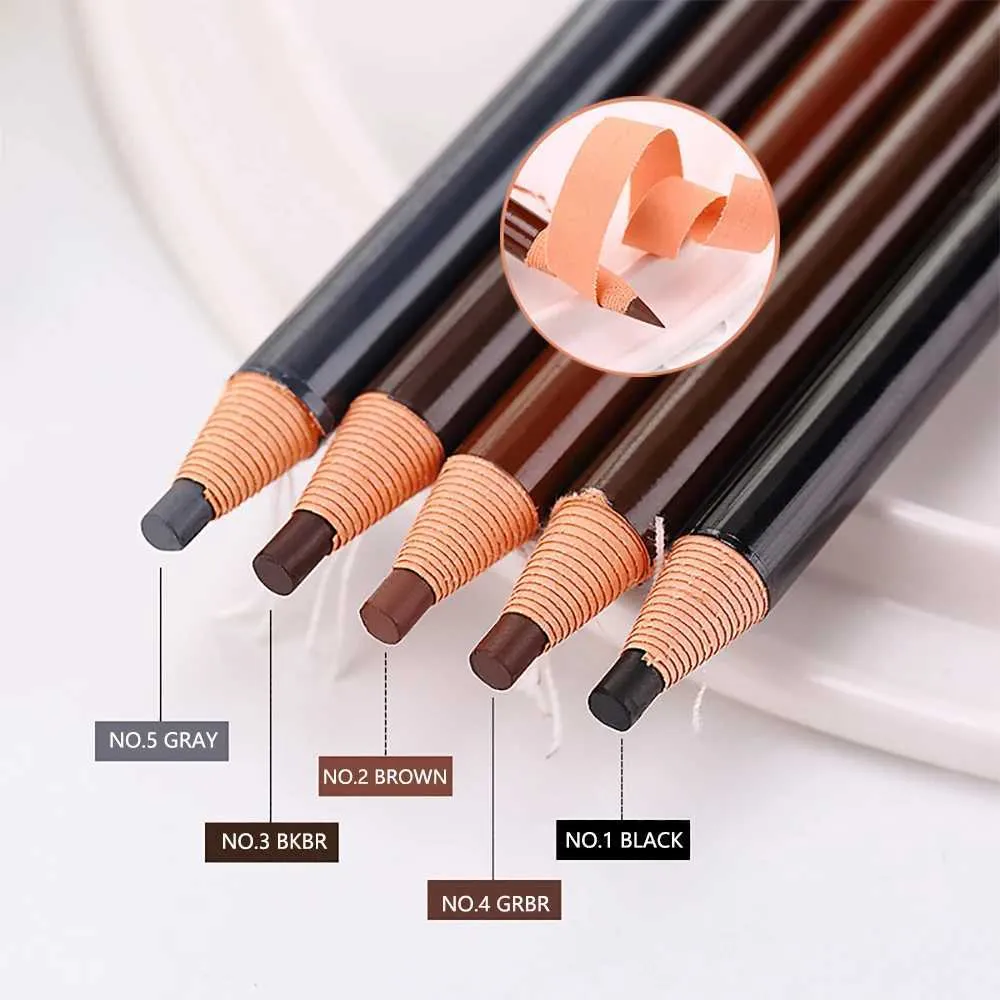
Traditional wood pencil
A wood pencil can create both fine and broad marks, depending on how it is sharpened. It often gives good control and can be adjusted for different brow styles.
Its main drawback is maintenance. You need a clean, sharp cosmetic pencil sharpener. A dull tip can drag across the skin and create uneven lines.
Retractable pencil
A retractable pencil is convenient and does not need sharpening. It can be a good choice for travel or quick daily makeup.
Keep the tip short when using it. Extending too much can cause the pencil to snap. Retractable tips may also be harder to restore to a truly fine point.
Powder or pencil hybrids
Some products combine a pencil with powder-like color. They may look soft and natural, especially on fuller brows, but they may not create hair-like strokes as clearly as a firm micro pencil.
Clear brow products
Clear gel does not replace a tinted pencil, but it can help set the hairs after filling. Use a small amount. Too much gel can make the brows look wet or stiff.

How to apply an eyebrow pencil for the most natural result
Start with clean, dry brows. Heavy skin care, sunscreen, or foundation under the brow can make the pencil slide or fade.
Brush the brow hairs upward and outward.
Use the spoolie to see where the gaps are. This also shows your natural shape.Mark only the sparse areas.
Do not outline the entire brow unless you want a defined makeup style. Most people need the most help at the lower edge, arch, or tail.Use short, light strokes.
Copy the direction of nearby hairs. Use less pressure at the front of the brow and slightly more definition toward the arch and tail.Build color slowly.
One light layer is easier to fix than a dark, solid layer. Step back from the mirror after a few strokes.Brush through the brow.
Use the spoolie to soften the marks and spread the pigment.Check both brows at normal distance.
Brows are related, but they are not naturally identical. Aim for balance rather than exact copies.Set the hairs if needed.
A light layer of clear or tinted brow gel can help hold the shape.
Signs that the result looks natural
Your brow pencil is working well when:
- You can still see individual hair-like marks.
- The front of the brow is softer than the tail.
- The color does not look orange, shiny, or solid.
- The shape follows your natural brow bone.
- The product stays in place during normal wear.
- The brows look balanced from a normal talking distance.
If the result looks too strong, brush through it before adding more product. A clean spoolie can remove some excess. If the color still looks heavy, lightly tap the brow with a clean cotton swab or a small amount of complexion product.

What to look for if you have oily, dry, or sensitive skin
Skin type can change which formula looks natural and how long it lasts.
Oily skin
Choose a firmer, matte pencil. Avoid very creamy formulas if they tend to move on you. Apply makeup to clean, dry skin and use only a small amount of moisturizer near the brows.
A water-resistant formula may last longer, but “water-resistant” does not mean it cannot smear. Test it through your normal day before relying on it for an event.
Dry or flaky skin
A very firm pencil may catch on dry patches. Use gentle skin care and allow it to absorb before applying brow makeup. A medium-texture pencil may glide better than a hard pencil.
Do not scrub flaky skin near the eyes. Irritated skin can make almost any makeup sting.
Sensitive skin
Look for a short, clear ingredient list and avoid products with ingredients you already know cause a reaction. Fragrance and essential oils can bother some sensitive users, but “fragrance-free” is not a guarantee that irritation will not occur.
Keep the pencil clean, do not share it, and avoid applying it over broken or inflamed skin.
Mature or textured skin
A fine pencil can settle into uneven texture if you press too hard. Use short strokes and brush through the brow. A powder or pencil-powder combination may look softer when the skin has visible texture.

Common mistakes that make brows look less natural
The most common problem is using too much product too quickly. A natural brow is built in thin layers.
Avoid these mistakes:
- Choosing a shade based only on your head hair
- Using a warm brown on naturally cool brows
- Drawing one long line beneath the whole brow
- Making the inner brow as dark as the tail
- Pressing hard with a soft pencil
- Using a dull wood pencil
- Extending a retractable tip too far
- Skipping the spoolie step
- Applying pencil over oily skin care
- Using old, dry, or contaminated eye makeup
- Making both brows perfectly identical
- Using black when deep brown or charcoal would be softer
If the brow looks too dark, do not immediately remove all your makeup. Brush through the hairs first. If needed, use a clean cotton swab to lift color from the front and lower edge.
Replace eye-area makeup according to the product label and the maker’s instructions. Discard a pencil if it smells different, changes texture, becomes contaminated, or causes irritation. Do not wet a pencil to make it glide more easily, because added moisture can affect the product and introduce contamination.

A simple decision guide
Use this quick guide when comparing two or more eyebrow pencils:
- Want the most hair-like detail? Choose a micro pencil.
- Want easy daily use? Choose a medium-firm retractable pencil.
- Want a soft, diffused brow? Choose a pencil-powder hybrid.
- Have oily skin? Choose a firmer matte formula.
- Have dry skin? Choose a smooth medium-texture formula.
- Have sparse brows? Prioritize a fine tip and precise shade match.
- Have full brows? Consider a softer pencil or tinted gel for light definition.
- Prefer naturally derived ingredients? Read the full ingredient list and the brand’s definition of “natural.”
- Need long wear? Look for documented wear claims, then test the product in your own conditions.
The deciding trade-off is usually control versus speed. Fine, firm pencils offer more control but take longer. Soft, broad pencils apply faster but need more blending.
FAQ
Is a natural eyebrow pencil better than a regular eyebrow pencil?
Not automatically. “Natural” may describe ingredient sources or marketing claims, while a natural-looking brow depends more on shade, texture, tip size, finish, and application. Choose the formula that suits your skin and gives you control.
Should an eyebrow pencil be lighter or darker than your hair?
For most people, the pencil should be close to the depth of the brow hair. A shade slightly lighter can create a softer effect. Going much darker may look harsh, especially at the front of the brow.
Is taupe a good eyebrow pencil shade?
Taupe is often useful for blonde, light brown, and cool-toned brows. It may look gray or dull on warm brows, so test it in daylight before buying.
How do I stop eyebrow pencil from smudging?
Apply it to clean, dry skin, use a small amount, and brush through the strokes. A light layer of brow gel can help. If smudging continues, try a firmer matte pencil and reduce skin care products directly under the brow.
Can I use an eyebrow pencil if I have sensitive skin?
Many people with sensitive skin can use brow makeup, but reactions vary. Check the ingredient list, avoid known triggers, patch-test when practical, and stop use if irritation develops. Do not apply makeup to broken or inflamed skin.
Conclusion
The most natural eyebrow pencil is usually a fine-tip, matte, medium-firm pencil in a shade that matches your brow hair. Use short strokes, follow the direction of real hairs, and soften the result with a spoolie.
If you mean “natural” as in naturally derived ingredients, inspect the full ingredient list instead of relying on the front label. Ingredient origin matters to some shoppers, but it does not replace shade matching, good control, safe use, and a formula that works with your skin.
Your next step is simple: compare two close shades in daylight, choose the less warm option if you are unsure, and apply one light layer before deciding whether you need more.
