
The most effective skin care is a simple daily routine with sunscreen, gentle cleansing, moisture, and proven active ingredients.
The most effective skin care is not the longest routine or the most expensive shelf of products. It is a steady plan that protects the skin barrier, limits sun damage, treats your main concern, and fits your skin type. Dermatology guidance and years of clinical research support this simple approach. In this guide, you will learn what works, what to skip, and how to build a routine you can follow every day.
What Is the Most Effective Skin Care?
The most effective skin care combines four key habits:
- Cleanse the skin without stripping it.
- Use moisturizer to support the skin barrier.
- Apply broad spectrum sunscreen every morning.
- Add one proven treatment for a specific concern.
This method works because skin health depends on both protection and repair. Cleansing removes sweat, oil, makeup, and pollution. Moisturizer helps reduce water loss. Sunscreen helps prevent ultraviolet damage, dark spots, wrinkles, and skin cancer. A targeted product can then address acne, dryness, uneven tone, or signs of aging.
The most effective skin care also respects consistency. A basic routine used for months will usually produce better results than an advanced routine used for one week. Skin is more like a garden than a light switch. It needs regular care before you see lasting change.

The Four Steps of an Effective Skin Care Routine
1. Gentle cleansing
Wash your face in the morning if you wake up oily or sweaty. At night, cleanse your face to remove sunscreen, makeup, oil, and daily buildup.
Choose a gentle cleanser that does not leave your skin tight or squeaky. That tight feeling may mean the cleanser has removed too much protective oil.
Look for:
• A fragrance free formula if your skin is sensitive
• Cream or lotion cleansers for dry skin
• Gel cleansers for oily skin
• A mild foaming cleanser for combination skin
Use lukewarm water, not hot water. Hot water can worsen dryness and redness. Pat your face dry with a clean towel instead of rubbing it.
2. Moisturizing
Every skin type needs moisture, including oily and acne prone skin. A moisturizer helps support the skin barrier, which keeps water in and irritants out.
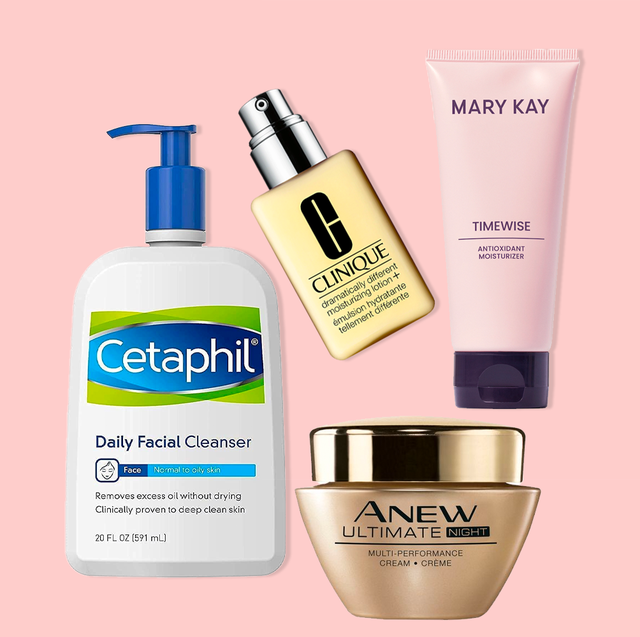
Useful ingredients include:
• Ceramides to support the skin barrier
• Glycerin to draw water into the skin
• Hyaluronic acid to increase surface hydration
• Petrolatum to reduce water loss
• Squalane for a light, smooth feel
If your skin is oily, choose a light lotion or gel. If your skin is dry, choose a richer cream. If your skin is very dry or irritated, a plain cream with ceramides may work better than a product with many active ingredients.
3. Daily sunscreen
Sunscreen is the most important anti aging step. Use a broad spectrum sunscreen with SPF 30 or higher every morning. Broad spectrum protection covers both UVA and UVB rays.
Apply sunscreen to your face, ears, neck, and other exposed areas. Many adults need about two finger lengths of sunscreen for the face and neck. Reapply every two hours when outdoors, swimming, or sweating.
Mineral sunscreens contain zinc oxide or titanium dioxide. Chemical sunscreens use filters that absorb ultraviolet energy. Both types can protect the skin when used correctly. The best sunscreen is one you enjoy wearing enough to use every day.
4. A targeted treatment
Add one treatment based on your goal. Avoid starting several strong products at once. Too many active ingredients can cause redness, peeling, burning, and breakouts.
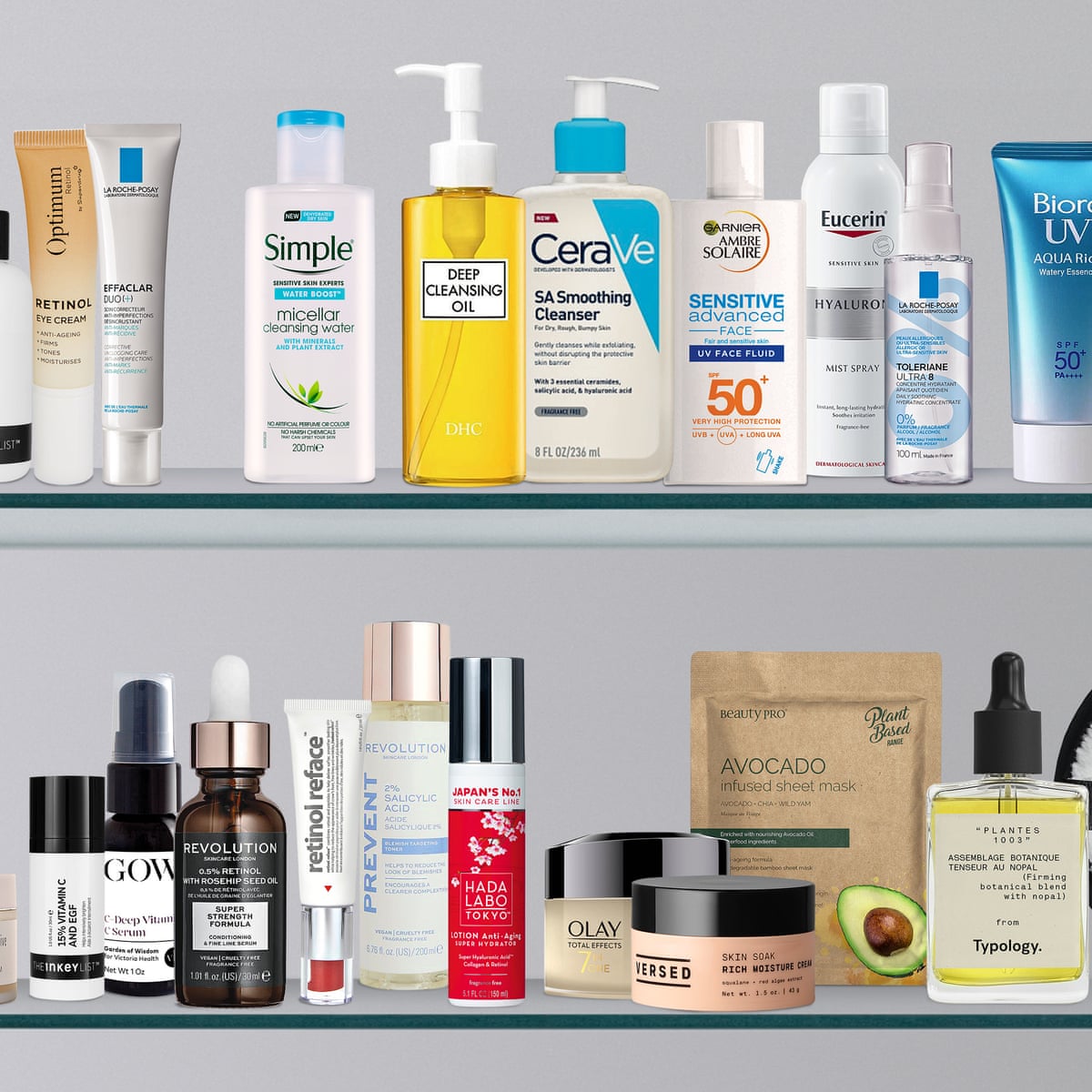
Common choices include:
• Salicylic acid for clogged pores and some forms of acne
• Benzoyl peroxide for acne causing bacteria and inflamed pimples
• Retinoids for acne, texture, and fine lines
• Vitamin C for antioxidant support and uneven tone
• Azelaic acid for acne, redness, and dark marks
• Niacinamide for oil control, redness, and barrier support
The most effective skin care stays simple enough to protect your skin from irritation.
Which Skin Care Ingredients Have the Best Evidence?
Not every popular ingredient has strong research behind it. Some products feel pleasant but offer little lasting change. Others have good evidence but need careful use.
Retinoids
Retinoids are vitamin A ingredients. They can help unclog pores, improve acne, soften fine lines, and support more even skin texture. Over the counter retinol is usually milder than prescription tretinoin.
Start with a small amount two nights per week. Apply it to dry skin, then use moisturizer. Increase use slowly if your skin stays comfortable.
Retinoids can cause dryness and irritation at first. Do not use them during pregnancy unless your health care provider specifically advises you to do so.
Vitamin C
Vitamin C can help protect skin from free radical damage and may improve the look of uneven tone. Its quality can vary because some forms become unstable when exposed to light, air, or heat.
Use vitamin C in the morning under sunscreen if your skin tolerates it. A simple formula is often better than a product with many extra acids and fragrances.
Salicylic acid
Salicylic acid can move into oily pores and loosen dead skin cells. It is often helpful for blackheads, whiteheads, and oily skin.
Use it two or three times per week at first. Daily use may be too drying for sensitive skin.
Benzoyl peroxide
Benzoyl peroxide can reduce acne causing bacteria and inflammation. It may help with red, swollen pimples.
It can dry the skin and bleach fabric. Use a low strength product and apply moisturizer. If your acne is painful, deep, or leaving scars, a dermatologist can offer more effective treatment.
Azelaic acid
Azelaic acid is a useful choice for mild acne, redness, and post acne dark marks. It tends to be gentler than many strong acids, though irritation is still possible.
It may take several weeks or months to show clear results. Patience matters with most skin treatments.
How to Choose the Most Effective Skin Care for Your Skin Type
Skin type can change with weather, age, hormones, medication, and stress. Think of it as a starting point, not a permanent label.
Dry skin
Dry skin often feels tight, rough, flaky, or uncomfortable. Choose a cream cleanser and a moisturizer with ceramides, glycerin, or petrolatum.
Keep showers warm rather than hot. Apply moisturizer within a few minutes after washing while the skin still feels slightly damp.
Oily skin
Oily skin produces more sebum and may look shiny by midday. Use a gentle gel cleanser and a light, noncomedogenic moisturizer.
Do not scrub hard or wash your face many times a day. Overwashing can irritate the skin and may make oil control more difficult.
Combination skin
Combination skin is oily in some areas and dry in others. Use gentle products across the face and apply richer moisturizer only where you need it.
You may use a pore treatment on the forehead, nose, and chin while keeping the cheeks simple and hydrated.
Sensitive skin
Sensitive skin may sting, burn, itch, or turn red after using products. Choose fragrance free products with short ingredient lists.
Patch test new products on a small area near the jaw or arm. Stop using a product if you develop swelling, hives, blistering, or severe burning.
Acne prone skin
Acne prone skin benefits from noncomedogenic products that do not clog pores. Look for one acne treatment at a time, such as salicylic acid or benzoyl peroxide.
Avoid picking. Picking can push inflammation deeper and increase the risk of scars and dark marks.
The most effective skin care for every skin type starts with comfort. A product that constantly burns or peels your skin is not a good long term choice.

Morning and Night Skin Care Routine
A routine should be easy to remember. Here is a practical plan.
Morning routine
- Cleanse gently or rinse with water if your skin is dry.
- Apply a treatment such as vitamin C or niacinamide if desired.
- Use moisturizer.
- Apply broad spectrum SPF 30 or higher.
- Reapply sunscreen during extended outdoor time.
Night routine
- Remove makeup and sunscreen.
- Cleanse gently.
- Apply one treatment product.
- Use moisturizer.
- Apply a thin layer of petrolatum to very dry areas if needed.
Do not assume that more products will create faster results. In skin care, more often means more chances for irritation. Introduce one new product at a time and wait at least several days before adding another.
A useful personal lesson is to change slowly. Many people see a new product online, add it to an already busy routine, and then cannot tell what caused redness or breakouts. A simple product diary can help you track what you use and how your skin responds.

Common Skin Care Mistakes to Avoid
Skipping sunscreen
Dark spots, fine lines, and rough texture can become worse with regular sun exposure. Sunscreen is important even on cloudy days because ultraviolet rays can pass through clouds.
Using too many active ingredients
Retinoids, exfoliating acids, vitamin C, and acne treatments can all be useful. Used together without a plan, they may damage the skin barrier.
Use fewer products and give each one time to work.
Scrubbing the skin
Harsh scrubs and rough brushes can create small areas of irritation. They may make redness and acne look worse.
Chemical exfoliants can also irritate the skin if used too often. Exfoliation is optional, not a required step.
Copying someone else’s routine
A routine that works for a friend may not suit you. Skin type, climate, age, hormones, medication, and medical conditions all matter.
Use another person’s routine as an idea, not as a prescription.
Expecting overnight results
Moisture may improve within days, but acne, dark marks, and fine lines often need weeks or months. Stop and seek professional advice if a product causes severe pain, swelling, blistering, or a lasting rash.
Professional Treatments and When to See a Dermatologist
Home care can improve many mild concerns, but professional advice is important in some cases. A dermatologist can diagnose skin conditions and recommend prescription treatments.
Consider an appointment if you have:
• Painful or deep acne
• Acne scars or fast spreading dark marks
• A changing mole or sore that does not heal
• Severe redness, itching, or swelling
• Repeated rashes
• No improvement after several months of careful home care
Professional treatments may include prescription retinoids, chemical peels, laser procedures, microneedling, or other therapies. Results depend on the condition, skin tone, medical history, and provider skill.
Be cautious with dramatic claims. No treatment works for every person, and cosmetic procedures can cause burns, pigment changes, scars, or infection when poorly selected or performed.
A Simple 30-Day Plan
The most effective skin care plan is one you can repeat. Use this four week approach.
Week one: Build the base
Use a gentle cleanser, moisturizer, and sunscreen. Do not add strong treatments yet. Focus on reducing tightness, burning, or flaking.
Week two: Add one treatment
Choose one product for your main concern. Use a small amount two or three times per week unless the label or your clinician says otherwise.
Week three: Review your skin
Ask yourself:
• Is my skin calmer?
• Am I seeing less dryness or fewer breakouts?
• Do I have burning, swelling, or lasting redness?
• Am I applying enough sunscreen?
If your skin feels sore or raw, pause the treatment and return to cleanser, moisturizer, and sunscreen.
Week four: Adjust with care
Continue if your skin is comfortable. Increase use slowly only when needed. If the problem is not improving, ask a dermatologist or qualified health professional for guidance.
Take photos in the same light once a month. Daily mirror checks can make small changes hard to notice.
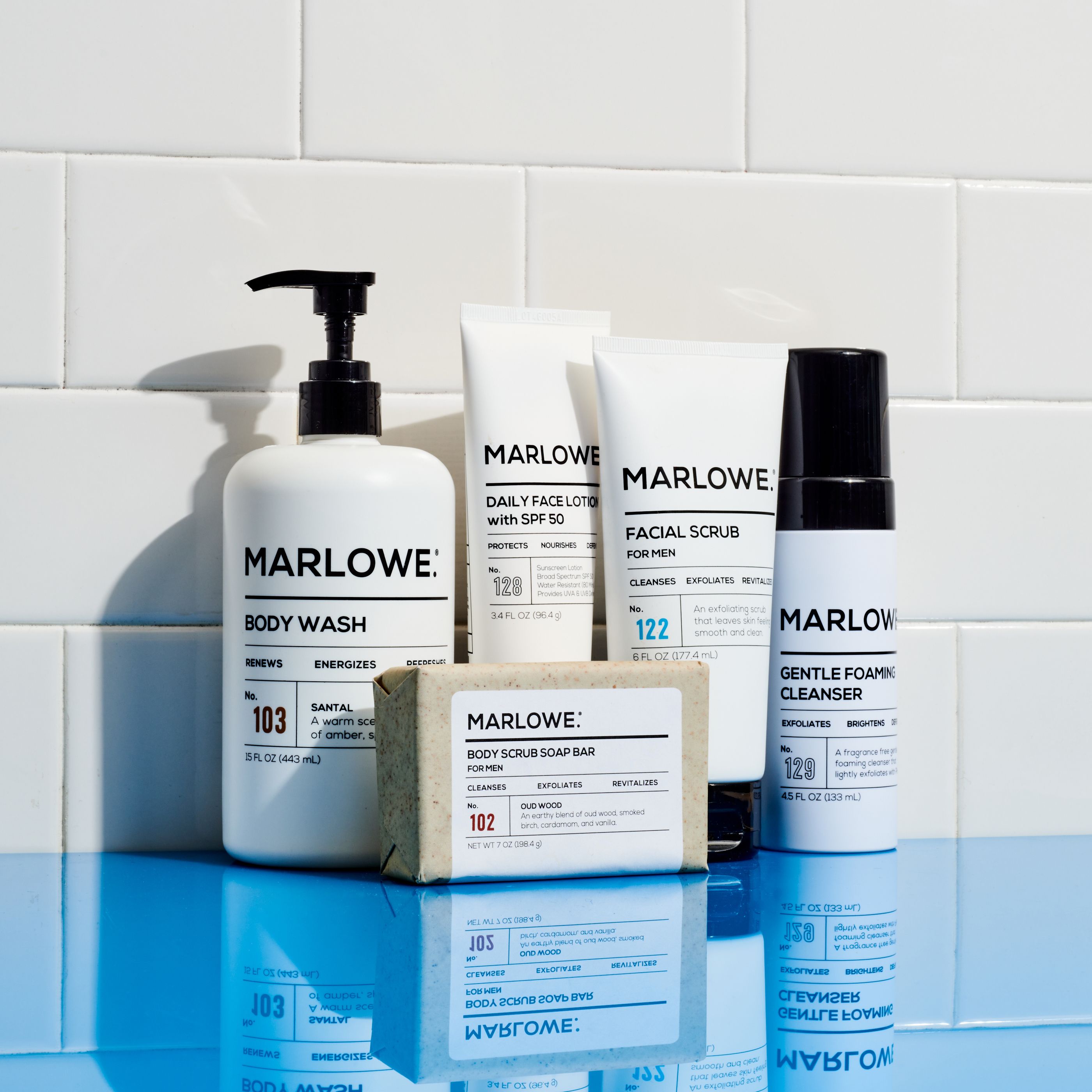
Frequently Asked Questions About the Most Effective Skin Care
What is the most effective skin care routine for beginners?
A beginner routine should include a gentle cleanser, moisturizer, and broad spectrum SPF 30 or higher. Add one treatment only after your skin feels comfortable with these basic steps.
Is expensive skin care more effective?
Not always. Affordable products can work very well when they contain useful ingredients, suit your skin, and are used consistently. Price does not guarantee better results.
How long does effective skin care take to work?
Moisture can improve within days, but acne and uneven tone often need six to twelve weeks. Fine lines and texture may take several months to change.
Can the most effective skin care remove wrinkles completely?
No skin care routine can remove wrinkles completely. Sunscreen, retinoids, moisturizer, healthy habits, and professional treatments may reduce their appearance.
Should people with oily skin use moisturizer?
Yes. Oily skin still needs hydration. Choose a light, noncomedogenic lotion or gel to reduce dryness without adding a heavy feel.
Is sunscreen needed indoors?
Sunscreen is most important near windows and when you spend time outside. It is also useful for people managing dark marks or using treatments that increase sun sensitivity.
Can I use several active ingredients together?
You can, but combining several strong products increases the risk of irritation. Start with one active ingredient and add others only if your skin remains calm.
Conclusion
The most effective skin care is clear, consistent, and suited to your skin. Start with gentle cleansing, daily moisture, and broad spectrum sunscreen. Then add one proven treatment for your main concern and give it enough time to work.
Avoid harsh scrubbing, constant product changes, and unrealistic promises. Your best routine is the one that protects your skin barrier and fits your real life. Begin with these simple steps today, track your progress, and explore trusted dermatology resources or professional advice when you need it.
