
The most important skin care product is broad-spectrum sunscreen used every day, year-round.
If you choose only one product for your routine, choose sunscreen. It helps protect against sunburn, premature skin aging, dark spots, and skin cancer. Still, the best routine depends on your skin type, daily sun exposure, medications, and personal goals. This guide explains why sunscreen matters most, how to choose it, and where other skin care products fit.
Why sunscreen is the most important skin care product
The most important skin care product is sunscreen because daily ultraviolet, or UV, exposure can damage skin even when the sky looks cloudy. UVA rays can pass through clouds and windows, while UVB rays are a major cause of sunburn.
Over time, UV exposure can break down collagen and elastin. These proteins help skin stay firm and smooth. Sun exposure can also trigger uneven skin tone, freckles, melasma, and age spots.
Sunscreen also plays a key role in skin cancer prevention. Regular use lowers the amount of UV radiation that reaches the skin. It does not remove all risk, but it is one of the simplest and strongest protective steps you can take.
A useful way to think about sunscreen is like a roof on a house. A roof cannot fix damage that already exists, but it helps prevent new damage every day.

What makes sunscreen effective?
Not every sunscreen offers the same protection. The label matters, but correct use matters just as much.
Look for these features:
• Broad-spectrum protection, which covers both UVA and UVB rays
• SPF 30 or higher for daily use
• Water resistance if you swim, sweat, or play outdoor sports
• A formula that feels comfortable enough to use every day
SPF mainly measures protection from UVB rays. Broad-spectrum labeling shows that the product also helps protect against UVA rays. Dermatology experts commonly recommend broad-spectrum SPF 30 or higher for exposed skin.
No sunscreen blocks 100% of UV radiation. SPF 30 filters about 97% of UVB rays when applied correctly, while SPF 50 filters about 98%. The difference is small, but higher SPF may help people who burn easily or spend long periods outdoors.
Remember that SPF does not tell you how long you can stay in the sun. It also does not mean you can apply sunscreen once and forget about it.
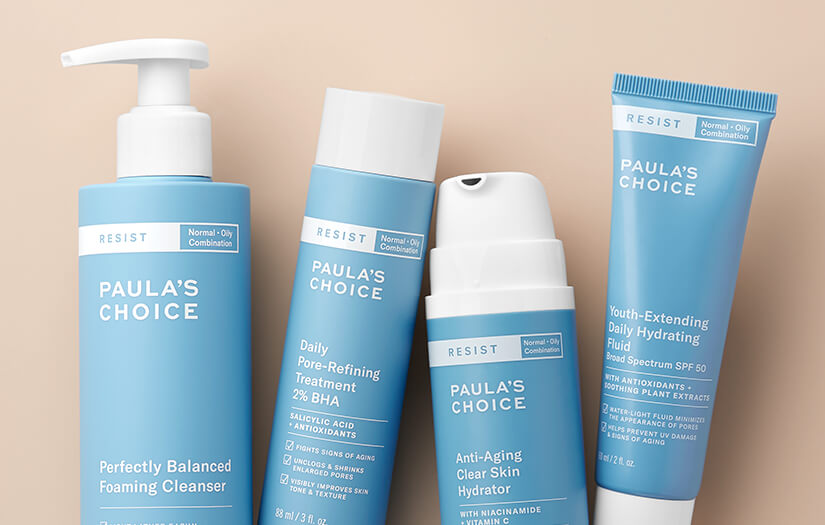
How to choose the best sunscreen for your skin
The best sunscreen is one you will use often and apply in the right amount. A perfect formula is not useful if it stings, feels greasy, leaves a white cast, or causes breakouts.
For oily or acne-prone skin
Choose a lightweight lotion, gel, fluid, or noncomedogenic formula. Terms such as “oil-free” or “won’t clog pores” may help, although every person can react differently.
Mineral sunscreens with zinc oxide can work well for sensitive skin. Some modern chemical formulas also feel light and blend easily.
For dry skin
Choose a sunscreen with moisturizing ingredients such as glycerin, squalane, ceramides, or hyaluronic acid. A cream formula may reduce tightness and flaking.
You can still apply a moisturizer first if your skin needs more comfort. However, sunscreen should remain the final step in your morning skin care routine.
For sensitive skin
Try a fragrance-free product with zinc oxide or titanium dioxide. These mineral filters often cause less stinging than some chemical filters, especially around the eyes.
Patch-test a small area first. Stop using the product if you develop burning, swelling, hives, or a lasting rash.
For darker skin tones
Sunscreen is still important for every skin tone. Melanin offers some natural protection, but it does not fully block UV damage or prevent hyperpigmentation.
Tinted sunscreens that contain iron oxides may blend better on deeper skin tones. They may also offer added protection against visible light, which can worsen some types of dark spots.
For children
Use shade, hats, protective clothing, and sunscreen as part of a larger sun safety plan. For babies younger than 6 months, ask a pediatrician about sun protection rather than relying mainly on sunscreen.

How to apply the most important skin care product
Many people own sunscreen but use too little. This is one of the most common reasons sunscreen does not perform as expected.
For the face, neck, and ears, use about two finger lengths of sunscreen. You can also use the “two-finger rule,” placing a line of sunscreen along the index and middle fingers.
Apply sunscreen 15 minutes before going outside when the product label recommends it. Cover often-missed areas, including:
• Ears
• Neck
• Hairline
• Eyelids and the area around the eyes
• Tops of the feet
• Hands
• Part line on the scalp
Reapply about every two hours when outdoors. Reapply sooner after swimming, heavy sweating, or towel drying, even if the label says the sunscreen is water resistant.
Sunscreen should be the last morning skin care step. Makeup can go on top. If you use a spray sunscreen, do not spray it near your face and breathe it in. Spray it into your hands first, then apply it carefully.

Is sunscreen enough for a complete skin care routine?
Sunscreen is the most important skin care product, but it is not the only useful product. A simple routine usually needs three basic steps:
Cleanse the skin gently.
Moisturize to support the skin barrier.
Apply broad-spectrum sunscreen in the morning.
A cleanser removes sweat, oil, makeup, and pollution. A moisturizer helps reduce water loss and supports a healthy skin barrier. Sunscreen protects the skin from future damage.
Adding many products can make a routine harder to follow. It can also raise the risk of irritation. In most cases, a simple routine used consistently works better than a complicated routine used only now and then.

What other skin care products can do
Different products solve different problems. They do not replace sunscreen, but they can support your skin.
Cleanser
A gentle cleanser removes dirt without stripping the skin. Avoid very hot water and harsh scrubbing, which may cause dryness and irritation.
If your skin is dry or sensitive, cleansing once at night may be enough. If your skin is oily, you may prefer cleansing in the morning and at night.
Moisturizer
Moisturizer helps keep water in the skin. It may reduce roughness, tightness, and flaking.
Look for ceramides, glycerin, petrolatum, or hyaluronic acid. People with oily skin can choose a gel or light lotion, while dry skin often needs a richer cream.
Vitamin C
Vitamin C may help support collagen production and improve the look of uneven tone. It can also provide antioxidant support against environmental stress.
It may irritate sensitive skin, especially in strong formulas. Start with a low concentration and use it a few mornings each week.
Retinoids
Retinoids, including retinol, can help with acne, fine lines, and uneven texture. They work slowly and often cause dryness during the first weeks.
Use a small amount at night and increase use gradually. Avoid retinoids during pregnancy unless your health care professional says otherwise.
Exfoliants
Alpha hydroxy acids and beta hydroxy acids can remove dead skin cells and improve texture. Too much exfoliation can damage the skin barrier.
Use one exfoliating product at a time. Do not combine several strong acids with a retinoid at the start.

Common mistakes that reduce sunscreen protection
Even good sunscreen can fail when people use it incorrectly. These mistakes are easy to fix.
• Applying too little
• Missing the ears, neck, and hands
• Applying it only on sunny days
• Forgetting to reapply outdoors
• Using expired sunscreen
• Relying only on sunscreen instead of shade and clothing
• Assuming makeup with SPF provides full protection
• Mixing sunscreen into moisturizer or foundation
Makeup with SPF can add support, but most people do not apply enough makeup to reach the labeled SPF. Use a separate sunscreen first, then apply makeup if you wish.
Sunscreen can also degrade when stored in extreme heat. Keep it in a cool place and follow the expiration date. If the texture, color, or smell changes, replace it.

Sun protection beyond sunscreen
The most important skin care product works best as part of a complete sun protection plan. Physical barriers can reduce exposure without requiring repeated application.
Helpful habits include:
• Wear a wide-brimmed hat.
• Choose tightly woven or UPF-rated clothing.
• Use sunglasses that block UVA and UVB rays.
• Seek shade, especially between late morning and midafternoon.
• Avoid tanning beds.
• Use extra care near water, sand, snow, and high elevations.
Reflected light can increase UV exposure. You may need more protection during beach trips, ski trips, outdoor work, or long walks.
Clouds do not block all UV rays. A cloudy day can still cause sun damage, so daily sunscreen remains a useful habit.

My practical lessons from skin care routines
When reviewing skin care routines, I often notice the same pattern: people spend more time searching for a powerful serum than building a daily protection habit. They may use several active products at night but skip sunscreen in the morning. That choice can make it harder to protect the progress those products support.
A common mistake is choosing a sunscreen based only on its SPF number. Comfort matters too. A slightly lower-cost sunscreen that feels good and gets used every morning is more helpful than an expensive formula that sits unused in a drawer.
Another lesson is to change one product at a time. If you start a new cleanser, retinol, acid, and sunscreen together, it becomes hard to know what caused irritation. A slow, simple approach protects both your skin and your budget.
I also recommend testing sunscreen before a full day outside. Apply it to a small area for several days. This step can reveal stinging, breakouts, or a white cast before the product becomes part of your daily routine.

When sunscreen may not be enough
Sunscreen protects exposed skin, but it cannot treat every skin concern. Persistent acne, painful rashes, sudden changes in a mole, or severe discoloration may require medical care.
See a dermatologist if you notice:
• A sore that does not heal
• A mole that changes in size, shape, or color
• A new dark spot that grows quickly
• Severe itching, pain, swelling, or bleeding
• A rash that does not improve
Some skin conditions, medicines, and procedures can increase sun sensitivity. These include certain antibiotics, acne treatments, and cosmetic treatments. Ask a health professional for advice if you are unsure about your risk.
Sunscreen also cannot reverse all existing damage. It helps prevent further damage, but treating dark spots or deep wrinkles may require professional guidance.
A simple morning skin care routine
A basic routine can protect the skin without taking much time.
Wash with a gentle cleanser, or rinse with water if your skin is very dry.
Apply a treatment product if needed, such as vitamin C.
Use moisturizer if your skin feels dry.
Apply broad-spectrum SPF 30 or higher.
Add a hat, sunglasses, or protective clothing when spending time outdoors.
At night, remove sunscreen and makeup. Cleanse gently, apply a treatment if needed, and moisturize.
Give the routine time to work. Skin changes often take weeks or months, not days. Consistency is more important than chasing a new trend each month.
Frequently Asked Questions About the Most Important Skin Care Product
Is sunscreen really the most important skin care product?
Yes. Broad-spectrum sunscreen helps protect against UV-related sunburn, premature aging, uneven pigmentation, and skin cancer. Cleanser and moisturizer are also helpful, but sunscreen offers the strongest daily protection from environmental damage.
What SPF should I use every day?
Use a broad-spectrum sunscreen with SPF 30 or higher. Choose a water-resistant formula when swimming, sweating, or spending extended time outdoors.
Should I wear sunscreen on cloudy days?
Yes. UVA rays can pass through clouds, and UV exposure can still occur on overcast days. Apply sunscreen to exposed skin whenever you will be outside.
Can sunscreen prevent wrinkles and dark spots?
Sunscreen can help prevent and slow UV-related wrinkles and pigmentation. It cannot remove all existing wrinkles or dark spots, but regular use may help other treatments work more effectively.
Is mineral sunscreen better than chemical sunscreen?
Neither type is automatically best for everyone. Mineral sunscreens use zinc oxide or titanium dioxide, while chemical sunscreens use filters that absorb UV radiation; the best choice is the one that protects your skin and feels comfortable enough to use correctly.
How much sunscreen should I apply to my face?
Use about two finger lengths for your face, neck, and ears. Apply enough to create an even layer, and reapply during extended outdoor exposure.
Can I skip moisturizer if my sunscreen feels hydrating?
Yes, if your sunscreen leaves your skin comfortable and does not cause dryness. If your skin feels tight or flaky, apply a moisturizer before sunscreen.
Conclusion
The most important skin care product is broad-spectrum sunscreen with SPF 30 or higher. Use it every morning, apply enough, and reapply when you spend time outdoors. Support it with shade, protective clothing, a gentle cleanser, and a moisturizer that suits your skin.
Start with one simple change: place sunscreen beside your toothbrush and use it each morning. Then test your routine, adjust it slowly, and speak with a dermatologist about stubborn or changing skin concerns. Share your favorite sunscreen or explore more evidence-based skin care guides to build a routine you can trust.
