
The best hair care routine cleans your scalp, conditions your lengths, limits damage, and matches your hair’s unique needs.
What is the best hair care routine? It is not a long list of expensive products. It is a simple, steady plan built around your hair type, scalp health, styling habits, and daily environment. This guide explains how to create that plan, avoid common mistakes, and choose products that support stronger, softer, healthier-looking hair.

What Is the Best Hair Care Routine?
The best hair care routine has four basic goals:
• Keep the scalp clean and balanced
• Add moisture without causing buildup
• Protect hair from heat, friction, and chemicals
• Support healthy growth by reducing breakage
Your routine may include shampoo, conditioner, a leave-in product, and heat protection. However, the right steps depend on whether your hair is fine, thick, curly, straight, oily, dry, color-treated, or damaged.
Think of your hair like fabric. Your scalp is the source, your hair fiber is the material, and your daily habits affect how long it lasts. Even high-quality fabric can wear out when washed too harshly or exposed to too much heat.
The best hair care routine should also be realistic. A routine that takes one hour every day may work for a beauty professional but fail for someone with a busy schedule. Consistency matters more than complexity.
Start With Your Scalp
Healthy-looking hair starts with a clean, comfortable scalp. Shampoo removes sweat, oil, dead skin, pollution, and product residue. If these substances build up, the scalp may feel itchy, greasy, or irritated.
Apply shampoo mainly to the scalp rather than scrubbing every inch of the hair length. The suds that rinse through your hair are often enough to clean the ends. Scrubbing the ends can remove too much natural oil and make them feel rough.
Use your fingertips, not your fingernails. Massage gently for about 30 to 60 seconds, then rinse well with lukewarm water.
Your washing schedule should match your scalp:
• Oily scalp: Wash daily or every other day if needed.
• Normal scalp: Wash every two to four days.
• Dry or curly hair: Wash less often, often once or twice a week.
• Active lifestyle: Wash after heavy sweating when your scalp feels dirty or uncomfortable.
• Dandruff-prone scalp: Use a medicated shampoo as directed on the label or by a health professional.
Washing too rarely is not always better. Oil, sweat, and styling products can collect on the scalp. Washing too often with a harsh shampoo can also cause dryness. The best hair care routine finds a comfortable middle ground.

Choose Shampoo Based on Your Hair Needs
Shampoo is designed to clean the scalp, but different formulas serve different purposes. The word “natural” does not always mean gentle, and a high price does not guarantee better results.
Look for a shampoo that fits your main concern:
• For oily hair, choose a light cleansing shampoo that removes excess oil without leaving the scalp tight.
• For dry hair, choose a moisturizing formula with ingredients such as glycerin, panthenol, or plant oils.
• For curly hair, choose a gentle cleanser that helps preserve moisture.
• For color-treated hair, choose a formula made to reduce fading and dryness.
• For fine hair, choose a lightweight shampoo that does not leave a heavy coating.
• For buildup, use a clarifying shampoo occasionally rather than every day.
Clarifying shampoos can remove waxes, oils, silicones, and styling residue. They can be useful after heavy product use or swimming. Yet frequent use may leave dry or textured hair rough, so follow with a rich conditioner.
People with dandruff, scalp psoriasis, or ongoing itching may need more than a cosmetic shampoo. Ingredients such as ketoconazole, zinc pyrithione, selenium sulfide, or salicylic acid may help specific scalp concerns. Follow product directions, and see a dermatologist if symptoms continue.

Condition Every Time You Wash
Conditioner helps smooth the outer layer of the hair shaft. This can reduce friction, improve softness, and make detangling easier. It does not permanently repair split ends, but it can make damaged hair feel and look better.
Apply conditioner from the middle of your hair to the ends. Fine hair may need only a small amount on the tips. Thick, curly, or very dry hair may need conditioner closer to the roots, but avoid the scalp if it becomes greasy easily.
Leave the conditioner on for two to five minutes, then rinse. Use cool or lukewarm water if you enjoy the feel, but water temperature does not seal split ends or create permanent shine. Gentle handling matters more.
A deep conditioner or hair mask can help once a week, especially if your hair is:
• Bleached or chemically treated
• Frequently exposed to heat
• Very curly or coarse
• Dry at the ends
• Difficult to detangle
A common mistake is using too much product. More conditioner does not always mean more moisture. It can leave a film that makes hair limp, dull, or greasy.

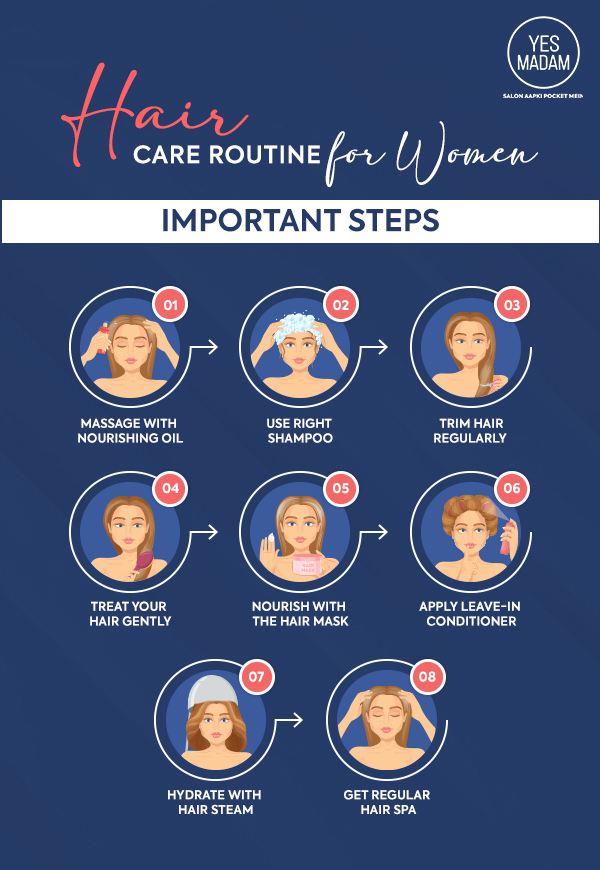
Build a Simple Weekly Hair Care Routine
A good weekly plan can make the best hair care routine easier to follow. Here is a practical example:
- Shampoo your scalp when it feels oily, sweaty, or coated with product.
- Condition the middle lengths and ends after each shampoo.
- Use a wide-tooth comb to detangle wet hair, beginning at the ends.
- Apply a leave-in conditioner if your hair is dry, curly, or prone to tangles.
- Use a hair mask once a week if your hair needs extra softness.
- Clarify every few weeks if you use many styling products or have hard water.
- Trim damaged ends when they split or snag easily.
You do not need every step every day. Your daily routine may be as short as gentle brushing, scalp care, and protecting your hair at night.
When I compare routines that people can maintain with routines that look impressive online, the simple ones usually win. The most useful lesson is this: choose fewer products, learn what each one does, and change only one product at a time.

Protect Hair From Heat and Breakage
Heat styling can change the structure of the hair fiber. Frequent use of flat irons, curling irons, and hot blow dryers may increase dryness and breakage. The risk rises when hair is wet, bleached, or already fragile.
Use these habits to reduce damage:
• Apply a heat protectant before using hot tools.
• Let hair dry partly before blow-drying.
• Use the lowest temperature that gives a good result.
• Keep the tool moving instead of holding it in one spot.
• Avoid passing a flat iron over the same section many times.
• Do not use a flat iron on damp hair unless it is specifically designed for that purpose.
• Give your hair heat-free days each week.
Wet hair stretches more easily and can break during rough brushing. Blot it with a soft towel or cotton T-shirt instead of rubbing it hard. A wide-tooth comb can help reduce pulling.
Night care also matters. A satin or silk pillowcase may reduce friction for some hair types, especially curly or fragile hair. A loose braid, low ponytail, or satin bonnet can also limit tangles. Avoid tight styles that pull on the hairline.

Adjust the Routine for Your Hair Type
Straight hair
Straight hair can show oil quickly because sebum travels down the hair shaft with ease. Use a balanced shampoo and a light conditioner. Apply styling products mainly to the ends to avoid flat roots.
Wavy hair
Wavy hair often needs moisture without heavy oils. Use a gentle cleanser, lightweight conditioner, and a small amount of leave-in product. Scrunching wet hair can help define waves without excessive brushing.
Curly hair
Curly hair tends to lose moisture because its shape makes it harder for natural oils to travel from the scalp to the ends. Use a gentle shampoo, rich conditioner, and careful detangling. Avoid dry brushing when possible because it can increase frizz and breakage.
Coily hair
Coily hair may need regular conditioning and gentle handling. Divide hair into sections during washing and detangling. A leave-in conditioner and a light sealing oil may help reduce moisture loss, but heavy products are not required for everyone.
Fine hair
Fine hair can become weighed down easily. Choose lightweight products and keep conditioner away from the scalp. Volumizing products may help appearance, but they do not increase the number of hair follicles.
Thick hair
Thick hair may benefit from sectioning during washing and styling. Use enough conditioner to reduce tangles, and make sure the scalp is fully rinsed. Product buildup can hide beneath dense hair.

Manage Hair Damage and Split Ends
Hair damage can come from bleaching, relaxing, perming, frequent coloring, sun exposure, chlorine, heat, tight hairstyles, and rough handling. Once the hair shaft is damaged, it cannot heal itself like skin. Products can temporarily smooth the surface, but cutting is the only permanent way to remove split ends.
Signs of damage include:
• Rough or straw-like texture
• More tangles than usual
• Split or white dots at the ends
• Breakage during brushing
• Uneven length
• Loss of curl pattern
• Hair that feels stretchy when wet
Protein treatments may help some damaged hair feel stronger. Moisturizing treatments may help dry hair feel softer. Too much protein can make certain hair types stiff, while too much conditioning can make hair limp. Use one treatment at a time and watch how your hair responds.
Do not rely on a product claim alone. “Repair” usually means the product coats or reinforces the surface for a time. It does not rebuild a completely broken hair fiber.

Support Healthy Hair Growth
Many people search for the best hair care routine because they want faster growth. Hair grows from follicles beneath the scalp, so shampoo cannot force it to grow faster. However, a good routine can reduce breakage and help you keep more of the length you grow.
Hair growth varies by genetics, age, hormones, health, and nutrition. On average, scalp hair grows about half an inch per month, though individual rates differ.
Support healthy hair by:
• Eating enough protein and a varied diet
• Treating iron or vitamin deficiencies with medical guidance
• Avoiding tight hairstyles that cause repeated pulling
• Protecting the scalp from strong sun exposure
• Managing stress and getting enough sleep
• Seeking care for sudden shedding or bald patches
Biotin supplements are often marketed for hair growth. They usually help only when a person has a true deficiency. High-dose biotin can also interfere with some lab tests, so discuss supplements with a qualified health professional.
If shedding is sudden, severe, or paired with scalp pain, scaling, or bald spots, contact a dermatologist. Hair loss can have many causes, including illness, medication, thyroid problems, hormonal changes, and inherited conditions.
Common Hair Care Mistakes to Avoid
Even a thoughtful routine can fail when daily habits create hidden damage. Avoid these common problems:
• Washing with very hot water
• Scrubbing the hair length aggressively
• Brushing from the roots down through large tangles
• Sleeping with soaking-wet hair
• Wearing tight ponytails every day
• Using heat tools without protection
• Applying too many oils or styling products
• Changing products before giving them time to work
• Ignoring ongoing scalp itching or flaking
• Cutting out entire food groups without medical advice
One mistake I often see is copying another person’s routine exactly. Hair that looks similar may have a different porosity, density, chemical history, or scalp condition. Use other routines for ideas, not as strict rules.
Take a photo of your hair before changing products. After several weeks, compare softness, shine, tangles, scalp comfort, and breakage. This simple record can help you identify what truly works.
How to Know if Your Routine Is Working
The best hair care routine should produce steady, practical improvements. Look for:
• A comfortable scalp with less excess oil or dryness
• Easier detangling
• Fewer broken hairs
• Softer ends
• Better curl or wave definition
• Less frizz from dryness
• Hair that holds its style without heavy buildup
Give a new routine several weeks unless it causes burning, rash, swelling, or major irritation. Stop using a product that causes a reaction and seek medical advice if symptoms are strong or do not improve.
Remember that shine alone is not proof of healthier hair. Some products create instant shine by coating the strand. That can be useful, but also check how your hair feels and behaves over time.
Frequently Asked Questions About the Best Hair Care Routine
How often should I wash my hair?
Wash when your scalp feels oily, sweaty, itchy, or coated with product. Some people need daily washing, while others may wash once or twice a week because of dry or textured hair.
What is the best hair care routine for dry hair?
Use a gentle shampoo, a rich conditioner, and a leave-in product on the ends. Limit hot tools, detangle gently, and use a deep conditioner about once a week if your hair needs more moisture.
Should I condition my hair every time I shampoo?
Yes, most people benefit from conditioning after each shampoo. Apply it mainly to the middle lengths and ends, and use less if your hair is fine or becomes oily quickly.
Does trimming make hair grow faster?
No, trimming does not change the growth rate at the follicle. It removes split ends and may reduce breakage, helping you keep more visible length over time.
Is it bad to brush wet hair?
Wet hair is more fragile, so rough brushing can cause breakage. If you need to detangle it wet, use conditioner, a wide-tooth comb, and gentle strokes from the ends upward.
Can oils repair damaged hair?
Oils can reduce friction, add shine, and help hair feel softer. They cannot permanently repair split or broken ends, so damaged sections may still need a trim.
What should I do if my scalp is always itchy?
Check for buildup, irritation, dandruff, or sensitivity to a product. If itching continues, becomes painful, or causes flakes and sores, see a dermatologist for an accurate diagnosis.
Conclusion
The best hair care routine is simple, gentle, and personal. Clean your scalp as needed, condition your lengths, protect your hair from heat and friction, and adjust products to your texture and lifestyle.
Healthy-looking hair does not require perfection or a crowded bathroom shelf. Start with one small change, track how your hair responds, and build a routine you can maintain. Explore trusted hair and scalp resources, and share your experience or questions in the comments.
