
Combination acne-prone skin has both oily and dry areas. In the United States, the most useful approach is to treat acne without stripping the skin barrier. Use a gentle cleanser, a light non-comedogenic moisturizer, daily sunscreen, and one acne active at a time. Add treatments slowly, then adjust based on how your skin responds.
The goal is not perfectly matte skin. Healthy skin may have some shine. The goal is fewer breakouts, less irritation, and a routine you can follow every day.
What Is Combination Acne-Prone Skin?
Combination skin is oily in some areas and normal or dry in others. Many people notice more oil on the forehead, nose, and chin, while the cheeks feel tight or flaky.
Acne-prone skin develops clogged pores, blackheads, whiteheads, or inflamed pimples. Oil is only one part of the problem. Dead skin cells, bacteria, hormones, inflammation, skin products, and friction can also play a role.
A common mistake is to treat the whole face as oily. Strong cleansers and frequent scrubs may reduce oil for a short time, but they can also cause dryness and irritation. Irritated skin often makes acne treatment harder to tolerate.
For combination skin, think of your face as several zones:
- Oily zone: Usually the forehead, nose, and chin.
- Dry or sensitive zone: Often the cheeks, around the mouth, or near the eyes.
- Acne zone: Areas with repeated clogged pores or pimples.
- Irritated zone: Areas that sting, peel, burn, or feel unusually tight.
You do not need a different product for every zone. A simple routine works best. However, you may apply some treatments only where acne occurs or reduce the frequency on dry areas.
The American Academy of Dermatology Association recommends gentle skin care, non-comedogenic products, and proven acne treatments such as benzoyl peroxide, topical retinoids, and salicylic acid. These treatments do different jobs, so choosing the right one matters.

The Best Skin Care Routine for Combination Acne-Prone Skin
A good routine has four parts: gentle cleansing, targeted acne treatment, moisture, and sun protection. Start with the smallest routine that meets your needs.
Morning routine
1. Cleanse gently
Wash your face with lukewarm water and a mild, fragrance-free cleanser. Use your fingertips rather than a scrub brush, rough cloth, or cleansing device.
If your cheeks feel dry in the morning, you may rinse with water and use cleanser only at night. If your face is very oily or you sweat during sleep, use a gentle cleanser in the morning.
Avoid washing more than twice a day unless you need to remove sweat, dirt, or sunscreen. Overwashing can worsen dryness and irritation.
2. Use an acne treatment if needed
Choose one morning treatment at first:
- Benzoyl peroxide: Helps reduce acne-causing bacteria and inflamed pimples.
- Salicylic acid: Helps loosen dead skin cells and unclog pores.
- Azelaic acid: Can help with acne, redness, and dark marks left after pimples.
A low-strength product may be enough. Apply a thin layer to acne-prone areas, not just to visible pimples, unless the product label says otherwise.
Benzoyl peroxide can bleach towels, pillowcases, and clothing. It may also cause dryness. Start every other morning if your skin is sensitive.
3. Apply moisturizer
use a light, fragrance-free, non-comedogenic moisturizer. “Non-comedogenic” means the product is designed to be less likely to clog pores, although no label guarantees that every person will tolerate it.
Apply more moisturizer to dry cheek areas and a thinner layer to oily areas if needed. Gel creams and light lotions often feel comfortable on combination skin.
4. Wear sunscreen
Use a broad-spectrum, water-resistant sunscreen with SPF 30 or higher. This step matters because sunlight can darken acne marks and increase irritation from some acne treatments.
Choose a non-comedogenic sunscreen that feels comfortable enough to use every day. A tinted mineral sunscreen may also help reduce the appearance of dark marks while protecting the skin.
Evening routine
1. Remove sunscreen and makeup
Use a gentle cleanser at night. If you wear heavy makeup or water-resistant sunscreen, remove it first with a product that does not sting, then cleanse.
Do not scrub to remove makeup. Rubbing can irritate active pimples and dry skin.
2. Use one main nighttime acne treatment
Adapalene is an over-the-counter topical retinoid in the United States. It helps prevent clogged pores and can treat blackheads, whiteheads, and some pimples.
Apply a pea-sized amount to the entire acne-prone area, not a large amount to each pimple. Use it two or three nights per week at first. Increase slowly if your skin stays calm.
Keep adapalene away from the eyelids, corners of the nose, and lips. Apply moisturizer before or after it if you need to reduce dryness.
Do not use adapalene or other topical retinoids during pregnancy unless your obstetric clinician specifically tells you to do so. Ask a health professional about acne treatment if you are pregnant, trying to become pregnant, or breastfeeding.
3. Moisturize again
Moisturizer is not optional when you use acne treatments. A healthy skin barrier helps reduce stinging, peeling, and treatment failure.
If your cheeks are very dry, use a richer moisturizer on those areas. Keep the product away from the eyes and stop using it if it causes a rash or persistent burning.

How to Choose the Right Acne Treatment
The best acne active depends on the type of breakouts you have and how sensitive your skin is. Do not start several strong treatments at once. That makes it hard to know what helps and what causes irritation.
| Main concern | Useful first option | How to start |
|---|---|---|
| Blackheads and clogged pores | Salicylic acid or adapalene | Use one product two or three times weekly |
| Red, inflamed pimples | Benzoyl peroxide | Start every other day or use a short-contact wash |
| Acne plus dark marks | Azelaic acid or adapalene | Start slowly and use sunscreen daily |
| Frequent breakouts across one area | Adapalene | Apply a pea-sized amount to the acne-prone area |
| Sensitive, dry cheeks with mild acne | Azelaic acid or low-strength salicylic acid | Apply mainly to acne-prone areas |
| Body acne | Benzoyl peroxide wash or salicylic acid wash | Rinse well and moisturize afterward |
Benzoyl peroxide
Benzoyl peroxide is often useful for red, swollen pimples. It reduces acne-causing bacteria and inflammation.
A wash may be easier for combination skin because it has brief contact with the skin. Leave it on for the time listed on the label, then rinse well.
Use white towels and clothing because benzoyl peroxide may cause bleaching. Stop and seek medical advice if you develop severe swelling, hives, or trouble breathing.
Salicylic acid
Salicylic acid is oil-soluble, so it can move into pores and help remove built-up oil and dead skin cells. It may be useful for blackheads and small clogged bumps.
It can still dry or irritate the skin. Do not use a strong leave-on product every day at the start. Try it on the oily zone or acne-prone areas first.
Adapalene
Adapalene helps prevent new clogs. It works best as a long-term treatment rather than a quick spot treatment.
Dryness, peeling, and mild irritation are common during the first few weeks. This does not mean you should push through severe burning. Reduce use, add moisturizer, or stop and ask a dermatologist for advice if the reaction is strong.
Azelaic acid
Azelaic acid may help mild acne, redness, and brown or red marks after acne. It is often a useful choice when the skin does not tolerate stronger treatments.
It can sting at first. Apply it to dry skin and begin every other day if needed.
Hydrocolloid patches
Hydrocolloid patches can protect a surface-level pimple from picking. They may absorb fluid from a whitehead, but they do not treat deep acne or prevent future clogged pores.
Use them on clean, dry skin. Avoid placing them over broken skin unless the product instructions allow it.

How to Prevent Dryness and Irritation
Treating acne is a balance. Too little treatment may not control breakouts. Too much can damage the skin barrier and force you to stop.
Follow these habits:
- Add one new active at a time. Give it about two to four weeks before adding another, unless a clinician gives you a different plan.
- Use a small amount. More product does not usually mean faster results.
- Moisturize every day. Apply moisturizer after cleansing and whenever the skin feels tight.
- Avoid harsh scrubs. Scrubbing can create tiny areas of irritation.
- Skip rubbing alcohol and lemon juice. These can burn or dry the skin and do not provide a reliable acne treatment.
- Do not pick pimples. Picking can increase inflammation and raise the risk of lasting marks or scars.
- Keep hair products off the face. Oils, pomades, and heavy styling products can cause bumps near the hairline.
- Clean items that touch your face. Wash pillowcases, hats, makeup tools, and phone screens on a regular schedule.
- Choose makeup labeled non-comedogenic. Remove it before bed.
- Do not change products every few days. Acne treatments need time to work.
A “purge” is sometimes used to describe temporary breakouts after starting a retinoid. Not every rash or breakout is a purge. Burning, swelling, intense itching, or acne in new areas may signal irritation or contact dermatitis. Stop the suspected product and seek medical advice if symptoms are severe or do not improve.
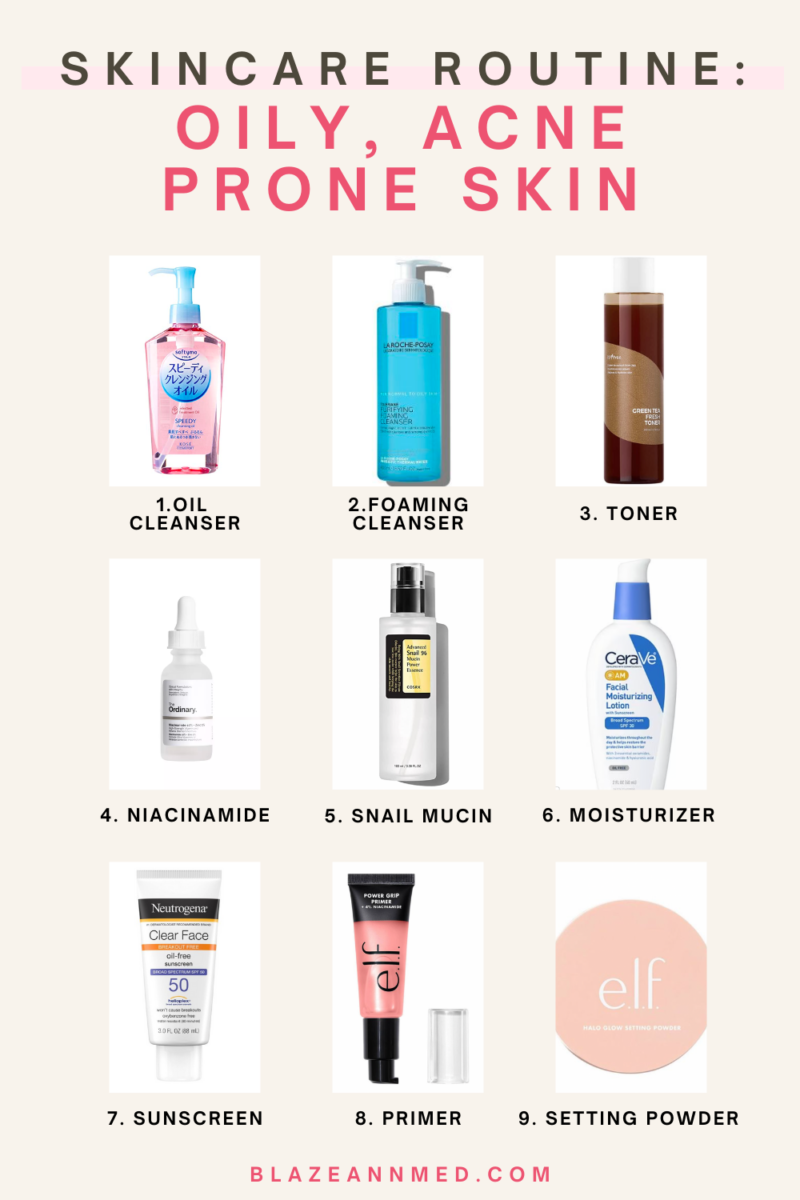
A Simple 8-Week Plan
A gradual plan can make combination skin easier to manage.
Weeks 1 and 2: Build the base
Use:
- Gentle cleanser
- Moisturizer
- SPF 30 or higher each morning
- One acne active two or three times per week
Focus on comfort. If the skin becomes tight, flaky, or sore, use the active less often.
Weeks 3 and 4: Check tolerance
If your skin feels calm, increase the chosen active slowly. For example, use it every other night instead of twice weekly.
Do not add a second strong active just because you still see pimples. Acne often needs several weeks of steady care.
Weeks 5 through 8: Assess results
Look for:
- Fewer new pimples
- Less oil in the T-zone
- Fewer clogged pores
- Less redness
- Fewer dark marks over time
- No ongoing burning or severe peeling
Take a photo in the same light every few weeks. Daily mirror checks can make small improvements hard to notice.
If your skin is comfortable but acne is unchanged after about eight to twelve weeks of consistent use, consider a dermatology visit. You may need a different treatment, a prescription, or an evaluation for another cause.

When to See a Dermatologist
Over-the-counter care may not be enough for deep, painful, or scarring acne. Make an appointment with a board-certified dermatologist or another qualified medical professional if you have:
- Painful nodules or cysts
- Acne scars or rapidly worsening marks
- Acne that affects sleep, mood, or confidence
- Breakouts that do not improve after a consistent routine
- A sudden, severe acne flare
- A rash that burns, swells, or itches
- Acne linked with irregular periods, excess facial hair, or other hormone-related symptoms
- Acne that began after a new medicine
- Uncertainty about treatment during pregnancy or breastfeeding
A clinician may consider prescription retinoids, antibiotics, hormonal treatment, or isotretinoin. These treatments have different risks and monitoring needs. Do not use leftover prescription medicine or someone else’s acne treatment.
Seek urgent care for facial swelling, trouble breathing, widespread hives, or a serious skin reaction.
Common Mistakes With Combination Acne-Prone Skin
Using a strong cleanser to remove all oil
This can leave the cheeks dry while the T-zone still produces oil. A mild cleanser is usually a better long-term choice.
Applying acne medicine only to visible pimples
Some treatments work better when applied in a thin layer to the whole acne-prone area. Follow the product label and avoid sensitive zones.
Mixing too many active ingredients
Using adapalene, benzoyl peroxide, salicylic acid, scrubs, and exfoliating acids together can cause irritation. Start with one main active.
Skipping moisturizer
Dry skin is not the same as clean skin. Moisturizer helps the skin tolerate acne treatment.
Expecting instant results
Most acne treatments need consistent use for several weeks. A single overnight improvement does not prove a treatment will work, and a few early breakouts do not always mean it has failed.
Ignoring dark marks
Acne may improve while brown or red marks remain. Daily sunscreen and gentle treatment can help prevent marks from becoming darker. Do not use harsh bleaching products without medical guidance.

Frequently Asked Questions
Can I use benzoyl peroxide and adapalene together?
They can be used in the same overall routine, and some combination products contain both. However, using them together may increase dryness at first. Start one product at a time unless a clinician recommends a combined plan.
Should I exfoliate combination acne-prone skin?
Acne treatments already exfoliate or change how skin cells shed. Physical scrubs are usually not needed. If you use a chemical exfoliant, choose one and use it sparingly rather than combining several acids.
Is oily skin caused by not moisturizing?
No. Oil production and skin hydration are different. A lightweight moisturizer can support the skin barrier without making the face more oily.
What should I do if my acne treatment makes my cheeks peel?
Reduce how often you use the treatment, apply moisturizer more often, and avoid other active products until the skin settles. If peeling is severe, painful, or persistent, stop the product and ask a dermatologist for advice.
Can diet cause combination skin acne?
Diet is not the only cause of acne, and changing food alone does not treat every case. Some people notice that high-glycemic foods or dairy are linked with more breakouts, but individual responses vary. Avoid extreme restriction and discuss major diet changes with a qualified health professional.
Conclusion
The best way to treat combination acne-prone skin is to keep the routine simple and steady. Cleanse gently, use one proven acne treatment, moisturize dry areas, and wear sunscreen every morning.
Start slowly. Watch for irritation. If acne is painful, scarring, severe, or unchanged after several weeks of consistent care, see a dermatologist rather than adding stronger products on your own.
