
Treat acne combination skin with gentle cleansing, targeted acne care, light moisture, daily sunscreen, and steady habits.
Acne combination skin can feel like two different skin types at once: oily and congested in the T-zone, yet dry or tight on the cheeks. The solution is not to strip away all oil. It is to balance the skin barrier while treating clogged pores and inflammation with proven ingredients. This guide explains how to get rid of acne combination skin with a simple routine, realistic timelines, and expert-backed tips that avoid common mistakes.

What acne combination skin means
Combination skin has both oily and dry areas. Most people notice extra oil on the forehead, nose, and chin, while the cheeks may feel normal, dry, or sensitive.
When acne develops on this skin type, the routine becomes more complex. Strong products may reduce shine but cause flaking. Heavy creams may soothe dry areas but clog pores in oily zones.
Acne can include:
- Blackheads and whiteheads caused by blocked pores
- Small red bumps called papules
- Pus-filled pimples called pustules
- Deep, painful lumps that may leave scars
- Rough texture from trapped oil and dead skin cells
Hormones, genetics, stress, sweat, cosmetics, hair products, and some medicines can all play a role. Acne is not caused by poor hygiene alone, so scrubbing harder is not the answer.
A useful way to think about acne combination skin is to treat it like a garden. You need enough water to protect the soil, but too much fertilizer can harm the roots. Your skin needs moisture, but the right amount and texture matter.
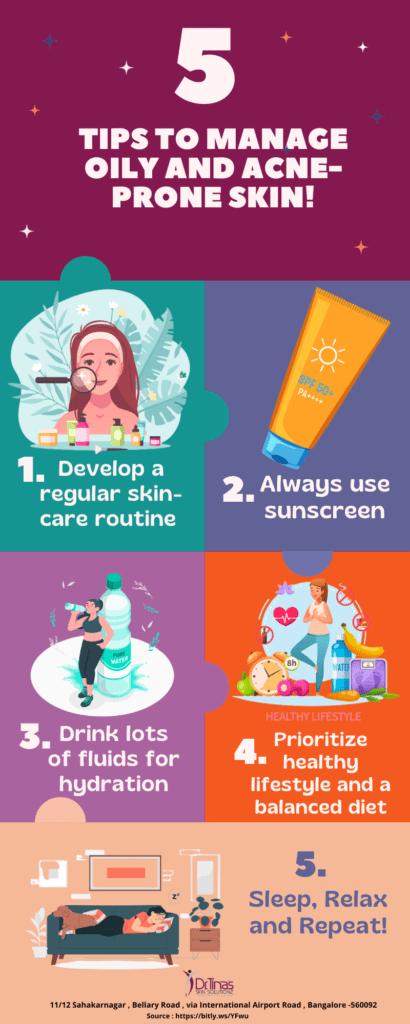
Why combination skin becomes acne-prone
Acne combination skin often results from several factors working together. Extra oil can mix with dead skin cells and block pores. At the same time, dryness or irritation can weaken the skin barrier and make redness worse.
Common triggers include:
Excess oil and clogged pores
The sebaceous glands produce sebum, an oily substance that helps protect the skin. Too much sebum can trap dead cells inside pores. This creates the ideal setting for acne-causing bacteria and inflammation.
A damaged skin barrier
Overwashing, harsh scrubs, alcohol-heavy toners, and too many active ingredients can remove protective oils. The skin may then feel tight, flaky, itchy, or more reactive.
A damaged barrier does not always mean the skin produces more oil. However, irritation can make acne look worse and reduce your ability to tolerate treatment.
Hormonal changes
Androgens can increase oil production. Acne may flare before a period, during puberty, after stopping or starting hormonal birth control, or during other hormonal shifts.
Persistent acne around the chin, jaw, and lower cheeks may have a hormonal pattern. A dermatologist can help assess this, especially if breakouts are painful or linked with irregular periods.
Pore-clogging products
Some hair oils, pomades, thick sunscreens, makeup, and moisturizers can trigger breakouts. Look for products labeled noncomedogenic, although this label is not a guarantee for every person.
Sweat and friction
Hats, masks, helmets, phone screens, and tight clothing can trap heat and bacteria. This can cause acne mechanica, a type of breakout linked to pressure, rubbing, and sweating.

A simple morning routine for acne combination skin
A good morning routine should remove excess oil without drying the cheeks. It should also protect the skin from sun exposure, which can make acne marks last longer.
Step 1: Cleanse gently
Use a mild, fragrance-free cleanser with lukewarm water. Massage it over the face for about 20 to 30 seconds, then rinse well.
If your skin feels tight after cleansing, the product may be too harsh. You may also cleanse only once in the morning if you used a gentle cleanser at night and wake up with dry skin.
Step 2: Use one acne treatment
Salicylic acid can help dissolve oil and dead skin inside pores. It often works well for blackheads, whiteheads, and oily areas.
Start with a low-strength product two or three mornings per week. Apply it mainly to the T-zone if your cheeks are dry or sensitive.
Do not add several acne treatments at once. Using salicylic acid, benzoyl peroxide, retinoids, and exfoliating acids together can cause irritation.
Step 3: Apply a light moisturizer
Choose a moisturizer with ingredients such as:
- Ceramides
- Glycerin
- Hyaluronic acid
- Squalane
- Panthenol
- Niacinamide in a gentle concentration
Use a thin layer over the oily areas and a slightly richer layer on dry patches. This zone-based method is one of the most useful ways to manage acne combination skin.
Step 4: Wear sunscreen
Use broad-spectrum SPF 30 or higher every morning. Choose a noncomedogenic lotion, gel, or fluid that feels comfortable on your skin.
Sunscreen helps protect against dark spots after acne heals. It also reduces irritation from some acne treatments, especially retinoids and exfoliating acids.

An effective night routine
Nighttime is a good opportunity to remove sunscreen, makeup, sweat, and pollution. It is also when many acne treatments work best.
Step 1: Remove makeup and sunscreen
If you wear makeup or water-resistant sunscreen, use a gentle cleansing balm, micellar water, or oil cleanser first. Follow with a mild water-based cleanser if needed.
Avoid scrubbing with rough cloths. Friction can increase redness and may spread irritation across the face.
Step 2: Use benzoyl peroxide or a retinoid
Benzoyl peroxide reduces acne-causing bacteria and inflammation. It is useful for red pimples and can help prevent antibiotic resistance when used with prescription antibiotics.
Try a 2.5% benzoyl peroxide product two or three nights per week. It can bleach towels, pillowcases, and clothing, so use white fabrics when possible.
A topical retinoid, such as adapalene, helps prevent clogged pores. Apply a pea-sized amount to the entire acne-prone area, not just individual pimples. Begin two nights per week and increase slowly as your skin adjusts.
Do not use benzoyl peroxide and adapalene at the same time at first. Use one in the morning and the other at night, or alternate nights.
Step 3: Moisturize
Apply moisturizer after treatment. If you are sensitive, use the moisturizer before and after a retinoid. This “sandwich” method can reduce dryness while still allowing the treatment to work.
A common mistake is stopping moisturizer when acne appears. In reality, a healthy barrier often makes acne treatment easier to tolerate.

How to choose acne products for combination skin
Product choice matters, but a simple routine usually works better than a crowded shelf.
Look for:
- Fragrance-free formulas if your skin stings or flushes
- Noncomedogenic moisturizers and sunscreen
- Gentle cleansers without strong scrubbing particles
- Salicylic acid for clogged pores
- Benzoyl peroxide for inflamed pimples
- Adapalene for recurring comedones and acne prevention
- Azelaic acid for acne, redness, and post-acne dark marks
Azelaic acid can be a useful option for sensitive skin. It may help reduce inflammation and discoloration, but results take time.
Avoid relying on lemon juice, toothpaste, baking soda, or undiluted essential oils. These remedies can burn or irritate the skin and may worsen dark marks.
Patch-test a new product on a small area for several days when possible. Stop using it if you develop swelling, blistering, severe burning, or a widespread rash.

A practical eight-week acne plan
Consistency is more important than intensity. Skin often needs several weeks to respond, and early dryness does not always mean a treatment is failing.
Weeks one and two
Focus on barrier care:
- Use a gentle cleanser.
- Apply moisturizer morning and night.
- Wear sunscreen every day.
- Add only one acne active two or three times weekly.
- Avoid scrubs, picking, and frequent product changes.
Weeks three and four
If your skin feels comfortable, slowly increase the chosen treatment. For example, use adapalene every other night or salicylic acid on alternate mornings.
Do not increase treatment if your skin is red, cracked, or painful. Calm the irritation first.
Weeks five through eight
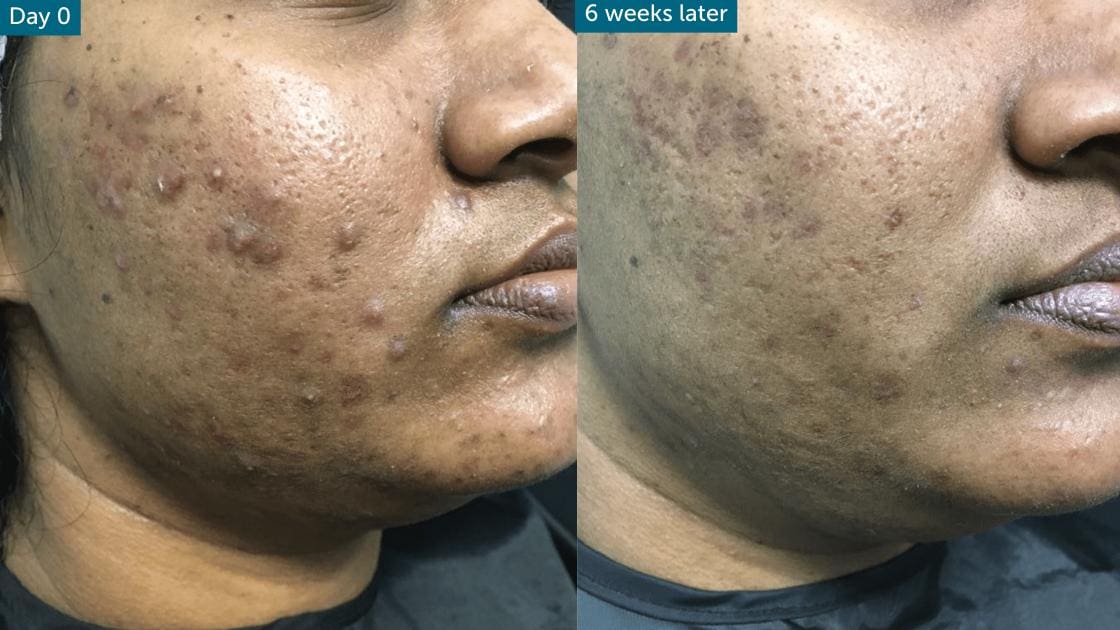
Look for fewer new breakouts, less congestion, and faster healing. Existing dark marks may take much longer to fade than pimples.
If there is no improvement after eight to twelve weeks, or if acne is worsening, seek professional care. Prescription treatments may be needed.
Lifestyle habits that support clearer skin
Lifestyle changes cannot replace effective acne treatment, but they can reduce avoidable triggers.
- Wash your face after heavy sweating.
- Change pillowcases regularly.
- Clean your phone screen.
- Keep hair products away from your face.
- Avoid squeezing or picking pimples.
- Remove makeup before bed.
- Use clean makeup brushes.
- Choose loose, breathable clothing during exercise.
- Manage stress with sleep, movement, breathing exercises, or support from others.
Diet affects people differently. Some studies suggest that a high-glycemic diet or large amounts of skim milk may be linked with acne in certain people. The evidence is not strong enough to recommend extreme food restrictions.
Instead, notice patterns. Keep a brief food and skin diary for several weeks, and avoid cutting out major food groups without medical guidance.
Mistakes to avoid with acne combination skin
Many people make acne combination skin worse while trying to improve it. These mistakes are common because they seem logical at first.
Overwashing
Washing several times a day may remove surface oil for a short time. It can also cause dryness and irritation. Most people do well with cleansing once at night and, if needed, once in the morning.
Treating the whole face aggressively
Your cheeks may not need the same treatment as your nose. Apply stronger products to oily or acne-prone zones when appropriate, and protect dry areas with moisturizer.
Changing products too quickly
Acne treatments need time. Changing products every few days makes it hard to know what works and can repeatedly irritate the barrier.
Picking pimples
Picking can push inflammation deeper and increase the risk of scarring and dark marks. A hydrocolloid patch can protect a surface pimple from touching and picking, but it does not treat deep acne.
Using too much product
More is not better. A pea-sized amount of adapalene is enough for the entire face. A thin layer of benzoyl peroxide is usually sufficient.

When to see a dermatologist
See a dermatologist if you have deep, painful, or cyst-like acne. Professional care is also important if acne leaves scars, causes significant distress, or does not improve after consistent over-the-counter treatment.
A dermatologist may recommend:
- Prescription-strength retinoids
- Oral or topical antibiotics for limited use
- Azelaic acid
- Hormonal treatment for suitable patients
- Isotretinoin for severe or treatment-resistant acne
- Procedures for scars or persistent marks
Pregnant people or those trying to become pregnant should speak with a health professional before using acne treatments. Topical retinoids are generally avoided during pregnancy, and some other medicines require careful review.
Seek urgent medical help for signs of a severe allergic reaction, such as facial swelling, trouble breathing, or widespread blistering.
What results should you expect?
Most acne treatments need at least six to eight weeks to show clear improvement. Some people notice dryness or a temporary increase in small bumps when starting a retinoid, but severe irritation is not something to push through.
Clearer skin does not always mean perfect skin. The goal is fewer new lesions, less inflammation, reduced oiliness, and prevention of scars.
Dark spots after acne can remain for months, especially in deeper skin tones. Daily sunscreen and gentle treatment are key. Avoid harsh bleaching products and unregulated skin-lightening creams.
Results also depend on the cause of acne. A routine may help mild comedonal acne but may not control cystic, hormonal, or medication-related acne on its own.
Frequently asked questions about how to get rid of acne combination skin
Can I use moisturizer if I have oily acne combination skin?
Yes. Moisturizer helps reduce dryness and supports the skin barrier. Choose a light, noncomedogenic formula and use more on dry areas than oily areas.
What is the best cleanser for acne combination skin?
A gentle, fragrance-free cleanser is a strong starting choice. If clogged pores are the main issue, a salicylic acid cleanser may help, but use it slowly and stop if your skin becomes tight or irritated.
How often should I exfoliate acne combination skin?
You may not need a separate exfoliant if you use salicylic acid or a retinoid. If you do exfoliate, start once weekly and avoid combining several exfoliating products in the same routine.
Does benzoyl peroxide help acne combination skin?
Yes. Benzoyl peroxide can reduce bacteria and inflammation, especially in red pimples. Start with a low strength and use moisturizer because dryness and irritation are possible.
How long does it take to get rid of acne combination skin?
Many people need six to twelve weeks of steady care to see meaningful improvement. Deep acne, hormonal acne, and acne with scarring may need prescription treatment.
Should I use different products on different parts of my face?
Often, yes. You can use a pore-focused treatment on the oily T-zone and a gentle moisturizer on dry cheeks. This targeted approach may be more comfortable than treating every area the same way.
Conclusion
Learning how to get rid of acne combination skin starts with balance. Cleanse gently, use one proven acne treatment at a time, moisturize dry areas, protect your face with sunscreen, and give the routine enough time to work.
Avoid scrubbing, picking, harsh home remedies, and constant product changes. If acne is painful, persistent, or leaving scars, a dermatologist can offer safer and faster options. Start with a simple routine today, track your progress for eight weeks, and explore trusted skin-care resources or professional advice if you need extra support.
