
Gentle washing, daily moisture, careful detangling, and low-tension styles keep toddler curls healthy and happy.
Learning how to take care of toddler curly hair is mostly about moisture, patience, and simple routines. Curly hair is naturally more prone to dryness and tangles because its shape makes it harder for scalp oils to travel down each strand. This guide shares safe, practical steps for washing, detangling, styling, sleeping, and protecting your child’s curls without harsh products or painful brushing.
Understanding Toddler Curly Hair
Toddler curls come in many forms. Some children have soft waves, while others have tight coils or several curl patterns on the same head. Hair texture can also change as children grow, so a routine that works today may need small changes later.
Curly hair bends and twists along its length. These bends can create weak points and make the hair more likely to lose moisture, form knots, or break during rough brushing. That is why learning how to take care of toddler curly hair starts with treating each curl gently.
A child’s curl pattern does not determine how healthy the hair is. Healthy hair can be fine, thick, loose, or tightly coiled. The main goals are a clean scalp, hydrated strands, gentle handling, and a comfortable routine.

Build a Simple Wash Routine
Most toddlers do not need daily shampooing. Washing too often can remove helpful oils and leave curls dry. The right schedule depends on sweat, dirt, scalp buildup, hair density, and your child’s activity level.
Many toddlers do well with shampoo once or twice each week. You may wash more often after swimming or heavy sweating, but use a mild cleanser and avoid scrubbing the curls too hard.
Follow these steps:
- Wet the hair fully with lukewarm water.
- Apply a small amount of gentle, fragrance-free shampoo to the scalp.
- Massage the scalp with your fingertips, not your fingernails.
- Let the cleanser rinse through the curls instead of rubbing the ends.
- Apply conditioner from the middle of the hair to the ends.
- Rinse well, unless you are using a child-safe leave-in conditioner.
- Press the hair with a soft towel or cotton T-shirt.
Avoid very hot water. It can increase dryness and may irritate sensitive skin. A mild cleanser is often a better choice than a heavily scented product marketed only for “curly hair.”
When parents ask how to take care of toddler curly hair, I often suggest starting with fewer products, not more. A gentle shampoo, a rich conditioner, and a simple detangler can be enough for many children.
Detangle Toddler Curls Without Tears
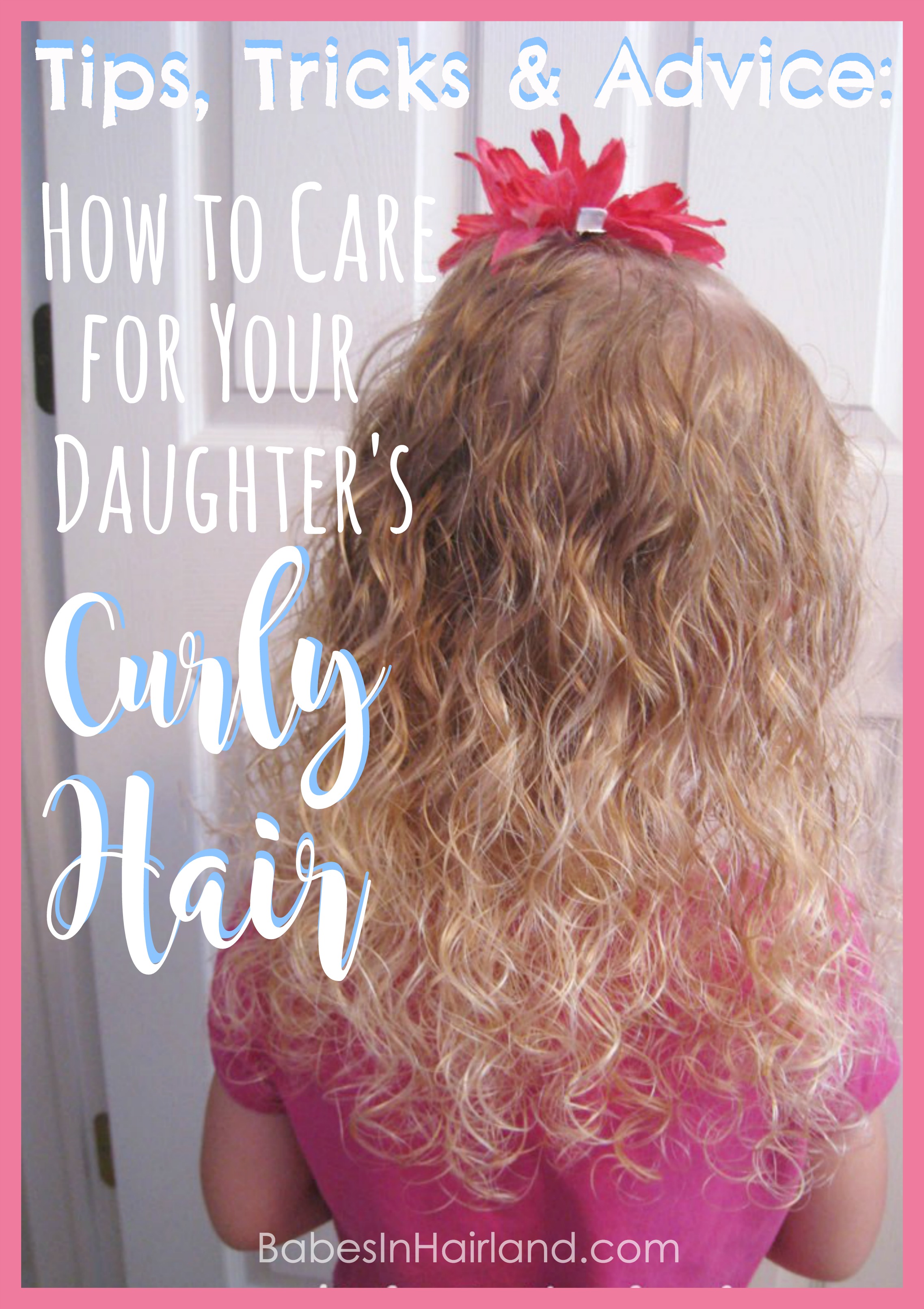
Detangling is often the hardest part of caring for toddler curls. The key is to add slip before using a comb. “Slip” means the hair feels smooth enough for the comb to move through without pulling.
Never detangle dry, tight curls unless the hair is only lightly tangled and your child tolerates it well. Dry brushing can cause pain, frizz, and breakage.
Use this method:
- Divide the hair into two to four loose sections.
- Mist each section with water or apply a child-safe leave-in conditioner.
- Work from the ends upward.
- Hold the hair near the roots to reduce pulling on the scalp.
- Use your fingers first to loosen large knots.
- Finish with a wide-tooth comb or a flexible detangling brush.
- Rinse or style the hair once the knots are gone.
Short sessions work best. If your toddler becomes upset, stop for a break. A favorite song, book, or bath toy can make the process feel less like a chore.
One common mistake is rushing through the roots first. I have seen this turn a small knot into a painful tugging session. Starting at the ends gives each knot room to loosen and helps protect the hair shaft.
Learning how to take care of toddler curly hair also means learning when to stop. A few minutes of gentle work is better than forcing the comb through a large knot.

Keep Curly Hair Moisturized
Moisture helps curls stay soft, flexible, and easier to manage. It does not mean making the hair greasy or coating it with heavy oils. Fine toddler hair can become weighed down quickly.
A useful moisture routine may include:
- A moisturizing conditioner after shampoo.
- A small amount of leave-in conditioner on damp hair.
- Water in a spray bottle for morning refreshes.
- A light cream for thicker or drier curls.
- A tiny amount of oil on the ends if the hair needs extra softness.
Use products made for children when possible. Avoid products with strong fragrance, drying alcohols, or ingredients that irritate your child’s skin. “Natural” does not always mean safe, so patch-test a new product on a small area first.
Water is the main source of moisture for hair. Oils can help reduce friction and seal in softness, but they do not replace water or conditioner. Heavy oil use may also cause buildup on the scalp.
If your child’s hair feels rough, add more conditioner or use a small amount of leave-in product. If the curls look limp or greasy, reduce the amount. Good hair care is often a process of small adjustments.
Choose Safe Products for Toddler Curls
A toddler’s scalp and skin can be sensitive. Product safety matters more than brand popularity or social media trends. Read the label, use a small amount, and keep products away from the eyes and mouth.
Helpful product types include:
- Gentle shampoo for the scalp.
- Silicone-free or silicone-based conditioner, depending on your preference and buildup.
- Leave-in conditioner for easier detangling.
- Wide-tooth combs and flexible brushes.
- Soft hair ties without metal.
- Satin or smooth sleep accessories.
Silicones are not automatically harmful. Some can reduce friction and help prevent tangles, while others may create buildup if you do not cleanse the hair well. The best choice depends on your child’s hair and how often you wash it.
Avoid adult-strength relaxers, permanent color, keratin treatments, and strong styling gels for toddlers. These products may irritate the scalp or expose children to unnecessary chemicals.
According to pediatric and dermatology guidance, stop using a product if it causes burning, swelling, a rash, or persistent itching. Seek medical advice if the reaction does not improve.

Style Toddler Curls With Low Tension
Good toddler hairstyles should feel comfortable. They should not pull at the hairline, create scalp pain, or leave deep marks after removal. Tight ponytails, firm braids, and small rubber bands can cause traction on delicate hair.
Try relaxed styles such as:
- Loose puffs with soft fabric ties.
- A low ponytail with a gentle scrunchie.
- Two loose braids.
- A simple headband that does not squeeze.
- Natural curls left down with a light leave-in conditioner.
- Loose twists secured with soft clips.
Change the location of ponytails and clips from day to day. Repeated tension in the same area can weaken the hair and may contribute to traction alopecia, a form of hair loss caused by pulling.
Remove accessories before sleep unless they are specifically safe and comfortable for overnight use. Never use small accessories that could become a choking hazard. Supervise children who are too young to understand the risk.
When considering how to take care of toddler curly hair, remember that healthy styling is not about making every curl look perfect. It is about protecting the hair while allowing your child to move, play, and rest comfortably.
Protect Curls During Sleep and Play
Curls can tangle when they rub against cotton pillowcases, car seats, coats, and clothing. Friction can make the hair rough and create knots overnight.
A smooth pillowcase may reduce friction, but safety comes first. Do not place loose scarves, bonnets, or other items in a toddler’s sleep space if they create a risk. Follow current safe-sleep guidance, especially for children under age two.
Before bed, you can:
- Gently smooth the curls with damp hands.
- Use a small amount of leave-in conditioner.
- Make a loose, low-tension style if your child is old enough and it is safe.
- Check for knots at the nape of the neck.
- Keep wet hair from staying tightly covered for long periods.
Swimming also needs special care. Wet the hair with clean water before entering a pool, then rinse it after swimming. Chlorine and salt can increase dryness, so follow with conditioner when needed.
Hats and helmets may flatten curls. That is normal and usually temporary. Comfort and safety should always come before preserving a hairstyle.

Handle Common Curly Hair Problems
Frizz
Frizz often appears when curls lack moisture or when hair is rubbed while drying. Press the hair with a cotton T-shirt instead of rubbing it with a rough towel. A small amount of leave-in conditioner can also help.
Knots
Knots may form at the nape, behind the ears, or where hair touches clothing. Add water and conditioner, separate the hair with your fingers, and detangle from the ends upward.
Dry ends
Dry ends can result from frequent washing, heat, friction, or old damage. Use conditioner, reduce rough handling, and ask a professional stylist to trim damaged ends when needed.
Scalp flakes
Small flakes may come from dryness, product buildup, or a skin condition. Do not scratch or scrape the scalp. If flakes are thick, oily, red, painful, or persistent, speak with a pediatrician or dermatologist.
Uneven growth
Toddlers often have uneven hair because they rub one area during sleep or because curls shrink at different rates. Uneven length is not always a sign of a health problem.
Sudden hair loss
Contact a health professional if you notice bald patches, broken hairs near the scalp, redness, swelling, sores, or sudden shedding. Ringworm and other scalp conditions need medical treatment and should not be treated only with hair products.
A Practical Weekly Routine
A simple schedule makes how to take care of toddler curly hair easier for the whole family. You do not need a long routine or a bathroom full of products.
Wash day
- Shampoo the scalp gently.
- Condition the curls.
- Detangle while the conditioner is in the hair.
- Rinse or leave a small amount of conditioner if the product allows it.
- Apply leave-in conditioner to damp hair.
- Let the curls air-dry when practical.
Between wash days
- Refresh the hair with water.
- Add a small amount of leave-in conditioner if needed.
- Smooth frizzy areas with wet hands.
- Detangle only the areas that need attention.
- Avoid restyling the entire head each morning.
Monthly check
Look at the scalp and hairline. Check for dryness, irritation, tight marks, broken hairs, and product buildup. This quick check helps you adjust the routine before a small problem becomes painful.
A routine should fit your family. If morning styling causes stress, choose a simple haircut or a loose style. Healthy hair care should support your child, not turn every day into a battle.
Mistakes to Avoid
Many curly hair problems come from a few repeated habits. The good news is that most can be corrected.
Avoid these common mistakes:
- Brushing curls dry from roots to ends.
- Washing with harsh shampoo every day.
- Scrubbing the hair instead of the scalp.
- Using too much oil or styling cream.
- Pulling tight styles around the hairline.
- Sleeping in uncomfortable clips or ties.
- Cutting hair based only on its dry appearance.
- Comparing your child’s curls with another child’s curls.
- Using adult chemical treatments.
- Ignoring an itchy, painful, or inflamed scalp.
Wet curls can look shorter because of shrinkage. This is normal, especially with tight curls. If you plan a haircut, choose a stylist who understands children’s hair texture and knows how curls behave when dry.
Another useful lesson is to avoid changing several products at once. If irritation or buildup appears, you will not know which product caused it. Introduce one new item at a time.
When to See a Pediatrician or Dermatologist
Most toddler curl concerns improve with gentle care. Some signs, however, point to a scalp or health issue rather than a simple hair-care problem.
Ask a medical professional about:
- Persistent itching or scratching.
- Redness, swelling, sores, or crusting.
- Circular bald patches.
- Broken hairs with black dots.
- Sudden or widespread hair loss.
- Pain when the hair is styled.
- Severe dandruff or thick scaling.
- A rash after using a product.
- Hair that becomes unusually brittle or sparse.
A dermatologist can check for conditions such as eczema, contact dermatitis, psoriasis, or fungal infection. Avoid applying medicated products to a toddler’s scalp unless a qualified professional recommends them.
Professional advice is especially important when hair loss is sudden or paired with other symptoms. Early evaluation can make treatment simpler and protect the scalp.
Frequently Asked Questions About How to Take Care of Toddler Curly Hair
How often should I wash my toddler’s curly hair?
Many toddlers do well with shampoo once or twice a week. Wash more often after swimming, heavy sweating, or visible dirt, but use a gentle cleanser and conditioner to limit dryness.
Should I brush toddler curly hair every day?
Daily brushing is usually not needed for curly hair. Detangle with water and conditioner only when needed, and use your fingers or a wide-tooth comb from the ends upward.
What is the best product for toddler curly hair?
A gentle shampoo, moisturizing conditioner, and child-safe leave-in conditioner are a useful starting set. Choose products with mild formulas and stop using any product that causes itching, burning, or a rash.
Can I use coconut oil on my toddler’s curls?
A very small amount may reduce friction for some children, but coconut oil can make other hair types stiff or greasy. Patch-test it first, keep it away from the eyes, and do not use it as a substitute for water-based moisture.
Should I cut my toddler’s curls when they look uneven?
Uneven curls are common because of shrinkage, growth patterns, and friction. A trim can help with damaged ends, but it is not required simply because the curls do not look equal in length.
Are satin bonnets safe for toddlers?
Safety depends on the child’s age, supervision, and the item’s fit. Do not place loose sleep accessories in a young child’s sleep space unless they follow appropriate safe-sleep guidance and cannot cover the face or create a hazard.
Why does my toddler’s curly hair get tangled at night?
Hair can tangle from friction against bedding, clothing, or the back of the neck. A little leave-in conditioner, gentle bedtime styling, and regular checks at the nape can reduce knots.
Conclusion
Knowing how to take care of toddler curly hair does not require a complicated routine. Wash the scalp gently, condition the curls, detangle from the ends, use low-tension styles, and watch for signs of irritation or hair loss.
Your child’s curls do not need to look perfect to be healthy. Start with a few gentle habits, adjust products slowly, and make comfort the priority. Try this routine for a few weeks, then share your experience or explore more trusted child hair-care resources for ideas that fit your family.
