Treat synthetic hair gently: wash sparingly, use cool water, detangle carefully, and store properly.
I’ve spent years working with wigs, extensions, and theatrical hairpieces, so I know how to take care of synthetic hair the right way. This guide walks you through everything from daily care to deep cleaning, styling tips, common mistakes, and repair tricks. If you want your synthetic wigs, extensions, or toppers to look fresh and last longer, read on — I’ll share tested steps, real-world tips, and easy routines you can start today.

Why proper care matters for synthetic hair
Synthetic hair looks great out of the box, but it ages fast if neglected. Learning how to take care of synthetic hair protects your investment. Proper care keeps shine, reduces tangles, and prevents frizz and fiber breakage.
What you do daily affects how long a synthetic piece stays wearable. A gentle routine prevents matting at the nape and preserves style memory in heat-resistant fibers. Small habits — like brushing before storage and avoiding hot tools — add months to the life of a wig or extension.

Understanding synthetic hair types and limits
Synthetic hair comes in many blends and qualities. Knowing what you own informs how to treat it.
- Basic synthetic: Holds one style, low cost, cannot take heat.
- Heat-resistant synthetic: Can tolerate low to medium heat for short periods.
- Monofilament and lace-front wigs: Have delicate bases that need gentle handling.
How to take care of synthetic hair depends on fiber type. Always check the manufacturer label before washing or styling. Expect synthetic hair to be less flexible than human hair. It resists oils and sweat differently, so cleaning frequency varies.

Daily care routine: simple habits that help
Keeping a consistent daily routine makes maintenance painless.
- Detangle gently each morning with a wide-tooth comb or wig brush. Start at the ends and work upward.
- Avoid sleeping in synthetic wigs. Sleep causes friction and tangles.
- If you wear the piece daily, let it breathe on a wig stand when not in use to keep its shape.
- Keep it away from open flames, hot ovens, and high heat sources.
Follow these habits to extend wear between washes and to prevent major tangles. I learned early on that a five-minute detangle beats a two-hour rescue session.
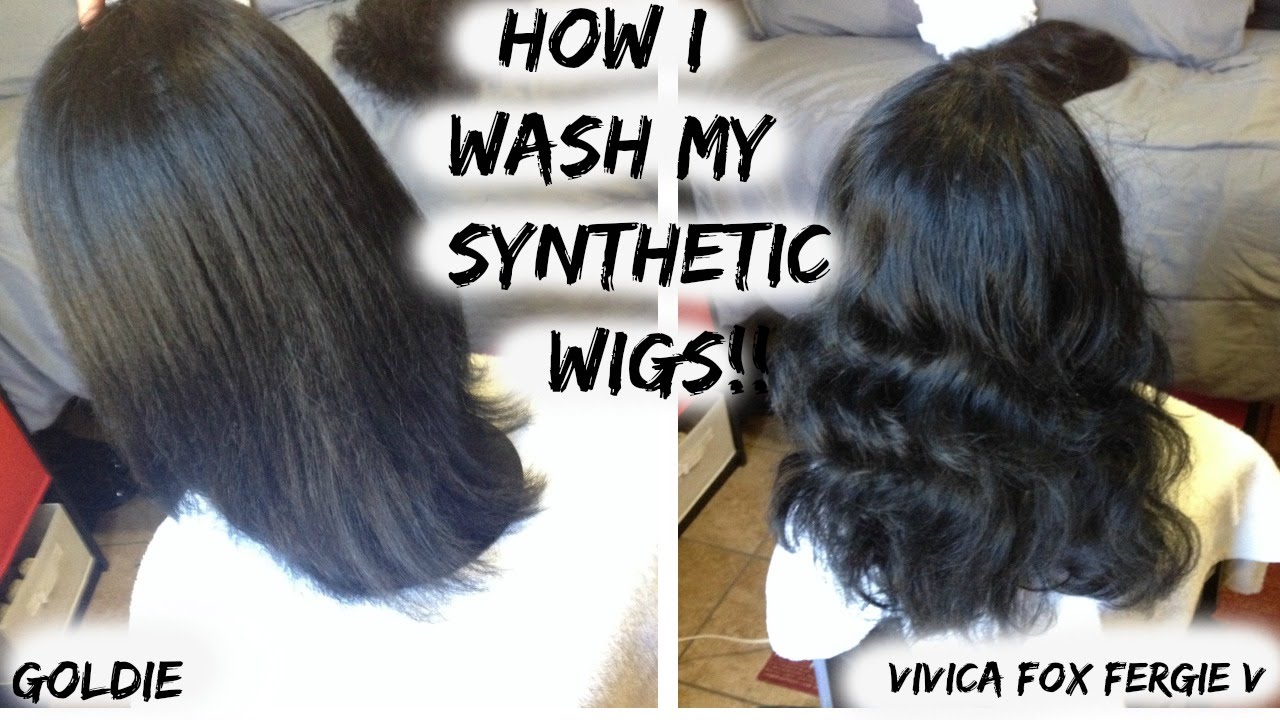
Washing and conditioning synthetic hair
Washing is the single biggest step in how to take care of synthetic hair. Do it right and you preserve shine and style.
How often to wash
- Wear daily: wash every 8–10 wears.
- Occasional wear: wash every 15–20 wears.
- If exposed to smoke, heavy product, or sweat, wash sooner.
Step-by-step wash
- Fill a basin with cool water. Hot water damages fibers.
- Add a small amount of synthetic-safe shampoo. Swirl to mix.
- Submerge the piece and gently swish for 1–2 minutes. Do not rub or twist.
- Rinse in cool water until clear.
Conditioning
- Apply a synthetic-safe conditioner or detangler to the mid-lengths and ends. Avoid the roots or base to prevent loosening of knots.
- Let sit 3–5 minutes, then rinse gently with cool water.
- Pat dry with a towel. Never wring.
Drying and reshaping
* Place on a wig stand or mannequin head to air dry. Reshape the style while damp.
- Do not use a blow dryer unless the fiber is explicitly heat-resistant and the dryer is set very low.
Following these steps is central to learning how to take care of synthetic hair. Proper washing keeps fibers aligned and reduces static and frizz.

Styling synthetic hair safely
Styling rules differ from human hair. Respect the fiber limits and you’ll avoid major damage.
- Use products made for synthetic hair: leave-in sprays, detanglers, and heat protectants for heat-friendly fibers.
- For non-heat fibers: use steam or cold-setting rollers to reshape. Many synthetic wigs hold curl from cold rollers overnight.
- For heat-resistant fibers: test a small section first. Use the lowest effective temperature and short bursts only.
- Avoid heavy oils and alcohol-heavy sprays. Oils can weigh fibers down; alcohol dries them out.
I once melted a favorite wig by using a curling iron too hot. Since then, I always test and keep heat low. This is essential advice for how to take care of synthetic hair.

Storage and travel tips to prolong life
How you store synthetic hair strongly affects longevity.
- Store on a wig stand for everyday use to keep shape.
- For travel, gently braid long pieces or place them in a silk-lined wig box to prevent crushing.
- Keep away from humidity and direct sunlight to avoid color fade.
- Use a breathable bag for short-term storage; avoid plastic for long-term storage as it traps moisture.
Good storage prevents tangles and preserves style memory. I travel often with wigs; I swear by a hard-shell case and a bit of tissue in the cap to keep form.

Common problems and quick fixes
Knowing common issues and fixes makes care easy.
- Matting at the nape: Gently finger-detangle, use a wide-tooth comb, and apply detangler. If severe, trim the matted area.
- Frizz or fuzz: Use a tiny amount of silicone-free serum or a synthetic fiber balm to smooth strands.
- Loss of shine: Wash with a clarifying synthetic shampoo, then use a conditioning spray to restore luster.
- Strange odor: Soak in water with a small splash of vinegar before shampooing; air-dry outside if possible.
These are practical fixes I’ve used in the salon when clients bring in worn wigs. They work well when applied carefully.

Repair, maintenance, and when to replace
Minor repairs can lengthen lifespan. Major damage often means replacement.
- Loose wefts: Reseam with a strong needle and thread or visit a wig tech.
- Thinning fibers: Add volume with gentle backcombing at the roots, or layer with a clip-in extension.
- Broken fibers: Trim split ends to prevent further fray.
Replace a wig if:
- The base is damaged beyond repair.
- The style no longer holds even after proper care.
- Shedding is heavy and persistent.
Knowing when to repair and when to replace is part of mastering how to take care of synthetic hair. Repairs are worth it for high-value pieces; cheap wigs are often more cost-effective to replace.

Products to use and avoid
Choosing the right products keeps synthetic pieces healthy.
Use
- Shampoos and conditioners labeled for synthetic hair.
- Leave-in detanglers and conditioning sprays.
- Silicone-based serums sparingly for smoothing heat-friendly fibers.
Avoid
- Regular human-hair styling products that contain alcohol or oils.
- High-heat tools on non-heat fibers.
- Heavy waxes and gels that build up and attract dirt.
I recommend testing any new product on a small section first. Product choice is a key part of how to take care of synthetic hair.
PAA-style questions (short answers)
What temperature is safe for heat-resistant synthetic hair?
- Use the lowest heat setting recommended by the manufacturer, usually below 300°F, and test a hidden strand first.
Can I dye synthetic hair?
- Most synthetic fibers cannot be dyed with standard hair color. Specialty dyes exist, but results are limited and risky.
How long does synthetic hair typically last?
- Lifespan depends on use and care. With good maintenance, a high-quality synthetic wig can last 6–12 months with regular wear.
Does sweat damage synthetic hair?
- Sweat can attract oils and buildup that dull fibers. Rinse and wash sooner if you wear the piece during heavy activity.
Can I wear synthetic hair in rain?
- Light rain is usually fine, but avoid heavy wetting and wind which can tangle and deform styles.
Frequently Asked Questions of how to take care of synthetic hair
How often should I wash a synthetic wig?
Wash a synthetic wig every 8–15 wears depending on use and product build-up. Wash sooner if exposed to smoke, sweat, or strong odors.
Can I brush synthetic hair when it's wet?
Avoid brushing when wet; fibers are weaker. Instead, detangle gently with fingers or a wide-tooth comb when mostly dry.
Is it okay to sleep with a synthetic wig on?
Sleeping in a wig causes tangles and matting. Remove it before bed to protect the cap and fibers.
Which brush is best for synthetic hair?
Use a wide-tooth comb or a brush designed for wigs with soft, widely spaced bristles. Start at the ends and work up.
How do I remove heavy product build-up from synthetic hair?
Use a clarifying synthetic shampoo and soak briefly in cool water. Repeat if necessary, and finish with a conditioning spray.
Can I trim my own synthetic hair?
You can trim split ends and minor shaping at home, but for major restyling have a professional cut the piece.
How do I revive a flattened synthetic wig?
Steam lightly or use foam rollers to reset the shape. For non-heat fibers, try cold rollers or a reshaping on a wig stand.
Conclusion
Taking care of synthetic hair is a mix of gentle habits, the right products, and respectful styling. Treat your pieces like delicate fabric: detangle with care, wash in cool water, avoid unnecessary heat, and store them properly. Start small — add a five-minute detangle and a proper storage routine — and you’ll see big improvements in longevity and look.
Try one change this week: choose a synthetic-safe shampoo and give your piece a proper wash and reshape. If you found these tips helpful, share your experience below, subscribe for more guides, or ask a question so I can help with your specific hair type.