
How to take care of skin after 50: cleanse gently, moisturize daily, protect from sun, and treat changes with patience.
Skin after 50 often feels drier, thinner, and more sensitive because collagen, oil production, and natural repair slow with age. The good news is that a simple, steady routine can support the skin barrier, soften rough texture, and help prevent further sun damage. This guide explains how to take care of skin after 50 using proven habits, practical product tips, and advice that fits real life.
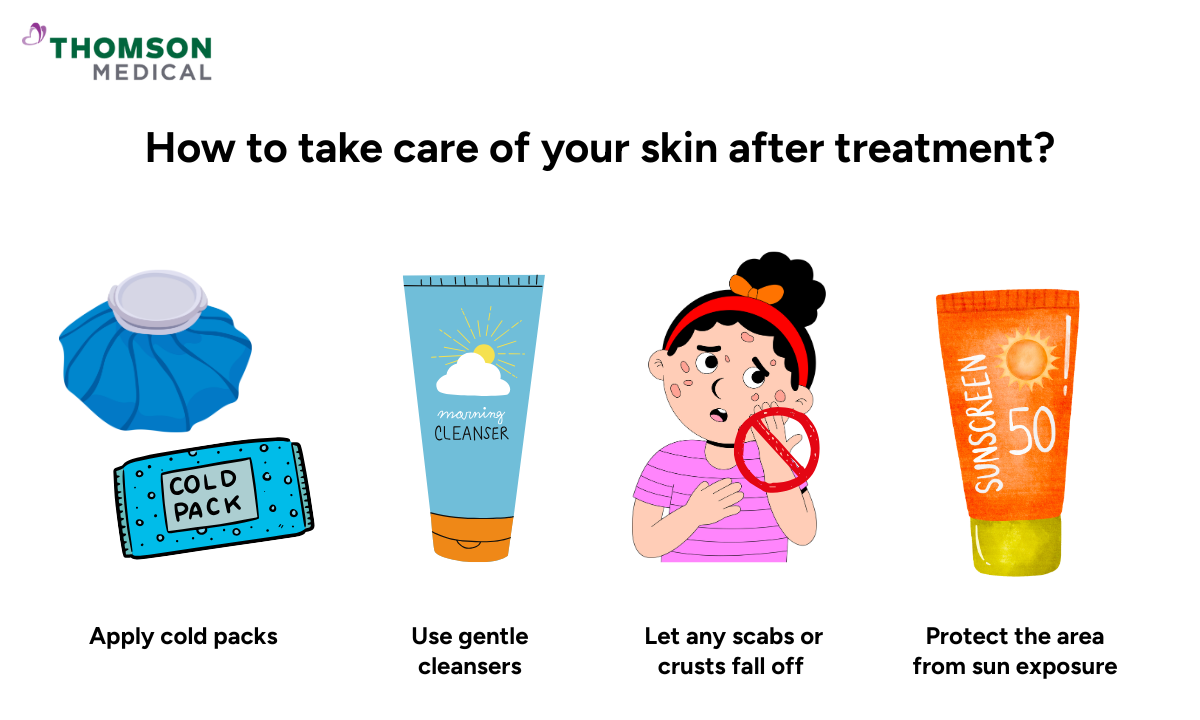
Why skin changes after 50
Aging skin does not suddenly become unhealthy. It simply needs different care. Estrogen changes, slower cell turnover, reduced oil production, and years of sun exposure can all affect its look and feel.
Common changes include:
• Dryness and tightness after washing
• Fine lines and deeper wrinkles
• Brown spots and uneven skin tone
• Less firmness around the cheeks, jaw, and neck
• Greater sensitivity to fragrance and harsh products
• Slower healing from cuts, burns, or irritation
• More visible redness or broken blood vessels
Collagen and elastin give skin its structure and stretch. With age, the body makes less of both. The outer skin barrier can also lose water more easily, much like a wall with small gaps that lets warm air escape.
Hormonal changes can make this process more noticeable, especially during and after menopause. The American Academy of Dermatology advises older adults to focus on gentle cleansing, regular moisturizing, and daily sun protection.
Learning how to take care of skin after 50 begins with accepting these changes rather than fighting them with a crowded shelf of products. Healthy skin is not perfectly smooth skin. It is comfortable, protected, and cared for consistently.

The best skin care routine after 50
A good routine does not need ten steps. Most people can build an effective plan around cleansing, moisturizing, sun protection, and one carefully chosen treatment.
Morning routine
Start the day with simple protection.
- Cleanse with lukewarm water and a mild, fragrance-free cleanser.
- Apply a hydrating serum if your skin enjoys one.
- Use a moisturizer suited to your skin type.
- Finish with broad-spectrum sunscreen rated SPF 30 or higher.
- Add a lip balm with sunscreen when spending time outdoors.
You may not need a cleanser in the morning if your skin is very dry. Rinsing with water can be enough, especially if you cleansed well the night before.
Evening routine
Night care helps reduce irritation and supports the skin barrier.
- Remove makeup and sunscreen gently.
- Wash with a creamy or low-foam cleanser.
- Apply a treatment product, if needed.
- Seal in moisture with a rich cream.
- Add petroleum jelly to very dry areas, such as the lips or corners of the nose.
Introduce only one new product at a time. This makes it easier to see what helps and what causes a reaction.
The most important lesson in how to take care of skin after 50 is consistency. A modest routine used every day usually works better than a powerful routine used once a week.

How to cleanse mature skin without drying it
Cleansing removes sweat, makeup, pollution, and sunscreen. However, harsh cleansing can strip protective oils and worsen dryness.
Choose a cleanser labeled:
• Fragrance-free
• Gentle
• Cream-based or lotion-based
• For sensitive or dry skin
• Non-comedogenic if you are prone to clogged pores
Avoid very hot water, rough washcloths, facial brushes, and strong scrubs. Use your fingertips and rinse well. Pat your face dry instead of rubbing it.
A common mistake is washing the face several times a day. Unless you sweat heavily or work around dirt, once at night and perhaps once in the morning is usually enough.
Physical scrubs can create tiny areas of irritation. If you want exfoliation, a mild chemical option may be safer, but start slowly. Lactic acid is often gentler than stronger acids, while salicylic acid can help oily or congested areas.
Do not exfoliate cracked, burning, sunburned, or inflamed skin. Healthy skin should feel calm after cleansing, not tight or squeaky. That tight feeling is often a warning that the cleanser is too harsh.

Moisturizing after 50: ingredients that help
Moisturizer is one of the most useful products in any plan for how to take care of skin after 50. It reduces water loss and helps the outer barrier work better.
Look for ingredients with clear benefits:
• Ceramides help restore the skin barrier.
• Glycerin draws water into the outer skin layer.
• Hyaluronic acid helps hold water near the skin surface.
• Petrolatum reduces water loss.
• Squalane softens dry skin without a heavy feel.
• Shea butter adds comfort to very dry areas.
• Urea can help rough, thick skin when used in suitable strengths.
Apply moisturizer while the skin is still slightly damp. This helps trap water. Use a light lotion on the face if you dislike a heavy feel, and choose a thicker cream for the neck, hands, elbows, and legs.
Many people focus on the face and forget the hands. Hands show sun exposure and dryness quickly, so apply hand cream after washing. Keep a tube near the sink, desk, or bedside table.
If a moisturizer stings, stop using it. A damaged skin barrier may react even to normally gentle ingredients. Choose a shorter ingredient list and avoid fragrance until the skin settles.

Sun protection is the most important anti-aging step
Daily sun protection is central to how to take care of skin after 50. Ultraviolet radiation contributes to wrinkles, brown spots, rough texture, and skin cancer. It can also worsen uneven pigmentation.
Use a broad-spectrum sunscreen with SPF 30 or higher. Apply it to the face, ears, neck, chest, and hands. Most adults need about one ounce for exposed body areas, or enough sunscreen to fill a shot glass. For the face and neck, many people use the two-finger method: a line of sunscreen along the index and middle fingers.
Reapply every two hours when outdoors, and sooner after swimming or heavy sweating. Sunscreen works best when combined with:
• A wide-brimmed hat
• Sunglasses that block ultraviolet rays
• Long sleeves or tightly woven clothing
• Shade during the strongest midday sun
• Avoiding tanning beds
Mineral sunscreens contain zinc oxide or titanium dioxide and may suit sensitive skin. Chemical sunscreens can feel lighter and blend more easily. Neither type is automatically best for everyone. The best sunscreen is one you will use correctly and often.
Never use tanning beds to “build a base tan.” A tan is a sign of skin injury, not skin health. Also remember that sunscreen does not make unlimited sun exposure safe.

Treatments for wrinkles, spots, and uneven texture
After building a gentle base routine, you may add one treatment. More products do not always mean better results.
Retinoids
Retinoids, including retinol and prescription tretinoin, can support collagen production and improve fine lines, uneven tone, and rough texture. They are among the best-studied topical ingredients for photoaged skin.
Begin with a low-strength retinol two nights per week. Use a small amount on dry skin, followed by moisturizer. Increase slowly if your skin stays comfortable.
Possible side effects include:
• Dryness
• Redness
• Peeling
• Burning
• Increased sensitivity to other products
Avoid applying retinoids to the corners of the nose, lips, eyelids, or broken skin at first. Pregnant people should ask a health professional before using retinoids.
Vitamin C
Vitamin C may help support brighter, more even-looking skin and protect against free-radical damage when used with sunscreen. A stable product with a moderate concentration may be easier to tolerate than a very strong formula.
Store vitamin C as directed. Some formulas darken or change color as they break down.
Azelaic acid
Azelaic acid can help with uneven tone, redness, and blemishes. It is often a useful option for sensitive skin, though irritation is still possible.
Exfoliating acids
Lactic acid, glycolic acid, and salicylic acid can improve roughness or clogged pores. Use them sparingly. Do not combine several strong treatments at once, especially when beginning a retinoid.
The safest approach to how to take care of skin after 50 is to add one active ingredient, wait several weeks, and judge the results calmly. Skin needs time. Quick fixes often create long-lasting irritation.

Caring for sensitive, dry, and thinning skin
Older skin can become more reactive. This does not mean you must avoid all active ingredients. It means you should use them with more care.
Try these habits:
• Patch-test a new product on the inner arm or behind the ear.
• Wait 24 to 48 hours before applying it widely.
• Choose fragrance-free products instead of products labeled only “unscented.”
• Avoid essential oils on the face if you have sensitive skin.
• Stop a product that causes swelling, blistering, or intense burning.
• Use a humidifier during dry winter months.
• Wear gloves when using strong household cleaners.
Thin skin on the arms and hands can bruise more easily. Protect it from sharp edges, rough tools, and excessive sun. Do not assume every bruise is harmless, though. Frequent unexplained bruising deserves medical attention, especially if you take blood-thinning medicine.
Aging skin may also develop small cuts that heal slowly. Keep wounds clean and covered with a suitable dressing. Seek medical care if you notice spreading redness, warmth, pus, worsening pain, or fever.
Skin care for the neck, chest, and hands
The face often receives the most attention, but the neck, chest, and hands show sun exposure too. Extend cleanser, moisturizer, and sunscreen beyond the jawline.
The chest can be especially sensitive. Avoid aggressive scrubbing and strong treatments there. Apply moisturizer after bathing and use sunscreen whenever the area is exposed.
For the hands:
• Apply broad-spectrum SPF 30 or higher each morning.
• Reapply after hand washing when possible.
• Use hand cream after every wash if the skin is dry.
• Wear gloves for gardening, cleaning, and cold weather.
• Consider a retinoid or prescription treatment only after professional advice.
Do not expect the neck and hands to change at the same speed as the face. These areas may need gentler products and more patience.
One practical lesson from years of reviewing skin care routines is that people often buy expensive face products but skip sunscreen on their hands. A simple hand cream and daily sunscreen can make a larger difference than another luxury serum.

Lifestyle habits that support healthy skin
Skin care products help, but daily habits also matter. They cannot stop aging, yet they can support comfort, healing, and overall health.
Eat a balanced diet
Include vegetables, fruit, beans, whole grains, nuts, seeds, eggs, fish, or other sources of protein. Protein supports tissue repair. Foods rich in vitamin C, such as citrus, berries, and peppers, help the body make collagen.
No food or supplement can erase wrinkles. Be cautious with products that promise dramatic skin changes. The Food and Drug Administration does not approve dietary supplements for safety and effectiveness before they reach the market in the same way it approves medicines.
Drink enough fluid
Drink according to thirst and your health needs. People with heart, kidney, or liver conditions may need specific fluid limits, so follow medical advice.
Sleep well
Poor sleep can make the skin look dull and may affect recovery. A regular sleep schedule supports the whole body, including the skin.
Avoid smoking
Smoking reduces blood flow and damages collagen and elastin. Quitting can improve overall health at any age.
Move your body
Regular activity supports circulation, strength, mood, and heart health. Rinse sweat from the skin after exercise, but avoid harsh scrubbing.
These lifestyle steps form an important part of how to take care of skin after 50 because healthy skin reflects more than topical products.
When to see a dermatologist
A dermatologist can help you choose treatments based on your skin type, medical history, medications, and goals. Professional advice is especially useful if you have persistent redness, eczema, rosacea, acne, or severe dryness.
Make an appointment for any spot that:
• Changes in size, shape, or color
• Bleeds without a clear reason
• Crusts and returns
• Itches or hurts persistently
• Has an irregular border
• Looks different from your other spots
The ABCDE guide can help you remember warning signs of melanoma: asymmetry, border irregularity, varied color, diameter that is larger than a pencil eraser, and evolution or change. However, skin cancer can appear in many forms. A new or changing lesion should be checked even if it does not fit every letter.
Ask about a full skin exam if you have had significant sun exposure, tanning bed use, previous skin cancer, many moles, or a family history of melanoma.
Common mistakes to avoid after 50
Good intentions can sometimes harm the skin. Avoid these common errors:
• Using hot water because it feels soothing at first
• Scrubbing away flaking skin
• Starting multiple active ingredients together
• Skipping sunscreen on cloudy days
• Applying a strong retinoid every night from the start
• Using fragrance to make a product smell pleasant
• Expecting visible results within a few days
• Treating every brown spot at home without a diagnosis
• Copying a routine designed for younger, oilier skin
• Ignoring burning, swelling, or ongoing redness
A helpful rule is to change one thing at a time. Keep notes if your skin is reactive. Write down the product, date, and any symptoms. This small step can prevent months of confusion.
Patience matters. Moisturizers may improve comfort within days, but treatments for fine lines or uneven tone often need eight to twelve weeks. Sun protection works from the first use, but its visible benefits build over time.
A simple weekly plan
Use this schedule as a starting point, then adjust it for your skin.
Every morning
• Gentle cleanse or rinse
• Moisturizer
• Broad-spectrum SPF 30 or higher
• Hat and protective clothing when outdoors
Every evening
• Remove makeup and sunscreen
• Gentle cleanse
• Moisturizer
• Treatment product only if your skin tolerates it
One or two nights each week
• Use a retinol or mild exfoliant, but not both on the same night
• Follow with a rich moisturizer
• Reduce use if dryness or irritation appears
Once each month
• Check your skin for new or changing spots
• Replace old sunscreen or products with changed smell or texture
• Review whether your routine still suits your skin
This steady plan shows how to take care of skin after 50 without turning skin care into a demanding chore.
Frequently Asked Questions About How to Take Care of Skin After 50
What is the most important skin care step after 50?
Daily broad-spectrum sunscreen with SPF 30 or higher is the most important step. It helps reduce additional sun damage, uneven pigmentation, wrinkles, and skin cancer risk.
How often should someone over 50 exfoliate?
Many people need exfoliation only once a week, while sensitive or very dry skin may need none. Stop if you notice burning, redness, cracking, or increased tightness.
Is retinol safe for mature skin?
Retinol can be useful for fine lines, uneven tone, and rough texture when introduced slowly. Use a low strength, apply it a few nights per week, moisturize well, and ask a dermatologist if you have sensitive skin or a medical condition.
Should people over 50 use a different moisturizer?
Often, yes. Mature skin may benefit from a richer, fragrance-free cream with ceramides, glycerin, hyaluronic acid, or petrolatum. The best choice depends on whether your skin is dry, oily, sensitive, or prone to acne.
Can skin care remove deep wrinkles?
Skin care can soften the look of fine lines and improve texture, but it cannot remove deep wrinkles completely. Prescription treatments, chemical peels, lasers, fillers, or surgery may provide stronger results and require professional guidance.
How can someone fade age spots safely?
Daily sunscreen is essential, because ultraviolet exposure can darken spots again. Ingredients such as vitamin C, retinoids, azelaic acid, or hydroquinone may help, but a dermatologist should assess new or changing spots before treatment.
Why does skin itch more after 50?
Dryness, eczema, medications, allergies, and other health conditions can cause itching. Moisturize often and seek medical advice if itching is severe, widespread, persistent, or linked with a rash or other symptoms.
Conclusion
Taking care of skin after 50 is less about chasing perfect skin and more about protecting, soothing, and supporting the skin you have. Cleanse gently, moisturize often, use sunscreen every day, introduce treatments slowly, and check new or changing spots with a dermatologist.
Start with three habits this week: apply SPF 30 or higher each morning, moisturize after cleansing, and stop using any product that burns or irritates your skin. Keep the routine simple, give it time, and explore trusted dermatology resources for advice that matches your needs.
