
To learn how to take care of curly hair woman, focus on gentle cleansing, deep moisture, careful styling, and protection.
Curly hair needs a thoughtful routine because each bend can make it harder for natural oils to travel from the scalp to the ends. As a result, curls may feel dry, lose shape, or become frizzy even when the hair is healthy. This guide explains how to take care of curly hair woman with simple steps, product advice, science-based tips, and practical lessons that work for loose waves, springy curls, and tight coils.
Understand what curly hair needs
Curly hair is shaped by the curve of the hair follicle and the pattern of the hair strand. The more twists and bends the hair has, the more difficult it can be for scalp oil to move down the length. This is one reason curly hair often needs more moisture than straight hair.
Learning how to take care of curly hair woman starts with knowing your own hair. Hair pattern matters, but it is not the only factor. Porosity, strand thickness, density, scalp health, and chemical treatments also affect the best routine.
Look at these features:
• Hair pattern: Your hair may range from loose waves to tight coils. Many women have more than one pattern on their head.
• Strand thickness: Fine strands can become weighed down by heavy creams. Thick strands may need richer conditioners.
• Density: Dense hair may need more time for water and products to reach every section.
• Porosity: Low-porosity hair may resist moisture. High-porosity hair may absorb water quickly but lose it just as fast.
• Scalp condition: Itching, flakes, redness, or heavy buildup may need attention from a dermatologist.
Your goal is not to force every curl into the same shape. Healthy curls should feel soft, flexible, and comfortable at the scalp. Perfect definition is optional.

Create a simple curly hair routine
A good routine does not need ten products. It needs the right order and consistent habits. For many women, the basic routine includes cleansing, conditioning, detangling, styling, drying, and protecting the hair at night.
Here is a simple routine for how to take care of curly hair woman:
Wet the hair fully with lukewarm water.
Clean the scalp with a gentle shampoo or cleansing conditioner.
Apply conditioner from the middle of the hair to the ends.
Detangle while the conditioner is in the hair.
Rinse, leaving a small amount of conditioner if your hair feels dry.
Apply a leave-in conditioner or curl cream to wet hair.
Add gel or mousse if you need stronger hold.
Dry with a diffuser on low heat or let the hair air-dry.
Protect the curls while sleeping.
Start with this routine for several weeks. Change one product at a time so you can see what helps. Changing everything at once makes it hard to find the cause of dryness, flakes, or limp curls.
The best routine is one you can repeat. A simple routine used well will usually beat a complex routine used only once a month.
Wash curly hair without drying it out
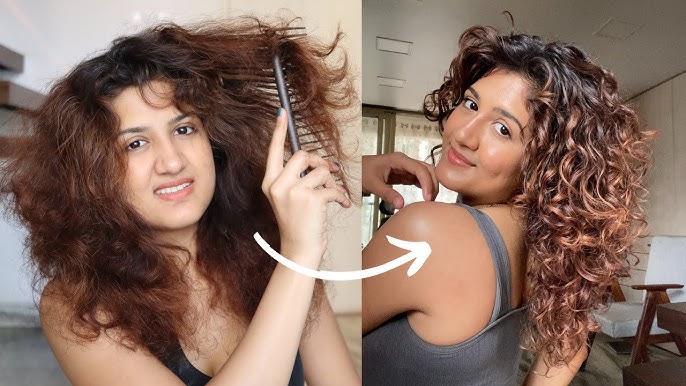
Washing is a key part of how to take care of curly hair woman. Dirt, sweat, oil, styling products, and pollution can collect on the scalp. However, harsh washing or very hot water can leave curls rough and dry.
Choose a cleanser based on your scalp, not only your curl pattern. If your scalp becomes oily, you may need to wash more often. If your scalp is dry and your hair is coarse, you may prefer a gentler cleanser and fewer wash days.
Try these washing tips:
• Wet the hair completely before applying shampoo.
• Massage shampoo into the scalp with your fingertips, not your nails.
• Let the foam move through the lengths as you rinse.
• Avoid rough scrubbing of the ends.
• Use lukewarm water instead of very hot water.
• Clarify when you notice heavy buildup, dullness, or curls that will not form.
There is no universal rule for how often to wash curly hair. Some women wash two or three times each week. Others wash once a week or more often after exercise. Your scalp comfort is a better guide than a calendar.
If you use a lot of gel, wax, oil, or silicone-rich products, occasional clarifying may help. Do not clarify too often, because repeated deep cleansing can strip the hair and increase dryness.

Condition and add moisture
Conditioner helps reduce friction, soften the hair, and make detangling easier. This is central to how to take care of curly hair woman because curls can knot where the strands bend and rub together.
Apply conditioner in sections if your hair is thick or dense. Use your fingers or a wide-tooth comb to spread it from the ends upward. Let the conditioner sit for a few minutes before rinsing.
Deep conditioning can help hair that feels dry, rough, or brittle. A deep conditioner usually works best once every one or two weeks, but the right schedule depends on your hair.
Use moisture when your hair feels:
• Dry shortly after washing
• Rough when you touch it
• Frizzy and difficult to shape
• Hard to detangle
• Dull and less flexible
Hair also needs strength. If curls feel mushy, overly soft, or weak after being wet, a protein treatment may help. Protein is not a cure for every problem, and too much can make hair stiff. Use it carefully and stop if your hair becomes hard or brittle.
A useful lesson in how to take care of curly hair woman is to watch the hair, not the label. “Moisture,” “repair,” and “curl” claims can be helpful, but your hair’s response matters more than marketing language.

Detangle curls with less breakage
Detangling dry curly hair often causes pulling, snapping, and unnecessary frizz. For most curl patterns, detangling when the hair is wet and coated with conditioner is gentler.
Divide the hair into four to eight sections. Work from the ends upward. Hold the hair near the roots to reduce tension on the scalp, then slowly loosen knots below your fingers.
You can use:
• Your fingers for maximum control
• A wide-tooth comb for thick or dense hair
• A flexible detangling brush when the hair has enough slip
Avoid forcing a comb through a knot. Add more conditioner or water and loosen the knot in small pieces. If a section is badly matted, a professional stylist may prevent more damage than trying to remove it quickly at home.
How to take care of curly hair woman also includes gentle handling outside wash day. Do not repeatedly brush dry curls unless you want a stretched or fluffy look. Instead, refresh them with water, leave-in conditioner, or a small amount of styling foam.
Choose products for your curl needs
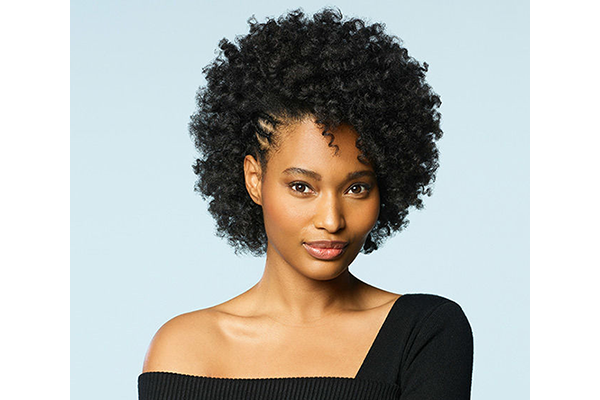
Product choice depends on your hair, climate, and desired style. A light mousse may suit fine waves, while a rich cream may suit thick coils. Neither product is automatically better.
Look for these product types:
• Cleanser: Removes sweat, oil, and buildup from the scalp.
• Rinse-out conditioner: Adds slip and softness during washing.
• Leave-in conditioner: Helps with moisture and daily styling.
• Curl cream: Adds softness, shape, and light control.
• Gel: Helps hold curl shape and reduce frizz as the hair dries.
• Mousse or foam: Adds volume and light definition.
• Oil or serum: Helps smooth the surface, but does not replace water-based moisture.
Apply products to soaking-wet or very damp hair if you want clumped curls. Use less product near the roots if your hair becomes flat. Scrunch upward to encourage the curl pattern, then avoid touching the hair while it dries.
A small amount of gel may form a firm cast. This is not damage. Once the hair is fully dry, gently squeeze the curls to soften the cast. This process is often called scrunching out the crunch.
Read labels if your scalp is sensitive. Fragrance, essential oils, preservatives, and some botanical ingredients can irritate certain people. Patch testing a new product on a small area can reduce the risk of a strong reaction.

Dry curly hair gently
Drying can change the final look as much as the products you use. Regular bath towels create friction and can separate curl clumps. A cotton T-shirt or microfiber towel is often gentler.
Try these drying methods:
• Plopping: Place wet curls into a soft T-shirt for a short time to reduce dripping and support curl shape.
• Air-drying: Let the hair dry without touching it. This often gives soft results but may take hours.
• Diffusing: Use a diffuser on low or medium heat and low airflow. Move it gently around the head.
• Root clipping: Place small clips at the roots to add lift while the hair dries.
Do not go to bed with soaking-wet hair on a regular basis. Constant dampness around the scalp may increase discomfort and can make the hair more prone to tangling. If you must sleep before it is fully dry, use low heat first and keep the roots as dry as possible.
Heat is not forbidden, but frequent high heat can contribute to dryness and damage. Apply a heat protectant and keep the tool moving rather than holding it in one place.

Protect curls while sleeping
Night care is an important part of how to take care of curly hair woman. Cotton pillowcases can create friction that lifts the cuticle, disturbs curl shape, and increases tangles.
Consider these options:
• Sleep on a satin or silk pillowcase.
• Wear a satin bonnet that fits comfortably.
• Gather long hair loosely on top of the head in a “pineapple.”
• Use a soft scrunchie instead of a tight elastic.
• Put shorter curls into a loose satin scarf.
Do not tie curly hair tightly every night. Repeated tension may contribute to breakage around the hairline. Change the position of your ponytail or bun and give the scalp regular breaks.
In the morning, refresh only the areas that need help. Spray water onto your hands, smooth a little leave-in conditioner over frizzy sections, and reshape the curls with your fingers. Soaking the entire head each day may cause unnecessary manipulation.

Manage frizz, dryness, and shrinkage
Frizz is not always a sign of unhealthy hair. It can come from humidity, new growth, breakage, uneven curl patterns, or natural texture. A realistic goal is controlled frizz, not a completely smooth head.
Humidity causes hair to take in water from the air. This can make curls expand and lose their shape. A strong-hold gel, gentle drying, and reduced touching may help in humid weather.
Shrinkage is also normal, especially with tight curls and coils. It happens when the hair contracts as it dries. You can stretch the hair with banding, twists, braids, or a gentle blow-dry method, but avoid high heat and strong tension.
If your hair feels dry, review these habits:
• Are you washing with a harsh cleanser?
• Are you skipping conditioner?
• Are you using too much heat?
• Are you brushing dry curls?
• Are you sleeping on rough fabric?
• Are you using protein too often?
Learning how to take care of curly hair woman means accepting that some frizz, shrinkage, and uneven curls are part of natural texture. The goal is strong, comfortable hair, not a filtered image.
Care for the scalp and hairline
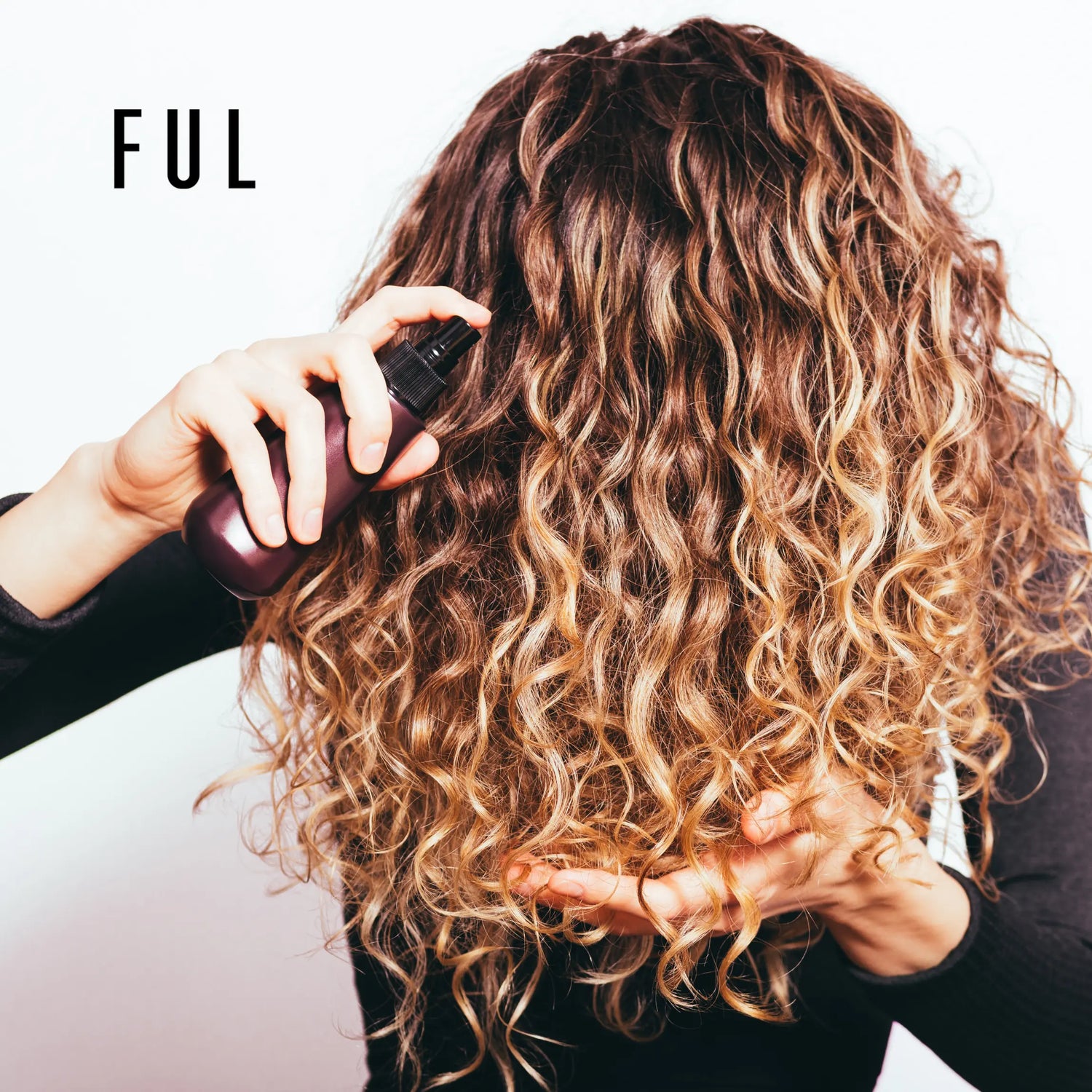
A healthy scalp supports healthy hair growth. Wash the scalp well enough to remove sweat and buildup, but do not scratch aggressively. Keep heavy oils, edge control, and thick creams from sitting on the scalp for long periods if they cause itching or bumps.
Tight styles can place stress on the hairline. Frequent tight ponytails, braids, extensions, or slicked-back styles may cause traction-related hair loss. Early signs can include soreness, broken hairs, thinning edges, or small bumps.
Protect the hairline by:
• Choosing loose styles when possible
• Rotating your part
• Avoiding tight extensions
• Removing styles that cause pain
• Giving your scalp rest between protective styles
• Being gentle when applying edge products
See a board-certified dermatologist if you have sudden shedding, bald spots, severe itching, thick scaling, pain, or ongoing scalp redness. Hair loss has many causes, including genetics, illness, stress, nutrition problems, medication, and hormonal changes. Home products cannot diagnose or treat every cause.
Trim and maintain curly hair
Trimming does not make hair grow faster. Growth happens at the scalp, while trimming removes damaged or split ends. Still, regular trims can help curls look fuller and reduce tangling.
The right schedule varies. Some women trim every eight to twelve weeks. Others wait longer if the ends remain healthy. Watch for:
• Split ends
• White dots on the ends
• Rough or thin tips
• Knots that form again and again
• Uneven curl shape caused by damage
Curly hair is often best trimmed by someone who understands textured hair. Some stylists cut curls dry so they can see the natural shape. Others cut wet for evenness. Both methods can work when the stylist has the right training and communicates clearly.
Bring photos of the length and shape you want. Also explain how you wear your hair most days. A cut that looks great stretched may behave differently when it returns to its natural curl pattern.
Avoid common curly hair mistakes
Many curly hair problems come from small habits rather than one bad product. The most common mistake is treating all curly hair the same. Fine waves and dense coils may need very different amounts of cleanser, conditioner, and styling product.
Avoid these habits:
• Brushing curls roughly when dry
• Using very hot water
• Applying heavy oils to the scalp without a clear reason
• Sleeping with loose, wet hair on rough fabric
• Using high heat every day
• Changing products too often
• Wearing tight styles for long periods
• Ignoring scalp pain or sudden hair loss
• Applying more product before checking whether the first layer has dried
A practical lesson in how to take care of curly hair woman is to keep notes. Write down the products you use, how your hair feels, the weather, and how long your style lasts. This simple record can reveal patterns that are easy to miss.
Remember that social media routines may not show the full picture. Lighting, editing, hair density, professional styling, and genetics all affect the final result. Use online advice as inspiration, not as a diagnosis.
Adjust your routine for your lifestyle
The best routine must fit your real life. If you exercise often, wash or rinse your scalp as needed. Sweat and salt can cause discomfort when left on the scalp. If you swim, wet the hair with clean water first and use a swim cap when possible.
Before swimming:
• Saturate the hair with clean water.
• Apply a small amount of conditioner if it suits your hair.
• Wear a well-fitting swim cap.
• Rinse soon after swimming.
• Use a gentle cleanser when needed.
Color-treated or chemically relaxed hair may need extra care. Chemical services can change porosity and make the hair more fragile. Use a professional stylist, follow aftercare instructions, and reduce heat when the hair feels weak.
Hormonal shifts, pregnancy, postpartum changes, illness, and stress can also affect shedding and texture. These changes are not always caused by a product. Speak with a health professional when shedding is heavy, sudden, or persistent.
There is no single perfect answer to how to take care of curly hair woman. A routine should change when your hair, scalp, climate, or lifestyle changes.
Frequently Asked Questions About How to Take Care of Curly Hair Woman
How often should a woman wash curly hair?
Wash curly hair when the scalp feels oily, sweaty, itchy, or coated with buildup. This may mean several times a week for some women and once a week for others.
Should curly hair be brushed every day?
Most curly hair does not need daily brushing. Detangle it when wet with conditioner, using your fingers, a wide-tooth comb, or a gentle detangling brush.
Is oil enough to moisturize curly hair?
Oil can help smooth hair and reduce friction, but it does not provide water-based moisture by itself. Apply it lightly over damp hair or a leave-in product if your hair responds well to it.
How can I reduce frizz in curly hair?
Use enough water and conditioner, apply a hold product, dry the hair gently, and avoid touching it until it is fully dry. Some frizz is normal and does not mean the hair is damaged.
How do I know if my curls need protein?
Hair that feels weak, overly soft, or does not hold its shape may benefit from occasional protein. If it feels stiff, rough, or brittle after treatment, stop using protein and focus on gentle moisture.
Can I sleep with wet curly hair?
Occasionally sleeping with damp hair may not cause a problem, but regular wet sleeping can increase tangles and scalp discomfort. Dry the roots when possible and use a satin or silk covering.
What is the best way to take care of curly hair woman with a sensitive scalp?
Use gentle, fragrance-free products when possible and avoid tight styles, harsh scratching, and heavy buildup. See a dermatologist for persistent itching, flaking, redness, pain, or hair loss.
Conclusion
Learning how to take care of curly hair woman is about building a gentle routine that matches your curl pattern, strand needs, scalp, and daily life. Cleanse the scalp without stripping it, condition well, detangle with care, style on wet hair, dry gently, protect curls at night, and trim damaged ends when needed.
Start with one or two changes this week instead of replacing every product at once. Pay attention to how your hair feels, keep your scalp comfortable, and remember that healthy curls do not need to look perfect. Try the routine, adjust it with patience, and share your experience or explore more trusted hair-care resources.
