
Biracial hair needs gentle cleansing, regular moisture, careful detangling, and styling based on its unique texture.
Taking care of biracial hair starts with understanding that no single routine works for every person. Biracial hair may combine straight, wavy, curly, or coily patterns across one head, and it can change with age, weather, hormones, and styling. This guide explains how to take care of biracial hair with practical steps, product tips, common mistakes, and healthy routines that work for children and adults.

Understand biracial hair first
“Biracial hair” is a broad term. It does not describe one exact hair type. A person may have loose waves near the crown, tight curls at the sides, and coily strands at the nape.
Hair texture comes from the shape of the follicle, genetics, and the way each strand grows. Hair can also have different levels of thickness, porosity, density, and curl pattern. These traits matter more than race alone when building a hair care routine.
The best way to take care of biracial hair is to observe what the hair does after washing. Ask these simple questions:
• Does the hair feel dry after shampooing?
• Does it become oily within one or two days?
• Does it tangle most at the back of the head?
• Do curls lose shape when heavy products are used?
• Does the hair absorb water slowly or quickly?
• Does the scalp itch, flake, or feel sore?
These answers help you choose the right products and routine. Hair that feels rough may need more moisture. Hair that looks limp may need lighter products or less product buildup.
Remember that texture can vary on the same head. Treat each area with care instead of forcing every strand into one routine.

Build a simple washing routine
A good washing routine removes sweat, oil, dirt, and product buildup without stripping the hair. Many people with curly or coily biracial hair wash too often with harsh shampoo. Others avoid cleansing for too long, which can cause buildup and scalp irritation.
Most people can start by washing once or twice each week. Straight or fine sections may need more frequent washing. Very dry, curly, or coily hair may need less frequent shampooing. Your scalp, not a fixed schedule, should guide you.
Step 1: Detangle before washing
Separate the hair into four to eight sections. Use your fingers or a wide-tooth comb to remove large knots before the hair becomes fully wet. Start at the ends and slowly move toward the roots.
Do not pull a comb from the roots to the ends. That method pushes knots together and can cause breakage. If the hair is very tangled, apply a small amount of conditioner or detangling spray first.
Step 2: Clean the scalp
Apply shampoo mainly to the scalp. Massage with your fingertips, not your fingernails. The shampoo that runs down the hair is often enough to clean the lengths.
Choose a gentle, sulfate-free shampoo if the hair feels dry or brittle. Sulfates are not harmful for everyone, but some formulas can remove too much oil from textured hair. A clarifying shampoo may help once every few weeks if you use gels, oils, waxes, or creams often.
Step 3: Condition every wash
Apply conditioner from the middle of the hair to the ends. Add more to areas that tangle easily, such as the nape. Let it sit for a few minutes before rinsing.
For very dry hair, use a deep conditioner every one to four weeks. A deep conditioner can improve softness and reduce friction, but it cannot permanently repair split ends. Damaged ends need a trim.

Use moisture without causing buildup
Moisture is central to learning how to take care of biracial hair, especially when curls or coils are present. Curved strands have more bends, so natural scalp oil may not travel down the hair shaft as easily as it does on straight hair.
Still, more moisture is not always better. Too many creams, oils, and butters can leave hair heavy, dull, or sticky. Some people mistake product buildup for dryness and keep adding products. This can make the problem worse.
A simple moisture system includes:
• Water or a water-based leave-in conditioner
• A styling cream or curl lotion, if needed
• A small amount of gel for hold
• A light oil only if the hair responds well to it
This layering method is often called the liquid, oil, and cream method. It does not work for everyone. Fine or low-density hair may look greasy with oil, while thick, dry hair may benefit from a richer cream.
Try one new product at a time. Use it for at least two or three washes before deciding whether it works. Check how the hair feels the next day, not only how it looks right after styling.
Signs of too much moisture
Hair may be over-moisturized when it feels overly soft, limp, stretchy, or difficult to style. Reduce deep conditioning and use lighter products for a while.
Signs of too little moisture
Dry hair often feels rough, looks dull, tangles quickly, or breaks during detangling. Add water, conditioner, and gentler handling rather than simply adding more oil.
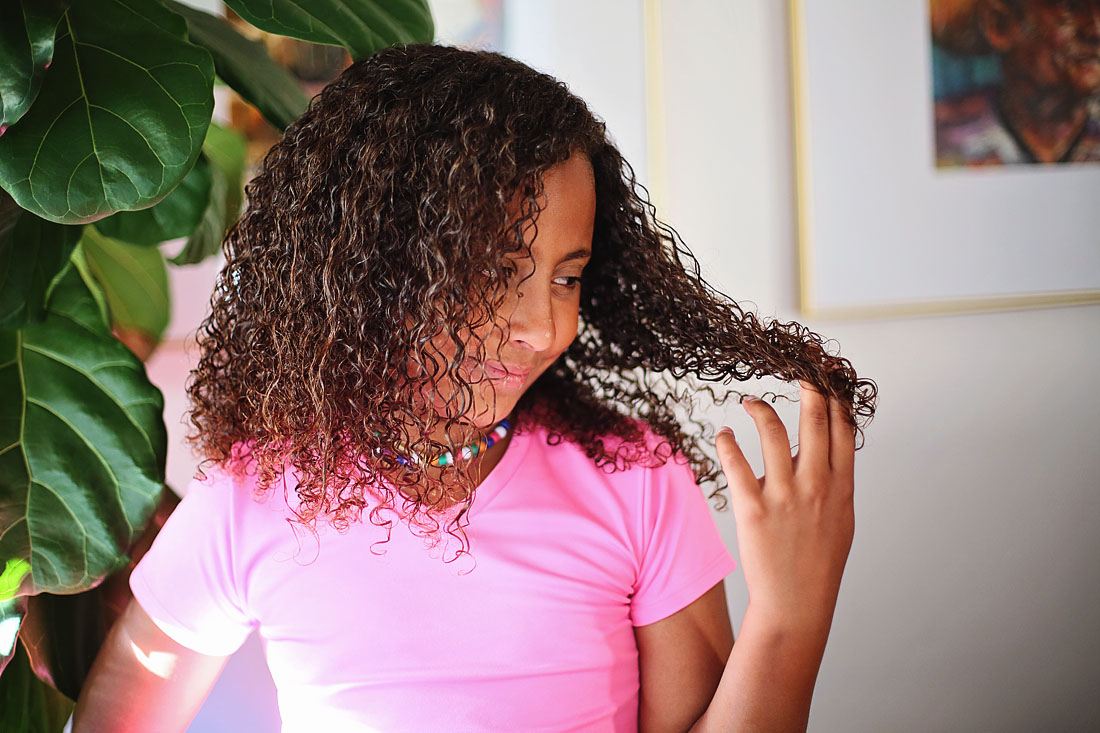
Detangle biracial hair with less breakage
Detangling is one of the most important parts of how to take care of biracial hair. Curly and coily strands can wrap around one another like vines. Force makes those vines snap, so patience matters.
Detangle when the hair is damp and coated with conditioner or detangler. Completely dry hair may frizz and break more easily, although some straight or wavy textures may prefer dry brushing. Learn what causes the least damage for your hair.
Follow these steps:
Divide the hair into manageable sections.
Hold each section near the roots to reduce pulling on the scalp.
Start at the ends with your fingers.
Remove small knots before using a wide-tooth comb.
Work upward in short movements.
Rinse or style each section before moving to the next one.
A flexible detangling brush can work well when used slowly. Avoid brushes with rough seams or sharp tips. Clean your combs and brushes often so they do not transfer old product and oil back onto freshly washed hair.
For children, make detangling calm and predictable. Use a spray bottle, a favorite show, or a simple reward. Pain during hair care can create fear, so stop when the child feels overwhelmed and return to the section later.

Choose products by texture and porosity
Product labels can help, but they do not tell the whole story. A product made for “curly hair” may still be too heavy or too drying for a particular person. The best products for biracial hair depend on strand thickness, density, porosity, and scalp needs.
Fine or thin hair
Fine hair can become flat with thick butters and heavy oils. Try:
• Lightweight leave-in sprays
• Foam or mousse
• Light curl creams
• Flexible gels
Use small amounts. You can always add more, but removing excess product usually requires another wash.
Thick, curly, or coily hair
Thicker hair may need more slip during detangling. Try:
• Creamy conditioners
• Rich leave-in products
• Curl creams
• Gels with strong hold
Apply products in sections so the inside layers receive enough coverage.
Low-porosity hair
Low-porosity hair may resist water and product. It can take longer to become fully wet and may develop buildup quickly. Use light products, warm water, and occasional clarifying shampoo.
High-porosity or damaged hair
High-porosity hair absorbs water quickly but may lose moisture just as fast. It may benefit from richer conditioners, gentle styling, and occasional protein treatments. Too much protein can make hair stiff, so use it only when the hair responds well.
There is no perfect porosity test at home. The popular “float test” is not reliable enough to guide an entire routine. Daily behavior gives better information.

Protect hair while sleeping
Night care can make a major difference. Cotton pillowcases create friction and may absorb moisture from the hair. This can lead to frizz, tangles, and dry ends.
Use one of these options:
• A satin or silk pillowcase
• A satin-lined cap
• A loose satin scarf
• A loose pineapple or high ponytail for longer curls
Do not tie the hair tightly. Tight bands can cause tension around the hairline and may contribute to traction breakage over time. Use soft scrunchies without metal parts.
For short hair, a satin pillowcase may be easier than a cap. For children, choose a comfortable option that does not cover the face or create overheating.
If the hair becomes tangled at the nape, place a small amount of leave-in conditioner on that area before bed. Avoid soaking the hair every night unless the style needs refreshing.

Style biracial hair with less damage
Styling should support the hair, not fight it. Heat, tight braids, chemical treatments, and repeated brushing can weaken strands. This does not mean you must avoid every style. It means you should use them with care.
For curly and coily hair
Apply products to wet or damp hair. Scrunch upward to encourage curl formation. Let the hair air-dry or use a diffuser on low heat and low airflow.
Do not touch curls constantly while they dry. Frequent touching can create frizz and disturb the curl pattern.
For wavy hair
Use light products. Heavy creams may straighten the wave or make it look oily. A mousse or light gel often gives better volume and hold.
For straight sections
Brush gently and avoid applying rich products near the roots. Straight hair can show oil and buildup more quickly than curly sections.
Heat styling
Use a heat protectant before blow-drying, flat-ironing, or curling. Keep the temperature as low as possible and avoid repeated passes over the same section.
Air-dry the hair partly before using a blow dryer. Never press a hot tool onto wet hair. It can cause rapid water evaporation inside the strand and lead to serious damage.
Protective styles
Braids, twists, buns, and ponytails can reduce daily handling. They should not feel painful or cause bumps on the scalp. If a style causes headaches, soreness, or tightness, remove it.
A protective style is not protective when it is too tight, left in too long, or installed on fragile hair.

Care for biracial children’s hair
Children’s hair often needs a simpler routine. Young hair may be fine, delicate, and quick to tangle. The scalp can also be more sensitive to fragrance and strong ingredients.
Wash as needed based on sweat, dirt, and scalp comfort. Use a mild shampoo and a slippery conditioner. Detangle in sections, starting at the ends.
Helpful habits include:
• Keep the routine short and gentle.
• Use a wide-tooth comb or fingers.
• Avoid tight elastics and heavy extensions.
• Do not braid wet hair tightly.
• Teach children that scalp pain is a reason to speak up.
Parents and caregivers may have different hair traditions. One family member may prefer brushing hair straight, while another may prefer curls or twists. The healthiest choice is the one that respects the child’s texture, comfort, identity, and scalp health.
Hair care can also be a positive cultural experience. Let children choose colors, clips, or styles that help them feel proud of their hair.

Prevent common hair problems
Knowing how to take care of biracial hair also means knowing what can go wrong. Most problems come from friction, tension, dryness, buildup, or rough handling.
Frizz
Frizz is normal, especially in humid weather. Reduce it by using conditioner, limiting dry brushing, and sealing the style with a light gel. Frizz is not a sign of unhealthy hair by itself.
Breakage
Breakage may appear as short pieces, split ends, or uneven length. Common causes include tight styles, heat, chemical processing, rough towels, and aggressive detangling.
Use a microfiber towel or soft cotton T-shirt to squeeze out water. Do not rub the hair back and forth.
Dry scalp
A dry scalp may improve with gentle shampooing and less product near the roots. Avoid scratching, which can create small wounds and increase irritation.
Dandruff
Dandruff is not simply dry skin. It may involve scalp oil and yeast. An over-the-counter dandruff shampoo may help, but follow the label and stop if irritation develops.
Split ends
Split ends cannot be glued together permanently. Conditioners and serums can make them look smoother for a short time, but trimming is the lasting solution.
See a dermatologist for severe itching, sores, thick scales, sudden shedding, bald spots, or hair loss that continues. Hair loss has many causes, and home care cannot diagnose all of them.
Common mistakes to avoid
Even a caring routine can cause damage when small habits add up. These are frequent mistakes I see in textured hair routines:
• Brushing from the roots to the ends
• Detangling without water or conditioner
• Using too much oil instead of adding moisture
• Washing the lengths harshly
• Wearing tight styles every day
• Sleeping on rough cotton without protection
• Applying heat without a protectant
• Changing products every few days
• Leaving heavy buildup on the scalp
• Comparing one person’s hair to another person’s hair
One useful lesson is to change only one part of the routine at a time. If you add shampoo, conditioner, cream, oil, and gel together, you will not know what helped or caused a problem.
Take a photo after wash day and again two days later. This simple habit can show whether the hair keeps moisture, loses definition, or becomes weighed down.
A weekly biracial hair care routine
A routine does not need to be complicated. Here is a practical starting plan for how to take care of biracial hair:
Wash day
Divide the hair into sections.
Detangle gently with conditioner or a detangler.
Clean the scalp with a mild shampoo.
Condition the lengths and ends.
Rinse with cool or lukewarm water.
Apply a leave-in product if needed.
Add a styling product suited to the texture.
Air-dry or diffuse on low heat.
Midweek care
Refresh only the areas that need it. Mist with water, smooth in a small amount of leave-in conditioner, and reshape curls with your hands.
Do not fully wet or restyle the entire head every day unless your hair needs it. Too much handling can increase frizz and breakage.
Monthly care
Check for:
• Split ends
• Product buildup
• Scalp irritation
• Changes in shedding
• Tight or damaging styles
Use a clarifying shampoo when buildup is present, not automatically on a strict schedule. Consider a trim when the ends remain rough or split despite conditioning.
What professional guidance says
Dermatology and cosmetic science guidance supports several basic principles: reduce friction, avoid excessive heat, limit tight hairstyles, and use gentle handling to protect the hair shaft.
Research on textured hair also shows that tightly curved strands may be more vulnerable to dryness and breakage. However, research often groups many textures together, so results may not apply equally to every person. Personal observation remains important.
A licensed cosmetologist can help with haircut shape, product selection, and styling technique. A dermatologist can assess scalp disease, inflammation, severe dandruff, or unexplained hair loss.
Be cautious with claims that a product can permanently change hair health, repair every split end, or grow hair rapidly. Healthy hair care supports the scalp and reduces damage, but genetics, hormones, illness, nutrition, medications, and stress also affect hair growth.
Frequently Asked Questions About How to Take Care of Biracial Hair
How often should you wash biracial hair?
Wash biracial hair when the scalp feels oily, dirty, itchy, or coated with product. Many people wash once or twice a week, but straight or fine sections may need more frequent cleansing.
Should you brush biracial hair every day?
Daily brushing is not required, especially for curly or coily hair. Detangle when needed with conditioner or a detangling product, and use your fingers or a wide-tooth comb to reduce breakage.
Is oil good for biracial hair?
Oil can reduce friction and add shine, but it does not replace water-based moisture. Use a small amount and stop if the hair feels greasy, stiff, or weighed down.
What is the best haircut for biracial hair?
The best haircut depends on the hair’s curl pattern, density, length, and lifestyle. A stylist who understands mixed textures can shape each section without removing too much length or creating uneven shrinkage.
How can I stop biracial hair from tangling at night?
Use a satin or silk pillowcase, satin cap, or loose satin scarf. A loose pineapple or braid can also reduce tangles, but avoid tight bands and styles that pull on the hairline.
Can biracial hair be straightened safely?
Yes, occasional straightening can be done more safely with a heat protectant, low to moderate heat, and minimal passes. Avoid using hot tools on wet hair and give the hair regular breaks from heat.
Why is the hair curly in some areas and straight in others?
Different curl patterns can occur because hair follicles vary across the scalp. Genetics, hormones, damage, and hair treatments can also affect texture from one area to another.
Conclusion
Learning how to take care of biracial hair begins with seeing the hair as individual, not as a fixed category. Clean the scalp gently, condition well, detangle in sections, protect the hair at night, and choose products based on texture and response.
Avoid tight styles, rough brushing, excess heat, and heavy buildup. Start with a simple routine, track what works, and adjust slowly. With patience and consistent care, biracial hair can stay soft, strong, defined, and easy to manage.
Try one change this week, such as switching to sectioned detangling or using a satin pillowcase. Share your experience, explore trusted hair care resources, and keep building a routine that helps your natural texture feel healthy and confident.
