
Moisture, gentle skin care, sun protection, and healthy habits can greatly improve dry aging skin over time.
Learning how to improve dry aging skin is not about finding one miracle cream. It means rebuilding the skin barrier, replacing lost water and oils, protecting collagen, and choosing products that support mature skin without causing irritation. This guide explains the science and the simple steps that make a real difference.
Why Skin Becomes Dry as You Age
Dry skin is common with age. The skin makes less oil, holds less water, and renews its cells more slowly. Estrogen changes, especially during menopause, can also affect skin thickness, hydration, and elasticity.
The outer layer of skin acts like a brick wall. Skin cells are the bricks, while oils and fats act like the mortar. With age, this barrier may develop small gaps. Water escapes more easily, and irritants can enter more easily.
Common causes of dry aging skin include:
• Lower oil production
• Reduced natural hyaluronic acid
• A weaker skin barrier
• Hormonal changes
• Frequent hot showers
• Harsh soaps or scrubs
• Cold, dry weather
• Indoor heating or air conditioning
• Certain medicines, including some acne, allergy, and blood pressure drugs
• Medical conditions such as eczema, psoriasis, diabetes, or thyroid disease
Aging skin may also look dull, rough, flaky, or crepey. Fine lines often appear deeper when the skin lacks water. This does not mean every wrinkle is caused by dryness, but good hydration can make the surface look smoother and more comfortable.

How to Improve Dry Aging Skin With a Simple Routine
The best way to understand how to improve dry aging skin is to keep your routine gentle and steady. Mature skin often needs fewer products, not more. A simple routine can protect the barrier while giving the skin the water and oil it needs.
Morning routine
- Cleanse only when needed
Use a gentle, creamy cleanser if your skin feels oily, sweaty, or coated with products. If your skin is very dry, rinsing with lukewarm water in the morning may be enough.
Avoid strong foaming cleansers, hot water, and products that leave your face feeling tight. That tight feeling is not proof that your skin is clean. It may signal that too much protective oil has been removed.
- Apply a hydrating product
Look for ingredients such as glycerin, hyaluronic acid, panthenol, aloe, or urea. These are humectants, which help draw water into the outer layer of skin.
Apply hydrating products to slightly damp skin. This gives them water to hold on to. Follow with a moisturizer to reduce water loss.
- Use a rich moisturizer
Helpful ingredients include ceramides, cholesterol, fatty acids, squalane, shea butter, and petrolatum. These ingredients support the barrier and help seal in moisture.
Creams and ointments usually work better than thin lotions for very dry skin. If you dislike heavy products, use a light cream in the morning and a richer cream at night.
- Finish with sunscreen
Use a broad-spectrum sunscreen with SPF 30 or higher every day. Sun exposure breaks down collagen and can worsen dryness, rough texture, dark spots, and fine lines.
Choose a moisturizing sunscreen if your skin feels dry. A hat and sunglasses add extra protection.
Evening routine
The evening is a good time to repair and moisturize the skin.
• Remove makeup and sunscreen with a gentle cleanser.
• Apply a hydrating serum or essence if desired.
• Use a fragrance-free moisturizer.
• Add a thin layer of petrolatum to very dry areas if needed.
Petrolatum does not add water to the skin. Instead, it forms a seal that slows water loss. Think of it as a soft blanket placed over your moisturizer.

The Best Ingredients for Dry Aging Skin
Understanding skin care ingredients can make it easier to learn how to improve dry aging skin without wasting money. You do not need every ingredient. Choose a few that match your needs and use them consistently.
Ceramides
Ceramides are natural fats found in the skin barrier. Their levels may decline with age, which can increase dryness and sensitivity. A moisturizer with ceramides may help reduce water loss and improve barrier function.
Glycerin
Glycerin is a gentle humectant. It helps attract water to the outer skin layer and is suitable for many sensitive skin types.
Hyaluronic acid
Hyaluronic acid can hold water and make skin feel more cushioned. It works best when followed by a moisturizer. Used alone in a dry room, it may not provide enough lasting comfort.
Urea
Low-strength urea can soften rough, dry skin and improve hydration. Products with around 2% to 10% urea are often used for dry facial skin. Higher strengths may help thick body skin but can sting sensitive areas.
Petrolatum
Petrolatum is one of the most effective ingredients for reducing water loss. It is especially useful on the lips, around the nose, hands, and other very dry areas.
Squalane
Squalane is a lightweight emollient that helps soften skin. It can be useful for people who want extra comfort without the heavier feel of some ointments.
Niacinamide
Low concentrations of niacinamide may support the skin barrier, reduce redness, and improve uneven tone. If your skin is reactive, start with a low concentration and use it only a few times a week.
Retinoids
Retinoids can support collagen production and improve fine lines, texture, and uneven tone. However, they may also cause dryness and irritation, especially at first.
If you use a retinoid, begin with a low-strength product once or twice a week. Apply moisturizer before and after it if your skin is sensitive. Avoid retinoids during pregnancy unless your health professional says otherwise.

How to Moisturize Dry Aging Skin Correctly
A common mistake is applying moisturizer only when the skin feels dry. Moisturizing works best as a daily habit, much like brushing your teeth.
Use this method:
Cleanse with lukewarm water.
Pat your skin gently, leaving it slightly damp.
Apply a hydrating product if you use one.
Apply a cream or ointment within a few minutes.
Add a small amount of petrolatum to very dry patches.
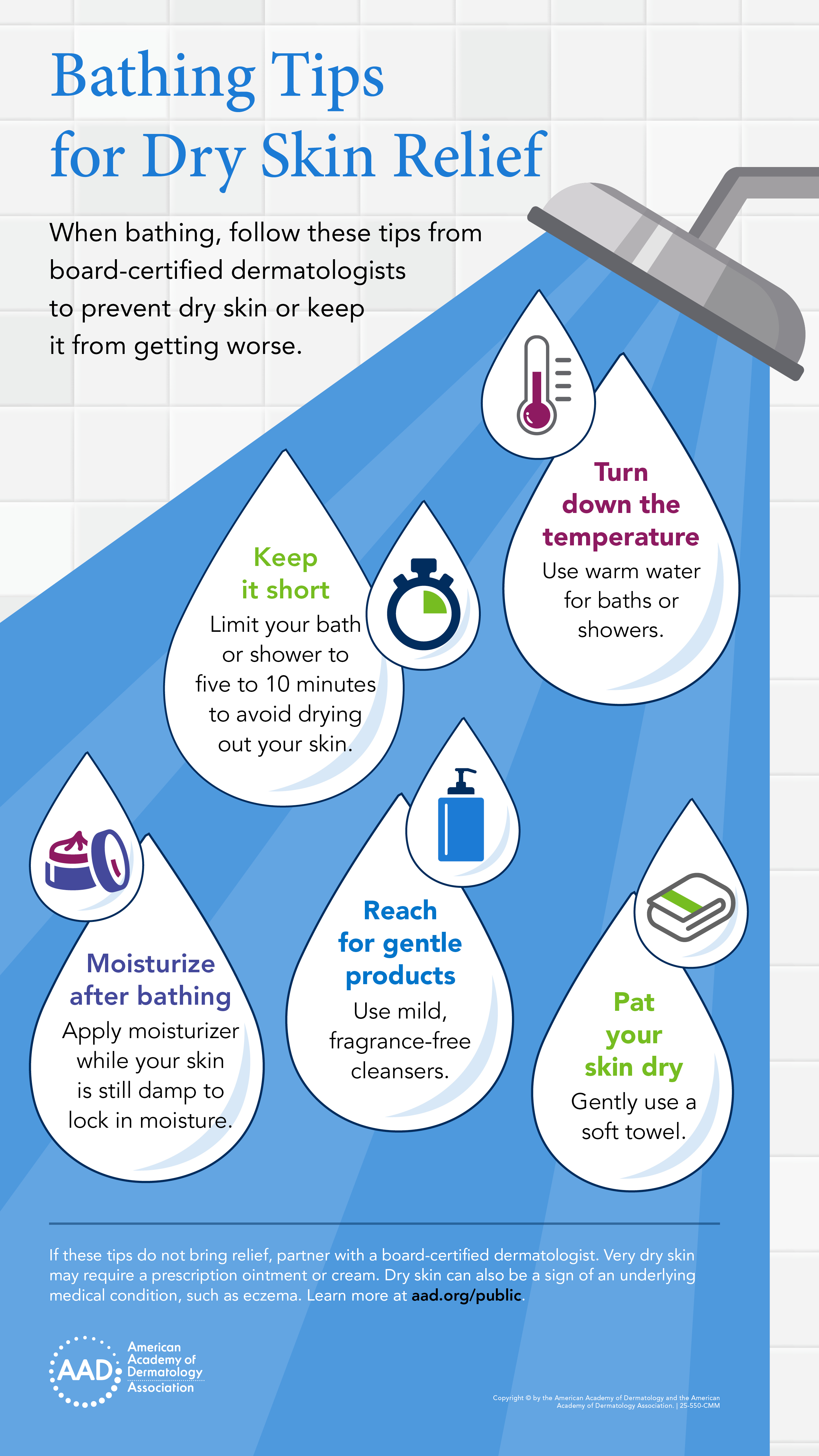
The American Academy of Dermatology commonly recommends applying moisturizer after bathing while the skin is still damp. This helps trap water in the outer layer.
Use enough product to cover the skin comfortably. A pea-sized amount may be enough for the face, but dry skin may need more. For the body, apply moisturizer within a few minutes after bathing.
Do not rub harshly. Press and smooth the product across the skin. Gentle application matters because mature skin can bruise or become irritated more easily.
How to Improve Dry Aging Skin Without Causing Irritation
Many people make dryness worse by trying too many treatments at once. Strong acids, scrubs, retinoids, bleaching products, and fragranced oils can overwhelm a weak skin barrier.
Use these rules:
• Add one new product at a time.
• Test it on a small area for several days.
• Start active ingredients once or twice a week.
• Stop if you develop burning, swelling, or a rash.
• Do not exfoliate peeling skin.
• Avoid products with strong fragrance if your skin is sensitive.
Physical scrubs can create tiny areas of irritation. Even some chemical exfoliants may be too strong for dry, thin skin. If you want to exfoliate, choose a mild product and use it rarely.
A damaged barrier needs rest. During a flare, use a gentle cleanser, a plain moisturizer, and sunscreen. Return to active ingredients only after the skin feels calm.

Daily Habits That Support Healthier Skin
Skin care products help, but daily habits also affect how dry aging skin feels and looks. These changes are simple and low cost.
Keep showers short and warm
Hot water can remove protective oils. Keep showers warm, not hot, and aim for about five to ten minutes. Apply body cream soon after drying.
Use a humidifier
Dry indoor air can worsen tightness and flaking. A clean humidifier may help during winter or in rooms with strong heating. Clean it often to reduce mold and bacteria.
Choose gentle fabrics
Wool and rough fabrics may irritate dry skin. Wear soft cotton layers when possible, especially if your skin itches.
Drink enough fluid
Dehydration can affect overall health, but drinking extra water does not automatically cure dry skin. Fluids support normal body function, while moisturizers work directly on the skin barrier.
Eat a balanced diet
Include protein, fruits, vegetables, whole grains, and healthy fats. Foods rich in omega-3 fats, such as salmon, walnuts, and flaxseed, may support general skin health, although diet alone cannot replace sunscreen or moisturizer.
Avoid smoking
Smoking reduces blood flow and can speed visible skin aging. Stopping can benefit the skin and nearly every major organ.
Sleep well
Poor sleep can affect the body’s repair processes and may increase stress. A regular sleep schedule supports overall health and may help your skin look less tired.
A Practical Weekly Plan for Dry Aging Skin
A weekly plan can make how to improve dry aging skin easier to follow. The goal is consistency, not a complicated schedule.
Every morning
• Use a gentle cleanser or rinse with lukewarm water.
• Apply a hydrating product if needed.
• Use a moisturizer.
• Apply broad-spectrum SPF 30 or higher.
Every evening
• Remove makeup and sunscreen gently.
• Apply moisturizer to slightly damp skin.
• Seal very dry areas with petrolatum.
One or two nights each week
• Use a retinoid only if your skin tolerates it.
• Skip other active ingredients that night.
• Apply moisturizer before and after the retinoid if needed.
Once each week
• Check your skin for new irritation, scaling, or unusual spots.
• Wash makeup tools and change pillowcases if they collect product or oil.
• Adjust your routine if the weather has become colder or drier.
This plan can be changed to suit your skin. Some people need a retinoid, while others need several weeks of barrier care before trying one.

Common Mistakes That Make Dry Aging Skin Worse
Knowing what to avoid is an important part of how to improve dry aging skin. Many popular habits can make the skin feel tighter and more sensitive.
Washing too often
Cleansing several times a day can remove natural oils. Cleanse after sweating or before bed, but avoid repeated washing unless your health professional recommends it.
Using hot water
Hot water feels relaxing, but it can worsen dryness. Warm water is kinder to the barrier.
Layering too many actives
Using a retinoid, vitamin C, exfoliating acid, and acne treatment at the same time can lead to irritation. A simple routine often produces better long-term results.
Choosing fragrance over function
Fragrance may make a product smell pleasant, but it can irritate dry or sensitive skin. Look for fragrance-free products when possible.
Skipping sunscreen on cloudy days
Ultraviolet rays can reach your skin through clouds and windows. Daily sunscreen helps limit further collagen damage and uneven tone.
Expecting instant results
A moisturizer may improve comfort within days. Fine lines, rough texture, and sun damage often take weeks or months to improve. Skin care rewards steady use.

When to See a Dermatologist
Home care may not be enough if dryness is severe, painful, or persistent. See a dermatologist if your skin cracks, bleeds, oozes, or develops intense itching.
You should also seek medical advice for:
• A sudden change in skin dryness
• A widespread rash
• Severe redness or swelling
• Repeated infections
• Thick scales or painful patches
• Dryness that does not improve after several weeks
• A new or changing mole or skin growth
Some medical conditions and medicines can cause dry skin. A dermatologist can check for eczema, psoriasis, contact dermatitis, thyroid problems, diabetes, or other causes. They may also recommend prescription creams or a safer plan for retinoids.
Not every anti-aging treatment is right for every person. Laser treatments, chemical peels, injectables, and prescription medicines have benefits and risks. Discuss them with a qualified medical professional before treatment.

How Long Does It Take to Improve Dry Aging Skin?
Comfort and softness may improve within a few days of using a suitable moisturizer. A damaged skin barrier may take two to four weeks to become stronger, depending on the cause and the level of irritation.
Fine lines, uneven tone, and texture need more time. Sunscreen and moisturizer can protect the skin now, while retinoids and other treatments may take several months to show visible changes.
Take photos in the same light once a month if you want to track progress. Daily mirror checks can make small changes hard to notice. Remember that the goal is healthy, comfortable skin, not perfect skin.
Frequently Asked Questions About How to Improve Dry Aging Skin
What is the best moisturizer for dry aging skin?
The best moisturizer is one you can use consistently and that contains barrier-supporting ingredients such as ceramides, glycerin, or petrolatum. Choose a cream or ointment if your skin is very dry, and select a fragrance-free formula if you are sensitive.
Can drinking more water fix dry aging skin?
Drinking enough water supports overall health, but extra water alone will not repair a damaged skin barrier. A moisturizer, gentle cleansing, and daily sunscreen are more direct ways to improve dry skin.
Is hyaluronic acid good for mature, dry skin?
Hyaluronic acid can help skin hold water and feel smoother. Apply it to slightly damp skin and follow with a moisturizer to reduce water loss.
Should people with dry aging skin use retinol?
Retinol may improve fine lines and texture, but it can cause dryness and irritation. Start slowly, use moisturizer, and ask a dermatologist for guidance if your skin is sensitive or you have a skin condition.
How often should dry aging skin be exfoliated?
Many people with dry aging skin need little or no exfoliation. If you use an exfoliant, choose a mild product once a week and stop if you notice burning, redness, or increased flaking.
What is the fastest way to improve dry aging skin?
The fastest comfort usually comes from a gentle cleanser, a rich moisturizer, and a thin layer of petrolatum on very dry areas. Daily sunscreen then helps prevent further dryness, roughness, and visible sun damage.
Why does my skin still feel dry after moisturizing?
The product may be too light, applied to completely dry skin, or used after a harsh cleanser. Try a richer cream on slightly damp skin and reduce hot water, scrubbing, and fragranced products.
Conclusion
Learning how to improve dry aging skin starts with the basics: cleanse gently, moisturize while skin is damp, protect your face from the sun, and avoid products that cause irritation. Ceramides, glycerin, petrolatum, squalane, and carefully used retinoids can support smoother, more comfortable skin.
Start with a simple routine and give it time. If your skin cracks, burns, itches severely, or does not improve, seek advice from a dermatologist. Put these steps into practice today, and explore more evidence-based skin care guides to build a routine that works for you.
