
Wash and balance your scalp: gentle cleansing, lightweight conditioning, and smart styling habits.
I’ve spent years helping people solve scalp and hair challenges, and I know exactly how to care for oily hair so it looks fresh longer. This guide breaks down clear, practical steps you can use today. You’ll get easy routines, product choices, and lifestyle tips backed by experience and hair science. Read on to learn how to care for oily hair with confidence and realistic results.
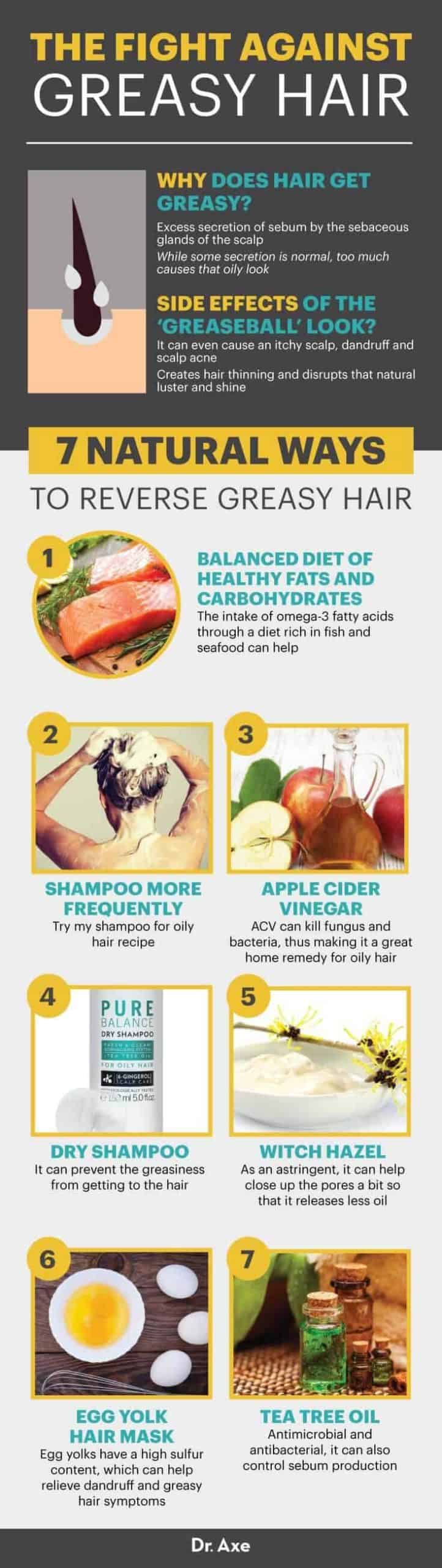
Why your scalp becomes oily: basics everyone should know
Oily hair starts at the scalp. Tiny glands called sebaceous glands make sebum. Sebum keeps skin and hair healthy. Some people’s glands make more sebum. That leads to greasy roots and flat style.
Common causes include:
- Genetics that influence sebum production.
- Hormonal shifts during puberty, pregnancy, or stress.
- Over-washing or harsh products that trigger rebound oil.
- Heavy styling products that build up on the scalp.
- Diets high in refined carbs or dairy may play a role.
Understanding the cause helps you pick the right routine. If you want to reduce oil without drying out your hair, you need balance. This article shows how to care for oily hair in a way that helps the scalp, hair shaft, and daily styling.

Daily routine: simple steps for how to care for oily hair
A consistent daily routine prevents oil buildup. Keep steps short and gentle. Follow this daily checklist.
Daily checklist:
- Cleanse every 1–2 days with a mild shampoo suited for oily hair.
- Condition only the mid-lengths and ends. Avoid the scalp.
- Rinse with lukewarm or cool water to help close the cuticle.
- Use a wide-tooth comb or fingers to detangle while conditioning.
- Refresh with a light spray or dry shampoo between washes.
From my experience, washing every day works for some people and twice weekly works for others. The goal is to keep the scalp clean without triggering more oil. Learn your pattern and adjust.

Shampooing and cleansing tips that actually help
Shampoo choice matters. Pick formulas that remove excess oil but don’t strip natural oils entirely.
How to shampoo:
- Wet hair thoroughly.
- Apply a nickel-sized amount to the scalp only.
- Massage gently with fingertips for 30–60 seconds to lift oil.
- Rinse well and repeat only if hair still feels oily.
Product advice:
- Look for clarifying or balancing shampoos with mild surfactants.
- Avoid alcohol-heavy or stripping products that cause rebound oil.
- Try a sulfate-free option if your scalp is sensitive.
- Use a clarifying shampoo once every 1–2 weeks to remove buildup.
A common mistake is using too much shampoo. I once recommended a clarifying treatment daily and the client’s scalp went into overdrive. We cut it back and the situation improved. Remember: less is often more.

Conditioning and styling without adding oil
Conditioner can weigh oily hair down if used incorrectly. Use it smartly.
Conditioning tips:
- Apply conditioner from the mid-shaft to ends only.
- Use a lightweight, silicone-free conditioner.
- Wash out thoroughly to avoid residue.
Styling tips:
- Avoid heavy creams and ointments near the roots.
- Use mousse, lightweight foam, or water-based serums instead.
- Use dry shampoo at the roots to lift and absorb oil between washes.
- Avoid brushing too often; it spreads oil down the hair shaft.
From my tests, switching to a light conditioner and a spray leave-in changed the look of greasy roots in two weeks. Small swaps matter.

Weekly and monthly treatments to control oil
A deeper care plan keeps oil in check without harming hair health.
Weekly and monthly actions:
- Exfoliate the scalp once a week with a gentle scrub or brush.
- Use a clay or charcoal clay mask monthly to absorb excess oil.
- Apply an apple-cider-vinegar rinse (diluted) occasionally to balance pH.
- Rotate a clarifying shampoo into your routine every 7–14 days.
Do not overdo exfoliation. Over-exfoliating irritates the scalp and causes more oil. I advise patience: these treatments take a few weeks to show consistent results.

Diet, hormones, and medical causes: when lifestyle matters
What you eat and your hormones affect sebum. Fixing oily hair sometimes means looking inward.
Key points:
- Balanced diets with whole foods support healthy skin and scalp.
- Reduce excess sugar and processed fats if you notice flare-ups.
- Hormonal imbalances, thyroid issues, or medications can cause oily scalp.
- If oiliness is sudden or extreme, see a dermatologist.
I’ve worked with clients whose oily hair responded after improving diet and treating hormonal issues. If home care fails, medical advice is the right next step.

Common mistakes to avoid when learning how to care for oily hair
Avoid these pitfalls to get faster results.
Mistakes to avoid:
- Over-washing with harsh shampoos that trigger rebound oil.
- Applying conditioner to the scalp.
- Using heavy oils or butters at the roots.
- Skipping scalp cleaning during workouts.
- Expecting overnight fixes—consistency is key.
I once saw someone switch to "natural oils only" and end up with worse buildup. Natural can still be heavy. Choose products that match your hair’s needs.

Product checklist: what to keep in your shower and styling kit
Here’s a simple product kit that helps manage oily hair.
Recommended items:
- Gentle clarifying shampoo for 1–2x weekly use.
- Mild daily shampoo for regular cleansing.
- Lightweight conditioner for mid-lengths and ends.
- Dry shampoo for in-between refreshes.
- Scalp scrub or brush for weekly exfoliation.
- pH-balancing rinse or mask for monthly use.
Try small sizes first. Patch-test new products on a small scalp area to avoid irritation. Product trials save money and hair stress.

How to care for oily hair when you travel or have special events
Travel and events need short-term fixes that look natural.
Quick fixes:
- Pack a travel dry shampoo to refresh roots.
- Use a co-wash or gentle shampoo if access to a full routine is limited.
- Style with light products that avoid adding weight.
- Sleep on a clean pillowcase and tie hair up loosely to cut transfer oil.
These small steps keep your hair presentable and prevent long-term setbacks in your routine.
Personal lessons and tips from my experience
I’ve worked with clients and tested routines for years. Here are the best real-world lessons.
Lessons learned:
- Consistency beats extremes—gentle daily care works better than frequent harsh treatments.
- Track triggers. Note diet, stress, and product changes that affect oil levels.
- Minimal product use at the scalp makes the biggest difference.
- Communicate with professionals if home care fails.
One client trimmed a heavy conditioner from her routine and gained volume and freshness in two weeks. Small changes can be transformative.
Frequently Asked Questions of how to care for oily hair
What causes oily hair and oily scalp?
Oily hair is caused by excess sebum production from sebaceous glands. Genetics, hormones, and some products can increase oil levels.
How often should I wash my oily hair?
Wash every 1–2 days depending on how oily your scalp gets. Test frequency and adjust until you find a balance that prevents buildup without over-drying.
Can dry shampoo help manage oily hair?
Yes. Dry shampoo absorbs oil and adds volume between washes. Use it sparingly to avoid product buildup on the scalp.
Will conditioning make my oily hair worse?
Conditioner can weigh hair down if applied to the scalp. Apply only to mid-lengths and ends to keep hair soft without adding oil.
When should I see a doctor for oily hair?
See a dermatologist if oiliness starts suddenly, becomes severe, or is accompanied by itching, flaking, or hair loss. Medical causes may need targeted treatment.
Final thoughts
Use a steady, gentle routine to control oil. Cleanse smartly, condition selectively, and choose lightweight styling products. Track lifestyle factors and seek professional help if needed. Start by changing one habit this week—maybe shorter shampoo sessions or skipping conditioner at the roots—and watch how your hair responds. Try the tips here, leave a comment about what worked for you, and subscribe or follow for more haircare advice.
