Use moisture-first care, protein balance, gentle cleansing, and sealing to protect and hydrate high porosity hair.
I’ve spent years working with clients and testing routines for textured, damaged, and highly porous hair. This guide on how to care for high porosity hair pulls practical tips, simple routines, and real-world fixes into one clear plan. You’ll learn how to identify porosity, which products help or harm, step-by-step routines, DIY treatments, and mistakes to avoid — all based on hands-on experience and proven principles. Read on to get confident, healthy results for high porosity hair.
What is high porosity hair and why it matters
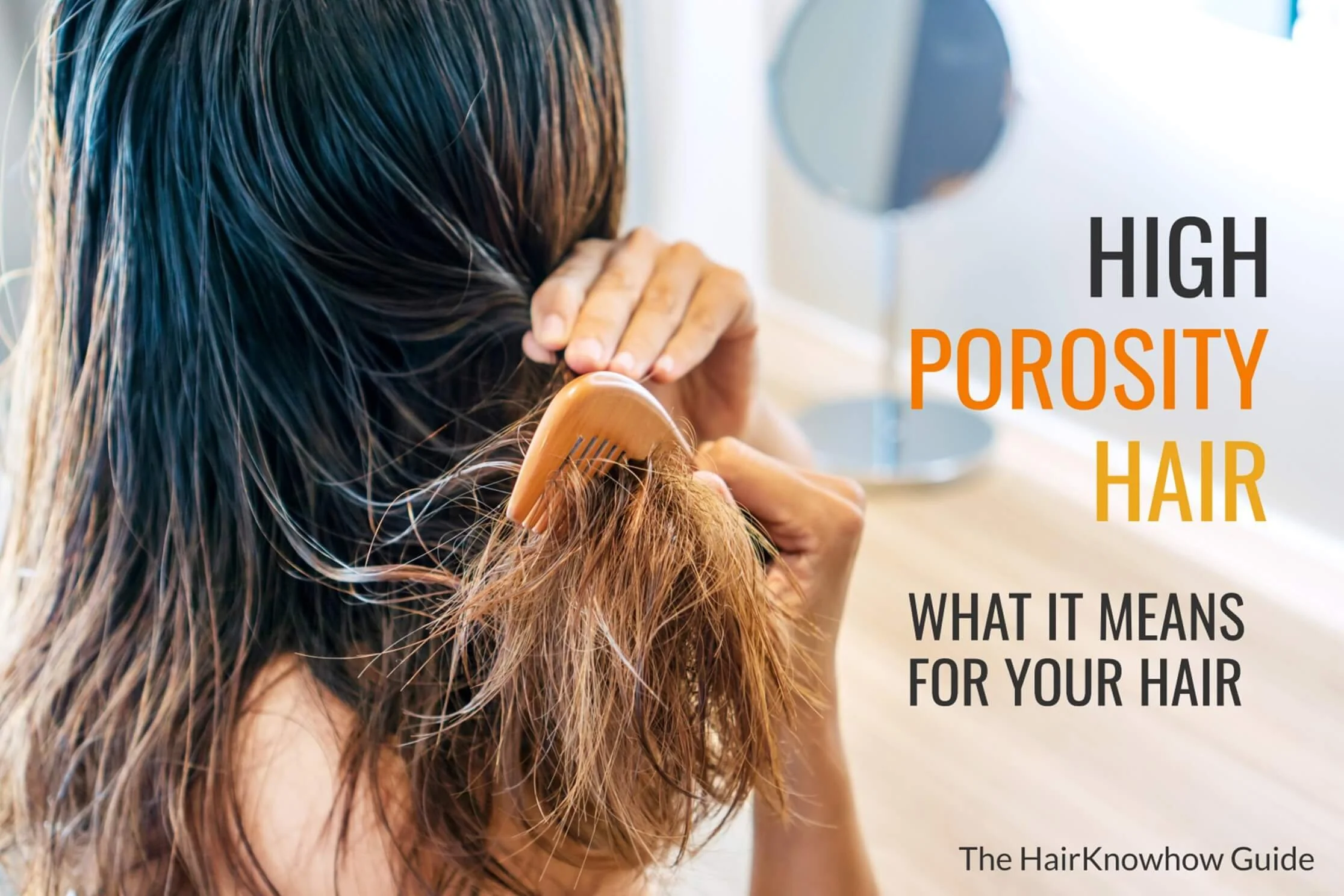
High porosity hair means the cuticle layer has gaps or raised edges. That lets moisture enter and leave hair quickly. Hair can soak up water fast but also loses hydration quickly. High porosity often coexists with dryness, frizz, breakage, and tangling.
Common causes of high porosity:
- Chemical processing such as bleaching, coloring, or perms.
- Heat damage from flat irons and curling tools.
- Physical wear like rough brushing or harsh styling.
- Natural variation; some people are born with more porous cuticles.
Knowing how to care for high porosity hair helps you stop moisture loss, reduce breakage, and restore shine. The right approach focuses on moisture retention and cuticle repair rather than just adding more products.
How to care for high porosity hair: core principles
When you learn how to care for high porosity hair, keep three core ideas in mind:
- Moisture first: hydrate regularly and deeply.
- Seal and protect: lock moisture in and smooth cuticles.
- Gentle handling: reduce friction, heat, and harsh chemicals.
Practical habits that follow these principles:
- Use sulfate-free, gentle cleansers to avoid stripping moisture.
- Deep condition weekly with products that contain humectants and emollients.
- Add lightweight protein treatments occasionally to strengthen weak spots.
- Seal with oils or butters after moisturizing to prevent evaporation.
These steps form the backbone of any routine for how to care for high porosity hair. Small consistent changes beat random fixes.

Daily and weekly routine for high porosity hair
A clear routine simplifies care. Here’s a simple plan to follow.
Daily routine:
- Detangle gently with fingers or a wide-tooth comb when damp.
- Apply a leave-in conditioner that contains glycerin or panthenol.
- Seal ends with a light oil like jojoba or grapeseed to lock moisture.
- Use protective styles to reduce manipulation.
Weekly routine:
- Use a gentle clarifying shampoo every 1–2 weeks if you use many styling products.
- Replace regular conditioner with a deep conditioner once a week.
- Add a protein treatment every 4–6 weeks, depending on breakage.
- Do a hot oil or steam treatment monthly to help conditioners penetrate.
Consistency is key when you care for high porosity hair. Track how your hair responds and adjust frequency.
Products to use and avoid
Choosing products matters. Here’s what I recommend from experience.
Use:
- Sulfate-free shampoos that clean without stripping natural oils.
- Deep conditioners with humectants (glycerin, honey) and emollients (shea butter, oils).
- Leave-in conditioners with moisturizing agents and heat protection.
- Lightweight oils and butters to seal (jojoba, argan, shea butter).
- Protein treatments with hydrolyzed proteins for short, targeted use.
Avoid:
- Daily clarifying or sulfate shampoos that dry hair further.
- Heavy silicones that build up and block moisture unless you clarify regularly.
- Alcohol-heavy styling products that strip hydration.
- Excessive heat without protection.
When you care for high porosity hair, test one new product at a time. Watch for frizz, dryness, or limpness and adjust.

Balancing protein and moisture
High porosity hair often needs both protein and moisture. Too much protein can make hair stiff. Too much moisture without sealing can cause constant dryness.
How to balance:
- Start with moisture-first treatments for 6–8 weeks.
- Add a mild protein treatment if you notice limpness, split ends, or breakage.
- Use protein treatments sparingly—every 4–6 weeks is typical.
- Alternate deep moisturizing masks and protein treatments.
A simple cycle: deep conditioner (moisture) → two weeks later, protein treatment → deep conditioner again. Repeat based on results. This helps when you care for high porosity hair without overloading it.
Styling and protective techniques
How you style affects moisture and breakage. Use protective, low-manipulation techniques.
Protective tips:
- Choose braids, twists, buns, and low-tension styles.
- Avoid tight ponytails and edges-heavy styles.
- Use satin or silk at night to reduce friction.
- Air-dry when possible; use low heat with a heat protectant when necessary.
- Finger-style or use a wide-tooth comb to detangle gently.
These methods help preserve moisture and prevent cuticle damage. If you heat-style, always pre-treat with a leave-in and a heat protectant.
Nighttime care and maintenance
Night routines are small but powerful when you care for high porosity hair.
Night habits:
- Sleep on a satin pillowcase or wear a satin bonnet.
- Pre-seal hair in braids or twists with a light oil on ends.
- Reapply a tiny amount of leave-in on dry nights to protect against dryness.
- Refresh styles the next day with a water-based spray and a drop of oil.
These steps reduce friction and moisture loss while you sleep. They are easy to add and show noticeable improvement over weeks.

Common mistakes and how to fix them
Many people unknowingly worsen porosity. Here are mistakes I’ve seen and how to correct them.
Mistake: Using harsh shampoos too often.
Fix: Switch to a gentle cleanser and clarify only when needed.
Mistake: Skipping sealing after moisturizing.
Fix: Always apply an oil or butter to lock moisture, focusing on ends.
Mistake: Over-proteinizing.
Fix: Reduce protein treatments and increase hydrating masks.
Mistake: Heat without protection.
Fix: Use thermal protectants and lower temps, and limit heat styling.
Avoiding these errors is central to learning how to care for high porosity hair. Small habit changes make big differences.

DIY treatments and simple recipes
Home treatments can help without breaking the bank. Use these in rotation, not all at once.
Hydrating avocado mask:
- Mash half an avocado with 1 tablespoon olive oil and 1 tablespoon honey.
- Apply to damp hair for 20–30 minutes under a shower cap.
- Rinse and follow with a leave-in and oil seal.
Protein-boost egg rinse:
- Whisk one egg white with 1 tablespoon coconut milk.
- Apply to mid-lengths and ends for 10–15 minutes.
- Rinse with cool water and follow with a moisturizing conditioner.
Hot oil pre-poo:
- Warm 2 tablespoons jojoba or coconut oil slightly.
- Apply to dry ends and wrap for 30 minutes before shampooing.
- Shampoo gently and condition.
Test a small section before full use. Natural ingredients can build up or cause reactions. Track what works for your hair as you learn how to care for high porosity hair.
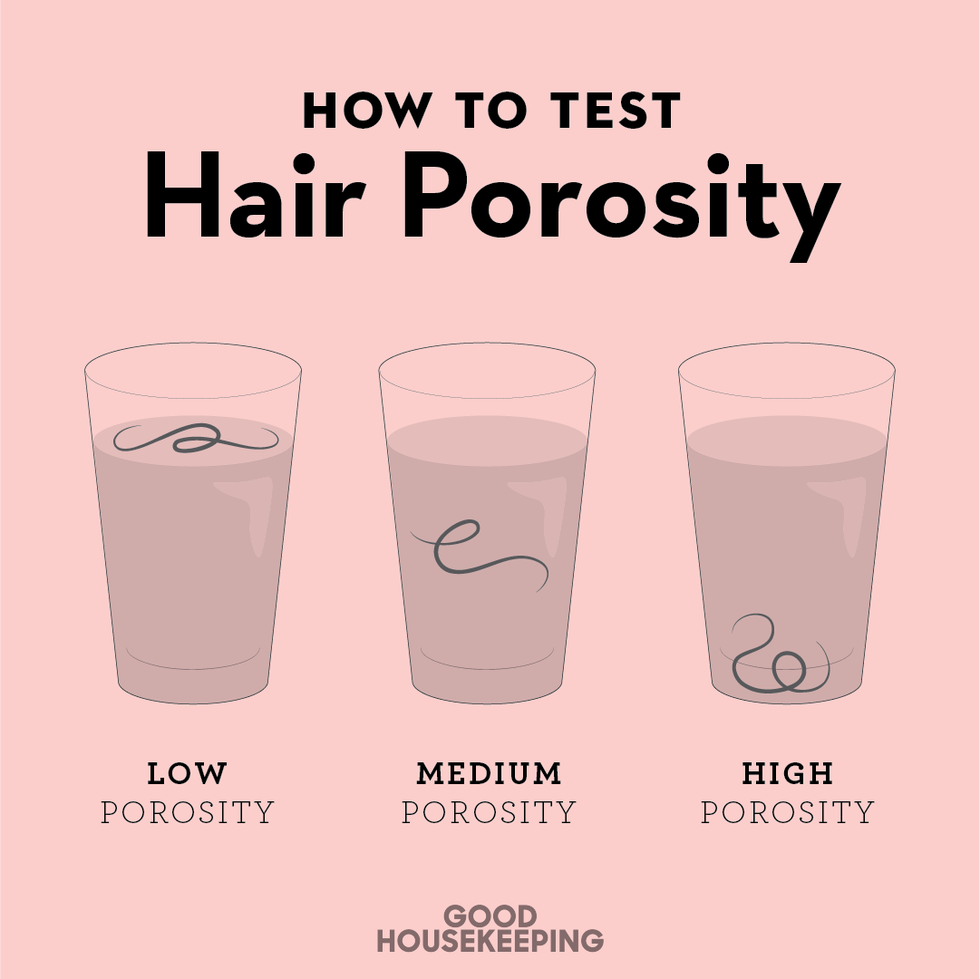
How to test your hair porosity
Two simple tests help confirm if you have high porosity hair.
Float test:
- Place clean hair strand in a glass of room-temperature water.
- If it sinks in under 30 seconds, porosity is likely high.
Slip-and-seal test:
- Wet a small strand and run fingers up the cuticle.
- If it feels rough and water beads or drains quickly, porosity is high.
Combine tests and observe behavior. If hair dries fast, frizzes, and tangles, it's a strong sign of high porosity.
Frequently Asked Questions of how to care for high porosity hair
How often should I deep condition high porosity hair?
Deep condition once a week to start and adjust based on results. Increase or decrease frequency depending on dryness and styling.
Can high porosity hair be repaired?
You can improve cuticle health and manage symptoms, but complete reversal is unlikely if cuticles are permanently damaged. Regular moisture, protein balance, and gentle care noticeably improve appearance and strength.
Which oils best seal high porosity hair?
Use light oils like jojoba, argan, and grapeseed for sealing. Use heavier butters on very dry ends, applied sparingly.
Is it okay to use silicones on high porosity hair?
Occasional silicone use is fine if you clarify regularly to avoid buildup. Avoid daily silicone-heavy products that block moisture absorption.
How do I know if I need protein or moisture?
If hair feels limp and mushy after moisture, try a mild protein treatment. If hair snaps, feels dry, or frizzes, increase moisture and sealing.
Will heat styling make porosity worse?
Excessive heat can raise the cuticle and worsen porosity. Use heat sparingly and always apply a heat protectant.
Conclusion
Caring for high porosity hair is about consistent moisture, gentle routines, and smart sealing. Focus on hydration, occasional protein, protective styles, and slow product testing. Start with the simple routine here and adjust based on how your hair responds. Try one change for four to six weeks and track progress.
Take action: pick one routine step to try this week — deep condition, swap to a sulfate-free shampoo, or add a nightly satin bonnet. Share your results or questions below, subscribe for more tested tips, or try the DIY mask and report back on what worked for you.