
Build a hair care routine by knowing your scalp, understanding your hair type, and using simple products on a steady schedule.
Learning how to build a hair care routine does not mean buying a shelf full of products. It means choosing the right steps for your scalp, hair texture, lifestyle, and goals. This guide combines practical hair care advice with evidence-based tips, so you can create a routine that protects the hair shaft, supports scalp health, and fits real life.

Understand What Your Hair and Scalp Need
The best way to learn how to build a hair care routine is to start with observation. Your hair may be dry at the ends but oily at the roots. It may also be fine, thick, curly, straight, color-treated, or damaged by heat.
Your scalp and hair fiber have different needs. The scalp is living skin. The hair shaft is made of keratin and cannot repair itself like skin can. Products can smooth, coat, protect, and reduce further damage, but split ends cannot truly be fused back together.
Look at these features before choosing products:
• Scalp condition: Is your scalp oily, dry, itchy, flaky, or sensitive?
• Hair texture: Is your hair straight, wavy, curly, or coily?
• Hair density: Do you have fine, medium, or thick hair?
• Hair porosity: Does your hair absorb water and products quickly, or do products sit on top?
• Damage level: Has your hair been bleached, colored, relaxed, permed, or exposed to frequent heat?
• Daily habits: Do you exercise often, swim, wear protective styles, or wash your hair at night?
A simple hair diary can help. Write down your wash days, products, styling methods, and how your hair feels afterward. After two or three weeks, patterns become easier to see.
Hair type is only one part of the answer
Hair typing systems can be useful, but they do not tell the whole story. Two people with curly hair may have very different needs because one has a dry scalp and the other has excess oil. A complete routine considers texture, scalp health, porosity, damage, and personal preference.

The Basic Hair Care Routine
Most people can build an effective routine with four core steps: cleanse, condition, protect, and style. How often you use each step depends on your hair and scalp.
A simple routine is easier to follow than a complex one. Consistency usually matters more than expensive products.
Step 1: Cleanse the scalp
Shampoo removes oil, sweat, dead skin, pollution, and product buildup. Apply shampoo mainly to the scalp, then let the lather move through the lengths as you rinse.
Use your fingertips, not your nails. Scratching can irritate the scalp and create small breaks in the skin. Rinse well, since leftover shampoo may cause itchiness or a coated feeling.
Your washing schedule may look like this:
• Oily or fine hair: Wash every day or every other day if needed.
• Normal or medium-textured hair: Wash about two or three times a week.
• Dry, curly, coily, or tightly textured hair: Wash when the scalp needs it, often once a week or every one to two weeks.
These are starting points, not strict rules. If your scalp feels greasy, itchy, or uncomfortable, wash more often. If your hair feels rough or brittle, use a gentler shampoo and reduce harsh cleansing.
Step 2: Condition the lengths
Conditioner adds slip, reduces friction, and makes detangling easier. Apply it from the mid-lengths to the ends. Fine hair may need only a small amount, while thick or textured hair may need more.
Leave the conditioner on for the time listed on the label. Rinse with cool or lukewarm water if that feels comfortable. Water temperature does not “seal” the cuticle in a permanent way, but very hot water can worsen dryness and scalp irritation.
Step 3: Use a leave-in product when needed
A leave-in conditioner can help with softness, detangling, and moisture. Use a light spray or small amount of cream if your hair is fine. Thick, curly, or coily hair may benefit from a richer leave-in product.
Start with less than you think you need. Adding more is easy, but removing excess product may require another wash.
Step 4: Protect before styling
Heat protectant products can reduce damage from blow dryers, flat irons, and curling tools. They do not make high heat harmless, so use the lowest temperature that creates the style you want.
Allow hair to become mostly dry before using a flat iron or curling iron. Never use hot tools on wet hair unless the tool is specifically designed for wet styling.

How to Build a Hair Care Routine for Your Hair Type
The best hair care routine changes with your texture and condition. Here is a practical starting point for each main hair type.
Straight hair
Straight hair often shows oil quickly because sebum can travel down the hair shaft with less resistance. Fine straight hair may also lose volume when you use rich creams or oils.
Try this approach:
• Use a lightweight shampoo and conditioner.
• Condition mainly from the ears down.
• Wash as often as your scalp needs.
• Use dry shampoo only as a temporary aid, not as a replacement for washing.
• Choose lightweight sprays instead of heavy oils if your hair looks flat.
Wavy hair
Wavy hair can become frizzy when brushed dry or weighed down with heavy products. It often benefits from light moisture and gentle styling.
Try this approach:
• Use a gentle shampoo and a light conditioner.
• Detangle while the hair is wet or damp.
• Apply a small amount of leave-in conditioner or mousse.
• Scrunch waves with a microfiber towel or soft cotton T-shirt.
• Avoid brushing after the waves dry if you want to preserve their shape.
Curly hair
Curly hair tends to lose moisture more quickly because the bends in the strand make it harder for natural oils to travel from the scalp to the ends. Friction can also increase frizz and breakage.
Try this approach:
• Cleanse the scalp well without rough scrubbing.
• Use conditioner generously on the lengths.
• Detangle with fingers or a wide-tooth comb.
• Apply styling products while the hair is wet.
• Dry with low heat or let it air-dry when practical.
• Sleep on a satin or silk-like pillowcase if it reduces friction for you.
Coily hair
Coily hair is beautiful and versatile, but its bends can make it more vulnerable to dryness and mechanical breakage. Gentle handling matters as much as product choice.
Try this approach:
• Wash the scalp on a regular schedule.
• Deep condition when the hair feels dry or difficult to manage.
• Detangle in sections, starting at the ends.
• Use water-based moisture products before heavier creams or oils.
• Keep protective styles comfortable and avoid tight tension.
• Give your scalp and edges breaks from styles that pull.
Hair texture does not determine cleanliness. Coily hair still needs regular scalp cleansing, even when the lengths do not need frequent washing.
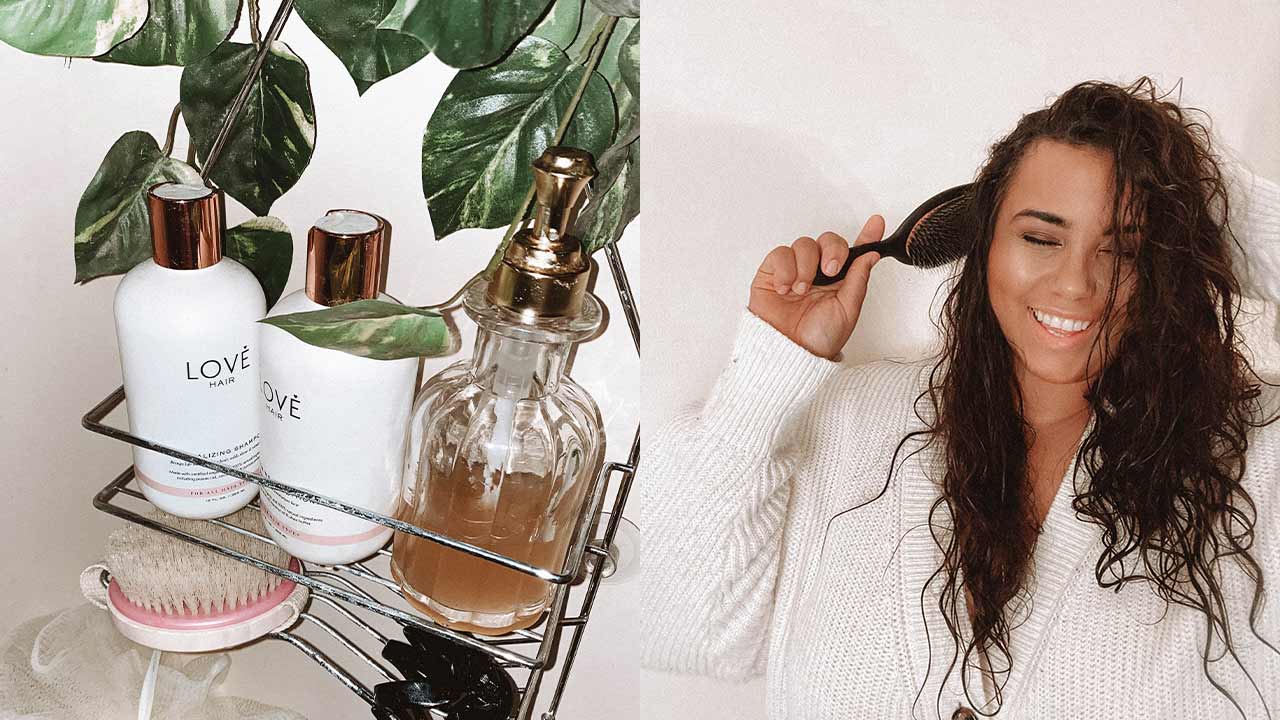
Build a Hair Care Routine Around Your Scalp
A healthy-looking style starts with a comfortable scalp. Product buildup, sweat, excess oil, and dead skin can affect how your hair feels and behaves.
If your scalp is oily, choose a shampoo that cleans well without leaving the skin tight. If your scalp is dry, avoid very hot water and harsh scrubbing. A gentle shampoo and a conditioner for the lengths may be enough.
Flakes can have different causes. Dry skin, irritation from products, and dandruff are not the same thing. Dandruff is often linked to an overgrowth of a yeast that naturally lives on the scalp. Anti-dandruff shampoos may contain ingredients such as ketoconazole, zinc pyrithione, selenium sulfide, or salicylic acid.
Follow the label directions for medicated shampoos. Give the product enough contact time if the label requests it. If flakes, redness, pain, sores, or intense itching continue, speak with a dermatologist.
When to seek medical care
Hair care products cannot treat every scalp or hair problem. Get professional advice if you notice:
• Sudden or fast hair loss
• Round bald patches
• A painful or swollen scalp
• Sores, pus, or heavy crusting
• Severe itching or redness
• Hair loss with fatigue, weight changes, or other health symptoms
A dermatologist can check for conditions such as alopecia areata, scalp psoriasis, fungal infection, thyroid problems, or nutritional deficiencies. Avoid taking high-dose supplements without medical guidance. Too much of some nutrients can also contribute to hair loss.

Choose Hair Care Products That Match Your Goals
Product labels can feel confusing, but you do not need to understand every ingredient to make a good choice. Start with your main goal.
For dryness
Look for conditioners and masks with ingredients such as:
• Glycerin
• Panthenol
• Fatty alcohols such as cetyl alcohol or cetearyl alcohol
• Plant oils and butters
• Conditioning agents such as behentrimonium chloride
Dry hair needs more than oil. Oil can reduce friction and slow water loss, but it does not add water to the hair. Apply moisturizing products first, then use a small amount of oil or serum if it improves softness.
For damage and breakage
Damaged hair may feel rough, snap easily, or develop split ends. Conditioning products can improve feel and reduce combing force. Protein treatments may temporarily strengthen the appearance and feel of damaged strands.
Use protein products carefully. Too much may leave some hair stiff or rough. Balance them with moisturizing products, and stop or reduce use if your hair loses softness.
For frizz
Frizz can come from humidity, dryness, damage, friction, or uneven curl patterns. Silicone-based serums can reduce friction and help hair look smoother. Silicones are not automatically harmful; they can be useful protective ingredients when removed by your normal cleansing routine.
A light styling gel can also help hold the hair shape. Apply it to damp hair and avoid touching the hair too much while it dries.
For buildup
Buildup may make hair feel dull, waxy, heavy, or difficult to style. A clarifying shampoo can help remove excess styling products, minerals, and oil.
Do not use a strong clarifying shampoo daily. Once every few weeks may be enough for many people, while frequent swimmers or heavy product users may need it more often. Follow with a conditioner because clarifying products can feel drying.
For color-treated hair
Color-treated hair often benefits from gentle cleansing, limited heat, and regular conditioning. Wash with lukewarm water and use products made for colored hair if they help preserve your shade.
No shampoo can prevent all color fading. Sun exposure, heat, water minerals, and repeated washing can all affect color. A hat or UV-protective hair product may help during long periods outdoors.

Create a Weekly and Monthly Hair Schedule
A routine works best when you divide tasks by frequency. Daily care should be simple. Weekly and monthly steps can address deeper needs.
Daily or styling-day care
• Detangle gently, starting at the ends.
• Use a heat protectant before hot tools.
• Avoid tight hairstyles that pull on the edges.
• Smooth a small amount of serum over dry ends if needed.
• Protect hair from strong sun, wind, and pool water when practical.
Weekly care
• Wash the scalp according to oil and sweat levels.
• Use a deep conditioner if the hair feels dry or rough.
• Clean brushes, combs, and styling tools.
• Check for tangles, split ends, or areas of breakage.
Monthly care
• Clarify if you have persistent product buildup.
• Trim damaged ends when needed.
• Review which products are helping or causing problems.
• Take a photo in similar lighting to track changes.
One lesson that comes up again and again in routine building is that people often change too many things at once. If you introduce five products on one day, you will not know which one caused softness, buildup, itching, or irritation. Add one new product at a time and test it for several washes.

Detangle, Dry, and Sleep Without Extra Damage
Hair is often more fragile when wet. That does not mean you must never comb wet hair, especially if you have curls or coils. It means you should reduce pulling and use enough conditioner or leave-in product to create slip.
Use these methods:
• Start at the ends and move upward.
• Hold the hair above a knot to reduce tension on the scalp.
• Use a wide-tooth comb or flexible detangling brush.
• Work in small sections for thick, curly, or coily hair.
• Never rip through a knot.
Rough towel drying can create friction. Press and squeeze water from the hair with a microfiber towel or soft cotton T-shirt. Avoid twisting wet hair tightly.
At night, loose braids, a relaxed bun, or a protective style may reduce tangles. Make sure the style is not tight. A satin or silk-like pillowcase can reduce friction, though results vary by hair type and fabric.

Manage Heat, Chemicals, and Protective Styles
Heat and chemical services are not automatically off-limits. The goal is to manage how often you use them and how much stress they place on the hair.
For safer heat styling:
• Use a heat protectant.
• Keep tools moving instead of holding them in one spot.
• Choose a moderate temperature.
• Limit repeated passes with a flat iron.
• Let hair dry before using direct heat tools.
For bleaching, relaxing, perming, or permanent color, work with a trained professional when possible. These services change the internal structure of the hair and can cause serious breakage when poorly timed or overlapped.
Protective styles can reduce daily handling, but they should never cause pain. Pain is a warning sign, not proof that a style is working. Remove or loosen a style if you notice headaches, scalp tenderness, bumps, or thinning edges.
A useful rule is simple: beauty should not require injury. Healthy styling leaves your scalp comfortable and your hair manageable.

Common Hair Care Routine Mistakes
Even a well-planned hair care routine can fail when basic habits work against it.
Washing too rarely
Some people avoid shampoo because they fear dryness. However, an unclean scalp can develop buildup, odor, itching, or inflammation. Choose a gentler cleanser or adjust the frequency instead of avoiding scalp washing altogether.
Using too much product
More product does not always mean more moisture. Heavy layers can make hair limp, sticky, or dull. Use small amounts and add more only when your hair still needs it.
Brushing aggressively
Fast brushing from the roots down can drag knots through the entire hair length. Detangle from the ends upward and pause when you meet resistance.
Copying someone else’s routine
A routine that works for a friend may not suit your scalp, texture, climate, or chemical history. Use other routines as ideas, not as rules.
Chasing instant results
Hair grows slowly, and visible changes take time. Hair typically grows about half an inch per month, though the rate varies. Breakage can make growth seem slower because new length is lost at the ends.
Trusting every “natural” claim
Natural does not always mean gentle. Essential oils, raw ingredients, and strong DIY treatments can irritate the scalp or cause allergic reactions. Patch-test new products when appropriate, and stop using anything that causes burning, rash, or swelling.
A Simple 30-Day Plan
If you are unsure how to build a hair care routine, start with a basic plan and adjust it slowly.
Week one: Observe
Wash with a gentle shampoo and use conditioner. Note how long your scalp stays comfortable, how your hair feels after drying, and where tangles appear.
Week two: Improve technique
Focus on scalp-only shampooing, gentle detangling, and careful drying. Add a heat protectant if you use hot tools.
Week three: Add one targeted product
Choose one product based on your main concern. This might be a lightweight leave-in for tangles, a clarifying shampoo for buildup, or a deep conditioner for dryness.
Week four: Review
Ask yourself:
• Is my scalp comfortable?
• Does my hair feel clean without feeling stripped?
• Is detangling easier?
• Do I see less breakage?
• Does my routine fit my schedule and budget?
Keep what works. Remove what does not. A good routine should feel practical, not like a second job.
How to Build a Hair Care Routine on a Budget
You can learn how to build a hair care routine without buying luxury products. The most useful items are often simple:
• A shampoo that cleans your scalp without irritation
• A conditioner that gives enough slip
• A wide-tooth comb or gentle brush
• A heat protectant if you use hot tools
• One styling product that matches your texture
Spend first on the basics. A $10 conditioner used consistently may help more than a costly mask used once every few months.
You can also reduce product waste by using the correct amount. Fine hair may need a coin-sized amount of conditioner, while long, thick hair may need more. Product use depends on length, density, and texture, so adjust based on how your hair responds.
Frequently Asked Questions About How to Build a Hair Care Routine
How often should I wash my hair?
Wash your hair whenever your scalp becomes oily, sweaty, itchy, or uncomfortable. Fine or oily hair may need frequent washing, while dry, curly, or coily hair may need less frequent washing.
What should a basic hair care routine include?
A basic routine includes shampoo for the scalp, conditioner for the lengths, gentle detangling, and heat protection when needed. You can add leave-in products, masks, or styling products based on your hair goals.
Should I shampoo my hair twice?
Shampooing twice can help remove heavy oil, buildup, or styling products. One wash is often enough for regular cleansing, so use a second wash only when your scalp or hair still feels unclean.
Is it better to brush hair when it is wet or dry?
The best choice depends on your texture and the tool you use. Curly and coily hair often detangles best when wet and coated with conditioner, while straight hair may be easier to brush when partly dry.
How can I stop hair breakage?
Reduce breakage by detangling gently, limiting high heat, avoiding tight styles, conditioning regularly, and trimming severely split ends. If breakage is sudden or severe, consult a dermatologist or licensed hair professional.
Do I need a hair mask every week?
Not everyone needs a weekly hair mask. Use one when your hair feels unusually dry, rough, or difficult to manage, and adjust the frequency if your hair becomes heavy or coated.
Can hair care products make my hair grow faster?
Most products cannot dramatically speed normal hair growth. They may reduce breakage, improve scalp comfort, or help you keep the length you grow; sudden hair loss needs medical evaluation.
Conclusion
Learning how to build a hair care routine starts with your scalp, hair texture, damage level, and daily habits. Keep the foundation simple: cleanse the scalp, condition the lengths, detangle gently, protect against heat, and adjust your schedule as your hair changes.
Give each change time to show its effect, and do not mistake a high price or “natural” label for better care. Start with one small improvement this week, track how your hair responds, and keep refining your routine. Explore more evidence-based hair care guides and share the routine that works best for you.
