
Introduction
Rosacea is a common skin condition that can cause facial redness, flushing, visible blood vessels, bumps, and eye irritation. It often affects the cheeks, nose, chin, and forehead. In the United States, rosacea is usually managed by a dermatologist or primary care clinician with a mix of skin care, trigger control, prescription medicine, and sometimes laser treatment.
There is no permanent cure yet, but many people can reduce flares and keep symptoms under control. The best plan depends on the type of rosacea, the severity of symptoms, skin sensitivity, and whether the eyes are involved.

What can be done for rosacea?
Rosacea treatment usually has four parts:
- Identify and avoid personal triggers.
- Use gentle skin care and daily sun protection.
- Apply prescription or over-the-counter treatments that match the symptoms.
- See a health care professional when symptoms are new, severe, persistent, or affect the eyes.
A clinician may use one treatment or combine several. Redness, acne-like bumps, thickened skin, and eye symptoms do not always respond to the same medicine.
First, confirm that it is rosacea
Rosacea can look like acne, sun damage, contact dermatitis, lupus, or another skin problem. A clinician can often diagnose it by examining the skin. Tests are not usually needed, but they may be useful when the diagnosis is unclear.
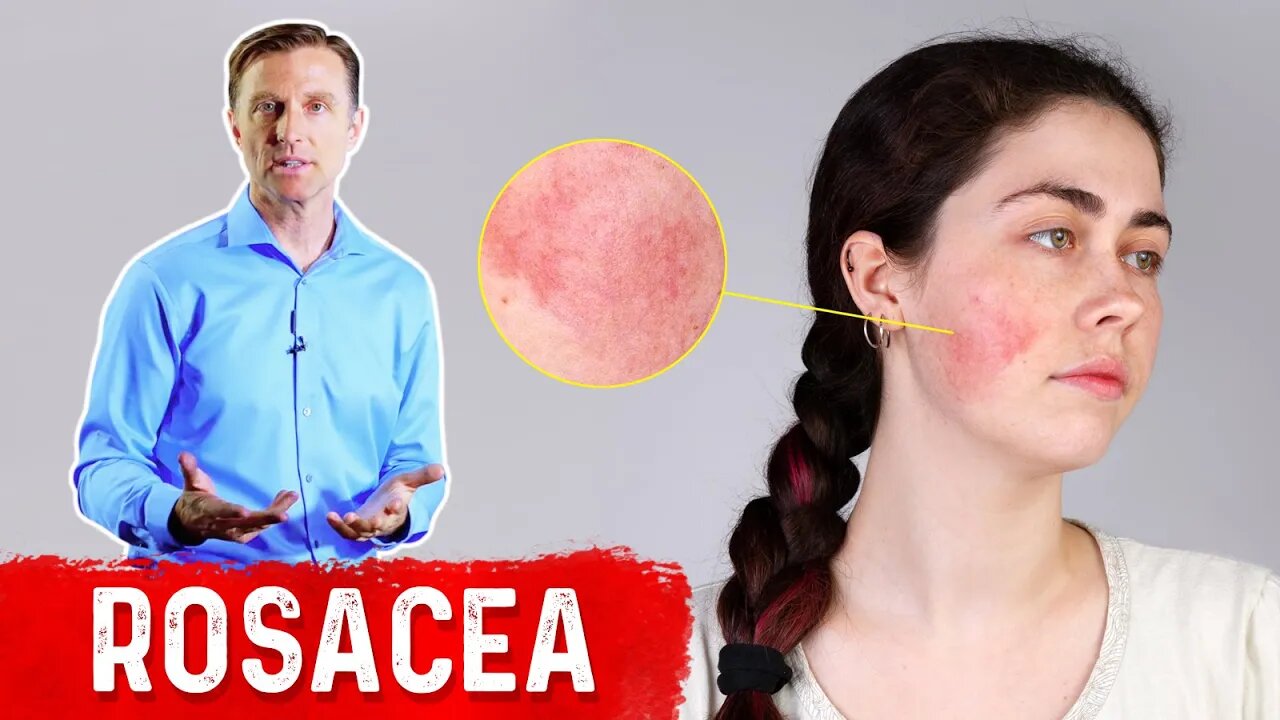
Rosacea often causes:
- Flushing that comes and goes
- Redness that lasts longer over time
- Small visible blood vessels
- Red bumps or pus-filled spots
- Burning, stinging, or skin sensitivity
- Dry, rough, or swollen skin
- Eye dryness, redness, or a gritty feeling
Rosacea is not caused by poor hygiene. It is also not the same as acne, although both conditions can cause bumps.
What treatment can and cannot do
Treatment can lower redness, reduce bumps, limit flares, and protect the eyes. It may not remove every visible blood vessel or prevent every flare. Rosacea can also return when treatment stops, so long-term care is often needed.
The American Academy of Dermatology provides patient guidance on rosacea symptoms and treatment options through its rosacea resource center.
Prescription treatments for rosacea
Prescription treatment depends on the main symptom. A clinician may prescribe a cream, gel, lotion, pill, or procedure.
For rosacea bumps and pustules
Several topical medicines can reduce inflammatory bumps:
- Azelaic acid can help with bumps and may reduce some redness.
- Metronidazole is available as a cream, gel, or lotion. It helps control inflammatory lesions.
- Ivermectin cream can reduce bumps and inflammation. It may be especially useful when microscopic skin mites are thought to add to inflammation, although rosacea is not simply an infection.
- Minocycline foam is another prescription option for some adults.
These medicines often take several weeks to show a clear effect. Applying more than directed will not make them work faster and may worsen burning or dryness.
For persistent facial redness
Two FDA-approved topical medicines may temporarily reduce facial redness:
- Brimonidine gel
- Oxymetazoline cream
They narrow small blood vessels in the skin. Their effect is temporary, so they are used to control visible redness rather than cure rosacea.
Some people notice worsening redness after the effect fades. Tell the prescriber if this happens. Use these medicines only as directed, and avoid getting them in the eyes.
For frequent or more severe flares
A clinician may prescribe oral doxycycline for inflammatory rosacea. At some doses, doxycycline is used mainly for its anti-inflammatory effect rather than its ability to kill bacteria.
Possible side effects include stomach upset, heartburn, sun sensitivity, and yeast infections. Take it exactly as prescribed. Ask your clinician about safe use during pregnancy, while breastfeeding, or when taking other medicines.
Oral antibiotics are not a good long-term choice for everyone. A clinician may use the lowest effective dose for the shortest suitable period and then switch to topical treatment or another plan.
For visible blood vessels and lasting redness
Laser and light procedures can reduce some visible blood vessels and persistent redness. Common options include:
- Pulsed dye laser
- Nd:YAG laser
- Intense pulsed light, or IPL
Results vary by skin tone, vessel size, treatment settings, and the provider’s experience. These procedures can cause temporary swelling, bruising, color changes, or discomfort. They should be performed by a qualified medical professional who understands rosacea and your skin type.

A simple daily skin-care plan
Gentle skin care can reduce irritation and support medical treatment. It will not replace prescription treatment when symptoms are moderate or severe, but it can make flares less frequent for some people.
Morning
- Wash with lukewarm water and a mild, fragrance-free cleanser.
- Pat the skin dry with a soft towel. Do not rub.
- Apply a plain moisturizer made for sensitive skin.
- Apply broad-spectrum sunscreen with SPF 30 or higher.
Mineral sunscreens that contain zinc oxide or titanium dioxide may be easier for sensitive skin to tolerate. If a sunscreen stings, try a fragrance-free mineral product or ask a dermatologist for another option.
Evening
- Remove makeup gently.
- Cleanse without scrubbing.
- Apply prescribed rosacea medicine as directed.
- Use moisturizer if your skin feels dry or tight.
Wait until the skin is dry before applying some prescription products if your clinician or product instructions recommend it. Dry skin may sting less than damp skin.
Products that may cause trouble
Avoid or limit products that contain:
- Fragrance
- Alcohol
- Menthol
- Camphor
- Eucalyptus oil
- Strong acids
- Abrasive scrubs
- Harsh exfoliants
- Very hot water
Do not start several new products at once. Add one product at a time and test it on a small area first. Stop using it if you develop marked swelling, hives, blistering, or severe burning.
Makeup can cover redness, but heavy layers may irritate the skin. Choose non-comedogenic, fragrance-free products when possible and remove them gently at night.
Find and reduce your rosacea triggers
Triggers vary from person to person. A food, drink, or activity that affects one person may not affect another.
Common reported triggers include:
- Sun exposure
- Hot weather or sudden temperature changes
- Hot drinks
- Spicy foods
- Alcohol
- Emotional stress
- Strenuous exercise
- Hot baths, saunas, and heated rooms
- Wind and cold
- Some skin-care products
Keep a simple diary for two to four weeks. Record the time of a flare, what you ate or drank, weather conditions, exercise, stress, skin products, and medicines. This can help you find patterns without forcing you to avoid every possible trigger.
You do not need to remove many foods from your diet unless you see a clear link. Unnecessary restriction can make meals harder and may reduce nutrition.
Try practical changes instead of aiming for perfect avoidance:
- Use a hat and seek shade outdoors.
- Cool your face with a fan or a cool, damp cloth.
- Let hot drinks cool before drinking them.
- Reduce alcohol if it reliably causes flushing.
- Exercise in a cool room or at a cooler time of day.
- Use a scarf to protect your face from cold wind.
- Take slow breaks during stressful activities.
What can be done for ocular rosacea?
Eye symptoms need medical attention because untreated inflammation can damage the cornea, the clear front surface of the eye.
Possible symptoms include:
- Dry or watery eyes
- Burning or stinging
- Red, swollen eyelids
- Crust along the eyelashes
- A gritty feeling
- Light sensitivity
- Blurred vision
A clinician may recommend warm eyelid compresses, gentle eyelid cleaning, lubricating eye drops, or prescription treatment. Some people need evaluation by an eye doctor, especially when symptoms are persistent or affect vision.
Seek prompt medical care for eye pain, sudden vision changes, strong light sensitivity, or a feeling that something is stuck in the eye. These symptoms can signal a more serious eye problem and should not be blamed on rosacea without an examination.
Do not use leftover antibiotic or steroid eye drops. Eye medicines can cause harm when used without the right diagnosis.
When should you see a doctor?
Make an appointment if facial redness or bumps last for several weeks, keep returning, or affect your confidence and daily life. A primary care clinician can start an evaluation, while a dermatologist can offer more treatment options.
Seek care sooner when:
- Redness is spreading quickly.
- The skin is painful, swollen, crusted, or draining.
- Symptoms began after a new medicine.
- You have eye redness, pain, or vision changes.
- Thickened skin develops around the nose.
- Over-the-counter products cause strong burning or swelling.
- You are pregnant, trying to become pregnant, or breastfeeding.
Call emergency services for trouble breathing, swelling of the lips or tongue, fainting, or widespread hives. Those symptoms may indicate a severe allergic reaction, not a typical rosacea flare.
A diagnosis also matters because some conditions that resemble rosacea need different treatment. For example, steroid creams can sometimes worsen rosacea-like rashes when used on the face without medical guidance.
Common mistakes that can make rosacea worse
Scrubbing away the redness
Rosacea is not dirt trapped in the pores. Scrubs, cleansing brushes, and rough towels can damage the skin barrier and increase burning.
Using steroid cream without advice
Topical corticosteroids may briefly reduce redness, but they can worsen rosacea or cause rebound symptoms when used on the face without supervision. Ask a clinician before using them.
Stopping treatment too soon
Some medicines need several weeks to work. Follow the prescribed schedule and contact the prescriber if side effects occur or symptoms do not improve.
Changing too many products at once
If several new products cause irritation, it becomes hard to identify the cause. Keep the routine simple while the skin settles.
Treating every flare as an allergy
Flushing may come from heat, stress, alcohol, or rosacea itself. Hives, swelling, wheezing, or breathing trouble point to a possible allergy and need urgent attention.
Assuming diet alone will cure rosacea
Diet changes may reduce personal triggers, but there is no proven diet that cures rosacea. Treatment usually works best when skin care, trigger control, and medical care are combined.
How long does rosacea treatment take?
Some people notice less irritation within a few weeks, but visible improvement can take longer. Topical medicines for bumps often need several weeks of regular use. Laser or light treatment may require more than one session.
Track progress with photos taken in similar lighting once every few weeks. Daily changes can be hard to judge because redness naturally rises and falls.
Contact your clinician if:
- Symptoms are clearly worsening.
- The medicine causes severe burning, swelling, or a rash.
- There is no improvement after the agreed treatment period.
- Eye symptoms appear.
- You are using a medicine differently because of side effects.
Do not increase the dose, apply extra product, or combine prescription medicines without advice.
Key takeaways
- Rosacea can usually be controlled, even though it has no permanent cure.
- Use gentle, fragrance-free skin care and broad-spectrum SPF 30 or higher.
- Prescription treatment should match the main problem: bumps, redness, visible vessels, or eye symptoms.
- Track personal triggers instead of avoiding every possible food or activity.
- Get prompt medical help for eye pain, vision changes, severe swelling, or rapid worsening.
Frequently asked questions
Can rosacea go away on its own?
A mild flare may settle, but rosacea often returns or slowly becomes more persistent without management. Early treatment may help reduce symptoms and prevent avoidable irritation.
What is the fastest way to calm a rosacea flare?
Move away from the trigger, cool the skin with a cool damp cloth, avoid rubbing, and use only products your skin already tolerates. Do not apply ice directly to the skin. If flares are frequent or severe, ask a clinician about a treatment plan.
Is rosacea caused by bacteria?
Rosacea is not simply a bacterial infection. Its causes are complex and may include immune activity, blood-vessel changes, skin-barrier problems, genetics, and environmental triggers. Antibiotics may help because some also reduce inflammation.
Can I use retinol if I have rosacea?
Retinol can irritate sensitive skin and may worsen burning or redness. Some people can use it at a low strength, but wait until rosacea is controlled and ask a dermatologist before starting it.
Does sunscreen help rosacea?
Yes. Sun exposure is a common trigger and can worsen lasting redness. Use broad-spectrum SPF 30 or higher each day, along with shade, a hat, and other sun protection.
Which doctor treats rosacea?
A primary care clinician can assess symptoms and begin treatment. A dermatologist treats difficult or persistent rosacea and can provide procedures such as laser therapy. An eye doctor may be needed for ocular rosacea.
Conclusion
The most useful approach to rosacea is steady rather than harsh: confirm the diagnosis, protect the skin from the sun, avoid personal triggers, and use treatment matched to your symptoms. A simple routine can help, but persistent bumps, lasting redness, or eye symptoms deserve professional care.
Start by taking a clear photo, listing your current products and medicines, and writing down your main symptoms. Bring that information to a clinician so you can build a safer, more focused treatment plan.
Medical sources: American Academy of Dermatology: Rosacea, National Rosacea Society, and NIH MedlinePlus: Rosacea.
