
Usually, tubing mascara does not pull out healthy eyelashes when you apply and remove it gently. It can, however, contribute to lash breakage or lash loss if you rub your eyes, peel off dry tubes, use an old product, or tug at clumps.
For people in the United States, tubing mascara is sold as an eye cosmetic, not a treatment for eyelash growth. Its safety depends on the formula, your removal method, and the health of your natural lashes.

What Is Tubing Mascara?
Tubing mascara uses film-forming ingredients to wrap each eyelash in a small, flexible coating. The coating looks like a tube around the lash, which gives this type of mascara its name.
Traditional mascara usually paints pigment over the lashes. Tubing mascara forms a polymer film around them instead. This can help the product resist smudging, flaking, sweat, and light moisture.
The word “tubing” describes how the formula coats the lash. It does not mean that the mascara permanently attaches to the hair or pulls from the follicle.
Tubing mascara compared with regular mascara
| Feature | Tubing mascara | Traditional mascara |
|---|---|---|
| How it coats lashes | Forms a film around each lash | Paints pigment onto the lash |
| Typical removal | Warm water and gentle pressure, if the label allows | Makeup remover or cleanser |
| Smudge resistance | Often high | Varies |
| Risk during removal | Tugging at dry tubes | Rubbing with remover or cotton pads |
| Lash curl effect | Depends on the formula and wand | Depends on the formula and wand |
Formulas vary. Some products marketed as “tubing” may also contain waxes, oils, or water-resistant ingredients. Always follow the removal directions on the package rather than assuming every tubing mascara behaves the same way.

Can Tubing Mascara Cause Eyelash Loss?
Tubing mascara can cause lash loss indirectly, but the mascara itself does not normally pull lashes from the follicle.
A natural eyelash may come out during makeup removal because it has already reached the end of its growth cycle. Rubbing or pulling can also remove a lash that is loose or weaken one that is still attached.
The most common causes of mascara-related lash loss include:
- Peeling off dry mascara tubes
- Scrubbing the eyelids or lash line
- Pulling at clumps with fingers or tweezers
- Using a stiff or dried-out mascara
- Applying many heavy coats
- Sleeping in eye makeup
- Sharing mascara and developing eye irritation
- Using a product that causes an allergic reaction
- Repeatedly using an eyelash curler after mascara has dried
Lash shedding is not always caused by mascara
Eyelashes grow in cycles. Each lash eventually rests and sheds, then a new lash grows from the same follicle. Losing an occasional eyelash during washing or makeup removal can be normal.
A few loose lashes do not prove that tubing mascara caused damage. A clear pattern of thinning, broken lashes, bald spots, or irritation deserves more attention.
Other possible causes of eyelash loss include:
- Eyelid inflammation, also called blepharitis
- Eczema or contact dermatitis
- Allergies
- Eye rubbing
- Certain medicines
- Thyroid disorders
- Autoimmune conditions
- Trichotillomania, or repeated hair pulling - Recent eye procedures or extensions
No strong clinical evidence shows that all tubing mascaras cause eyelash loss. The available concern is mainly linked to mechanical stress, irritation, poor hygiene, and forceful removal. Product ingredients and individual reactions differ.
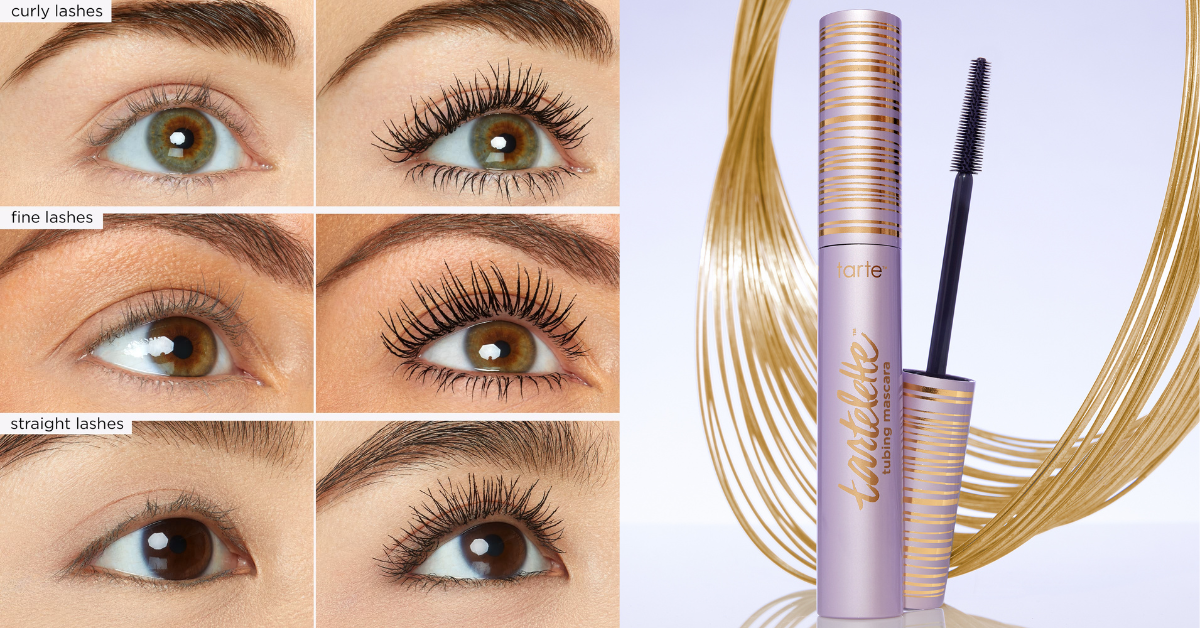
How to Remove Tubing Mascara Without Pulling Out Lashes
The safest approach is to soften the mascara first and avoid peeling it off while it is dry.
Follow these steps
Wash your hands.
This helps reduce the chance of transferring germs to the eye area.Check the product directions.
Some tubing mascaras come off with warm water alone. Others may recommend a cleanser or eye makeup remover.Use comfortably warm water.
Do not use hot water near your eyes. Hold a wet, warm washcloth over closed eyes for several seconds if the label permits this method.Let the coating soften.
Do not scrape, pick, or pull at the mascara. The tubes should slide away more easily once they are wet.Use light downward pressure.
Gently press the lashes between clean fingertips or a soft washcloth. Move from the base toward the tips without rubbing back and forth.Rinse away any residue.
If the product does not release with water, use the remover recommended on the label. Stop if you feel pulling or stinging.Pat the area dry.
Avoid rubbing the lashes with a towel.
You may see tiny dark or clear pieces that look like lashes. Tubing mascara often comes off in short sleeve-like pieces, so these pieces are not necessarily eyelashes. If a piece has a white bulb at one end, it may be a shed lash, but even that does not prove the mascara caused the lash to fall.
What to do if the tubes will not come off
Do not force them. Add more warm water or use the product’s recommended remover. If your eyes sting, become red, or feel gritty, rinse with clean water and stop using the mascara until the symptoms settle.
If a product repeatedly requires hard rubbing, it may not suit your eyes or removal routine. A different formula may be safer for you.

Why Does Tubing Mascara Feel Like It Pulls?
Tubing mascara may feel tight when it dries because the film contracts slightly around the lash. That sensation is different from the mascara pulling the lash out of its follicle.
The feeling may become stronger when:
- The mascara has dried on the lashes for many hours
- You applied several coats
- The formula is old or thick
- Your lashes are naturally dry or brittle
- You remove the product with a dry cotton pad
- You rub from side to side
- Several lashes have stuck together
A light coating should release with little effort. If removal feels like waxing, stop and soften the product further.
Dryness and brittleness
Mascara does not moisturize eyelashes in the same way that a conditioner moisturizes scalp hair. Repeated exposure to drying formulas, rubbing, and makeup removal may leave lashes feeling rough or brittle.
A brittle lash can break in the middle rather than fall out from the root. Breakage may make the lashes look shorter or uneven, even when the follicles remain healthy.

Tubing Mascara vs. Waterproof Mascara: Which Is Gentler?
Neither type is automatically safer for every person. The key difference is how each product is removed.
Waterproof mascara often needs an oil-based or dual-phase makeup remover. Tubing mascara may release with warm water and gentle pressure. This can reduce rubbing for some users, but it can also cause pulling if the user peels off dry tubes.
| Situation | Tubing mascara may be useful | Another formula may be better |
|---|---|---|
| You dislike under-eye smudges | Often resists smearing | — |
| You prefer simple water removal | May suit you if the label allows it | — |
| Your lashes are very dry or fragile | Use light coats and careful removal | A lighter formula may feel better |
| You have sensitive eyes | Check ingredients and patch-test around, not in, the eye | Fragrance-free or ophthalmologist-tested options may be worth considering |
| You rub during removal | It may reduce the need for remover | Any formula can cause loss if removal is forceful |
“Ophthalmologist-tested” does not guarantee that a product will never irritate you. It also does not mean the product is suitable for every eye condition. Read the ingredient list and stop using the product if irritation occurs.

How to Use Tubing Mascara More Safely
Good application and hygiene can reduce avoidable lash stress.
Before applying
- Check that the product is intended for use around the eyes.
- Do not use mascara that has changed smell, texture, or color.
- Do not add water, saliva, or another liquid to the tube.
- Avoid sharing mascara.
- Check the package for the period-after-opening guidance.
- Do not use the product if you have an active eye infection or significant eyelid irritation.
The U.S. Food and Drug Administration advises consumers to avoid sharing eye cosmetics and to discard eye makeup that may have become contaminated. The FDA also warns against adding saliva or water to cosmetics because it can introduce germs.
During application
- Apply thin coats instead of one thick, heavy layer.
- Let each coat set without repeatedly combing through it.
- Do not push the wand into the eye.
- Avoid pumping the wand in and out of the tube, which can force air into the product and dry it out.
- Do not use a lash curler on stiff, mascara-covered lashes unless the product instructions specifically support it.
During removal
- Soften the product before touching the lashes.
- Do not peel dry tubes.
- Do not use tweezers to remove clumps.
- Do not scrub the lash line.
- Use a clean washcloth or clean fingertips.
- Stop when removal causes pain, burning, or noticeable lash tugging.

Signs That Tubing Mascara May Be Damaging Your Lashes
Stop using the product and review your removal method if you notice:
- More lashes on your washcloth than usual
- Short, broken lashes
- Uneven gaps in the lash line
- Persistent eyelid redness
- Itching, swelling, burning, or crusting
- A rash around the eyes
- Pain or light sensitivity
- Repeated gritty or dry-eye sensations
A small amount of shedding can be normal. Sudden or patchy loss is not something to dismiss as ordinary mascara shedding.
Seek medical care from an eye-care professional or health-care provider if you have pain, vision changes, marked swelling, pus-like discharge, light sensitivity, or symptoms that do not improve after stopping the product. These signs may point to an eye problem rather than simple cosmetic irritation.
If your lashes keep thinning without clear irritation, a dermatologist or eye doctor can help look for causes such as eyelid disease, skin conditions, medication effects, or systemic illness.
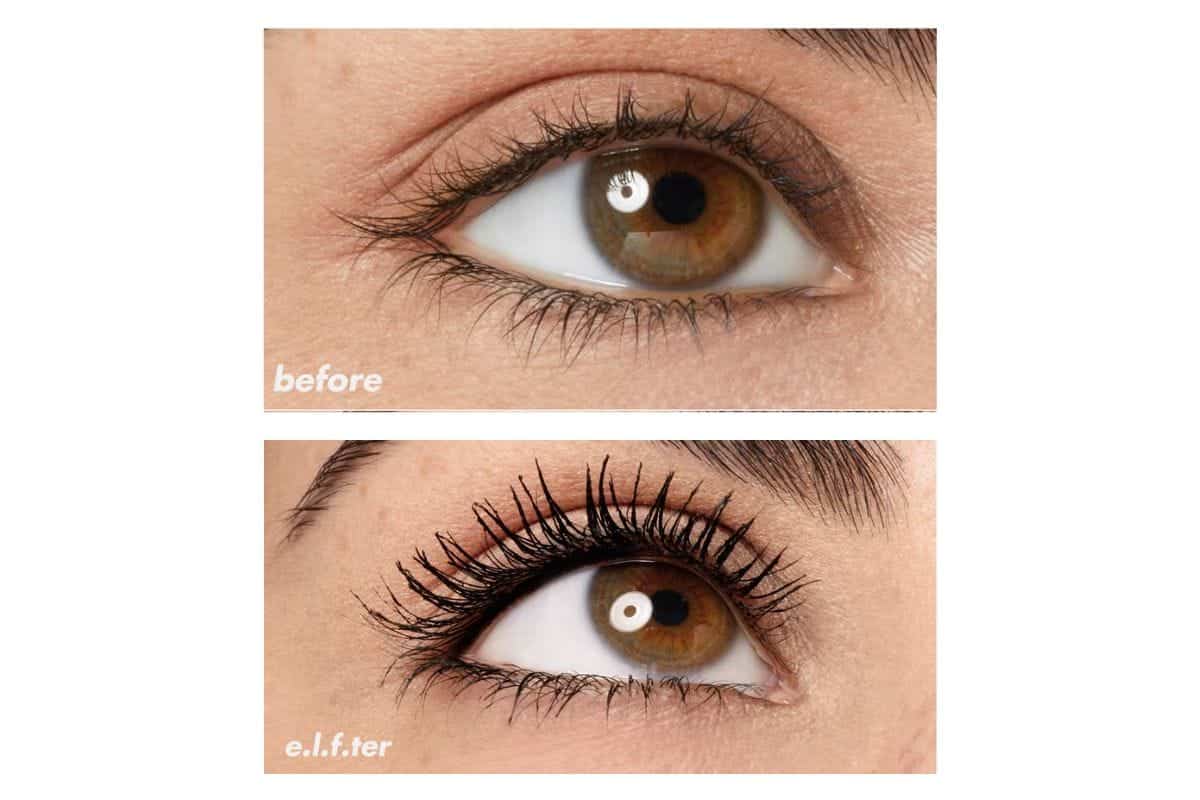
Common Mistakes That Increase the Risk of Lash Pulling
Peeling the mascara off dry
This is the clearest avoidable mistake. Dry tubes can grip several lashes at once. Pulling them away may remove loose lashes or break attached ones.
Rubbing because the mascara is “waterproof”
Tubing mascara may resist ordinary splashes but still need time to soften. Rubbing harder does not make it safer or faster.
Using an old tube
Mascara can collect bacteria over time. An old product may also become thick and harder to remove. Follow the product label and replace it when it dries out, smells different, or appears contaminated.
Sleeping in mascara
Leaving mascara on overnight can make removal more difficult the next day. It may also increase rubbing and irritation around the eyelids.
Applying coats until the lashes feel stiff
More product can create a stronger film and more clumping. Use the least amount that gives you the look you want.
Confusing a shed tube with a shed lash
Tubing mascara often comes off in small pieces. Look at the piece before assuming a natural lash came out. Avoid pulling at either one.

Does Tubing Mascara Help Eyelash Growth?
No. Tubing mascara does not make eyelashes grow. It can make lashes look longer or more defined by coating each lash, but that is a cosmetic effect.
Some mascaras contain conditioning ingredients. A conditioning claim does not prove that the product increases lash growth, prevents shedding, or changes the lash growth cycle.
Products that claim to promote lash growth may contain active ingredients with different risks. For example, prescription eyelash-growth treatment has specific directions and possible side effects, including changes in eyelid skin or iris color. Do not treat ordinary mascara as a growth treatment.
If your goal is longer lashes, first identify whether you have breakage, normal shedding, irritation, or true thinning. The right next step differs for each cause.

When Should You Stop Using a Tubing Mascara?
Stop using the mascara if it causes burning, itching, swelling, rash, pain, or repeated lash breakage. Rinse the eye area if product enters the eye and causes discomfort.
Do not keep testing a product that causes the same reaction. An allergic or irritant response can worsen with repeated exposure.
If symptoms are severe, affect vision, or include intense pain or light sensitivity, seek prompt medical care. For ongoing lash loss without obvious irritation, arrange an evaluation with a dermatologist or eye-care professional.

Key Takeaways
- Tubing mascara usually does not pull healthy eyelashes out by itself.
- Forceful removal can cause lash breakage or remove loose lashes.
- Soften the mascara before removing it.
- Follow the product label because formulas differ.
- Do not peel, scrape, or rub dry tubing mascara.
- Replace old or contaminated eye makeup.
- Stop use if you develop irritation, pain, swelling, or unusual lash loss.
- Tubing mascara can make lashes look longer, but it does not promote lash growth.
FAQs
Is tubing mascara safer for eyelashes than regular mascara?
Not automatically. It may be easier to remove without rubbing when the formula releases with warm water. But peeling dry tubes can create more tugging. The gentler choice is the one you can remove without force and that does not irritate your eyes.
Can tubing mascara make eyelashes thin?
It can contribute to the appearance of thinner lashes if it causes repeated breakage or if you pull during removal. Persistent thinning can also have medical or non-cosmetic causes, so do not assume mascara is responsible without looking at the pattern.
Should I use makeup remover with tubing mascara?
Use the remover recommended by the product label. Some tubing mascaras release with warm water, while others may need a cleanser. If water alone does not work, avoid scrubbing and use a suitable eye makeup remover.
Can I wear tubing mascara every day?
Many people use it daily without trouble, but daily wear increases the importance of clean application, regular replacement, and gentle removal. Give your eyes a break if the eyelids become irritated or your lashes begin to break.
How can I tell whether a piece is mascara or an eyelash?
A tubing mascara piece often looks like a short sleeve or small dark tube. A natural lash is thin and tapered. Do not pull at the piece to investigate; soften and rinse it away instead.
Conclusion
Tubing mascara is not normally a lash-pulling product. The main risk comes from what happens when the coating dries: peeling, rubbing, clumping, and rough removal can stress the lashes and eyelid skin.
Apply a light coat, let it set, and soften it fully before removal. If you notice pain, inflammation, broken lashes, bald spots, or ongoing shedding, stop the product and seek advice from an eye-care professional or dermatologist.
Sources and Evidence
- U.S. Food and Drug Administration, Eye Cosmetic Safety: https://www.fda.gov/consumers/consumer-updates/eye-cosmetic-safety
- U.S. Food and Drug Administration, Cosmetics Safety Q&A: Personal Care Products: https://www.fda.gov/cosmetics/cosmetic-products-ingredients/cosmetics-safety-qa-personal-care-products
- American Academy of Ophthalmology, How to Apply Eye Makeup Safely: https://www.aao.org/eye-health/tips-prevention/eye-makeup
- American Academy of Dermatology Association, Hair Loss: Diagnosis and Treatment: https://www.aad.org/public/diseases/hair-loss/treatment/diagnosis-treatment
- U.S. National Library of Medicine, Eyelash Disorders and Madarosis Overview: https://www.ncbi.nlm.nih.gov/biomedical-literature/nd/
