
Introduction
For people in the United States with combination skin, 100% plant-derived squalane is usually the best first oil to try. It is light, spreads easily, and can soften dry areas without feeling as heavy as many facial oils.
That said, no oil can balance every skin type. An oily forehead, nose, and chin may need less product, while dry cheeks may need more. The best choice depends on acne risk, sensitivity, climate, and the rest of your skin-care routine.
Use oil as the last step of a routine, or mix one drop into moisturizer. Start slowly. More oil does not mean more moisture.

What Combination Skin Needs
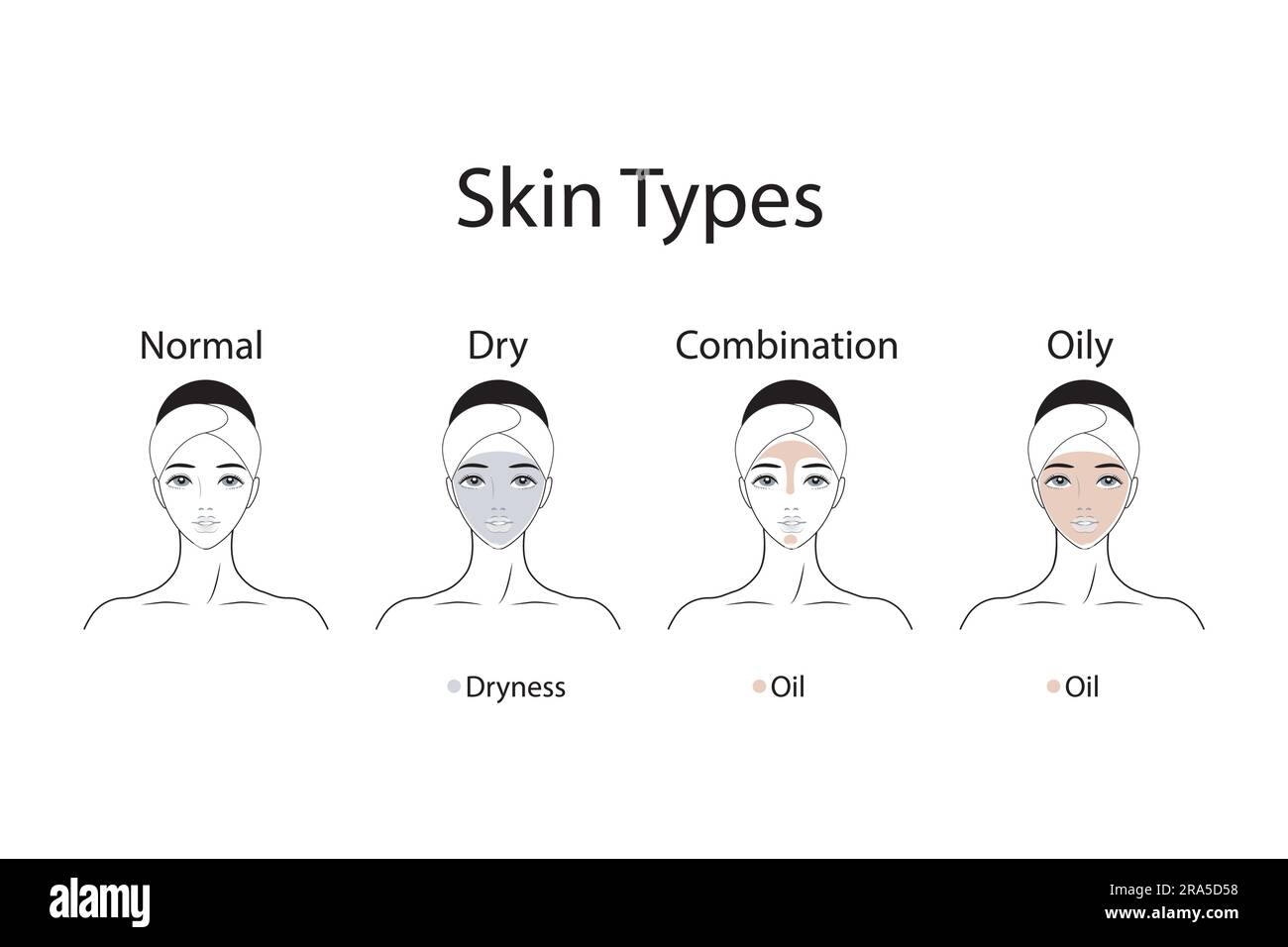
Combination skin has both oily and dry areas. Most people notice extra oil in the T-zone—the forehead, nose, and chin—and less oil on the cheeks or around the mouth.
Oil can help by forming an occlusive layer. This layer slows water loss from the skin. However, oil does not add water to the skin. If your face feels tight or flaky, apply a water-based moisturizer first.
A simple routine looks like this:
- Cleanse with a mild, fragrance-free cleanser.
- Apply a hydrating product to slightly damp skin.
- Use moisturizer where the skin feels dry.
- Apply a small amount of facial oil last, mainly to dry areas.
- Use broad-spectrum sunscreen with SPF 30 or higher during the day.
Combination skin often does better with targeted use than with the same amount of oil on the whole face.
Oil, sebum, and moisture are not the same
- Sebum is the oil made by your skin.
- Moisture refers mainly to water in the outer skin layer.
- Facial oil helps reduce water loss but does not replace a moisturizer.
- Hydration and oiliness can occur at the same time.
This explains why combination skin can look shiny but still feel dry.

The Best Oils for Combination Skin
1. Squalane: the best all-around starting point
Squalane is a lightweight emollient. It helps make skin feel soft and smooth without the thick feel of some plant oils.
Cosmetic squalane is usually made from sugar cane or olives. It is different from squalene, a natural skin lipid that can oxidize more easily. Squalane is the more stable form used in many skin-care products.
Squalane may suit combination skin because it:
- Has a light, smooth texture
- Spreads well with one or two drops
- Works on dry cheeks and around the mouth
- Usually leaves less shine than heavier oils
- Can fit into a simple routine
Squalane is not proven to prevent acne. It can still cause congestion for some people, especially when applied in large amounts or layered over several rich products.
Best use: Apply one or two drops after moisturizer, or use it only on dry areas.
2. Jojoba oil: a good choice for dry patches
Jojoba oil is technically a liquid wax ester rather than a typical plant oil. Its feel is close to some of the lipids found on the skin’s surface.
It has a slightly richer feel than squalane, but many people find it comfortable on dry or flaky areas. It may be a useful choice when squalane feels too light.
Jojoba oil may work well for:
- Dry cheeks
- Rough patches
- Skin that feels tight after cleansing
- People who prefer a more cushiony texture
Use less on the T-zone. A few drops over the full face may feel greasy, especially in warm or humid US climates.
3. Mineral oil: effective for very dry or sensitive areas
Cosmetic-grade mineral oil is a highly refined ingredient used in skin-care products. It forms a strong barrier that can reduce water loss.
Despite common online myths, cosmetic-grade mineral oil is not the same as industrial oil. It is widely used in products made for sensitive skin. The American Academy of Dermatology Association lists petroleum-based ingredients among options that can help protect dry skin.
Mineral oil may be useful when:
- Your cheeks are very dry
- Your skin barrier feels damaged
- Cold, dry weather causes cracking
- You need a simple, low-irritant seal
It can feel heavy and shiny. For combination skin, use a tiny amount on dry patches rather than spreading it over the oily T-zone.
4. Rosehip oil: a lighter plant oil with limited evidence
Rosehip oil contains fatty acids and naturally occurring compounds such as carotenoids. It is popular in facial oils, but strong clinical evidence that it balances combination skin is limited.
It may soften dry skin, but it is not a proven treatment for acne, dark spots, wrinkles, or scars. It can also vary by formula and may oxidize over time.
If you try rosehip oil:
- Choose a product with a clear ingredient list
- Store it away from heat and light
- Stop using it if it causes itching, redness, or bumps
- Do not treat it as a replacement for sunscreen or acne medicine
5. Sunflower seed oil: a gentle option for barrier support
Sunflower seed oil contains linoleic acid, a fatty acid used in the skin barrier. Small studies suggest that some sunflower oil preparations may support the outer skin barrier, but results depend on the product and the way it is used.
It can be a reasonable choice for dry areas. However, “natural” does not automatically mean safer. Fragrance, essential oils, and poor storage can still cause problems.
Oils to approach with caution
Some oils are more likely to feel heavy or cause problems for acne-prone combination skin:
- Coconut oil: often feels rich and may clog pores for some facial skin.
- Olive oil: may be too heavy for some people and may not suit a damaged skin barrier.
- Cocoa butter: thick and more likely to feel occlusive.
- Essential oils: can trigger irritation or allergic contact dermatitis.
- Undiluted tea tree oil: may burn or irritate the skin.
A product’s full formula matters more than the name of one oil. Preservatives, fragrance, extracts, and the amount used can change how your skin responds.

How to Choose an Oil for Your Skin
The right oil depends on your main problem. Use this quick guide:
| Main concern | Best first option | How to use it |
|---|---|---|
| Mild dryness with an oily T-zone | Squalane | One or two drops on dry areas |
| Dry, rough cheeks | Jojoba oil | Apply over moisturizer at night |
| Very dry or irritated patches | Mineral oil | Use a thin layer on affected areas |
| Preference for a plant oil | Sunflower seed or rosehip oil | Patch test and use sparingly |
| Frequent clogged pores | Squalane, cautiously | Start on one small area |
| Fragrance sensitivity | Plain, fragrance-free formula | Avoid essential oils and perfume |
Look for products with:
- A short ingredient list
- No added fragrance
- No essential oils if you are sensitive
- A pump or dropper that limits contamination
- Clear labeling of the oil or blend
- Packaging that protects light-sensitive oils
“Noncomedogenic” can be helpful, but it is not a guarantee. There is no single test that predicts how every person’s pores will respond.
Check the texture
A lightweight oil should spread with little effort and leave a thin film. If your face stays slick for hours, use less or switch to a lighter product.
Texture is not proof of safety, but it helps with comfort and correct use. A product you apply in a thin layer is often easier to manage than one that feels heavy.

How to Apply Facial Oil Without Making Combination Skin Greasy
Use this method for the lowest-risk trial:
- Patch test first. Apply a small amount to the jawline or behind the ear once daily for several days.
- Cleanse gently. Avoid scrubbing or using very hot water.
- Apply hydration. Use a hydrating serum or moisturizer while the skin is slightly damp.
- Target dry areas. Start with one drop for both cheeks.
- Press, do not rub hard. Spread the oil gently over the skin.
- Wait before adding more. Give the product time to settle.
- Use sunscreen in the morning. Oil does not provide reliable sun protection.
At night, you can apply oil after moisturizer. In the morning, use it only if your skin tolerates the texture under sunscreen and makeup.
How much oil should you use?
Start with one or two drops for the full face. Many people need less than they expect.
For combination skin, try this approach:
- One drop for both cheeks
- No oil on the nose and forehead at first
- Add a small amount only if dry areas still feel tight
- Reduce use if you notice shine, bumps, or a heavy film
The best sign is comfortable skin, not a glossy finish.

Facial Oil Versus Oil Cleansing
Facial oil and oil cleansing are different practices.
A leave-on facial oil stays on the skin after moisturizer. Oil cleansing uses an oil or cleansing balm to dissolve makeup, sunscreen, and sebum before the product is removed.
Oil cleansing may work for some people, but it is not required for combination skin. If it leaves a film, causes bumps, or makes your eyes sting, use a gentle cleanser instead.
Do not assume that “natural” oil will remove sunscreen completely. Follow the product instructions, and cleanse again when needed. Avoid aggressive rubbing, especially around the eyes.

Common Mistakes to Avoid
Applying oil before moisturizer
Oil can slow the movement of water into and out of the skin. If you use it first, your moisturizer may not spread well. For most routines, apply moisturizer first and oil last.
Treating the whole face the same way
Combination skin has different needs in different areas. Use oil on dry zones instead of automatically covering the oily T-zone.
Using too much
A large amount will not repair the skin faster. It may increase shine, interfere with sunscreen, or contribute to clogged pores.
Adding several new products at once
If you start an oil, a new cleanser, a serum, and a mask on the same day, you will not know what caused a reaction. Change one product at a time.
Using oil as acne treatment
Facial oil cannot replace proven acne treatments. For blackheads, whiteheads, or inflamed pimples, ingredients such as salicylic acid or benzoyl peroxide may be more appropriate, depending on your skin and medical history.
Using essential oils on the face
Essential oils can smell pleasant but may irritate facial skin. “Natural” is not the same as “non-irritating.”

When to Stop Using an Oil
Stop using the product if you develop:
- Burning or strong stinging
- Hives
- Swelling
- A spreading rash
- Persistent redness
- A sudden increase in small bumps
- Eye irritation
Wash the product off with a gentle cleanser. Seek prompt medical care for facial swelling, trouble breathing, or a severe allergic reaction.
If dryness, acne, or redness continues despite a simple routine, see a board-certified dermatologist. Persistent symptoms may come from acne, rosacea, eczema, seborrheic dermatitis, or contact dermatitis rather than a lack of facial oil.
Frequently Asked Questions
Is squalane or jojoba oil better for combination skin?
Squalane is usually the better first choice because it feels lighter. Jojoba oil may be better for dry, rough areas that need a richer layer. Try one product at a time.
Can facial oil make combination skin more oily?
Yes. Oil can add shine and feel heavy, especially on the T-zone. Apply a small amount only to dry areas and stop if new bumps appear.
Should I use facial oil every day?
Not always. Start two or three nights per week. If your skin stays comfortable and clear, you may use it more often. Some people need oil only during cold or dry weather.
Is rosehip oil good for acne-prone combination skin?
It may soften dry skin, but it is not a proven acne treatment. Patch test it, use a small amount, and avoid formulas with added fragrance or essential oils.
Can I use facial oil under sunscreen?
You can, if the oil does not make your sunscreen slide or pill. Apply moisturizer and oil sparingly, then let them settle before sunscreen. Oil does not replace sunscreen.
What oil is best for combination skin in winter?
Squalane can help mild winter dryness. For cracked or very dry patches, mineral oil may provide a stronger barrier. Keep oil mainly on dry areas and continue using moisturizer.
Conclusion
For most people with combination skin, squalane is the best oil to try first because it is light, stable, and easy to use in small amounts. Jojoba oil is a good richer option, while mineral oil can help protect very dry patches.
Apply oil after moisturizer, target the dry areas, and start with one or two drops. Avoid assuming that every natural oil is safe for the face. If a product causes burning, rash, or persistent bumps, stop using it and seek professional advice when needed.
Evidence used
- American Academy of Dermatology Association: Skin care tips for dry skin
- American Academy of Dermatology Association: How to control oily skin
- DermNet: Emollients and moisturizers
- DermNet: Contact allergy to essential oils
- National Institute of Arthritis and Musculoskeletal and Skin Diseases: Atopic dermatitis
