
Yes, you can get your lips tinted. In the United States, “lip tint” usually means one of two things:
- A temporary lip color such as a stain, balm, gloss, or lipstick.
- A semi-permanent cosmetic tattoo called lip blushing or lip blush tattooing.
A temporary tint sits on the lip surface and fades with eating, drinking, washing, and time. Lip blushing uses needles to place pigment into the skin. It can create a longer-lasting wash of color, but it is an invasive cosmetic procedure with real risks.
The best choice depends on how long you want the color to last, how much maintenance you prefer, your skin and lip health, and your comfort with needles.

What does lip tint mean?
Lip tint can describe both makeup and cosmetic tattooing, so ask the provider or brand what they mean before booking or buying.
Temporary lip tint
A temporary tint is a cosmetic product applied to the lips. Common forms include:
- Lip stains
- Tinted lip balms
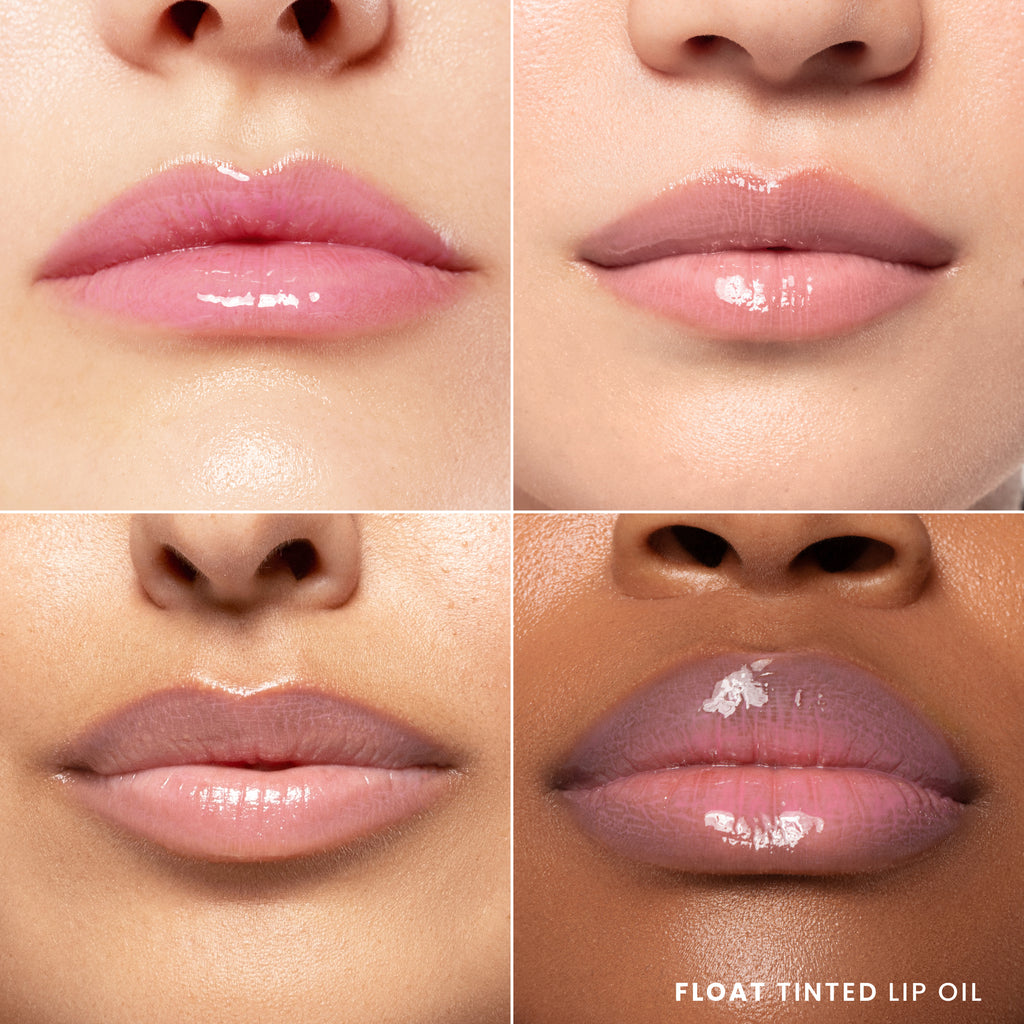
- Tinted lip oils
- Lip glosses
- Lipsticks
- Lip liners
These products add color without piercing the skin. Most last for a few hours, although some stains may leave color for a day or two.
Temporary tint is the lower-risk option for most people. You can also change the shade, stop using it right away, or remove it if your lips become irritated.
Lip blushing
Lip blushing is a form of cosmetic tattooing. A trained provider uses a small needle to place pigment into the lips. The goal is usually to improve the appearance of the natural lip color, define the border, or make the lips look more even.
Lip blushing does not usually create the same effect as opaque lipstick. The healed result is often soft and translucent. The color may fade over time, but it is not instantly removable.
Results vary by person. Factors such as sun exposure, smoking, skin type, immune response, pigment choice, and aftercare can affect how the color heals and fades.
Which type of lip tint is right for you?
Choose a temporary product if you want flexibility. Consider lip blushing only if you understand that it involves needles, healing, possible touch-ups, and a risk of unwanted results.
| Option | How it works | Typical duration | Main benefit | Main limitation |
|---|---|---|---|---|
| Lip balm or gloss | Adds a light layer of color | Hours | Moisture and easy removal | Fades quickly |
| Lip stain | Leaves dye-like color on the surface | Hours to about 1–2 days | More staying power | Can look uneven on dry lips |
| Lipstick | Coats the lips with pigment | Hours | Strongest shade choices | Transfers and needs touch-ups |
| Lip blushing | Places pigment into the skin | Often months to years | Less daily makeup | Involves healing and permanent-change risk |
The duration of a cosmetic tattoo is not guaranteed. “Semi-permanent” means the color may fade, not that it will disappear completely or evenly.
If you are unsure, try a temporary tint in a similar shade for several weeks. This can help you decide whether you like the color and the look of a defined lip border.

How does lip blushing work?
Lip blushing usually starts with a consultation. The provider should discuss your goals, health history, natural lip color, pigment options, expected healing, and the possibility of a touch-up.
A typical appointment may include these steps:
- Consultation: You explain the shade and shape you want.
- Lip inspection: The provider checks for irritation, sores, cracks, or other concerns.
- Design: The provider maps the lip shape with a pencil or cosmetic marker.
- Numbing: A topical anesthetic may be used, if permitted by local rules and appropriate for you.
- Pigment application: A tattoo machine or similar device places pigment into the skin.
- Aftercare instructions: You receive written directions for cleaning and protecting the area.
The first color can look much brighter or darker than the healed result. Swelling and surface irritation are also common after cosmetic tattooing. The color often changes as the skin heals.
Many providers recommend a follow-up visit. A touch-up may be needed because pigment can heal unevenly or fade in some areas. Ask whether a touch-up is included in the quoted price and how long you must wait before having one.
How long does lip blushing take to heal?
The outer surface may look better within several days, but the deeper healing process can take longer. Color may appear uneven while the lips peel or settle.
Do not judge the final shade too soon. Follow the provider’s aftercare plan and contact the provider if you have worsening pain, spreading redness, pus, fever, or other signs of infection.
Lip blushing can also trigger a cold sore outbreak in people who carry herpes simplex virus. The American Academy of Dermatology advises people with a history of cold sores to discuss prevention with a health professional before procedures that may trigger an outbreak.
Is lip tint safe?
Temporary lip makeup is generally low risk when used as directed, but it can still cause irritation or allergic contact dermatitis. Fragrance, flavoring, preservatives, dyes, and some plant extracts may trigger a reaction.
Stop using a product if you develop burning, swelling, itching, blisters, or a rash. Seek urgent medical care for trouble breathing, throat swelling, or rapidly worsening facial swelling.
Cosmetic tattooing has greater risks because it breaks the skin. Potential problems include:
- Infection
- Allergic reaction to pigment or numbing products
- Cold sore reactivation
- Scarring or raised scars
- Uneven color
- Pigment migration beyond the lip border
- Pain, swelling, or prolonged irritation
- Difficulty correcting or removing unwanted color
The U.S. Food and Drug Administration regulates cosmetics, but cosmetic products are not generally approved by the FDA before they go on the market. Tattoo inks and pigments also have specific regulatory limits, and the FDA notes that no color additives are approved for injection into the skin for cosmetic purposes.
That does not mean every lip-blush appointment will cause harm. It does mean you should not treat the procedure as risk-free or assume that a product is safe simply because it is sold in the United States.
Who should avoid lip blushing or get medical advice first?
Postpone the appointment if your lips are cracked, sunburned, inflamed, infected, or affected by an active cold sore. A cosmetic tattoo should not be placed through damaged skin.
Speak with a health professional before booking if you:
- Have had cold sores or genital herpes
- Form keloids or raised scars
- Have a history of severe allergic reactions
- Take blood thinners or have a bleeding disorder
- Have an immune system condition
- Are pregnant or breastfeeding
- Use medicines that affect skin healing
- Have an active lip condition
- Recently received lip filler or another lip procedure
A provider may ask you to obtain medical clearance or wait until a certain period has passed. Do not stop a prescribed medicine just for a cosmetic appointment unless the prescribing clinician tells you to do so.
A history of cold sores does not always rule out lip blushing. However, a clinician may discuss antiviral prevention before and after the procedure.

How to choose a lip-blush provider in the United States
Choose a licensed, trained provider who follows local health rules. Requirements differ by state, county, and city, so check the rules where the procedure will take place.
Before booking, ask:
- What license or training do you hold?
- Is your facility licensed or inspected under local rules?
- Do you use a new, sterile, single-use needle for each client?
- How are reusable tools cleaned and sterilized?
- What pigments and numbing products do you use?
- What happens if I have an allergic reaction or infection?
- How do you handle cold sore risk?
- Can I see healed results, not only fresh results?
- How many sessions might I need?
- What is the total cost, including touch-ups?
- What are your correction and removal policies?
A clean room and professional manner are helpful, but they do not prove that a provider is properly trained. Look for clear answers, written aftercare, careful health screening, and realistic promises.
Be cautious if a provider:
- Promises a guaranteed shade or exact result
- Claims the procedure is risk-free
- Uses pressure to book immediately
- Cannot explain sterilization
- Reuses needles or single-use supplies
- Works over active sores or broken skin
- Shows only heavily edited photos
- Refuses to discuss complications
A provider should also respect your natural lip shape. Ask whether the proposed outline will remain within your natural border. Overdrawing a lip with pigment can create a result that is difficult to correct.

How to care for tinted lips
For temporary tint, apply the product to clean, dry lips. Use a lip balm first if the formula makes your lips feel dry, but remember that balm can reduce how well some stains adhere.
Do not share lip products. Sharing can spread infections, including cold sores. Replace products according to the label and discard them if they smell different, change texture, or become visibly contaminated.
After lip blushing, follow the provider’s written instructions. Common guidance may include:
- Keep the area clean.
- Avoid picking or peeling flakes.
- Do not apply unapproved products.
- Limit sun exposure during healing.
- Avoid swimming or soaking the area until cleared.
- Avoid procedures that may irritate the lips.
- Use only products your provider recommends for aftercare.
Aftercare instructions can vary by technique and product. The safest plan is to follow the instructions from the qualified provider and ask what to do if the lips become unusually painful or swollen.
Contact a health professional if symptoms worsen instead of improving. Warning signs include spreading redness, increasing warmth, pus, fever, severe pain, or swelling that affects breathing or swallowing.
Can lip tint make lips look bigger?
A temporary tint can make lips look fuller through color, shine, and careful lining, but it cannot add physical volume.
Lip blushing may make the lips look more defined by improving color and symmetry. It does not add the volume that dermal filler can provide. Some providers may slightly enhance the border, but placing pigment outside the natural lip can look unnatural and may be hard to correct.
If you want more volume, discuss the difference between makeup, lip blushing, and injectable filler with a qualified medical professional. These are separate treatments with different risks and results.
Common mistakes to avoid
The most common mistake is confusing a cosmetic lip stain with lip blushing. Read the service description carefully before you schedule an appointment.
Other mistakes include:
- Choosing a shade from an online photo alone
- Booking before checking local licensing requirements
- Ignoring a history of cold sores
- Having the procedure on irritated lips
- Judging the final color while the lips are still healing
- Picking at peeling skin
- Assuming a touch-up is always included
- Using a DIY tattoo kit
- Treating redness, swelling, or pain as normal when symptoms are getting worse
Do not use a home tattoo kit on your lips. DIY procedures can expose you to contaminated tools, poor pigment control, infection, scarring, and results that are difficult to repair.

Frequently asked questions
Does lip tint hurt?
Temporary lip tint should not hurt, although some formulas can sting on dry or cracked lips. Lip blushing may cause discomfort even when topical numbing is used. Pain varies with sensitivity, technique, and the condition of the lips.
How long does a temporary lip tint last?
Many temporary lip products last for several hours. A stain may last longer than a balm or gloss and can leave color into the next day. Eating oily foods, rubbing the lips, and using lip balm may shorten wear time.
Can you get lip blushing if you have dark lips?
Possibly, but the result depends on the natural lip color, the cause of the pigmentation, the technique, and the provider’s training. Dark or uneven lips may need a specialized approach. Ask to see healed examples on lips with a similar starting tone.
Can lip blushing be removed?
Removal may be possible, but it can require multiple treatments and may not restore the original appearance. Laser removal and other methods can carry their own risks, including scarring or changes in lip color. Prevention and careful provider selection are safer than relying on removal later.
Can you wear lip makeup after lip blushing?
Usually, you must wait until the skin has healed enough for makeup, but the exact timing depends on the provider’s instructions. Applying makeup too early may irritate healing skin or introduce bacteria.
Bottom line
Yes, you can get your lips tinted. A temporary lip stain, balm, gloss, or lipstick is the easiest option and gives you control over the shade. Lip blushing offers longer-lasting color but involves needles, healing, possible touch-ups, and risks that deserve careful consideration.
If you want to try the look, start with a temporary product. If you are considering lip blushing, check the provider’s license, ask about sterile equipment and cold sore prevention, review healed results, and get medical advice when your health history could affect healing.
