
Most people need only a few skin care products, mainly sunscreen, a gentle cleanser, and moisturizer.
The question “do we really need skin care products” has a practical answer: it depends on your skin, age, health, climate, and daily habits. Skin care cannot stop every wrinkle or fix every concern, but the right routine can protect the skin barrier, reduce irritation, and support healthier skin over time.
Do we really need skin care products?
The short answer is no, you do not need a bathroom shelf full of creams and serums. Your skin already has a natural defense system made of oils, water, proteins, and protective cells. This system helps block germs, reduce water loss, and protect deeper tissue.
Still, daily life can weaken that defense. Sun exposure, dry air, hot showers, harsh soaps, sweat, pollution, and some medicines may leave skin dry or irritated. This is where simple skin care products can help.
When people ask, “do we really need skin care products,” they often mean expensive products. In most cases, expensive products are not required. A simple routine can meet the basic needs of many people.
The key is to choose products for a clear purpose:
• Cleanser removes sweat, dirt, oil, and makeup.
• Moisturizer adds comfort and helps reduce water loss.
• Sunscreen protects against ultraviolet radiation.
• Treatment products may target acne, dark spots, eczema, or signs of aging.
Skin care should work like a seat belt. You may not notice it every day, but it helps lower risk when used correctly. It should support your health, not create stress or financial strain.
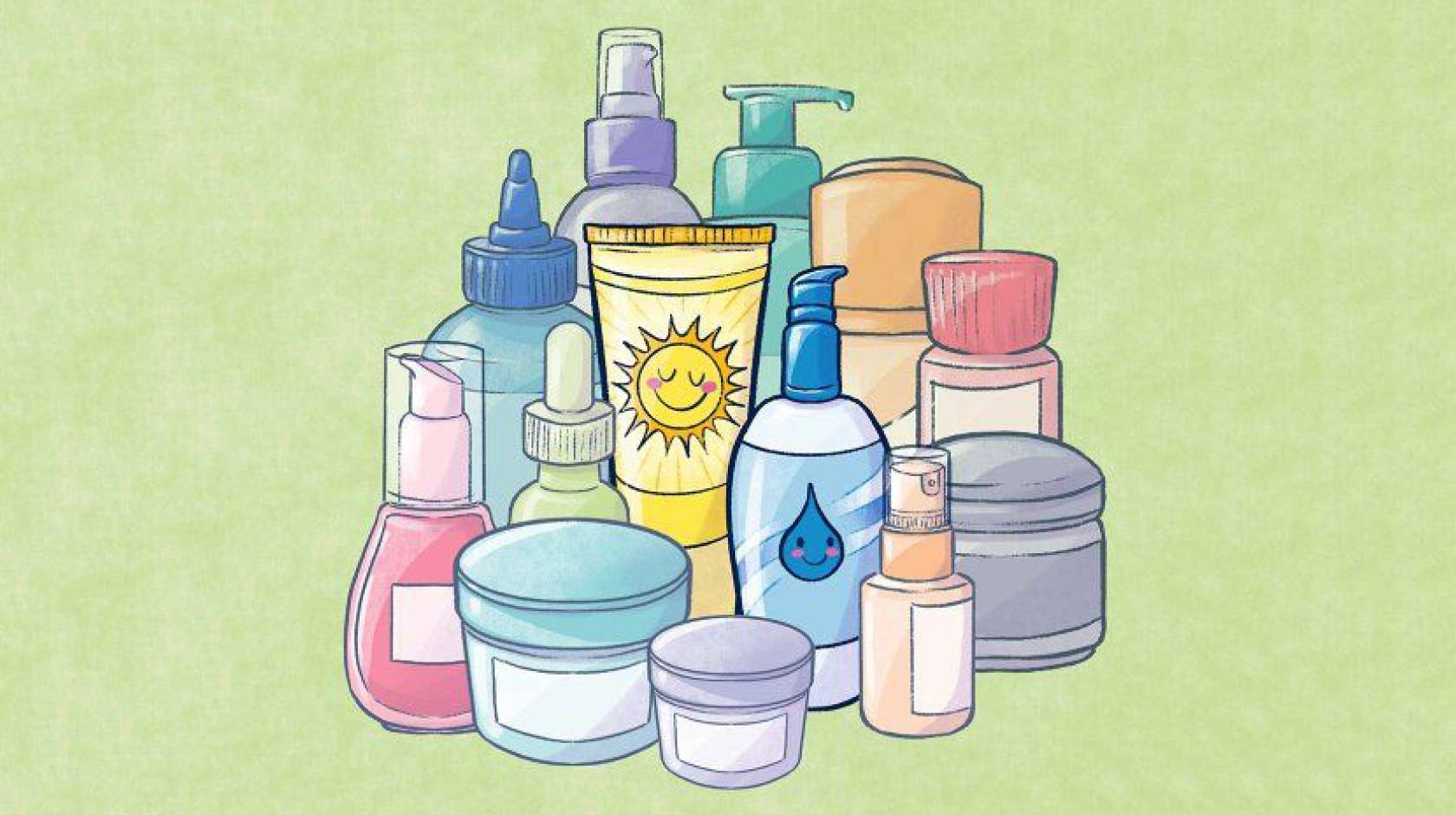
What skin care products actually do
Skin care products do not all serve the same purpose. Some clean the skin, some protect it, and others change how it looks or feels.
Cleansers
A gentle cleanser removes substances that water alone may not remove. These include sunscreen, makeup, excess oil, and air pollution particles.
However, strong cleansing can cause problems. A cleanser that leaves your face tight, dry, or burning may be too harsh. The American Academy of Dermatology generally supports gentle cleansing with lukewarm water and avoiding aggressive scrubbing.
Many people only need to cleanse once at night. If you sweat heavily or use sunscreen, a morning rinse or gentle wash may also help.
Moisturizers
Moisturizers contain ingredients that slow water loss or draw water into the outer skin layer. Common ingredients include glycerin, petrolatum, ceramides, and hyaluronic acid.
A moisturizer does not “feed” the skin in the way food feeds the body. Instead, it helps the outer barrier stay flexible and less prone to cracking. This matters most when the air is cold, dry, or windy.
Even oily skin may benefit from a light, non-comedogenic moisturizer. Removing all oil can make the skin feel uncomfortable and may encourage some people to overuse harsh products.
Sunscreen
Sunscreen is often the most valuable daily skin care product. Ultraviolet A and B rays contribute to sunburn, premature skin aging, and skin cancer.
Broad-spectrum sunscreen protects against both major types of ultraviolet radiation. The American Academy of Dermatology recommends broad-spectrum, water-resistant sunscreen with SPF 30 or higher for exposed skin.
Sunscreen does not make outdoor activity unsafe or unnecessary. It simply adds a layer of protection. Hats, shade, sunglasses, and protective clothing also matter.
Serums and treatment products
Serums may contain active ingredients such as vitamin C, niacinamide, retinoids, salicylic acid, or azelaic acid. These ingredients may help with acne, uneven tone, fine lines, or redness.
They are optional for many people. If you use one, add only one new active product at a time. This makes it easier to spot irritation and prevents a crowded routine.
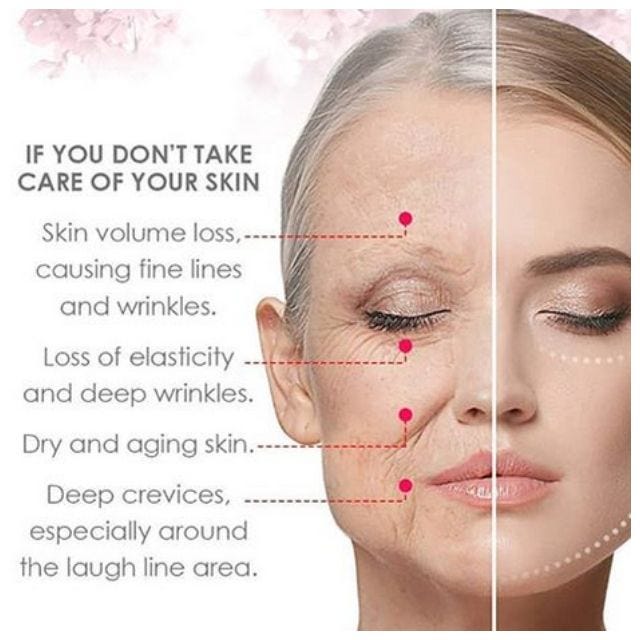
The smallest useful skin care routine
If you want a simple answer to “do we really need skin care products,” start with the smallest routine that solves your needs. For many adults, this means three basic steps.
Morning
Rinse with water or use a gentle cleanser if needed.
Apply moisturizer if your skin feels dry.
Apply broad-spectrum SPF 30 or higher to exposed skin.
Evening
Cleanse away sunscreen, makeup, sweat, and dirt.
Apply moisturizer.
Use a treatment product only if you have a specific concern.
You do not need to follow a 10-step routine. More products can mean more irritation, more cost, and more chances to combine ingredients poorly.
For example, a person with dry skin may need a creamy cleanser and a thicker moisturizer. A person with oily or acne-prone skin may prefer a gel cleanser and a light, non-comedogenic moisturizer.
A person with sensitive skin may need fewer ingredients. Fragrance-free products are often a safer choice because fragrance can trigger irritation or allergic reactions in some people.
The best routine is one you can follow. A basic routine used every day is usually more helpful than a complex routine used once a week.

Who benefits most from skin care products?
The answer to “do we really need skin care products” changes from person to person. Some people have strong, comfortable skin with few concerns. Others need daily support because of a skin condition or environmental exposure.
Skin care products may be especially helpful for:
• People with dry, cracked, or itchy skin.
• People with acne or frequent breakouts.
• People who spend time outdoors.
• People who work in dry, dusty, or windy conditions.
• People who wear makeup or water-resistant sunscreen.
• People with eczema, rosacea, or sensitive skin.
• People using medicines that cause dryness or sun sensitivity.
• People who want to reduce long-term sun damage.
Age also affects skin needs. Children usually need simple products and sun protection. Teenagers may benefit from gentle cleansing and acne care. Older adults often notice more dryness because the skin produces less oil and loses moisture more easily.
Hormonal changes can also affect skin. Pregnancy, menopause, and some forms of birth control may change oil production, sensitivity, or pigmentation. When skin changes suddenly, a dermatologist can help identify the cause.
A product is not automatically useful because it is popular online. Skin care should match your actual concern, not someone else’s routine.

When skin care products may do more harm than good
Skin care products can help, but they are not risk-free. A product may cause irritation, allergic contact dermatitis, clogged pores, or increased sensitivity.
Common warning signs include:
• Burning that lasts more than a few minutes.
• Swelling, hives, or severe itching.
• A rash that spreads.
• Cracking, peeling, or painful redness.
• New breakouts after starting several products.
If a product causes a strong reaction, stop using it. Seek medical care quickly for facial swelling, breathing trouble, or widespread hives.
Over-exfoliation is another common problem. Scrubs, acids, and retinoids can all remove or loosen dead skin cells. Using too many of them may damage the skin barrier and cause stinging.
A useful rule is to introduce one active product at a time. Test it on a small area first, unless your health professional gives different advice. Even “natural” ingredients can cause allergies or irritation.
This is one reason the answer to “do we really need skin care products” should never be an automatic yes to every product. The goal is healthy skin, not constant treatment.

Do natural skin care products work better?
Natural does not always mean safer, gentler, or more effective. Poison ivy is natural, but it can cause a strong skin reaction. Essential oils, lemon juice, baking soda, and undiluted vinegar can irritate the skin or cause burns.
Some plant-based ingredients have useful properties. Aloe, colloidal oatmeal, and certain botanical extracts may calm or moisturize skin. Their value depends on the ingredient, dose, formulation, and quality control.
“Clean” and “chemical-free” are also misleading terms. Water is a chemical, and every skin care product contains chemicals. The better question is whether the product has tested ingredients, clear directions, and a safety record.
Look for:
• A complete ingredient list.
• Clear use instructions.
• A sealed package.
• A product suited to your skin type.
• A company that follows good manufacturing practices.
If you have eczema, allergies, rosacea, or very sensitive skin, fewer ingredients may be a better choice. A dermatologist can help you avoid common triggers.
How to choose products without wasting money
When people wonder, “do we really need skin care products,” cost is often part of the concern. A useful routine does not need to be expensive.
Start by identifying one need. For example, choose sunscreen for daily protection or a moisturizer for dry skin. Do not buy five products before you know whether one product works.
Use this simple process:
Identify your main concern.
Choose a product with one clear purpose.
Read the label and follow the directions.
Patch test when practical.
Use the product for several weeks unless irritation develops.
Judge the result with realistic expectations.
Skin changes slowly. A moisturizer may improve comfort within days, while acne treatments or products for dark spots may take several weeks. Some concerns, such as deep scars or severe pigmentation, may need professional treatment.
Be careful with dramatic claims. A product cannot permanently erase pores, stop aging, or change your natural skin type. Marketing often uses polished photos, special lighting, and promises that science does not support.
A lower-cost product with proven ingredients can work as well as a luxury product with similar ingredients. Packaging and fragrance may increase the price without improving results.

Common skin care mistakes to avoid
The answer to “do we really need skin care products” becomes clearer when you know which habits cause trouble. Many skin problems come from using too much, too often, or in the wrong order.
Avoid these common mistakes:
• Washing the face with very hot water.
• Scrubbing hard to remove oil or flakes.
• Using rubbing alcohol on acne.
• Applying lemon juice to dark spots.
• Starting several active ingredients at once.
• Skipping sunscreen after using exfoliating products.
• Sleeping in makeup.
• Sharing eye makeup or unclean tools.
• Picking pimples.
• Changing products every few days.
Pimples often heal more slowly after picking. Picking can also raise the risk of dark marks and scars, especially in deeper skin tones.
Another mistake is copying a routine from social media. A product that helps one person may worsen another person’s acne, dryness, or redness. Skin care advice should consider your age, skin type, medical history, and climate.
Think of your skin barrier as a brick wall. The skin cells are the bricks, and natural oils help hold them together. Harsh products can remove too much of that support, leaving gaps that allow water out and irritants in.

Skin care products versus professional treatment
Skin care products can help manage mild concerns, but they are not a substitute for medical care. Persistent acne, severe dryness, changing moles, unexplained rashes, and painful redness deserve professional attention.
A dermatologist may diagnose conditions such as:
• Acne.
• Rosacea.
• Eczema.
• Psoriasis.
• Contact dermatitis.
• Fungal infections.
• Melasma.
• Skin cancer.
This matters because similar symptoms can have different causes. A flaky patch may come from dry skin, eczema, psoriasis, or a fungal infection. Treating the wrong cause may delay improvement.
Seek medical advice if a skin problem lasts, worsens, hurts, bleeds, or affects your sleep or confidence. You do not need to wait until the problem becomes severe.
The best answer to “do we really need skin care products” may be different for medical skin conditions. In those cases, a product plan should support a diagnosis and treatment plan.
A practical routine for different skin types
Dry skin
Use a gentle, fragrance-free cleanser and a cream or ointment moisturizer. Apply moisturizer soon after bathing while the skin is still slightly damp.
Avoid long, hot showers and rough scrubs. Ingredients such as ceramides, glycerin, and petrolatum may help reduce water loss.
Oily or acne-prone skin
Use a gentle cleanser and a light, non-comedogenic moisturizer. Sunscreen still matters because acne marks can become darker with ultraviolet exposure.
Salicylic acid or benzoyl peroxide may help some people with acne. Start slowly and stop if you develop severe dryness or irritation.
Sensitive skin
Choose products with short ingredient lists and no added fragrance. Introduce one product at a time.
“Sensitive skin” is not a diagnosis. If your skin often burns, flushes, or develops rashes, ask a dermatologist about possible causes.
Combination skin
Use a balanced routine rather than treating the whole face aggressively. You may use a lighter moisturizer on oily areas and a richer product on dry areas.
Normal skin
Even comfortable skin benefits from sun protection and gentle cleansing. You may not need additional treatments unless you have a specific goal.
My practical take on building a routine
In professional content work, I have noticed the same pattern again and again: people often buy too many products before learning what their skin needs. The common mistake is not a lack of effort. It is trying to solve every concern at once.
A better approach is to make one small change and watch the result. Keep a simple note of what you use, when you use it, and how your skin feels. This can reveal whether a product helps or causes trouble.
For example, if your skin feels tight after cleansing, change the cleanser before adding a serum. If you have dark spots, use sunscreen consistently before buying a brightening treatment. If acne continues, seek medical advice instead of layering more products.
My practical answer to “do we really need skin care products” is this: you need protection and basic care, but you do not need a complicated beauty routine. Use products as tools, not as a measure of your worth.
Your skin does not need to look perfect to be healthy. Comfort, function, and protection matter more than flawless photos.
Frequently Asked Questions About Do We Really Need Skin Care Products
Do we really need skin care products every day?
Most people benefit from daily sun protection and basic cleansing when needed. A moisturizer can help if your skin feels dry, tight, or irritated, but not everyone needs several products each day.
Is it okay to use no skin care products?
Some people can use very few products and maintain comfortable skin. However, sunscreen is important for reducing ultraviolet exposure, and medical conditions may require specific treatment.
What are the most important skin care products?
For many people, the basics are a gentle cleanser, a moisturizer, and broad-spectrum SPF 30 or higher sunscreen. Add treatment products only when you have a clear concern or professional recommendation.
Do expensive skin care products work better?
Not always. Product quality depends more on the ingredients, formula, safety, and proper use than on the price or packaging.
Can skin care products damage your skin?
Yes. Harsh cleansers, over-exfoliation, fragrance, and poorly chosen active ingredients can cause irritation or allergic reactions. Introduce new products slowly and stop using any product that causes a strong reaction.
When should I see a dermatologist?
See a dermatologist for severe or ongoing acne, painful rashes, changing moles, unexplained itching, persistent redness, or skin problems that do not improve with gentle care. Early treatment can reduce discomfort and prevent complications.
Conclusion
So, do we really need skin care products? Most people do not need a large collection, but simple skin care can protect the skin barrier, reduce dryness, and limit sun damage.
Start with the basics: cleanse gently, moisturize when needed, and use broad-spectrum sunscreen. Add only the products that serve a clear purpose, and get professional advice when a concern persists.
Your best routine is simple, safe, and consistent. Try building a few practical habits this week, then explore trusted dermatology resources or share your skin care questions in the comments.
