
Good skin care products protect the skin barrier, match your skin type, and contain proven active ingredients.
Finding what are good skin care products can feel confusing when shelves are packed with serums, oils, masks, and cleansers. The best choices are not always the most expensive ones. They are products that solve your skin concern without causing irritation, fit your daily routine, and have ingredients supported by sound dermatology research.
What Makes a Skin Care Product Good?
Good skin care products do three basic jobs: cleanse gently, protect the skin, and address a clear need. A product should support your skin barrier rather than strip it or cause repeated redness.
Your skin barrier is the outer layer that helps keep water in and irritants out. Think of it as a soft brick wall. Skin cells are the bricks, while natural oils act like the mortar. Harsh products can damage that mortar and leave skin dry, tight, or sensitive.
Look for products that are:
• Gentle enough for regular use
• Suitable for your skin type
• Free from ingredients that trigger your known allergies
• Backed by reliable safety and efficacy data
• Easy to use consistently
• Packaged in a way that protects sensitive ingredients
A good skin care product does not need to feel fancy. A plain moisturizer with ceramides may help more than a costly cream with a long list of trendy extracts. Consistency usually matters more than luxury packaging.
The Best Basic Skin Care Products for Most People
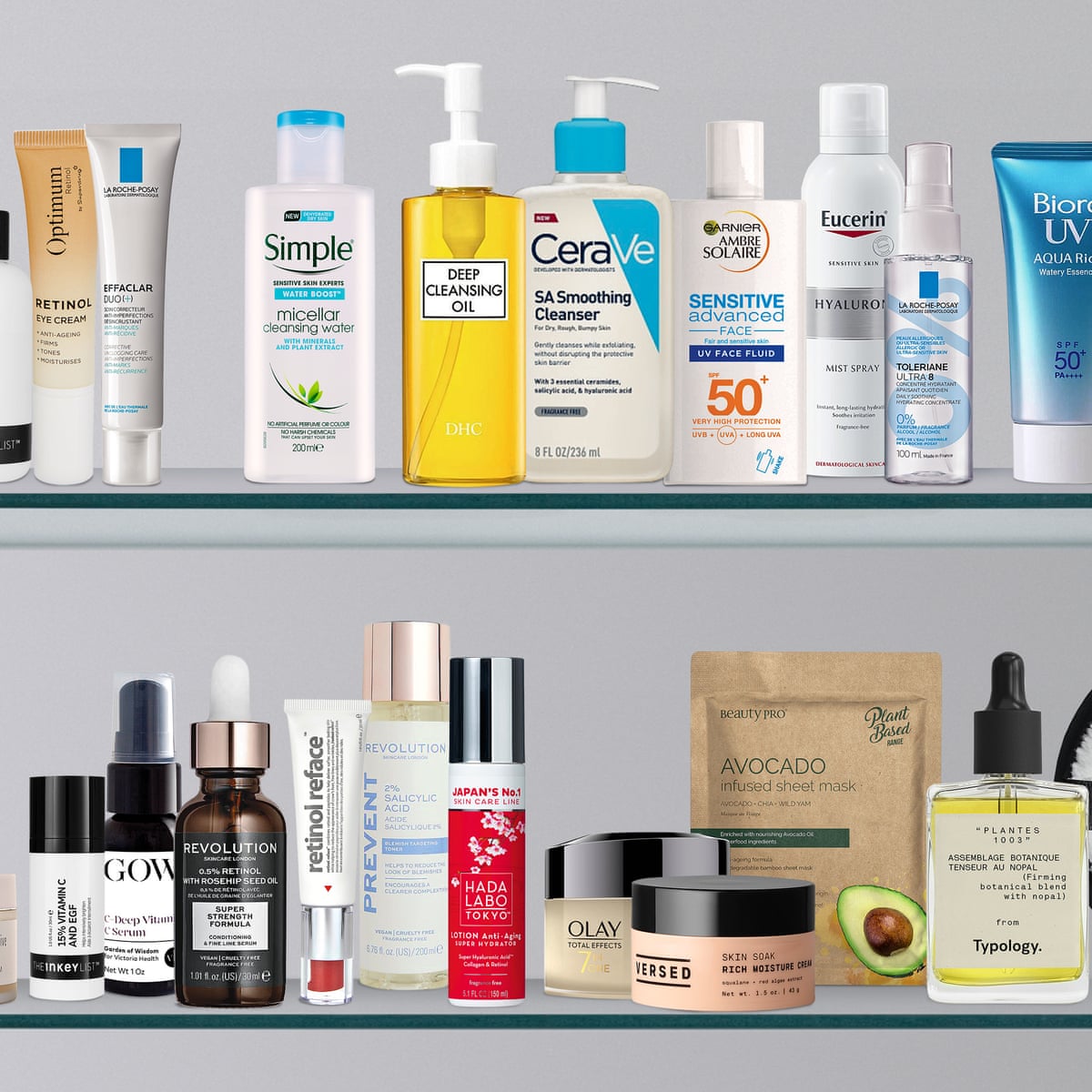
Most people can build an effective routine with four product types. You can add more later if you have a specific concern.
1. Gentle cleanser
A cleanser removes sweat, excess oil, makeup, sunscreen, and pollution. Choose a mild, fragrance-free cleanser that does not leave your face feeling tight or squeaky.
Foaming cleansers can work well for oily skin, while cream or lotion cleansers may feel better on dry or sensitive skin. Micellar water can help remove makeup, but rinsing afterward may reduce leftover residue.
2. Moisturizer
A moisturizer helps reduce water loss and supports the skin barrier. Useful ingredients include:
• Ceramides to support the skin barrier
• Glycerin to attract water
• Hyaluronic acid to help hold water near the skin surface
• Petrolatum to reduce water loss
• Squalane to soften and smooth the skin
• Colloidal oatmeal to calm dry, itchy skin
Gel moisturizers often suit oily skin. Creams may work better for normal or dry skin. Ointments are useful for very dry areas, but they can feel heavy.
3. Broad-spectrum sunscreen
Sunscreen is one of the most important skin care products. Use a broad-spectrum product with SPF 30 or higher. It helps protect against both UVA and UVB rays.
Choose a water-resistant sunscreen when swimming or sweating. Mineral sunscreens use zinc oxide or titanium dioxide. Chemical sunscreens use filters that absorb ultraviolet energy. Both types can protect skin when used correctly.
4. Targeted treatment
A treatment product should match one specific concern. For example, salicylic acid may help clogged pores, while azelaic acid may help acne and uneven tone.
Adding several active ingredients at once is a common mistake. Start with one treatment, use it slowly, and give it time to work.

Good Skin Care Products by Skin Type
Skin type gives you a starting point, but your skin can change with weather, age, hormones, medication, and stress. Pay attention to how your skin feels after cleansing and throughout the day.
Oily or acne-prone skin
Oily skin produces more sebum. This can make the face look shiny and may contribute to clogged pores.
Useful product features include:
• Lightweight, noncomedogenic moisturizers
• Gel or water-based textures
• Salicylic acid for clogged pores
• Benzoyl peroxide for some acne lesions
• Adapalene for acne treatment
• Broad-spectrum sunscreen with a light finish
Do not scrub oily skin aggressively. Scrubbing may irritate the skin and can make breakouts look worse. Oil is not dirt, and removing every trace of it can weaken the barrier.
Dry skin
Dry skin lacks enough water, oil, or both. It may feel rough, tight, flaky, or uncomfortable.
Look for:
• Cream or balm cleansers
• Fragrance-free moisturizers
• Ceramides and glycerin
• Petrolatum for very dry patches
• Lukewarm water instead of hot water
• Short showers and gentle towel drying
Apply moisturizer while the skin is still slightly damp. This helps trap water before it evaporates.
Sensitive skin
Sensitive skin may sting, burn, flush, or become red after using products. It can also react to fragrance, essential oils, strong acids, or frequent exfoliation.
Choose simple formulas with few ingredients. Patch test new products on a small area near the jaw or inner arm for several days. A patch test cannot guarantee a product will never cause a reaction, but it can lower the risk.
Combination skin
Combination skin is oily in some areas and dry in others. Many people see oil around the forehead, nose, and chin, with drier cheeks.
Use a gentle cleanser and a light moisturizer across the face. You can apply a richer cream only to dry areas and use a lighter product where skin feels oily.
Mature skin
Mature skin often becomes drier and more sensitive. Fine lines may become more visible as collagen and natural oil production change.
Helpful choices include:
• Daily sunscreen
• Moisturizers with ceramides
• Retinoids used slowly
• Gentle cleansers
• Hydrating products with glycerin
• Products that do not cause stinging or peeling
No product can stop natural aging. However, sun protection and steady care can help maintain a smoother, healthier-looking appearance.
Proven Ingredients to Look For
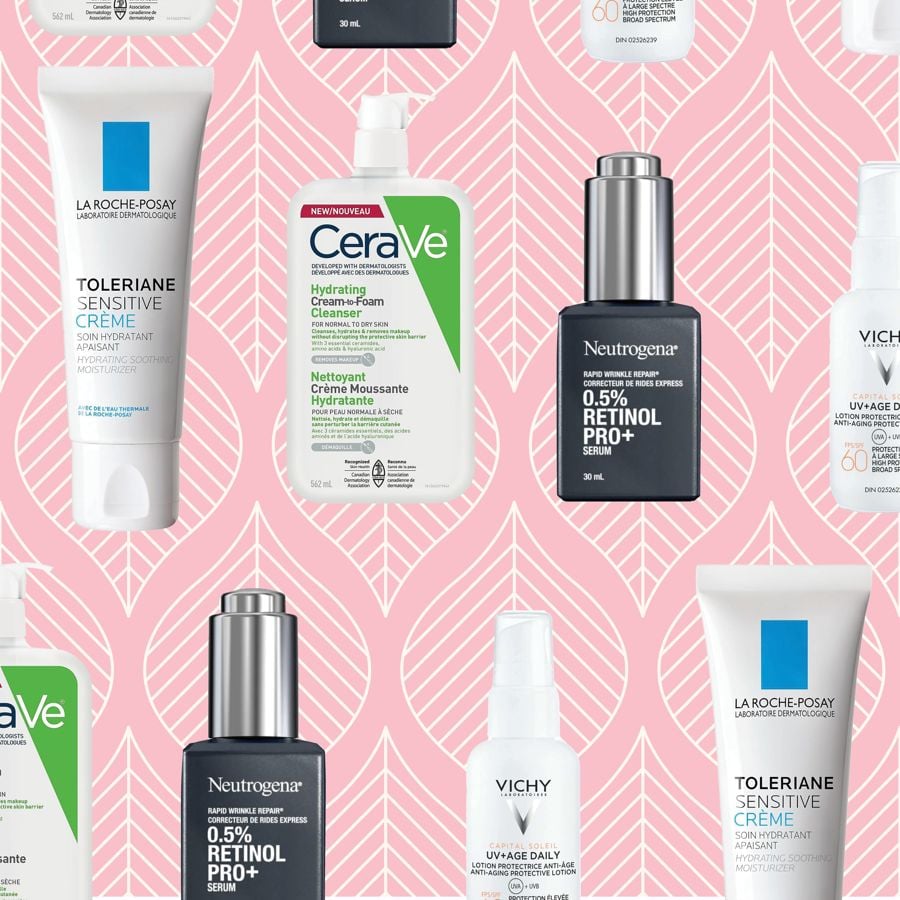
Understanding ingredients makes it easier to choose good skin care products. You do not need to memorize every chemical name. Focus on the job each ingredient performs.
For hydration and dry skin
Glycerin, hyaluronic acid, urea, panthenol, and aloe can help increase or support skin hydration. Ceramides, fatty acids, and cholesterol help support the skin barrier.
Petrolatum is one of the most effective ingredients for reducing water loss. Despite online myths, it is not automatically harmful or “bad” for skin. It may feel too heavy for some people, but it is useful for dry or irritated areas.
For acne and clogged pores
Salicylic acid can help loosen dead skin cells inside pores. Benzoyl peroxide can reduce acne-causing bacteria and inflammation. Adapalene, a topical retinoid, helps prevent clogged pores and is available without a prescription in the United States.
Acne treatment takes time. Many products need several weeks of steady use before you see clear improvement. Severe, painful, or scarring acne deserves evaluation by a medical professional.
For uneven tone
Vitamin C, niacinamide, azelaic acid, retinoids, and certain exfoliating acids may help improve the look of uneven tone. Sunscreen is essential because ultraviolet exposure can deepen dark marks.
Dark spots may also result from irritation. If a product burns or causes ongoing redness, stop using it. Inflammation can make discoloration more difficult to manage.
For signs of aging
Retinoids have strong evidence for improving fine lines, texture, and acne. Moisturizers can temporarily soften the look of fine lines by increasing the skin’s water content.
Peptides may support a smoother appearance, but product results vary. Be cautious with dramatic claims that promise to erase wrinkles quickly. Skin care can help, but it cannot produce the same result as a medical procedure.
Ingredients and Products to Use Carefully
Natural does not always mean gentle. Essential oils, citrus oils, scrubs, and heavily scented products can irritate sensitive skin. Some people tolerate them well, but others develop dryness or contact dermatitis.
Physical scrubs can create tiny areas of irritation when used too often or with too much pressure. Strong exfoliating acids can also cause burning, peeling, and increased sensitivity.
Be careful with skin-lightening products bought from unknown sellers. Some imported or unregulated products may contain undeclared steroids, mercury, or high levels of hydroquinone. Buy from reputable retailers and check the packaging.
Pregnant or breastfeeding people should ask a health professional before using certain active ingredients, especially prescription retinoids. Product safety can depend on the exact ingredient, concentration, and personal health history.

A Simple Morning and Night Routine
A routine works best when it is easy enough to repeat. Start with the basics before adding extra products.
Morning routine
- Cleanse gently, or rinse with water if your skin is dry and comfortable.
- Apply a treatment product if needed.
- Use moisturizer.
- Finish with broad-spectrum SPF 30 or higher.
- Reapply sunscreen during extended outdoor exposure, sweating, or swimming.
Night routine
- Remove makeup and sunscreen.
- Cleanse the skin gently.
- Apply one targeted treatment.
- Use moisturizer.
Give a new product at least several days before adding another one. If you start five products at once, you will not know which one helps or causes a reaction.
One practical lesson from reviewing skin care routines is that people often spend too much on treatments and too little on sunscreen. A simple routine with daily sun protection often beats a complicated routine used only once in a while.

How to Choose Skin Care Products on a Budget
Good skin care products do not need to be expensive. Compare ingredients, product size, and how often you need to use the item.
A budget-friendly routine may include:
• A gentle cleanser
• A basic moisturizer
• A broad-spectrum SPF 30 sunscreen
• One treatment for your main concern
Store brands can contain similar active ingredients to higher-priced products. The texture, fragrance, packaging, and added ingredients may differ, but a higher price does not prove better results.
Check expiration dates and avoid products with damaged seals. Keep vitamin C, retinoids, and other sensitive formulas away from heat and direct sunlight unless the label gives different instructions.
Common Skin Care Mistakes to Avoid
Even good skin care products can cause problems when used incorrectly.
• Washing your face too often can cause dryness and irritation.
• Using too many active ingredients can damage the skin barrier.
• Skipping sunscreen can worsen dark spots and sun-related skin damage.
• Picking acne can increase the risk of marks and scars.
• Changing products too quickly makes results hard to judge.
• Using expired products may reduce safety and effectiveness.
• Copying another person’s routine may ignore your own skin type.
• Treating every rash as acne can delay proper medical care.
A burning sensation is not proof that a product is working. Mild tingling may occur with some formulas, but strong pain, swelling, blistering, or persistent redness is a reason to stop and seek medical advice.

When to See a Dermatologist
Over-the-counter products can help many common concerns, but they are not right for every problem. See a dermatologist if acne is painful, widespread, or leaving scars.
Professional advice is also useful for:
• A rash that does not improve
• Sudden changes in a mole
• Severe itching or swelling
• Repeated allergic reactions
• Dark patches that appear without a clear cause
• Persistent redness or flushing
• Skin infections or open sores
A dermatologist can identify the cause and recommend prescription treatments when needed. This can save money and prevent months of trial and error.

Frequently Asked Questions About What Are Good Skin Care Products
What are good skin care products for beginners?
Start with a gentle cleanser, a moisturizer, and broad-spectrum SPF 30 or higher. Add one targeted treatment only after your basic routine feels comfortable.
What are the best skin care products for sensitive skin?
Choose fragrance-free products with simple formulas and soothing ingredients such as ceramides, glycerin, or colloidal oatmeal. Patch test new products and avoid using several strong active ingredients at the same time.
Are expensive skin care products better?
Not usually. Good skin care products can be affordable, and the ingredient list, formula, safety, and regular use matter more than the brand price.
How long does it take for skin care products to work?
Moisturizers may improve comfort within days, but acne, dark spots, and fine lines often need several weeks or longer. Stop using a product if it causes significant irritation rather than waiting for the skin to “adjust.”
Can I use several skin care products together?
You can combine some products, but introduce them one at a time. Avoid starting multiple exfoliants, retinoids, or acne treatments together because this increases the risk of dryness and irritation.
Should I use sunscreen every day?
Yes, use broad-spectrum sunscreen daily when exposed to daylight, especially outdoors. Reapply it during long periods outside, after swimming, or after heavy sweating.
Conclusion
What are good skin care products? They are products that protect the skin barrier, suit your skin type, contain useful ingredients, and fit a routine you can maintain. A gentle cleanser, moisturizer, sunscreen, and one focused treatment are enough for most beginners.
Choose simple formulas, introduce products slowly, and judge results with patience. Protect your skin from the sun every day, and seek professional care for severe or persistent concerns. Start with one practical improvement today, then explore trusted skin care resources or share your routine and questions in the comments.
