
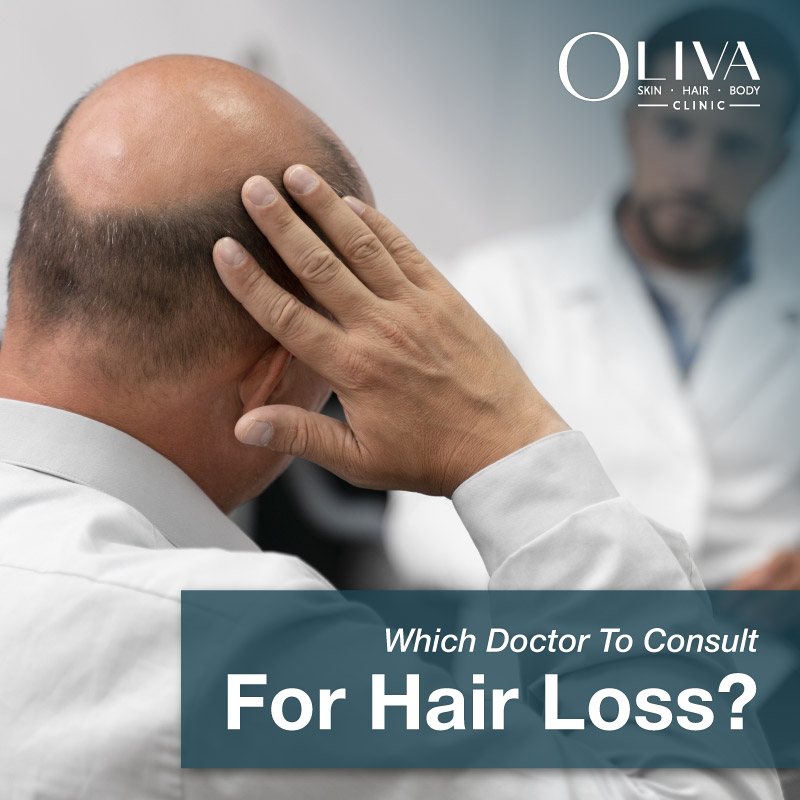
A dermatologist usually takes care of hair loss and can find its cause.
Knowing what doctor takes care of hair loss can save you time, money, and worry. Hair shedding may come from genetics, hormones, illness, medication, stress, or scalp disease. A dermatologist can examine your scalp, order useful tests, and guide you toward safe treatment instead of guesswork.
What doctor takes care of hair loss?
The main doctor for hair loss is a dermatologist. Dermatologists diagnose and treat conditions affecting the skin, hair, and nails. Some have extra training in hair disorders and may be called hair-loss specialists or hair restoration dermatologists.
A dermatologist is usually the best starting point because hair loss has many possible causes. For example, gradual thinning at the crown may suggest pattern hair loss, while sudden round patches may point to alopecia areata. Scalp pain, itching, or scaling may signal inflammation or infection.
If you are wondering what doctor takes care of hair loss, start with a board-certified dermatologist. Your primary care doctor can also begin the evaluation and refer you to a dermatologist when needed.

When should you see a doctor for hair loss?
It is normal to lose some hair each day. Many people shed about 50 to 100 hairs daily. The concern starts when shedding becomes heavy, visible, or persistent.
Make an appointment if you notice:
• A widening part or receding hairline
• Bald spots that appear quickly
• Clumps of hair in the shower or brush
• Scalp pain, burning, redness, or swelling
• Thick scales, pus, or severe itching
• Eyebrow, eyelash, or body hair loss
• Hair loss after childbirth, illness, surgery, or major stress
• Hair loss with fatigue, weight changes, or irregular periods
Early care matters. Some types of hair loss respond best when treatment begins soon. Waiting does not always cause permanent damage, but it can make some conditions harder to manage.

What does a dermatologist do for hair loss?
A dermatologist starts with a detailed history and scalp exam. They may ask when the shedding began, whether it is getting worse, and whether close relatives have hair loss. They will also ask about diet, illness, stress, pregnancy, medications, supplements, and hair-care habits.
During the exam, the doctor may look for hair breakage, smooth bald areas, redness, scaling, scarring, or tiny new hairs. A tool called a dermatoscope can enlarge the scalp and hair shafts. In some cases, the doctor gently pulls a small group of hairs to estimate active shedding.
Testing depends on your symptoms. Possible tests include:
• A complete blood count to check for anemia
• Iron or ferritin testing when low iron is possible
• Thyroid testing
• Vitamin or mineral testing when a deficiency is suspected
• Hormone testing for signs of hormonal imbalance
• A scalp biopsy when the diagnosis is unclear or scarring is suspected
A good doctor does not order every test for every patient. Testing should match your symptoms, medical history, and examination.

Which specialists may help with hair loss?
A dermatologist is often the lead doctor, but other health professionals may help identify the cause. The right care team depends on your symptoms.
Primary care doctor
A primary care doctor can review your overall health and medications. This is helpful when hair loss follows an illness, major stress, weight loss, or a new prescription. They can order basic blood tests and refer you to a dermatologist.
Endocrinologist
An endocrinologist treats hormone and gland disorders. This specialist may help if hair loss occurs with thyroid disease, insulin resistance, or another hormone problem.
Gynecologist
A gynecologist may evaluate hair loss linked to pregnancy, menopause, polycystic ovary syndrome, or changes in reproductive hormones. Signs such as irregular periods, acne, or extra facial hair may provide useful clues.
Rheumatologist
A rheumatologist may become involved if hair loss appears with autoimmune symptoms. Joint pain, rashes, mouth sores, or unusual fatigue can sometimes occur with autoimmune disease.
Trichologist
The word trichologist usually refers to someone who focuses on hair and scalp concerns. Training and licensing vary widely in the United States. A trichologist may offer useful hair-care guidance, but they may not be a medical doctor or qualified to diagnose disease.
This is why asking what doctor takes care of hair loss matters. A salon professional can notice a change, but a medical doctor can look for disease and prescribe treatment when appropriate.

Common causes of hair loss
Hair loss is not one single condition. It is a symptom with many possible causes.
Androgenetic alopecia
Androgenetic alopecia is also called male-pattern or female-pattern hair loss. It often causes gradual thinning at the temples, crown, or part line. Genetics and hormones both play a role.
Telogen effluvium
Telogen effluvium causes increased shedding several weeks or months after a trigger. Common triggers include fever, surgery, childbirth, severe stress, rapid weight loss, and some medications.
This type of shedding can feel alarming because hair may come out in handfuls. It often improves after the trigger ends, but the cause still deserves medical review.
Alopecia areata
Alopecia areata is an autoimmune condition. The immune system attacks hair follicles and may create smooth, round patches. It can affect the scalp, eyebrows, beard, or other body areas.
Scarring hair loss
Scarring alopecia can damage hair follicles permanently. Redness, tenderness, burning, scaling, or shiny areas of scalp may occur. Prompt care from a dermatologist is especially important.
Hair shaft damage
Tight hairstyles, chemical treatments, heat, and repeated pulling can break hair. This may look like hair loss, but the problem is often breakage rather than loss from the root.
Medical and nutritional causes
Thyroid disease, iron deficiency, anemia, eating disorders, and some chronic illnesses can affect hair growth. Too little protein or excessive use of certain supplements may also cause problems.
How is hair loss treated?
Treatment depends on the diagnosis. The safest plan begins with finding the cause rather than buying a product based only on an advertisement.
Common medical treatments may include:
• Topical minoxidil for some forms of pattern hair loss
• Oral minoxidil in selected patients under medical supervision
• Prescription medicines that reduce androgen effects for appropriate patients
• Corticosteroid injections or topical medicines for some cases of alopecia areata
• Treatment for scalp infection or inflammation
• Iron, vitamin, or thyroid treatment when testing confirms a problem
• Advice to stop tight hairstyles or damaging chemical treatments
Minoxidil can cause temporary increased shedding at first. It may also cause scalp irritation or unwanted facial hair. It is not suitable for everyone, including some people who are pregnant or breastfeeding, so ask a clinician before using it.
Prescription hair-loss medicines also have limits. Some can affect blood pressure, sexual function, mood, pregnancy safety, or other health conditions. A dermatologist can explain the likely benefits, risks, and time needed to judge results.
Hair transplantation may help selected people with stable pattern hair loss. It does not treat active scalp inflammation or every cause of shedding. A qualified hair restoration surgeon should confirm the diagnosis before surgery.

What to expect at a hair-loss appointment
Knowing what doctor takes care of hair loss is only the first step. Preparing for the visit can make the appointment more useful.
Before your appointment, write down:
When you first noticed shedding or thinning
Whether the change was sudden or gradual
Recent illnesses, fevers, surgery, pregnancy, or major stress
All medicines, vitamins, and supplements
Your usual diet and any recent weight change
Family history of hair loss
Hair products, coloring, extensions, braids, or tight styles
Photos that show how your hair has changed over time
Bring a list of questions. You may ask what type of hair loss you have, whether testing is needed, how long treatment may take, and what side effects to watch for.
A practical tip is to avoid changing your hair before the visit. Do not cover the scalp with heavy fibers, oils, or spray if possible. Clear photos in natural light can also help show the pattern.
Mistakes to avoid when seeking hair-loss care
Many people spend months trying shampoos, oils, and supplements before seeing a doctor. These products may improve hair texture, but they often cannot treat the cause of true hair loss.
Avoid these common mistakes:
• Assuming every type of hair loss is genetic
• Taking high-dose biotin without medical advice
• Starting prescription medicine from an unverified website
• Wearing tight styles that pull on the hair
• Waiting when the scalp is painful, inflamed, or scarred
• Expecting results after only a few weeks
• Choosing a transplant clinic before receiving a diagnosis
Supplements deserve special caution. Too much vitamin A, selenium, or other nutrients may worsen shedding. Biotin can also interfere with some blood test results. Tell your doctor about every supplement you take.
From a practical care standpoint, the biggest lesson is simple: treat the scalp like a medical problem when the change is persistent or unusual. Hair products can support appearance, but they should not replace diagnosis.

How to choose a hair-loss doctor
When deciding what doctor takes care of hair loss, look for a dermatologist with experience in hair and scalp disorders. In the United States, you can check board certification through recognized medical certification directories and professional dermatology organizations.
Consider these questions:
• Does the doctor diagnose medical causes before suggesting treatment?
• Does the clinic explain risks, costs, and expected results?
• Are before-and-after photos from real patients clearly labeled?
• Does the doctor discuss treatments supported by clinical evidence?
• Can the doctor manage scalp disease as well as cosmetic concerns?
Be careful with clinics that promise a guaranteed cure. Hair grows slowly, and many treatments require several months before results can be judged. Honest care includes uncertainty, follow-up, and a plan to change course if treatment does not work.

How long does hair-loss treatment take?
Hair does not grow overnight. Most treatments need several months before a visible change appears. Your doctor may use photos, hair counts, or scalp exams to track progress.
Pattern hair loss often needs ongoing treatment to maintain improvement. Telogen effluvium may improve after the trigger is corrected, but the hair cycle can take months to recover.
Some conditions need urgent treatment to prevent permanent follicle damage. Others can be watched for a short time. Your diagnosis, age, health, and treatment choice all affect the timeline.
It is also important to set realistic goals. Treatment may slow loss, improve density, or support regrowth. It may not restore all lost hair.
Frequently Asked Questions About What Doctor Takes Care of Hair Loss
What doctor should I see first for hair loss?
A dermatologist is usually the best first choice because dermatologists diagnose hair, scalp, and skin conditions. A primary care doctor can also start the evaluation and provide a referral.
Can a primary care doctor diagnose hair loss?
Yes, a primary care doctor can review your health history, check medications, and order basic tests. They may refer you to a dermatologist if the cause is unclear, severe, or linked to scalp disease.
Should I see an endocrinologist for hair loss?
You may need an endocrinologist if symptoms suggest a hormone or thyroid disorder. Most people should begin with a dermatologist or primary care doctor, who can decide whether that referral is needed.
Is a trichologist a medical doctor?
Not always. “Trichologist” can describe someone who studies hair and scalp concerns, but training and licensing vary, so check the person’s medical credentials before accepting a diagnosis or treatment plan.
What doctor treats alopecia areata?
A dermatologist usually treats alopecia areata. Treatment may include prescription medicines, injections, or other immune-focused options based on the extent and type of hair loss.
When is hair loss an emergency?
Hair loss itself is rarely an emergency, but rapid shedding with facial swelling, breathing trouble, severe illness, or a serious medication reaction needs urgent care. Painful, pus-filled, or rapidly spreading scalp changes also need prompt medical attention.
Can a dermatologist tell if hair loss is from stress?
A dermatologist may identify a pattern that fits stress-related shedding, called telogen effluvium. They will also consider other causes because stress and a medical condition can occur at the same time.
Conclusion
A dermatologist is usually the right doctor for hair loss, especially when thinning is sudden, patchy, painful, or persistent. Primary care doctors and specialists such as endocrinologists or gynecologists may help when another health problem is involved.
The most useful next step is to schedule a medical evaluation, prepare a clear history, and avoid unproven treatments that promise instant regrowth. If you have noticed a change in shedding, speak with a qualified doctor soon and use trusted medical resources to learn more.
