
Yes, skin care products can be good for skin when they match your needs and are used correctly.
The answer to “is skin care products good for skin” depends on the product, its ingredients, your skin type, and how often you use it. A simple routine can protect the skin barrier, improve dryness, reduce sun damage, and support healthier-looking skin. The wrong product, however, may cause irritation, clogged pores, or allergic reactions. This guide explains what works, what to avoid, and how to build a safe routine based on dermatology advice and real-world skin care habits.

Is Skin Care Products Good for Skin?
Yes, skin care products can benefit the skin. Cleanser, moisturizer, and sunscreen each support a basic skin need. Some products also help with acne, dark spots, fine lines, redness, or dry skin.
Still, skin care is not a one-size-fits-all topic. A product that helps one person may irritate another. The best routine is simple, steady, and suited to your skin type.
Skin care products may help by:
• Removing dirt, sweat, oil, and makeup
• Adding water and oils to dry skin
• Supporting the skin barrier
• Protecting skin from ultraviolet rays
• Managing acne and clogged pores
• Reducing the look of dark spots
• Smoothing rough skin texture
• Calming mild dryness and irritation
Your skin is like a brick wall. Skin cells act like the bricks, while natural oils act like the mortar. Harsh products can weaken that mortar. Gentle products help keep the wall strong.
The American Academy of Dermatology recommends a simple routine based on cleansing, moisturizing, and sun protection. This approach often works better than using many strong products at once.

How Skin Care Products Help the Skin
Different products serve different purposes. Understanding their role can help you avoid wasting money or damaging your skin.
Cleansers remove buildup
A cleanser removes sweat, dirt, excess oil, makeup, and some pollutants. A gentle cleanser can help keep pores clear without stripping the skin.
Foaming cleansers may suit oily skin. Cream or lotion cleansers may feel better on dry or sensitive skin. Micellar water can remove light makeup, but you may still need a gentle cleanser afterward.
Wash your face with lukewarm water. Hot water can increase dryness and irritation.
Moisturizers support the skin barrier
Moisturizers help reduce water loss from the skin. They may contain three main types of ingredients:
• Humectants attract water. Examples include glycerin and hyaluronic acid.
• Emollients soften and smooth the skin. Examples include ceramides and plant oils.
• Occlusives form a light seal. Examples include petrolatum and dimethicone.
Dry skin often needs a richer cream. Oily skin may prefer a light lotion or gel. Even oily skin can become dehydrated, so skipping moisturizer may not solve excess oil.
Sunscreen helps prevent sun damage
Sunscreen is one of the most useful skin care products. Broad-spectrum sunscreen helps protect against UVA and UVB rays. These rays can contribute to sunburn, premature skin aging, and skin cancer.
Choose a broad-spectrum sunscreen with SPF 30 or higher. Apply it to exposed skin each morning. Reapply every two hours when outdoors, swimming, or sweating.
Sunscreen also helps prevent dark spots from becoming darker. This makes it important for people using ingredients such as retinoids, vitamin C, or exfoliating acids.
Treatment products target specific concerns
Some products contain active ingredients for a clear skin goal.
• Salicylic acid may help unclog pores.
• Benzoyl peroxide can reduce acne-causing bacteria.
• Retinoids may improve acne and signs of skin aging.
• Vitamin C may help brighten uneven skin tone.
• Azelaic acid may help with acne and dark spots.
• Niacinamide may support the skin barrier and reduce excess oil.
These ingredients can work well, but more is not always better. Start with one active ingredient. Use it slowly and watch for irritation.
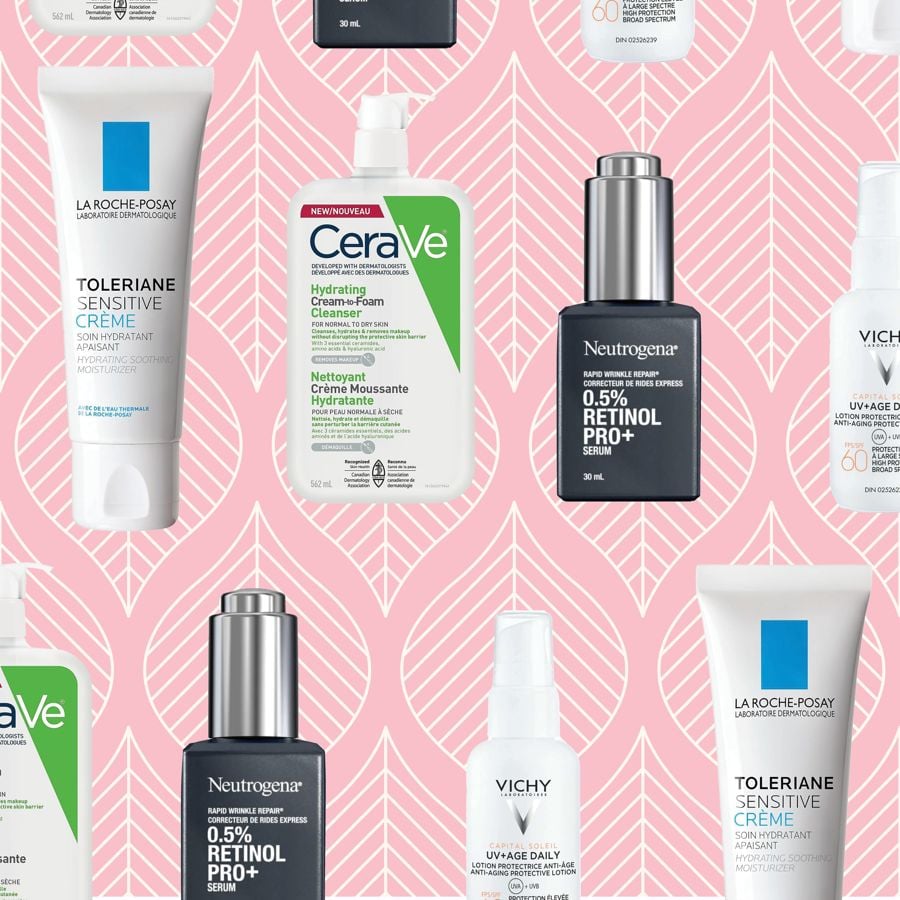
Is Skin Care Products Good for Skin Types?
The best answer to “is skin care products good for skin” changes with your skin type. Skin type describes how much oil your skin tends to produce. Skin condition describes concerns such as acne, redness, or dryness.
Dry skin
Dry skin may feel tight, rough, flaky, or itchy. It often benefits from gentle, fragrance-free products.
Look for:
• Cream cleansers
• Ceramides
• Glycerin
• Hyaluronic acid
• Squalane
• Petrolatum
• Rich creams
Avoid frequent use of harsh scrubs and strong alcohol-based toners. These may remove too much oil.
Oily skin
Oily skin produces more sebum. It may look shiny and develop clogged pores or acne.
Look for:
• Lightweight, noncomedogenic moisturizers
• Gel cleansers
• Salicylic acid
• Water-based products
• Oil-free sunscreen
Do not scrub oily skin hard. Irritation can make the skin feel worse and may lead to more redness.
Combination skin
Combination skin is oily in some areas and dry in others. Many people notice oil around the forehead, nose, and chin but dryness on the cheeks.
Use a gentle cleanser and a light moisturizer. You can apply a richer cream only to dry areas. Avoid treating your whole face as if it has the same needs.
Sensitive skin
Sensitive skin may sting, burn, itch, or turn red after product use. Fragrance, essential oils, strong acids, and rough scrubs can cause problems.
Look for:
• Fragrance-free formulas
• Short ingredient lists
• Gentle cleansers
• Barrier-supporting ingredients
• Products labeled noncomedogenic when needed
Patch test new products before using them across your face. A dermatologist can help if your skin reacts often.
Acne-prone skin
Acne-prone skin needs gentle care. Washing too often or using many drying products can damage the skin barrier.
Consider:
• A gentle cleanser
• A noncomedogenic moisturizer
• Broad-spectrum sunscreen
• Salicylic acid or benzoyl peroxide
• Professional care for painful or severe acne
Do not squeeze pimples. This can increase inflammation and raise the risk of scars or dark marks.

Benefits of Using Skin Care Products Regularly
A steady routine can produce better results than a shelf full of products. Skin often needs several weeks to respond to a new routine.
Potential benefits include:
Better hydration
Moisturizers help the skin hold water. This can make dry skin feel softer and look smoother.
Stronger skin barrier
A healthy skin barrier helps keep moisture in and irritants out. Gentle cleansing and regular moisturizing support this barrier.
Fewer signs of sun damage
Daily sunscreen can lower exposure to harmful ultraviolet rays. It does not stop aging, but it can help reduce preventable sun damage.
Improved acne control
Certain ingredients can reduce clogged pores, inflammation, or acne-causing bacteria. Results often take time, so use products consistently.
More even-looking skin tone
Sunscreen and ingredients such as vitamin C, azelaic acid, and retinoids may help improve the look of dark spots. Dark marks can return if you do not protect your skin from the sun.
Smoother texture
Retinoids and gentle exfoliants may improve rough texture. These products should be introduced slowly to reduce dryness.
In my practical review of skin care routines, the most common mistake is adding too many products too quickly. People often combine a scrub, acid, retinoid, and acne treatment in the same week. Their skin then becomes red and sore. A slower plan usually gives clearer feedback and better results.

When Skin Care Products Can Harm the Skin
Skin care products are not automatically safe because they are sold in a store. Some products can cause irritation, allergy, dryness, or breakouts.
Common problems include:
• Using too many active ingredients
• Scrubbing the skin aggressively
• Applying products too often
• Choosing products with irritating fragrance
• Using expired cosmetics
• Skipping sunscreen while using strong treatments
• Copying another person’s routine
• Expecting instant results
A burning sensation is not proof that a product is working. Mild tingling may occur with some formulas, but strong burning, swelling, blistering, or lasting redness means you should stop using the product.
Contact dermatitis can occur when the skin reacts to an ingredient. Symptoms may include itching, redness, swelling, and small bumps. If symptoms are severe or do not improve, seek medical advice.
Essential oils also deserve caution. Natural does not always mean gentle. Some essential oils can irritate skin or increase sensitivity to sunlight.
Another concern is unregulated skin-lightening products. Products that contain hidden steroids, mercury, or unsafe levels of hydroquinone can cause serious harm. Buy from trusted sellers and avoid products with unclear labels.

How to Choose Safe and Effective Skin Care Products
Choosing skin care products does not need to feel like a science test. Start with your main concern and make one change at a time.
Read the label
Look for clear information about:
• Active ingredients
• Directions for use
• Warnings
• Expiration or shelf-life details
• Manufacturer information
• Skin type claims
“Natural,” “clean,” and “chemical-free” are not reliable safety guarantees. Everything is made of chemicals, including water and plant extracts. Focus on the ingredients and your skin’s response.
Choose noncomedogenic products when needed
Noncomedogenic products are designed to be less likely to clog pores. This label is useful for acne-prone skin, but it is not a guarantee that breakouts will never occur.
Start with a simple routine
A good beginner routine includes:
- Gentle cleanser
- Moisturizer
- Broad-spectrum SPF 30 or higher sunscreen
After your skin adjusts, add one treatment product if you need it. Give the product time to work before adding another.
Patch test new products
Apply a small amount to an area such as the inner arm or behind the ear. Use it for several days if the product is meant for regular use. Stop if you develop a strong reaction.
A patch test cannot predict every facial reaction, but it can reduce the risk of a larger problem.
Check professional advice for strong ingredients
A dermatologist can guide you when you have severe acne, eczema, rosacea, melasma, psoriasis, or persistent irritation. Prescription products may be more effective and safer when used under medical supervision.

A Simple Skin Care Routine
A simple routine often answers the question “is skin care products good for skin” better than a complicated routine. It shows that the value comes from proper use, not from using many products.
Morning routine
- Wash with a gentle cleanser, or rinse with water if your skin is very dry.
- Apply a treatment product if needed.
- Use moisturizer.
- Finish with broad-spectrum SPF 30 or higher sunscreen.
Apply enough sunscreen to cover the face, ears, neck, and other exposed areas. Many adults need about two finger lengths of sunscreen for the face and neck.
Evening routine
- Remove makeup and sunscreen.
- Cleanse gently.
- Apply one treatment product if needed.
- Use moisturizer.
If you use a retinoid, start two nights per week. Use a small amount on dry skin. Increase slowly only if your skin remains comfortable.
Weekly routine
You do not need a harsh weekly scrub. If you use an exfoliant, choose a mild product and use it as directed. Stop if your skin becomes sore, tight, or unusually flaky.

Common Skin Care Mistakes to Avoid
Even good skin care products can cause problems when used the wrong way. These mistakes are common and easy to fix.
Mistake 1: Changing products too often
Switching products every few days makes it hard to know what helps. It may also irritate your skin.
Try to keep a routine steady for several weeks unless you have a reaction.
Mistake 2: Using too much product
More product does not always mean better results. A pea-sized amount is often enough for a retinoid. Follow the label instead of guessing.
Mistake 3: Skipping moisturizer
People with oily or acne-prone skin often avoid moisturizer. This can leave the skin dry and uncomfortable. Choose a light, noncomedogenic formula instead.
Mistake 4: Forgetting the neck and hands
The face is not the only area exposed to the sun. Apply moisturizer and sunscreen to the neck, chest, ears, and hands when exposed.
Mistake 5: Expecting fast results
Many acne treatments need six to eight weeks to show clear improvement. Dark spots and fine lines may take longer. Be patient, but do not continue a product that causes ongoing pain or irritation.
Mistake 6: Trusting online trends without checking facts
Social media can offer useful ideas, but it can also spread unsafe advice. A product’s popularity does not prove that it works for every skin type.

What Research and Dermatologists Say
Dermatology guidance supports a small number of well-chosen products. Cleansing, moisturizing, and sun protection form the foundation of most routines.
Research also supports several active ingredients, but results vary. Retinoids have strong evidence for acne and photoaging. Salicylic acid can help exfoliate inside pores. Benzoyl peroxide can help reduce acne bacteria and inflammation. Sunscreen remains central to preventing ultraviolet damage.
There are limits to cosmetic research. Studies may use different formulas, doses, and time periods. A product may work in a controlled study but feel irritating in daily life. Individual skin differences matter.
The safest approach is to:
• Use evidence-based ingredients
• Follow product directions
• Introduce one active at a time
• Protect your skin from the sun
• Stop products that cause strong irritation
• Ask a qualified dermatologist for persistent problems
It is also important to remember that skin care products cannot replace medical treatment for every condition. Acne cysts, painful rashes, sudden changes in a mole, or severe swelling need professional evaluation.
FAQ: Is Skin Care Products Good for Skin?
Are skin care products safe for everyone?
Most people can use basic products such as a gentle cleanser, moisturizer, and sunscreen. However, ingredients can cause irritation or allergies, so patch testing and slow introduction are wise.
Can skin care products improve acne?
Yes, some products can help mild acne. Salicylic acid, benzoyl peroxide, and retinoids are common options, but severe or painful acne may need prescription treatment.
Is it bad to use skin care products every day?
Daily use is usually fine when the products are gentle and suited to your skin. Strong exfoliants and retinoids may need less frequent use at first.
Can skin care products remove wrinkles?
Some products can reduce the appearance of fine lines, but they cannot stop natural aging. Sunscreen and retinoids have the strongest support for improving signs of sun-related aging.
Is natural skin care better for the skin?
Natural products are not always safer or better. Plant extracts and essential oils can irritate the skin, so judge a product by its ingredients, testing, and your personal response.
How long do skin care products take to work?
Moisturizers may improve comfort within days, while acne and dark-spot treatments often take several weeks. Use products consistently and follow directions before deciding whether they work.
Should I stop using a product if it stings?
Strong or lasting stinging is a warning sign. Rinse the product off, stop using it, and seek medical advice if you develop swelling, blistering, or severe redness.
Conclusion
So, is skin care products good for skin? Yes, when you choose the right products, use them correctly, and keep your routine simple. Cleanser, moisturizer, and sunscreen can support the skin barrier and protect against common damage. Targeted ingredients may help acne, uneven tone, dryness, and signs of aging.
Start with your skin’s needs rather than a trend. Add one new product at a time, patch test when possible, and give gentle products enough time to work. If irritation or a serious skin concern continues, speak with a dermatologist.
Build a routine you can follow every day, and explore more trusted skin care guides to make informed choices for healthier skin.
