
Healthy hair for guys starts with a clean scalp, gentle products, good nutrition, and a routine you can follow.
Learning how to take care of your hair for guys does not require a shelf full of products or hours in front of the mirror. The right routine depends on your hair type, scalp, lifestyle, and goals. This guide explains what works, what to avoid, and how to build simple habits that support stronger, cleaner, healthier-looking hair.
Why Hair Care Matters for Guys
Hair care is more than getting a fresh style. Your scalp is skin, and it needs regular care to stay clean, balanced, and comfortable. Sweat, oil, dust, product buildup, and dead skin can collect near the roots.
A good routine can help your hair look fuller and feel softer. It may also reduce breakage, itching, flakes, and dryness. However, hair care cannot stop every type of hair loss. Genetics, hormones, illness, medicines, and age can all affect growth.
The best way to understand how to take care of your hair for guys is to think of your scalp as soil. Healthy soil helps plants grow, but too much water, harsh chemicals, or poor care can damage it. Your scalp needs the same balance.

Know Your Hair and Scalp Type
Your hair type affects how often you should wash it and which products you should use. A routine that works for thick, curly hair may not suit fine, straight hair.
Straight hair
Straight hair often allows oil to move from the scalp to the ends. It may look greasy sooner than other hair types. A light shampoo and a small amount of conditioner can work well.
Wavy hair
Wavy hair can become dry at the ends and oily at the roots. Use a gentle shampoo and avoid brushing it too much when dry. A light styling cream can help control frizz without making the hair heavy.
Curly and coily hair
Curly and coily hair often need more moisture. Natural scalp oils may not travel easily down the bends and coils. Wash gently, condition well, and detangle with your fingers or a wide tooth comb.
Fine or thinning hair
Fine hair can look flat when you use heavy oils or waxes. Choose light products and avoid pulling the hair tightly. If you notice sudden thinning, speak with a dermatologist.
Oily scalp
An oily scalp may need more frequent washing. Do not scrub hard, since rough treatment can irritate the skin and increase discomfort.
Dry or sensitive scalp
A dry scalp may feel tight or itchy. Use fragrance free products when possible, rinse well, and avoid very hot water.
Understanding your hair type is one of the most useful steps in how to take care of your hair for guys. You do not need to copy a celebrity’s routine. Your scalp gives you better clues than a trend does.

How Often Should Guys Wash Their Hair?
There is no single washing schedule for every man. The right frequency depends on oil, sweat, hair texture, scalp health, and styling products.
Many people with straight or oily hair may wash daily or every other day. People with dry, curly, or coily hair may wash once or twice a week. If you work outdoors, exercise often, or wear a helmet, you may need to wash more often.
Use this simple guide:
• Wash more often if your scalp feels oily, sweaty, or dirty.
• Wash less often if your hair feels dry, rough, or brittle.
• Wash after swimming to remove chlorine or salt.
• Wash after heavy product use to reduce buildup.
• Do not force a schedule that leaves your scalp uncomfortable.
Daily washing does not automatically cause hair loss. The bigger concern is using a harsh shampoo, scrubbing roughly, or washing with very hot water. Clean hair is not the enemy. Rough handling is.

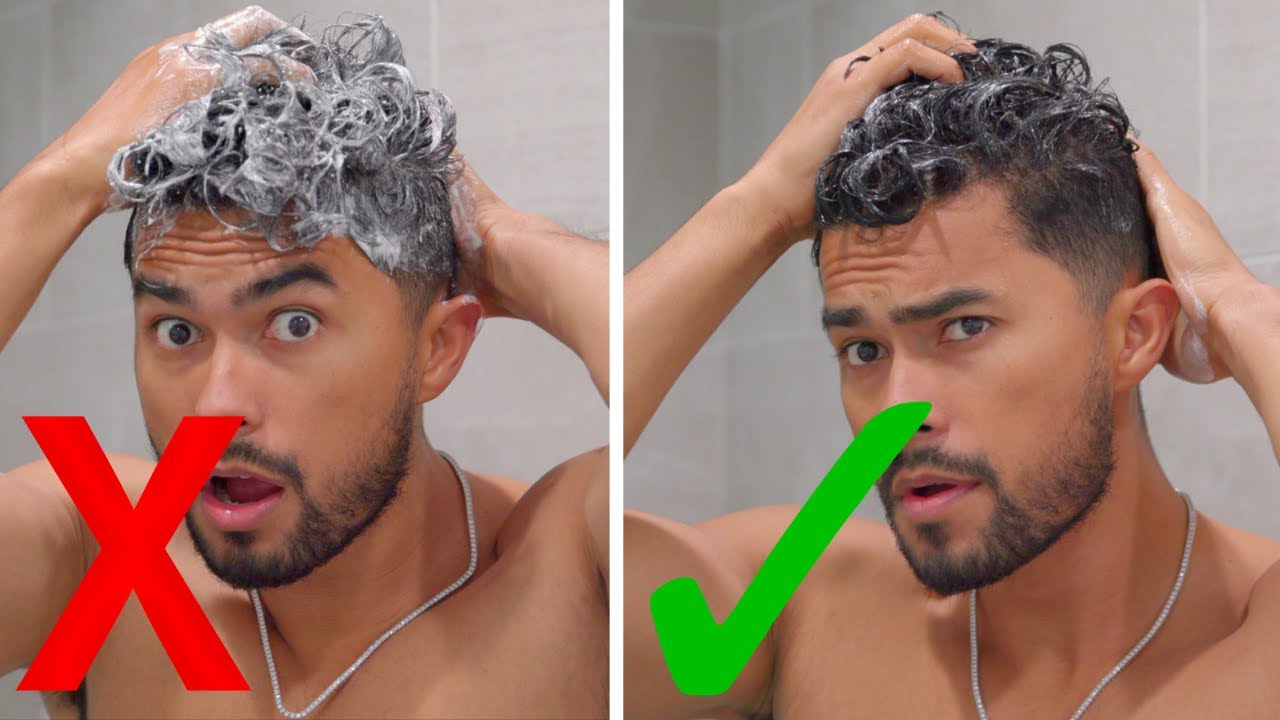
The Right Way to Shampoo
How you wash matters as much as what you use. Shampoo is made to clean the scalp, not coat the hair ends.
Follow these steps:
Wet your hair with lukewarm water.
Apply a small amount of shampoo to your scalp.
Massage with your fingertips for about 30 seconds.
Let the foam move through the ends as you rinse.
Rinse until no product remains.
Repeat only if your hair is very oily or covered with product.
Do not use your fingernails. They can scratch the scalp and cause small areas of irritation. Your fingertips are enough.
If your scalp is flaky, an anti dandruff shampoo may help. Common active ingredients include ketoconazole, zinc pyrithione, selenium sulfide, and salicylic acid. Follow the label, since some products need to sit on the scalp for a few minutes.
If flakes continue, become painful, or form thick patches, seek medical advice. Dandruff can resemble psoriasis, eczema, or a fungal condition, and each problem may need different care.
Why Conditioner Is Important
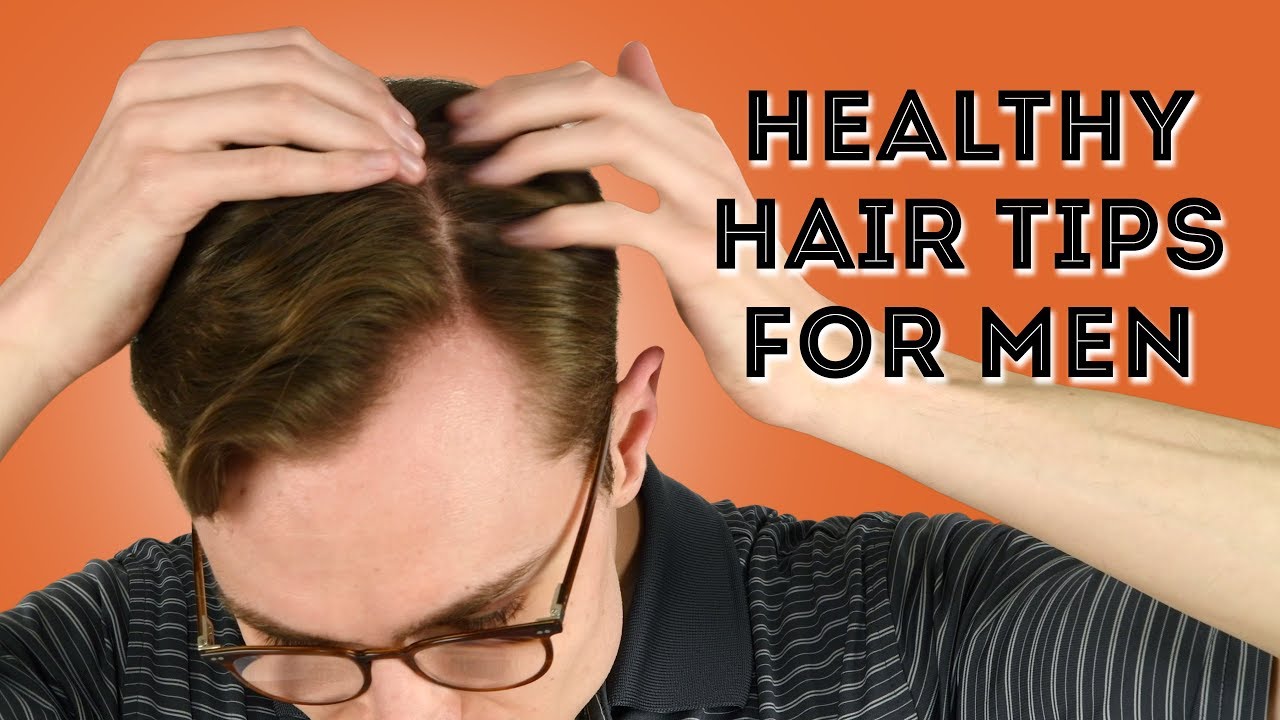
Shampoo removes oil and dirt, but it can also leave the hair surface rough. Conditioner helps smooth the outer layer of the hair. This can reduce tangles, friction, and breakage.
Apply conditioner mainly to the middle and ends of your hair. If your scalp is very dry, you can use a small amount near the roots, but avoid heavy layers.
Leave it on for one or two minutes, then rinse. For curly, coily, or very dry hair, a deep conditioner once a week may help. Test one product at a time so you can see what truly works.
A common mistake I have made is using too much conditioner because the hair felt dry. The result was flat, greasy hair. A smaller amount often works better, especially for short or fine hair.

Dry Your Hair Without Causing Damage
Wet hair is more fragile than dry hair. Rubbing it hard with a towel can cause tangles and breakage. Instead, gently squeeze out water and pat your hair dry.
A soft microfiber towel or cotton T shirt may reduce friction. Let your hair air dry when you can. If you use a blow dryer, choose low or medium heat and keep it several inches away.
Avoid going to bed with soaking wet hair. It may increase tangles and create an uncomfortable, damp scalp. It does not directly cause baldness, but rough movement against a pillow can worsen breakage.
This simple drying habit is an important part of how to take care of your hair for guys because it protects the hair after every wash.

Choose Hair Products With Care
You do not need many products. Start with a gentle shampoo, a conditioner, and one styling product that suits your look.
Look for products based on your needs:
• Lightweight cream for soft control
• Matte clay for texture and a natural finish
• Gel for firm hold
• Leave in conditioner for dry or curly hair
• Scalp treatment for flakes or irritation
Avoid using strong products every day if they leave your hair stiff, coated, or difficult to wash. Heavy pomades and waxes can cause buildup, especially when you apply them near the scalp.
“Natural” does not always mean gentle. Essential oils and plant extracts can irritate sensitive skin. Fragrance free products may be a safer choice if you often experience redness or itching.
Patch test a new product on a small area first. Stop using it if you develop burning, swelling, or a rash.

Protect Your Hair From Heat, Sun, and Chemicals
Hair can become weak when exposed to repeated heat, bleach, relaxers, or strong chemical treatments. The effect builds over time, like small cracks in a phone screen.
Use these protective habits:
• Limit high heat from blow dryers and hot tools.
• Apply a heat protectant before using hot tools.
• Wear a hat during long periods in strong sunlight.
• Rinse hair after swimming in a pool or ocean.
• Avoid frequent bleaching or harsh chemical treatments.
• Give your hair rest between major color or texture changes.
A hat protects your scalp from sunburn, but choose one that is clean and breathable. A tight, dirty hat can trap sweat and irritate the scalp.
Prevent Breakage and Hair Loss
Hair shedding is normal. Many people lose around 50 to 100 hairs per day, although the amount can vary. You may notice more hair in the shower on some days.
Breakage is different from shedding. A broken strand comes from the hair shaft, while shedding usually releases the full strand from the root. Tight styles, rough brushing, heat, and chemical treatments can increase breakage.
To lower the risk:
• Use a wide tooth comb on wet, curly hair.
• Start detangling at the ends and move upward.
• Avoid tight ponytails, braids, or buns.
• Do not twist or pull hair when stressed.
• Change hairstyles if your scalp feels sore.
• Sleep on a smooth pillowcase if friction causes tangles.
If your hairline changes quickly, you see round bald spots, or your scalp becomes painful, make an appointment with a dermatologist. Early evaluation can improve your options. Treatments such as minoxidil may help some forms of hair loss, but they do not work for everyone and should be used as directed.
Eat for Healthy Hair Growth
Hair is made mostly of a protein called keratin. Your body needs enough protein, iron, zinc, vitamin D, and other nutrients to support normal growth.
Build meals around:
• Eggs, fish, chicken, beans, or tofu
• Leafy greens and colorful vegetables
• Whole grains
• Nuts and seeds
• Fruit
• Dairy or fortified alternatives
Do not take high dose hair supplements without a clear reason. Too much of some nutrients, including vitamin A and selenium, may contribute to hair problems. Blood tests can help identify certain deficiencies.
Good sleep and stress control also matter. Severe stress can trigger temporary shedding in some people. This type of shedding may appear months after the stressful event, which can make the cause hard to notice.
A Simple Weekly Hair Care Routine
A simple routine is easier to follow than a perfect routine. Here is a practical plan for most guys:
Daily
• Check whether your scalp feels oily, dry, or irritated.
• Comb gently when needed.
• Avoid tight hats or hairstyles for long periods.
• Remove heavy styling product before bed when possible.
Two to four times each week
• Shampoo based on your scalp needs.
• Condition the middle and ends.
• Clean combs, brushes, and hats.
Once each week
• Check for flakes, redness, or unusual shedding.
• Use a deep conditioner if your hair is dry or curly.
• Wash pillowcases and towels.
• Review whether your products are causing buildup.
The best answer to how to take care of your hair for guys is a routine that protects the scalp and limits damage without making life difficult.
Common Hair Care Mistakes Guys Make
Even a good routine can fail when small habits work against it. These mistakes are common:
Washing with very hot water
Hot water can remove too much oil and leave the scalp dry. Lukewarm water is a better choice.
Scrubbing too hard
A clean scalp does not need aggressive pressure. Gentle massage removes dirt without unnecessary irritation.
Using body wash on the hair
Body wash may contain ingredients that are too drying for the scalp and hair. Use a product made for hair.
Applying too much product
More product does not always mean better style. Start with a small amount and add more only if needed.
Ignoring the scalp
Hair grows from the scalp, so itching, pain, and heavy flakes deserve attention. Do not cover ongoing problems with styling products.
Expecting instant results
Hair grows slowly. Give a new routine several weeks before judging it, unless you develop irritation or a sudden change.
When to See a Dermatologist or Doctor
Home care can support healthy hair, but it cannot diagnose every scalp or hair problem. Seek professional advice if you notice:
• Sudden or heavy shedding
• A rapidly receding hairline
• Round bald patches
• Pain, pus, swelling, or bleeding
• Thick scales or severe itching
• Hair loss after starting a medicine
• Changes with fatigue, weight loss, or other symptoms
A dermatologist can examine the scalp and may order blood tests. Possible causes include pattern hair loss, alopecia areata, thyroid disease, nutritional deficiency, infection, and inflammatory skin conditions.
Be careful with dramatic online claims. No shampoo can reliably reverse genetic baldness. Professional care is the safest path when hair loss is sudden, severe, or upsetting.
Frequently Asked Questions About How to Take Care of Your Hair for Guys
How often should guys shampoo their hair?
Wash based on your scalp, not a fixed rule. Oily or sweaty scalps may need frequent washing, while dry, curly, or coily hair may need less frequent washing.
Is it bad for guys to wash their hair every day?
Daily washing is not automatically harmful. Use a mild shampoo, avoid very hot water, and reduce washing if your hair becomes dry, rough, or irritated.
Should guys use conditioner?
Yes, most guys can benefit from conditioner. Apply it mainly to the middle and ends to reduce dryness, tangles, and breakage.
Does wearing a hat cause hair loss?
A normal, clean, well fitting hat does not cause typical hair loss. A very tight hat may cause friction or irritation, so keep hats clean and remove them when your scalp feels uncomfortable.
What is the best shampoo for men?
The best shampoo matches your scalp and hair needs. Choose a gentle shampoo for routine washing, or use an anti dandruff formula when flakes are a regular problem.
Can shampoo stop male pattern baldness?
Shampoo cannot usually stop genetic hair loss. It can keep the scalp clean, but treatments for pattern hair loss may require medical advice and consistent use.
How can guys make their hair look thicker?
Use lightweight products, avoid greasy buildup, and choose a haircut that suits your hair density. Treating the cause of thinning early may offer more benefit than using cosmetic volume products alone.
Conclusion
Knowing how to take care of your hair for guys comes down to a few steady habits: clean the scalp gently, condition the hair, limit heat and harsh chemicals, eat well, and watch for unusual changes. Your hair type should guide your routine, not a social media trend.
Start with one small change this week, such as washing with lukewarm water, using conditioner, or reducing product buildup. Stay consistent, listen to your scalp, and speak with a dermatologist when hair loss or irritation seems unusual. Share your own routine in the comments or explore more trusted hair care guides for practical tips.
