Clean gently, wash sparingly, detangle carefully, and store flat to keep synthetic hair looking fresh.
I have spent years working with wigs, extensions, and fashion pieces, so I know how small habits make big differences. This guide on how to care for synthetic hair walks you through proven steps for washing, brushing, styling, storing, and troubleshooting. You'll learn practical tips I use every day, simple product choices, and the things to avoid so your synthetic hair lasts longer and looks natural. Read on for a clear, expert-backed plan you can use now.
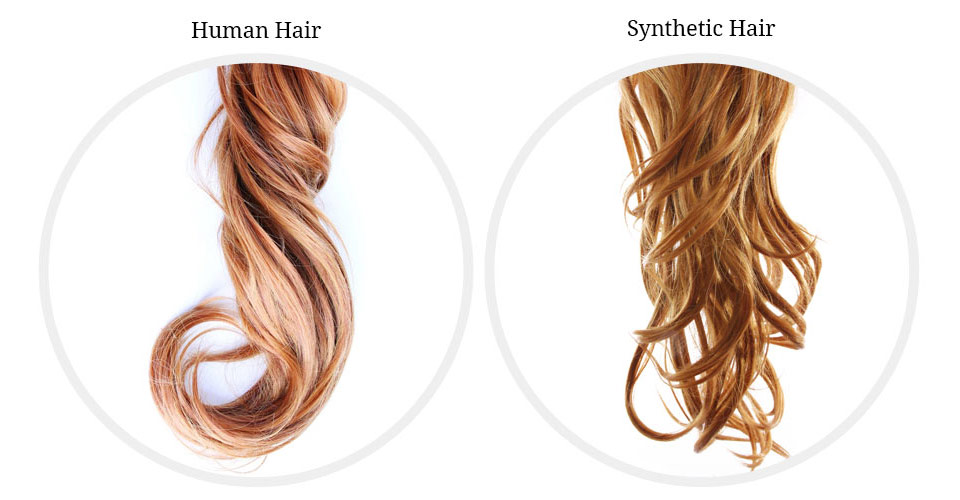
Why proper care matters for synthetic hair
Synthetic hair is made from man-made fibers. It looks like real hair but behaves differently. How to care for synthetic hair is not the same as caring for natural hair. Good care keeps fibers soft, stops matting, and helps styles hold. Poor care shortens the life of the piece and makes it look dull or frizzy.
I’ve seen synthetic wigs that lasted a decade with gentle care. I’ve also seen pieces ruined in weeks from heat or rough brushing. The right routine protects your investment and keeps your look polished.

Basic definitions and types you should know
Understanding materials helps you pick the right care.
- Synthetic hair: Fibers like kanekalon and toyokalon mimic human hair. They come pre-styled and resist moisture.
- Heat-friendly synthetic: Special fibers that can handle low to medium heat. Check labels before using tools.
- Lace front and full-cap wigs: Differ by construction. Lace needs gentler handling at the hairline.
- Wefts and extensions: Sewn or taped pieces that require care at attachment points.
Knowing the type tells you how to care for synthetic hair safely and effectively.

Daily care routine: small actions, big impact
A short daily routine keeps tangles away and extends life.
- Gently shake and pat your wig after wearing.
- Use a wide-tooth comb or a special synthetic wig brush. Start at the ends and work up.
- Avoid brushing when wet unless the product instructions allow it.
- If you wear glue or tape, clean the band and adhesive residue every few wears.
These small steps prevent build-up and matting. They also reduce stress on the fibers. I recommend a quick comb-through every evening after use.

Washing synthetic hair: when and how
Synthetic fibers don't get oily like real hair. Over-washing removes shine and weakens fibers. Learn when and how to wash.
When to wash
- Wash after 8–12 wears for daily use.
- Wash sooner if you use a lot of styling product, sweat heavily, or expose the piece to smoke or strong smells.
Step-by-step wash
- Fill a basin with cool water. Hot water can deform fibers.
- Add a capful of shampoo made for synthetic hair or a very mild baby shampoo.
- Turn the wig inside out and submerge. Swish gently for 2–3 minutes. Do not rub or scrub.
- Rinse in cool water until clear.
- Apply a small amount of synthetic hair conditioner. Leave 1–2 minutes.
- Rinse gently with cool water.
Drying tips
- Blot excess water with a towel. Do not twist.
- Place the wig on a wig stand or a padded head form to air dry.
- Keep away from direct sunlight and heat sources.
I once washed a wig in warm water by mistake. The curls lost shape and the cap shrank. From then on, cool water only.

Brushing and detangling without damage
Tangles form most at the nape and wefts. Detangle gently to avoid fiber breakage.
Tools to use
- Wide-tooth combs
- Loop brushes or brushes labeled for synthetic wigs
How to detangle
- Hold the hair at the root to avoid pulling on the cap.
- Work in sections from tips to roots.
- Use a light detangling spray made for synthetics if needed.
Avoid brushes with thin metal pins and avoid aggressive brushing when dry. If mats form near the cap, carefully cut them out rather than rip them loose.

Styling synthetic hair: heat rules and alternatives
Most standard synthetic hair will melt with heat. Always check the label. Here’s how to style safely.
Heat-free styling
- Use steam from a distance to reshape curls on heat-friendly fibers only.
- Use foam rollers or bendable rods for curls.
- Finger-styling and pinning hold many looks without heat.
Using heat tools
- Only use on heat-friendly synthetic hair.
- Keep tools at low to medium settings (typically under 300°F / 150°C).
- Test on a hidden section first.
If you must restyle a non-heat-friendly piece, re-shaping with cold rollers or buying a pre-styled replacement is safer. I prefer steam or rollers for long-lasting, safe styling.

Products that work (and what to avoid)
Picking the right product is essential when learning how to care for synthetic hair.
Use
- Shampoo and conditioner made for synthetic hair.
- Silicone-free detanglers and leave-in sprays formulated for synthetics.
- Wig-specific adhesives and cleaners for lace fronts.
Avoid
- Regular hair spray and styling products with alcohol.
- High-alcohol or oil-based products that attract dust.
- Household shampoos or heavy oils that weigh down fibers.
In my experience, one quality synthetic wig shampoo and a silicone-free detangler are enough for most users.

Storing and traveling with synthetic hair
Proper storage prevents tangles and keeps shape.
Short-term storage
- Place on a wig stand or mannequin head to keep shape.
- Cover with a breathable satin bag to keep dust off.
Long-term storage
- Gently braid or lay the hair flat in its original net.
- Store in a cool, dry place away from sunlight.
Travel tips
- Fold gently inside a satin-lined wig box.
- Pack a small brush, pins, and a travel-size detangler.
I always pack a spare stand on long trips for wigs I want to wear more than once.

Repair, refresh, and extend life
You can revive many synthetic pieces with simple fixes.
Refreshing shape
- Use a warm steam source carefully to reset curls on heat-friendly fibers.
- Use a fabric steamer at a distance for gentle reshaping.
Fixing frizz and shine loss
- Lightly mist with specialized synthetic hair shine spray.
- Trim frayed ends with sharp scissors to remove fuzz.
When to replace
- If fibers are irreversibly matted.
- If the cap no longer fits or is damaged.
I once patched a stretched cap and added a new elastic band. It extended the wear by months and saved money.
Common mistakes and how to avoid them
People often make the same errors when learning how to care for synthetic hair. Avoid these.
- Using heat tools on non-heat-friendly fibers.
- Brushing aggressively or when wet.
- Washing too frequently.
- Storing in direct sunlight.
- Using heavy oils or standard hair sprays.
Avoiding these mistakes will protect your synthetic hair and keep it looking fresh.
PAA-style quick questions answered
Can I dye synthetic hair?
Synthetic fibers usually do not take regular hair dye. Use fabric dye made for synthetic fibers or buy a new piece in the desired color.
How long does synthetic hair last?
With good care, a quality synthetic wig can last months to years depending on wear frequency and care.
Is synthetic hair better than human hair?
Synthetic hair is lower cost and holds style well out of the box. Human hair can be heat-styled and has a more natural movement.
Are there safe ways to restyle synthetic hair?
Yes. Use heat-friendly fiber labels, low heat, steam, or cold rollers. Always test on a hidden section first.
Can I swim with synthetic hair?
Chlorine and salt can damage fibers and fade color. Rinse immediately and wash gently after swimming.
Frequently Asked Questions of how to care for synthetic hair
How often should I wash synthetic hair?
Wash synthetic hair after 8–12 wears, or sooner if it smells or has product build-up. Over-washing can dry fibers and shorten lifespan.
Can I use a blow dryer on synthetic hair?
Only use a blow dryer on heat-friendly synthetic hair at low to medium settings. For non-heat-friendly fibers, air dry only.
How do I remove knots at the nape without damaging the cap?
Hold the hair at the roots, work small sections from tip to root with a wide-tooth comb, and use a detangler spray. If a knot is tight near the cap, trim carefully rather than force it.
Is it okay to sleep in synthetic hair?
Sleeping in most synthetic wigs can cause tangles and wear. Use a silk or satin pillowcase and loosely braid long styles to protect them overnight.
How do I keep a curly synthetic wig from frizzing?
Avoid excessive friction and humidity. Use curl-specific synthetic products and refresh curls with steam or rollers on heat-friendly fibers.
Conclusion
Mastering how to care for synthetic hair comes down to gentle handling, the right products, and smart storage. Small daily habits—gentle combing, sparing washes, proper storage—add up to longer life and better looks. Try one change this week: follow the correct washing steps or swap to a silicone-free detangler, and watch your synthetic hair perform better. Share your experiences, ask questions, or subscribe for more care guides and tips.