
Wash gently, condition often, protect your scalp, and choose products that match your hair type and daily needs.
Learning how to take care of hair male starts with simple habits, not expensive products. Clean washing, regular conditioning, scalp care, smart styling, good nutrition, and early attention to hair loss can keep hair healthier and easier to manage. This guide explains what works, what to avoid, and how to build a routine that fits your hair, budget, and lifestyle.
How to Take Care of Hair Male: Start With Your Hair Type
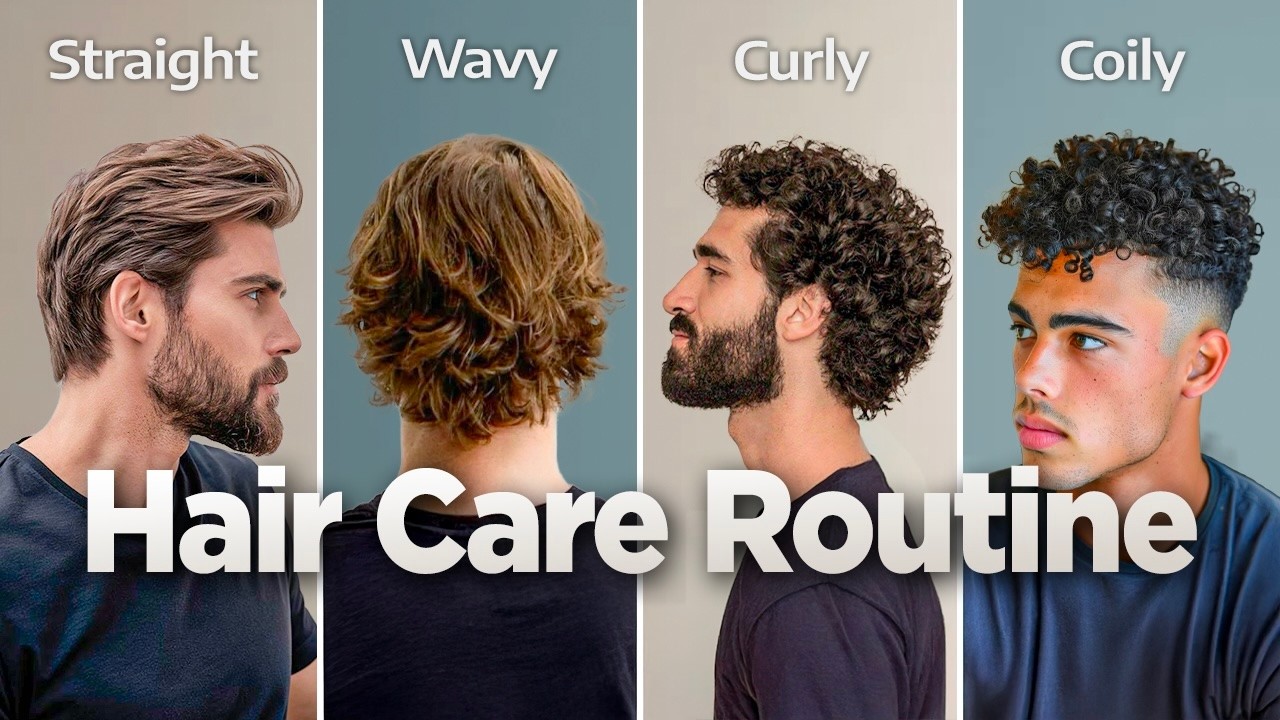
The best hair routine depends on your hair type and scalp condition. Straight, wavy, curly, and coily hair all react differently to water, shampoo, oils, and styling products.
Hair thickness also matters. Fine hair can look oily or flat very quickly. Thick or coarse hair may need more moisture. A dry scalp needs different care from an oily scalp.
Before buying products, ask yourself:
• Does my scalp feel oily, dry, itchy, or normal?
• Is my hair fine, medium, thick, curly, or coily?
• Do I have dandruff, flakes, redness, or scalp pain?
• Do I use heat, hair color, bleach, or chemical treatments?
• Does my hair break, shed more than usual, or form thinner areas?
A useful rule is to treat the scalp like skin and the hair shaft like fabric. Your scalp needs gentle cleansing. Your hair needs protection from friction, heat, chemicals, and rough handling.
One common mistake is copying a friend’s routine. A heavy pomade may work well for thick hair but make fine hair look greasy. A strong clarifying shampoo may help product buildup but leave a dry scalp tight and irritated.

Build a Simple Hair Care Routine for Men
A good routine does not need ten products. Most men can begin with a gentle shampoo, a suitable conditioner, and one styling product that does not irritate the scalp.
Follow these basic steps:
Wet your hair with warm water, not very hot water.
Apply a small amount of shampoo to the scalp.
Massage with your fingertips for about 30 seconds.
Rinse well so no product remains near the roots.
Apply conditioner to the middle and ends of the hair.
Leave it on for one to three minutes.
Rinse with cool or lukewarm water.
When learning how to take care of hair male, consistency matters more than a complex routine. Wash often enough to remove sweat, oil, and product. Do not wash on a fixed schedule if your scalp clearly needs a different rhythm.
After washing, pat your hair dry with a soft towel. Avoid rubbing hard, especially when hair is wet. Wet hair stretches more easily and can break when pulled.
Use a wide-tooth comb for curly or long hair. Start at the ends and move upward. For short hair, your fingers may be gentler than a brush.
A simple weekly routine may look like this:
• Shampoo two to four times each week, based on oil and sweat.
• Condition every time you shampoo.
• Use a deeper moisturizing treatment once a week if your hair feels dry.
• Remove heavy styling buildup with a clarifying shampoo every few weeks, if needed.
• Clean combs, brushes, hats, and pillowcases regularly.

How Often Should Men Wash Their Hair?
There is no perfect number of washes for every man. Hair washing frequency depends on scalp oil, exercise, hair texture, climate, and product use.
Men with oily scalps, fine hair, or daily workouts may need to shampoo every day or every other day. Men with dry, curly, or coily hair may need to wash less often to protect natural oils.
Try this guide:
• Oily scalp: Wash daily or every other day with a mild shampoo.
• Normal scalp: Wash every two or three days.
• Dry or curly hair: Wash once or twice a week, then refresh with water or conditioner as needed.
• Heavy exercise or outdoor work: Rinse or wash after heavy sweating.
Sweat itself is not always harmful, but salt, oil, dirt, and styling products can build up on the scalp. Leaving buildup for too long may cause itching, odor, or flakes.
Do not confuse dandruff with a dry scalp. Dandruff often creates larger, oily, or white flakes and may come with itching. A dry scalp usually feels tight and produces small, dry flakes.
If flakes continue, an anti-dandruff shampoo with ingredients such as ketoconazole, zinc pyrithione, selenium sulfide, or salicylic acid may help. Follow the label directions. Stop using a product if it causes burning, swelling, or a rash.

Choose Shampoo and Conditioner Carefully
Shampoo removes oil, sweat, dead skin, pollution, and styling residue. Conditioner adds slip, reduces friction, and helps hair feel softer and easier to comb.
Look for a shampoo that cleans without leaving your scalp tight or burning. If your hair feels rough after washing, the formula may be too strong or you may be washing too often.
Useful product choices include:
• Gentle shampoo for daily or frequent washing.
• Moisturizing shampoo for dry, coarse, curly, or damaged hair.
• Volumizing shampoo for fine hair, though results are usually temporary.
• Anti-dandruff shampoo for persistent flakes and scalp irritation.
• Clarifying shampoo for heavy wax, clay, gel, or oil buildup.
Apply shampoo mainly to the scalp. The foam that runs through the ends is often enough to clean them. Scrubbing the ends directly can increase dryness and breakage.
Apply conditioner from the middle of the hair to the ends. If your hair is very short, use only a small amount and keep it away from the scalp if it makes your roots oily.
Product labels can help, but they do not tell the whole story. “Natural” does not always mean gentle, and “chemical-free” is not a scientifically useful claim. Your skin’s response matters more than marketing language.

Protect Your Scalp and Hair From Damage
Healthy hair care for men includes protection. Daily habits can slowly damage hair even when your shampoo is excellent.
Hot water can remove too much surface oil and leave the scalp dry. Use warm water during washing, then rinse with cooler water if it feels comfortable.
Heat from blow dryers, flat irons, and curling tools can weaken hair proteins. If you use a dryer, keep it on a low or medium setting and hold it several inches away from your head.
Other protective habits include:
• Use a heat protectant before blow-drying or heat styling.
• Avoid tight ponytails, braids, and buns that pull the hairline.
• Do not brush aggressively through tangles.
• Choose a soft towel or cotton T-shirt to blot wet hair.
• Wear a hat or use sunscreen on exposed scalp skin.
• Rinse hair after swimming to remove chlorine or salt.
• Avoid frequent bleaching and harsh chemical treatments.
Male pattern hair loss is not usually caused by wearing a hat or using shampoo. It is mainly linked to genetics and sensitivity to the hormone dihydrotestosterone, often called DHT. Still, tight styles, harsh chemicals, and repeated pulling can cause a different type of loss called traction alopecia.
If your hairline suddenly changes, you see round bald patches, or shedding increases quickly, speak with a board-certified dermatologist. Early evaluation can identify causes such as thyroid disease, iron deficiency, medication effects, scalp disease, or stress-related shedding.
Styling Products: What Works and What to Avoid
Styling products can improve shape, texture, and hold. They can also create buildup or irritate the scalp when overused.
Choose products based on the result you want:
• Pomade: Adds shine and control. It works well for classic, polished styles.
• Clay: Offers a matte finish and strong texture. It often suits thick or short hair.
• Wax: Adds flexible hold but may feel heavy on fine hair.
• Gel: Gives firm hold and a wet look. Some formulas can feel stiff or flaky.
• Cream: Provides light control and softness. It suits natural, relaxed styles.
• Mousse: Adds volume and light hold, especially for fine or wavy hair.
Use a small amount first. You can always add more, but removing too much product usually requires another wash. Warm the product between your palms before applying it evenly.
Do not place thick wax, oil, or clay directly on an irritated scalp. Keep most styling products on the hair rather than the skin. Wash them out before sleep if they make your scalp itchy or greasy.
A common lesson from real-world grooming routines is that less product often looks better. Many men use too much because they want all-day hold. A pea-sized amount may be enough for short hair, while longer hair may need a little more.

Nutrition, Stress, and Hair Growth
Hair grows from follicles in the scalp. Those follicles need energy, protein, vitamins, minerals, and healthy blood flow. Diet cannot reverse every form of hair loss, but poor nutrition can contribute to shedding and weak hair.
Aim for a balanced diet that includes:
• Eggs, fish, poultry, beans, tofu, or other protein sources.
• Leafy greens, vegetables, and fruit.
• Whole grains and other sources of complex carbohydrates.
• Nuts, seeds, olive oil, and fatty fish for healthy fats.
• Iron-rich foods such as lean meat, beans, lentils, and spinach.
Protein is especially important because hair is made largely of keratin, a structural protein. Very low-calorie diets, crash dieting, and sudden weight loss may trigger temporary shedding several months later.
Do not take high-dose biotin or other hair supplements without a clear reason. Supplements may not help if you are not deficient, and high doses can interfere with some blood tests. A doctor can order tests when symptoms suggest low iron, thyroid problems, or another medical issue.
Stress may also trigger temporary hair shedding called telogen effluvium. This can occur after illness, major emotional stress, surgery, or severe sleep loss. Hair often takes time to recover, so patience and medical guidance are important.
Good sleep, regular movement, stress control, and smoking avoidance support overall health. They are not magic cures, but they create better conditions for the scalp and body.

How to Take Care of Hair Male With Hair Loss
Hair loss is common, but the cause matters. Male pattern hair loss often begins with a receding hairline, thinning crown, or gradual reduction in hair density. It can start in the late teens or early adulthood.
For how to take care of hair male when thinning begins, focus on gentle care and early medical advice. Shampoo does not regrow a shrinking hair follicle, but it can keep the scalp clean and reduce irritation.
Evidence-based options may include:
• Minoxidil, an over-the-counter treatment that can slow loss or support regrowth for some people.
• Finasteride, a prescription medicine that lowers DHT and may help male pattern hair loss.
• Ketoconazole shampoo when dandruff or scalp inflammation is present.
• Low-level light therapy, which may provide modest improvement for some users.
• Hair transplant surgery for selected people with stable donor hair.
Each option has limits and possible side effects. Finasteride, for example, requires a discussion with a qualified clinician because it may cause sexual or mood-related side effects in some people. Minoxidil may cause scalp irritation or temporary increased shedding at first.
Be cautious with products that promise instant regrowth. Before-and-after photos may use different lighting, hair lengths, or styling. A dermatologist can examine the scalp, review your history, and suggest treatment based on the pattern of loss.
Take monthly photos in the same light and from the same angles. This gives you a more accurate view than checking the mirror every day.

Common Hair Care Mistakes Men Should Avoid
Many hair problems come from small habits repeated over time. Fixing these habits can make a noticeable difference.
Avoid the following mistakes:
• Using very hot water during every wash.
• Scratching the scalp with fingernails.
• Applying too much shampoo or styling product.
• Washing dry hair with a strong clarifying shampoo too often.
• Skipping conditioner because you have short hair.
• Sleeping with wet hair tied tightly.
• Sharing combs, brushes, hats, or personal scalp products.
• Ignoring persistent itching, redness, sores, or sudden shedding.
• Trusting online hair loss claims without checking the evidence.
Cutting hair does not make it grow faster or thicker. A haircut can remove split ends and improve its appearance, but growth happens inside the follicle beneath the scalp.
Shaving your head also does not change the thickness, color, or growth speed of the hair. It may make thinning less noticeable because the length is even, but it does not treat the cause.
If a product burns or causes a rash, rinse it out and stop using it. Fragrance, essential oils, preservatives, and hair dyes can trigger contact dermatitis in some people.
A Practical Weekly Plan for Men’s Hair Care
A clear plan makes how to take care of hair male easier to follow. Adjust this schedule to your scalp and hair needs.
Daily:
• Brush or comb gently.
• Protect hair from strong sun when the scalp is exposed.
• Apply only the amount of styling product you need.
• Rinse sweat and chlorine from the hair when appropriate.
Two to four times each week:
• Shampoo the scalp with a mild formula.
• Condition the hair lengths and ends.
• Check for flakes, redness, sores, or unusual shedding.
Once each week:
• Use a moisturizing treatment if the hair feels dry.
• Wash combs and brushes.
• Clean hats and change pillowcases if they collect oil or product.
Every one to three months:
• Trim split or damaged ends if you want a neater shape.
• Review whether your products still suit your scalp.
• Take comparison photos if you are monitoring hair thinning.
This routine is flexible. A man who works outdoors in Texas may need more washing than someone with a dry scalp who works in an air-conditioned office. Your lifestyle should guide the plan.
Frequently Asked Questions About How to Take Care of Hair Male
How often should men shampoo their hair?
Most men can shampoo every other day, but oily scalps may need daily washing and dry or curly hair may need less. Let your scalp’s oil, sweat, and comfort guide the schedule.
Is daily shampooing bad for men’s hair?
Daily shampooing is not automatically harmful when you use a gentle product and condition as needed. It may be useful for oily scalps, frequent workouts, or heavy product use.
Should men use conditioner?
Yes, conditioner helps reduce friction, tangles, roughness, and breakage. Apply it mainly to the hair rather than the scalp if your roots become oily.
Does wearing a hat cause hair loss?
Normal hat use does not cause male pattern hair loss. A very tight hat that creates constant friction or pulls hair may irritate the scalp, but genetic hair loss has different causes.
Can shampoo regrow thinning hair?
Regular shampoo cleans the scalp but usually cannot regrow hair lost from male pattern baldness. Treatments such as minoxidil or prescription medicines may help some people after medical evaluation.
Why is my scalp itchy and flaky?
Itching and flakes may result from dandruff, dry skin, product irritation, psoriasis, or another scalp condition. Persistent symptoms, pain, redness, or sores should be checked by a dermatologist.
Does cutting hair make it grow faster?
No. Cutting removes damaged ends and can make hair look fuller, but it does not change the follicle or increase growth speed.
Conclusion
How to take care of hair male comes down to a clean scalp, gentle handling, regular conditioning, smart product use, and attention to changes. Wash according to your scalp, protect hair from heat and pulling, eat a balanced diet, and avoid harsh treatments that cause irritation.
If you notice sudden shedding, bald patches, severe itching, or a rapidly changing hairline, seek professional advice early. Start with one or two better habits this week, then build a routine that fits your hair. Share your experience or explore more evidence-based grooming resources to keep improving your hair care plan.
